Abstract
Global food security is largely dependent on the production of Solanaceous crops, namely tomatoes (Solanum lycopersicum), potatoes (Solanum tuberosum), and eggplants (Solanum melongena). However, these crops are still extremely susceptible to destructive phytopathogens. The antibacterial activity of Terminalia arjuna bark extracts was assessed in this study against a specific complex of pathogens, which included Gram-negative bacterial surrogates for Ralstonia solanacearum, Alternaria solani (early blight), and Fusarium oxysporum (vascular wilt). To separate the bioactive components, bark samples were treated to Soxhlet extraction employing a polarity gradient ranging from petroleum ether to water. Phytochemical profiling confirmed that polar acetonic and methanolic fractions were significantly enriched with triterpenoid saponins, hydrolyzable tannins, and flavonoids. In vitro evaluations using broth microdilution and agar well diffusion demonstrated a clear solvent-dependent effectiveness. Significantly, acetonic extracts showed better antifungal activity, producing zones of inhibition (ZOI) ranging from 17.5 to 20.0 mm. These results are statistically equivalent to those of traditional synthetic fungicides. The Minimum Inhibitory Concentration (MIC) values ranged from 0.16 to 2.56 mg/mL, indicating a high level of effectiveness. The discovered antibacterial action is mostly ascribed to the polar secondary metabolites' synergistic inhibition of fungal ergosterol production. The plant's protective chemicals are concentrated in its polar extracts, as evidenced by the non-polar fractions' little activity. These results establish Terminalia arjuna as a potent source of environmentally benign, resistance-breaking bio-compounds that provide a long-term substitute for Integrated Pest Management (IPM) in high-value Solanaceous agriculture.
Keywords
Terminalia arjuna, Solanaceous Crops, Fusarium Oxysporum, Alternaria Solani, Ralstonia Solanacearum
1. Introduction
Solanaceous vegetable crops such as tomato, potato, chilli, and brinjal are highly susceptible to several devastating fungal and bacterial diseases that adversely affect productivity and quality. Among the major pathogens,
Alternaria solani causes early blight,
Fusarium oxysporum causes vascular wilt,
Rhizoctonia solani causes damping-off and root rot,
Pythium spp. are associated with seedling blight, while
Ralstonia solanacearum is responsible for bacterial wilt
| [1] | H. B. P. Sandani, H. L. D. Weerahewa. Wilt diseases of tomato (Lycopersicum esculentum) and chilli (Capsium annum) and their management strategies: Emphasis on the strategies employed in Sri Lanka: A review. Sri Lankan Journal of Biology. Year: 2018. Volume: 3 Issue: 2. Page/Article: 24-43,
https://doi.org/10.4038/sljb.v3i2.24 |
| [2] | Udit Narain, Alka Kushwaha, Rajendra Prasad, Ved Ratan. Symptomatology and Etiology of Alternariose in Root, Fruits, and Leafy Vegetables. 1st Edition, 2020. Pages 27.
https://doi.org/10.1201/9780429322181-25 |
[1, 2]
. Conventional disease management practices mainly rely upon repeated application of synthetic fungicides and bactericides. Although effective, continuous use of synthetic chemicals has resulted in the development of resistant pathogen strains, environmental contamination, and accumulation of toxic residues in food products
| [1] | H. B. P. Sandani, H. L. D. Weerahewa. Wilt diseases of tomato (Lycopersicum esculentum) and chilli (Capsium annum) and their management strategies: Emphasis on the strategies employed in Sri Lanka: A review. Sri Lankan Journal of Biology. Year: 2018. Volume: 3 Issue: 2. Page/Article: 24-43,
https://doi.org/10.4038/sljb.v3i2.24 |
[1]
.
Growing concerns regarding environmental safety and sustainable agriculture have accelerated the search for plant-based bioactive compounds possessing antimicrobial properties. Botanical fungicides derived from medicinal plants are considered safer alternatives due to their biodegradability, low toxicity, and broad-spectrum activity. Among various medicinal plants, Terminalia arjuna (Family: Combretaceae) has gained significant scientific attention because of its rich phytochemical profile and extensive medicinal importance in traditional Indian systems of medicine.
The bark of
Terminalia arjuna contains tannins, flavonoids, alkaloids, glycosides, triterpenoids, saponins, and phenolic compounds known for their antimicrobial, antioxidant, and anti-inflammatory activities
| [3] | Hafsa Tahir, Muhammad Nadeem Akhtar, Ashok Kumar Bishoyi, Gaurav Sanghvi, Musarrat Rasheed, Muhammad Afzaal, Ali Imran, Farhan Saeed, Neeraj Khare, Faiyaz Ahmed, Oshin Sahni, Huda Ateeq, Fakhar Islam, Abdela Befa Kinki. Nutritional Composition, Phytochemical Profile, Extraction Methods of Bioactive Components, and Health Benefits of Terminalia Arjuna Bark. Volume 6, Issue 2. 2025.
https://doi.org/10.1002/efd2.70038 |
| [4] | Gaikwad, Dinanath, and Namdeo Jadhav. “A REVIEW ON BIOGENIC PROPERTIES OF STEM BARK OF TERMINALIA ARJUNA: AN UPDATE”. Asian Journal of Pharmaceutical and Clinical Research, vol. 11, no. 8, Aug. 2018, pp. 35-39, https://doi.org/10.22159/ajpcr.2018.v11i8.26384 |
| [5] | Anshuman Rai, Anamika Gautam, Sakshi Panchal, Ankita Sood, Pankaj Prashar, Narendra Kumar Pandey, Indu Melkani, Bimlesh Kumar. Protective effect of ethanolic extract of Terminalia arjuna bark against ethylene glycol induced urolithiasis in male rats: In-vitro and In-Vivo evaluation. RESEARCH JOURNAL OF PHARMACY AND TECHNOLOGY. Year: 2020, Volume: 13, Issue: 12. https://doi.org/10.5958/0974-360x.2020.01070.7 |
| [6] | Nerkar, Amit Gajanan, Dumbre, Rahul K., Badar, Shubhangi. "Ethnopharmacological review of arjuna." Curr Trends Pharm Pharm Chem, vol. 5, no. 1, 2023, pp. 21-25.
https://doi.org/10.18231/j.ctppc.2023.005 |
| [7] | Rupak K. Swain, Satya N. Tripathy, Rabinarayan Rana, Sujit K. Patro, Satyajeet Behera. A Study on Phytochemical and Pharmacological activity of Terminalia arjuna: A Review. Research Journal of Pharmacognosy and Phytochemistry. 2023; 15(2): 111-7. https://doi.org/10.52711/0975-4385.2023.00017 |
[3-7]
. Earlier reports primarily focused on its cardioprotective and medicinal applications, whereas its agricultural applications against plant pathogens remain inadequately explored.
The present investigation was therefore undertaken to evaluate the efficacy of Terminalia arjuna bark extracts against important solanaceous pathogens under laboratory conditions. The study also aimed to compare the efficacy of different solvent extracts, determine minimum inhibitory concentrations, and assess the suitability of T. arjuna bark extract as an eco-friendly botanical fungicide.
2. Materials and Methods
2.1. Collection of Raw Materials
Terminalia arjuna stem bark was gathered from the departmental host planting areas of the Central Silk Board, Bilaspur, Chhattisgarh's Basic Tasar Silkworm Seed Organization (BTSSO). Samples of freshly peeled bark were gathered in sterile polythene bags, appropriately labelled, and brought to the lab for additional processing. The gathered bark samples were properly cleaned with running tap water, then rinsed with distilled water to remove any clinging dust and pollutants. After sun drying, the bark was dried in a hot air oven at 40°C until it reached a steady weight.
2.2. Processing of Terminalia arjuna Bark
The dried bark samples were carefully sorted to remove unhealthy or damaged portions. The healthy bark pieces were crushed using a sterile mixer grinder to obtain fine powder. The grinder was washed and sterilized before and after processing each sample. The powdered material was sieved through a 2 mm aluminium sieve to obtain a uniform particle size. The fine bark powder was stored in airtight sterile containers at room temperature until extraction.
2.3. Preparation of Bark Extracts
Fifty grams of dried bark powder was mixed with 500 mL of ethanol in a conical flask sealed with cotton wool. The mixture was kept on an orbital shaker at 120 rpm for five days to facilitate the extraction of bioactive compounds. After passing the extract through Whatman No. 1 filter paper, it was centrifuged for five minutes at 4000 rpm. The solvent phase was concentrated using a rotary evaporator at 40°C to obtain a crude extract. The extraction process was repeated three times to ensure complete recovery of phytochemicals. The crude extracts were kept at 4°C in sealed vials for further research
| [9] | Pandey, A. K., & Mandal, A. K. (2012). Sustainable Harvesting of Terminalia arjuna (Roxb.) Wight & Arnot (Arjuna) and Litsea glutinosa (Lour.) Robinson (Maida) Bark in Central India. Journal of Sustainable Forestry, 31(3), 294–309. https://doi.org/10.1080/10549811.2011.583865 |
[9]
.
2.4. Extraction and Fractionation
Several solvents, including chloroform, ethyl acetate, acetone, methanol, and n-butanol, were used to fractionate the crude ethanolic extract after it had been dissolved in distilled water. Each solvent was used to separate the extract into different fractions based on its solubility properties. Each fraction was concentrated separately and stored under refrigerated conditions
| [10] | Mahabaleshwara K, Chandrasekhar N, Govindappa M (2016) Phytochemical Investigations of Methanol Leaf Extracts of Randia spinosa Using Column Chromatography, HPTLC and GC-MS. Nat Prod Chem Res 4: 202.
https://doi.org/10.4172/2329-6836.1000202 |
[10]
.
2.5. Collection of Pure Cultures
The Pure cultures of fungal and bacterial pathogens affecting Solanaceous crops were procured. The fungal pathogens used in the study included Alternaria solani, Fusarium oxysporum, Rhizoctonia solani, Sclerotium rolfsii and Pythium spp. The cultures were kept on Potato Dextrose Agar (PDA) medium, which is made especially to encourage yeast and fungal development. PDA provides essential nutrients, including carbohydrates and vitamins, that facilitate optimal growth and development of the microbial cultures. Regular monitoring and subculturing may be necessary to ensure the cultures remain viable and to prevent contamination.
2.6. Qualitative Analysis of Phytochemicals
The ethanolic extract and different solvent fractions were subjected to qualitative phytochemical screening to identify the presence of tannins, flavonoids, phenolic compounds, saponins, alkaloids, glycosides, phytosteroids and triterpenoids Standard biochemical methods were followed for phytochemical characterization.
2.7. Determination of Minimum Inhibitory Concentration (MIC)
The minimum inhibitory concentration of bark extracts was established using the broth dilution technique, which followed CLSI recommendations. Different doses were generated in DMSO, ranging from 0.16 mg/mL to 2.56 mg/mL. Geometric dilutions of each extract were prepared in 96-well microtitre plates along with positive and negative controls. Plates were incubated at 37°C for bacteria and 30°C for fungal cultures. The MIC value was noted as the concentration at which there was no discernible increase.
2.8. In Vitro Assay for Antifungal Activity
The Antifungal activity of Terminalia arjuna bark extracts was evaluated using agar well diffusion assay and poisoned food technique. Different concentrations of bark extract viz., 5%, 10%, 20%, 30%, 40%, and 50%, were incorporated into PDA medium. Five-millimetre mycelial discs from fungal cultures that were actively developing were positioned in the middle of the petri dishes. Additionally, control plates devoid of bark extract were maintained. For five to seven days, all plates were incubated at 28°C. Radial growth of fungal mycelium was monitored, and the percentage inhibition of growth was estimated using the following formula:
GI (%) = [(C – T)/C] × 100(1)
Where GI is the growth inhibition percentage, C is the Controlled radial growth, and T is the treatment-associated radial growth. All treatments were replicated thrice.
3. Results
3.1. Phytochemical Analysis of Terminalia arjuna Bark Extract
The Qualitative phytochemical analysis of Terminalia arjuna bark extract indicated the presence of several important bioactive compounds, including tannins, flavonoids, phenolic compounds, alkaloids, glycosides, saponins, phytosteroids, and triterpenoids. The phytochemical constituents were more concentrated in the acetone and methanol fractions when compared with aqueous and non-polar fractions.
The presence of hydrolysable tannins and triterpenoid saponins in higher concentrations indicates the strong antimicrobial potential of T. arjuna bark. These phytochemicals are known to disrupt fungal cell membrane integrity and inhibit enzymatic activity required for fungal growth and development. Among all solvent fractions, the acetone extract exhibited superior phytochemical enrichment, followed by the methanol fraction. Chloroform and aqueous fractions showed comparatively lower concentrations of bioactive constituents.
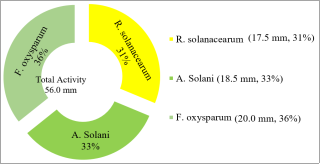
Figure 1. Distribution of Antimicrobial Activity Terminalia arjuna Bark Extract.
3.2. Antimicrobial Activity Against Solanaceous Pathogens
The present investigation clearly demonstrated that
Terminalia arjuna bark extracts possess broad-spectrum antimicrobial activity against all tested fungal pathogens of Solanaceous crops. The acetone extract exhibited the highest antifungal activity, followed by the methanol extract. Significant zones of inhibition ranging from 17.5 mm to 20.0 mm were recorded against major fungal pathogens. The maximum inhibition zone of 20.0 mm was observed against
Alternaria solani, while 19.5 mm inhibition was recorded against
Fusarium oxysporum | [8] | Daoowd, Wedad Salih. “In Vitro Antifungal Activity of Extracts of Anastatica Hierochuntica”. Kufa Journal for Veterinary Medical Sciences, vol. 4, no. 1, June 2013, pp. 142-8, https://doi.org/10.36326/kjvs/2013/v4i13916 |
[8]
.
Table 1. Antifungal activity of different solvent extracts of Terminalia arjuna bark.
Pathogen | Acetone Extract (mm) | Methanol Extract (mm) | Ethyl Acetate Extract (mm) | Aqueous Extract (mm) |
Alternaria solani | 20.0 | 18.5 | 15.2 | 11.4 |
Fusarium oxysporum | 19.5 | 17.8 | 14.6 | 10.2 |
Rhizoctonia solani | 18.0 | 16.5 | 13.8 | 9.5 |
Pythium spp. | 17.5 | 15.9 | 12.7 | 8.8 |
The higher activity observed in acetone and methanol fractions confirms that the active antimicrobial principles are predominantly polar phytochemicals. Comparatively lower activity observed in aqueous extract may be attributed to poor solubility and extraction efficiency of certain secondary metabolites.
3.3. Minimum Inhibitor Concentration (MIC)
The Minimum Inhibitory Concentration (MIC) of different solvent fractions of Terminalia arjuna bark extract was determined using the broth dilution method.
The acetone fraction recorded the lowest MIC values, ranging from 0.16 to 0.32 mg/mL, indicating the highest antimicrobial potency. Methanol fraction recorded MIC values ranging between 0.32 and 0.64 mg/mL. Comparatively higher MIC values were observed in ethyl acetate and aqueous fractions.
Table 2. Minimum inhibitory concentration of Terminalia arjuna bark extracts.
Solvent Fraction | MIC Range (mg/mL) |
Acetone fraction | 0.16–0.32 |
Methanol fraction | 0.32–0.64 |
Ethyl acetate fraction | 0.64–1.28 |
Aqueous fraction | 1.28–2.56 |
Lower MIC values clearly indicate the strong fungitoxic potential of acetone and methanol fractions against solanaceous pathogens.
3.4. Effect of Different Concentrations on Mycelial Growth Inhibition
The efficacy of Terminalia arjuna bark extract was evaluated at six different concentrations, viz., 5%, 10%, 20%, 30%, 40%, and 50% against important fungal pathogens. The bark extract significantly inhibited the mycelial growth of all pathogens with an increase in concentration. At lower concentrations, moderate inhibition was observed, whereas higher concentrations resulted in severe suppression of fungal growth.
At 5% concentration, Alternaria solani recorded 64.71% inhibition, followed by Fusarium oxysporum with 60.00% inhibition. Comparatively lower inhibition was recorded in Sclerotium rolfsii (7.41%). At 10% concentration, a significant increase in inhibition was observed with Alternaria solani, showing 76.47% inhibition and Fusarium oxysporum recording 66.67% inhibition. At 20% concentration, maximum inhibition of 88.24% was recorded in Alternaria solani, whereas Fusarium oxysporum exhibited 75.00% inhibition. Further increases in concentration to 30% and 40% resulted in remarkable suppression of fungal growth. At 40% concentration, complete inhibition of Alternaria solani was observed. Interestingly, at 50% concentration, complete inhibition (100%) of both Alternaria solani and Fusarium oxysporum was recorded.
Table 3. Percentage inhibition of fungal mycelial growth at different bark extract concentrations.
Concentration (%) | Alternaria solani | Fusarium oxysporum | Rhizoctonia solani | Pythium spp. | Sclerotium rolfsii |
5 | 64.71 | 60.00 | 30.00 | 30.77 | 7.41 |
10 | 76.47 | 66.67 | 50.00 | 50.00 | 44.44 |
20 | 88.24 | 75.00 | 60.00 | 71.15 | 62.96 |
30 | 94.12 | 83.33 | 76.00 | 76.92 | 72.22 |
40 | 100.00 | 90.00 | 84.00 | 80.77 | 81.48 |
50 | 100.00 | 100.00 | 92.00 | 88.46 | 88.89 |
The findings indicate a concentration-dependent increase in antifungal activity of Terminalia arjuna bark extract.
3.5. Comparative Efficacy with Botanical and Synthetic Fungicides
The antifungal efficacy of Terminalia arjuna bark extract was compared with selected botanical formulations and synthetic fungicides.
Table 4. Comparative efficacy against Alternaria solani.
Treatment | Zone of Inhibition (mm) | Efficacy Rating |
Mancozeb | 28.5 | Very High |
T. arjuna bark extract | 23.6 | High |
Terminalia chebula extract | 26.0 | High |
Garlic extract | 22.0 | High |
Neem oil | 14.5 | Moderate |
Control | 0.0 | None |
The results indicated that Terminalia arjuna bark extract exhibited highly competitive antifungal efficacy against major fungal pathogens and performed better than several commonly used botanical formulations.
4. Discussion
4.1. Antifungal Potential of Terminalia arjuna Bark Extract
The present investigation clearly established the significant antimicrobial activity of Terminalia arjuna bark extract against major fungal pathogens affecting Solanaceous crops. The observed antifungal activity may be attributed to the synergistic effect of tannins, flavonoids, phenolics, triterpenoids, and saponins present in the bark.
Hydrolysable tannins are known to precipitate fungal proteins and interfere with membrane permeability, thereby inhibiting fungal growth and spore germination. Flavonoids may disrupt electron transport systems and oxidative metabolism within fungal cells, while triterpenoids are known to affect fungal membrane integrity.
| [11] | Dinesh Jagtap, Jalindar Ambhore, Sejal Dapse and Vipul Patel. To study the antimicrobial and antioxidant potential of Terminalia arjuna leaves and bark extracts. International Journal of Pharmacy and Pharmaceutical Science 2. 2024, Vol. 6, Issue 2, Part-B, 110-115. https://www.doi.org/10.33545/26647222.2024.v6.i2b.131 |
[11]
.
The higher activity observed in acetone and methanol extracts confirms that polar solvents are more effective in extracting antimicrobial phytochemicals from T. arjuna bark.
4.2. Concentration-Dependent Inhibition of Fungal Growth
The present study demonstrated a clear concentration-dependent increase in mycelial growth inhibition. Lower concentrations exhibited moderate suppression, whereas higher concentrations resulted in substantial inhibition of fungal growth. At 50% concentration, complete inhibition of
Alternaria solani and
Fusarium oxysporum was recorded, indicating strong fungicidal potential. This suggests that
T. arjuna bark extract can effectively interfere with fungal metabolism, enzymatic activity, and mycelial development
| [12] | Pinki, et al. “Pathogenicity and Integrated Management of Colletotrichum Capsici [Syd. (Butler and Bisby)] Causing Anthracnose of Betelvine (Piper Betle L.)”. Journal of Scientific Research and Reports, vol. 32, no. 5, Apr. 2026, pp. 1-11,
https://doi.org/10.9734/jsrr/2026/v32i54150 |
[12]
.
The present findings are in agreement with earlier reports on medicinal plant extracts exhibiting concentration-dependent antifungal activity against phytopathogens.
4.3. Comparative Performance with Botanical and Chemical Fungicides
Although synthetic fungicide Mancozeb exhibited maximum inhibition,
Terminalia arjuna bark extract demonstrated comparatively high efficacy with considerably lower environmental risk
| [13] | Pintos, B., Martín-Calvarro, L., Piñón, D., Esteban, A., Tello, M. L., Pérez-Urria, E., & Gómez-Garay, A. (2018). Antifungal effects of phenolic extract from industrial residues of Aloe vera. Spanish Journal of Agricultural Research, 16(4), e1010.
https://doi.org/10.5424/sjar/2018164-12480 |
| [15] | ST Virkar, SV Kolase, SB Latake, VS Shinde, SA Raut, PG Adgaonkar and SJ Deshmukh. In vitro efficacy of systemic fungicides, bioagents and phytoextracts against Colletotrichum truncatum infecting soybean crop. Int. J. Agric. Food Sci. 2025; 7(11): 562-566.
https://doi.org/10.33545/2664844X.2025.v7.i11h.1004 |
[13,15]
.
Among botanical formulations,
T. arjuna bark extract showed superior performance over neem oil and garlic extract against most tested pathogens. The high efficacy may be due to higher concentration of tannins and phenolic compounds present in the bark
| [14] | Basiru Abdulkadir, Maryam Muhammad, Kutama A. S, & Mohammed Isah Auyo. (2025). In-vitro integrated management of alternaria porri affecting Allium cepa (onion). Dutse Journal of Pure and Applied Sciences, 11(3a), 290–298.
https://doi.org/10.4314/dujopas.v11i3a.25 |
| [15] | ST Virkar, SV Kolase, SB Latake, VS Shinde, SA Raut, PG Adgaonkar and SJ Deshmukh. In vitro efficacy of systemic fungicides, bioagents and phytoextracts against Colletotrichum truncatum infecting soybean crop. Int. J. Agric. Food Sci. 2025; 7(11): 562-566.
https://doi.org/10.33545/2664844X.2025.v7.i11h.1004 |
[14, 15]
.
The ability of T. arjuna bark extract to inhibit both airborne and soil-borne pathogens highlights its broad-spectrum antimicrobial potential.
5. Conclusions
The current study showed that Terminalia arjuna bark extracts have strong antifungal efficacy against major solanaceous infections. The enhanced activity observed in acetone and methanol fractions suggests that polar phytochemicals such as tannins, flavonoids, and phenolic compounds play a major role in pathogen inhibition. Hydrolysable tannins present in T. arjuna are known to interfere with fungal cell wall integrity, membrane permeability, and enzymatic activity. Flavonoids and triterpenoids may further contribute to oxidative stress within fungal cells, leading to growth inhibition. The progressive increase in fungal growth inhibition with increasing extract concentration confirms dose-dependent antimicrobial activity. Complete inhibition of Alternaria solani and Fusarium oxysporum at higher concentrations indicates strong fungitoxic potential. The present findings are in agreement with earlier studies reporting antimicrobial properties of medicinal plant extracts against phytopathogens. However, the current study specifically highlights the superior activity of Terminalia arjuna bark extract against economically important Solanaceous pathogens. Compared to synthetic fungicides, the crude bark extract exhibited comparatively high antifungal efficacy with lower environmental impact. The use of plant-based fungicides may therefore reduce chemical residue accumulation and delay the development of resistant pathogen strains. Economic analysis further indicated that crude bark extract preparation is relatively inexpensive and suitable for small and marginal farmers. Since the raw material is abundantly available in tasar-growing regions, the technology may be adopted for sustainable agricultural disease management.
The study strongly supports the integration of Terminalia arjuna bark-based formulations into eco-friendly Integrated Pest Management programmes.
Abbreviations
PDA | Potato Dextrose Agar |
MIC | Minimum Inhibitory Concentration |
IPM | Integrated Pest Management |
DMSO | Dimethyl Sulfoxide |
CFU | Colony Forming Unit |
BTSSO | Basic Tasar Silkworm Seed Organisation |
CLSI | Clinical and Laboratory Standards Institute |
Acknowledgments
The Basic Tasar Silkworm Seed Organization (BTSSO) in Bilaspur, Chhattisgarh, and the Central Silk Board, Ministry of Textiles, Government of India, are thanked by the authors for their cooperation and facilities during the study.
Author Contributions
Kamalendu Patra: Conceptualization, Investigation, Methodology, Data Collection, Writing – Original Draft
Vishaka G. V.: Supervision, Data curation, Validation, Project administration, Writing – review & editing
Swastik Behera: Formal Analysis, Visualization, Resources, Funding acquisition
Funding
The work is not supported by any external funding.
Data Availability Statement
The data that underpins the findings of this research has been presented in this manuscript.
Conflicts of Interest
The authors declare no conflicts of interest.
References
| [1] |
H. B. P. Sandani, H. L. D. Weerahewa. Wilt diseases of tomato (Lycopersicum esculentum) and chilli (Capsium annum) and their management strategies: Emphasis on the strategies employed in Sri Lanka: A review. Sri Lankan Journal of Biology. Year: 2018. Volume: 3 Issue: 2. Page/Article: 24-43,
https://doi.org/10.4038/sljb.v3i2.24
|
| [2] |
Udit Narain, Alka Kushwaha, Rajendra Prasad, Ved Ratan. Symptomatology and Etiology of Alternariose in Root, Fruits, and Leafy Vegetables. 1st Edition, 2020. Pages 27.
https://doi.org/10.1201/9780429322181-25
|
| [3] |
Hafsa Tahir, Muhammad Nadeem Akhtar, Ashok Kumar Bishoyi, Gaurav Sanghvi, Musarrat Rasheed, Muhammad Afzaal, Ali Imran, Farhan Saeed, Neeraj Khare, Faiyaz Ahmed, Oshin Sahni, Huda Ateeq, Fakhar Islam, Abdela Befa Kinki. Nutritional Composition, Phytochemical Profile, Extraction Methods of Bioactive Components, and Health Benefits of Terminalia Arjuna Bark. Volume 6, Issue 2. 2025.
https://doi.org/10.1002/efd2.70038
|
| [4] |
Gaikwad, Dinanath, and Namdeo Jadhav. “A REVIEW ON BIOGENIC PROPERTIES OF STEM BARK OF TERMINALIA ARJUNA: AN UPDATE”. Asian Journal of Pharmaceutical and Clinical Research, vol. 11, no. 8, Aug. 2018, pp. 35-39,
https://doi.org/10.22159/ajpcr.2018.v11i8.26384
|
| [5] |
Anshuman Rai, Anamika Gautam, Sakshi Panchal, Ankita Sood, Pankaj Prashar, Narendra Kumar Pandey, Indu Melkani, Bimlesh Kumar. Protective effect of ethanolic extract of Terminalia arjuna bark against ethylene glycol induced urolithiasis in male rats: In-vitro and In-Vivo evaluation. RESEARCH JOURNAL OF PHARMACY AND TECHNOLOGY. Year: 2020, Volume: 13, Issue: 12.
https://doi.org/10.5958/0974-360x.2020.01070.7
|
| [6] |
Nerkar, Amit Gajanan, Dumbre, Rahul K., Badar, Shubhangi. "Ethnopharmacological review of arjuna." Curr Trends Pharm Pharm Chem, vol. 5, no. 1, 2023, pp. 21-25.
https://doi.org/10.18231/j.ctppc.2023.005
|
| [7] |
Rupak K. Swain, Satya N. Tripathy, Rabinarayan Rana, Sujit K. Patro, Satyajeet Behera. A Study on Phytochemical and Pharmacological activity of Terminalia arjuna: A Review. Research Journal of Pharmacognosy and Phytochemistry. 2023; 15(2): 111-7.
https://doi.org/10.52711/0975-4385.2023.00017
|
| [8] |
Daoowd, Wedad Salih. “In Vitro Antifungal Activity of Extracts of Anastatica Hierochuntica”. Kufa Journal for Veterinary Medical Sciences, vol. 4, no. 1, June 2013, pp. 142-8,
https://doi.org/10.36326/kjvs/2013/v4i13916
|
| [9] |
Pandey, A. K., & Mandal, A. K. (2012). Sustainable Harvesting of Terminalia arjuna (Roxb.) Wight & Arnot (Arjuna) and Litsea glutinosa (Lour.) Robinson (Maida) Bark in Central India. Journal of Sustainable Forestry, 31(3), 294–309.
https://doi.org/10.1080/10549811.2011.583865
|
| [10] |
Mahabaleshwara K, Chandrasekhar N, Govindappa M (2016) Phytochemical Investigations of Methanol Leaf Extracts of Randia spinosa Using Column Chromatography, HPTLC and GC-MS. Nat Prod Chem Res 4: 202.
https://doi.org/10.4172/2329-6836.1000202
|
| [11] |
Dinesh Jagtap, Jalindar Ambhore, Sejal Dapse and Vipul Patel. To study the antimicrobial and antioxidant potential of Terminalia arjuna leaves and bark extracts. International Journal of Pharmacy and Pharmaceutical Science 2. 2024, Vol. 6, Issue 2, Part-B, 110-115.
https://www.doi.org/10.33545/26647222.2024.v6.i2b.131
|
| [12] |
Pinki, et al. “Pathogenicity and Integrated Management of Colletotrichum Capsici [Syd. (Butler and Bisby)] Causing Anthracnose of Betelvine (Piper Betle L.)”. Journal of Scientific Research and Reports, vol. 32, no. 5, Apr. 2026, pp. 1-11,
https://doi.org/10.9734/jsrr/2026/v32i54150
|
| [13] |
Pintos, B., Martín-Calvarro, L., Piñón, D., Esteban, A., Tello, M. L., Pérez-Urria, E., & Gómez-Garay, A. (2018). Antifungal effects of phenolic extract from industrial residues of Aloe vera. Spanish Journal of Agricultural Research, 16(4), e1010.
https://doi.org/10.5424/sjar/2018164-12480
|
| [14] |
Basiru Abdulkadir, Maryam Muhammad, Kutama A. S, & Mohammed Isah Auyo. (2025). In-vitro integrated management of alternaria porri affecting Allium cepa (onion). Dutse Journal of Pure and Applied Sciences, 11(3a), 290–298.
https://doi.org/10.4314/dujopas.v11i3a.25
|
| [15] |
ST Virkar, SV Kolase, SB Latake, VS Shinde, SA Raut, PG Adgaonkar and SJ Deshmukh. In vitro efficacy of systemic fungicides, bioagents and phytoextracts against Colletotrichum truncatum infecting soybean crop. Int. J. Agric. Food Sci. 2025; 7(11): 562-566.
https://doi.org/10.33545/2664844X.2025.v7.i11h.1004
|
Cite This Article
-
APA Style
Patra, K., V., V. G., Behera, S. (2026). Evaluating the Efficacy of Terminalia arjuna Bark Extract Against Solanaceous Pathogens. American Journal of Science, Engineering and Technology, 11(4), 323-329. https://doi.org/10.11648/j.ajset.20261104.20
 Copy
|
Copy
|
 Download
ACS Style
Patra, K.; V., V. G.; Behera, S. Evaluating the Efficacy of Terminalia arjuna Bark Extract Against Solanaceous Pathogens. Am. J. Sci. Eng. Technol. 2026, 11(4), 323-329. doi: 10.11648/j.ajset.20261104.20
Copy
|
Download
AMA Style
Patra K, V. VG, Behera S. Evaluating the Efficacy of Terminalia arjuna Bark Extract Against Solanaceous Pathogens. Am J Sci Eng Technol. 2026;11(4):323-329. doi: 10.11648/j.ajset.20261104.20
Copy
|
Download
-
@article{10.11648/j.ajset.20261104.20,
  author = {Kamalendu Patra and Vishaka G. V. and Swastik Behera},
  title = {Evaluating the Efficacy of Terminalia arjuna Bark Extract Against Solanaceous Pathogens},
  journal = {American Journal of Science, Engineering and Technology},
  volume = {11},
  number = {4},
  pages = {323-329},
  doi = {10.11648/j.ajset.20261104.20},
  url = {https://doi.org/10.11648/j.ajset.20261104.20},
  eprint = {https://article.sciencepublishinggroup.com/pdf/10.11648.j.ajset.20261104.20},
  abstract = {Global food security is largely dependent on the production of Solanaceous crops, namely tomatoes (Solanum lycopersicum), potatoes (Solanum tuberosum), and eggplants (Solanum melongena). However, these crops are still extremely susceptible to destructive phytopathogens. The antibacterial activity of Terminalia arjuna bark extracts was assessed in this study against a specific complex of pathogens, which included Gram-negative bacterial surrogates for Ralstonia solanacearum, Alternaria solani (early blight), and Fusarium oxysporum (vascular wilt). To separate the bioactive components, bark samples were treated to Soxhlet extraction employing a polarity gradient ranging from petroleum ether to water. Phytochemical profiling confirmed that polar acetonic and methanolic fractions were significantly enriched with triterpenoid saponins, hydrolyzable tannins, and flavonoids. In vitro evaluations using broth microdilution and agar well diffusion demonstrated a clear solvent-dependent effectiveness. Significantly, acetonic extracts showed better antifungal activity, producing zones of inhibition (ZOI) ranging from 17.5 to 20.0 mm. These results are statistically equivalent to those of traditional synthetic fungicides. The Minimum Inhibitory Concentration (MIC) values ranged from 0.16 to 2.56 mg/mL, indicating a high level of effectiveness. The discovered antibacterial action is mostly ascribed to the polar secondary metabolites' synergistic inhibition of fungal ergosterol production. The plant's protective chemicals are concentrated in its polar extracts, as evidenced by the non-polar fractions' little activity. These results establish Terminalia arjuna as a potent source of environmentally benign, resistance-breaking bio-compounds that provide a long-term substitute for Integrated Pest Management (IPM) in high-value Solanaceous agriculture.},
 year = {2026}
}
Copy
|
Download
-
TY  - JOUR
T1  - Evaluating the Efficacy of Terminalia arjuna Bark Extract Against Solanaceous Pathogens
AU  - Kamalendu Patra
AU  - Vishaka G. V.
AU  - Swastik Behera
Y1  - 2026/10/17
PY  - 2026
N1  - https://doi.org/10.11648/j.ajset.20261104.20
DO  - 10.11648/j.ajset.20261104.20
T2  - American Journal of Science, Engineering and Technology
JF  - American Journal of Science, Engineering and Technology
JO  - American Journal of Science, Engineering and Technology
SP  - 323
EP  - 329
PB  - Science Publishing Group
SN  - 2578-8353
UR  - https://doi.org/10.11648/j.ajset.20261104.20
AB  - Global food security is largely dependent on the production of Solanaceous crops, namely tomatoes (Solanum lycopersicum), potatoes (Solanum tuberosum), and eggplants (Solanum melongena). However, these crops are still extremely susceptible to destructive phytopathogens. The antibacterial activity of Terminalia arjuna bark extracts was assessed in this study against a specific complex of pathogens, which included Gram-negative bacterial surrogates for Ralstonia solanacearum, Alternaria solani (early blight), and Fusarium oxysporum (vascular wilt). To separate the bioactive components, bark samples were treated to Soxhlet extraction employing a polarity gradient ranging from petroleum ether to water. Phytochemical profiling confirmed that polar acetonic and methanolic fractions were significantly enriched with triterpenoid saponins, hydrolyzable tannins, and flavonoids. In vitro evaluations using broth microdilution and agar well diffusion demonstrated a clear solvent-dependent effectiveness. Significantly, acetonic extracts showed better antifungal activity, producing zones of inhibition (ZOI) ranging from 17.5 to 20.0 mm. These results are statistically equivalent to those of traditional synthetic fungicides. The Minimum Inhibitory Concentration (MIC) values ranged from 0.16 to 2.56 mg/mL, indicating a high level of effectiveness. The discovered antibacterial action is mostly ascribed to the polar secondary metabolites' synergistic inhibition of fungal ergosterol production. The plant's protective chemicals are concentrated in its polar extracts, as evidenced by the non-polar fractions' little activity. These results establish Terminalia arjuna as a potent source of environmentally benign, resistance-breaking bio-compounds that provide a long-term substitute for Integrated Pest Management (IPM) in high-value Solanaceous agriculture.
VL  - 11
IS  - 4
ER  -
Copy
|
Download








 Share This Article
 Twitter
 Linked In
 Facebook