Research Article | | Peer-Reviewed

Assessment of Biogas Production from Anaerobic Co-Digestion of Kitchen Waste and Cow Dung

Received: 3 September 2026     Accepted: 14 September 2026     Published: 27 September 2026
Views:       Downloads:
Abstract

Kitchen waste from commercial food-service establishments is a largely untapped renewable-energy resource in Nigeria, where roughly 43.5% of the population lacks access to grid electricity. This study evaluated the anaerobic-digestion potential of kitchen waste generated at a commercial restaurant in Oleh, Delta State, Nigeria, and the effect of co-digestion with cow dung on biogas yield and quality. Feedstocks were characterized for pH, moisture content, total solids, volatile solids, ash and carbon-to-nitrogen ratio, then batch-digested for 40 days in a completely randomized design with three treatments in triplicate: cow dung only, kitchen waste only, and a 50:50 mixture. Kitchen waste was acidic (pH 5.51–5.62), with 35.68–36.05% moisture, 61.25–61.64% volatile solids and a C/N ratio of 22:1, whereas cow dung was near-neutral (pH 6.05–6.18) with 80.95–81.32% volatile solids. Cumulative 40-day biogas yields were 169.4 L (4.24 L/day) for cow dung, 201.8 L (5.05 L/day) for kitchen waste and 243.6 L (6.09 L/day) for co-digestion. Co-digestion increased cumulative production by 20.71% over kitchen-waste mono-digestion, raised methane content from 62.1% to 67.2%, and increased calculated methane recovery from 125.32 L to 163.70 L (+30.63%), equivalent to 4.51 MJ and 5.89 MJ of cooking energy per batch at 36 MJ/m3. All treatments produced gas within the 50–70% methane band of healthy digestion and above the ~45% flammability threshold. Paired t-tests confirmed significant differences between the feedstocks for all measured parameters (α = 0.05). Co-digestion of commercial kitchen waste with cow dung offers a viable, low-cost, decentralized waste-to-energy option for food-service establishments, with the nutrient-rich digestate available as a soil amendment.

Published in American Journal of Science, Engineering and Technology (Volume 11, Issue 3)
DOI 10.11648/j.ajset.20261103.22
Page(s) 225-238
Creative Commons

This is an Open Access article, distributed under the terms of the Creative Commons Attribution 4.0 International License (http://creativecommons.org/licenses/by/4.0/), which permits unrestricted use, distribution and reproduction in any medium or format, provided the original work is properly cited.

Copyright

Copyright © The Author(s), 2026. Published by Science Publishing Group

Keywords

Biogas, Anaerobic Digestion, Kitchen Waste, Co-Digestion, Cow Dung, Waste-To-Energy

1. Introduction
The increasing generation of organic waste is one of the most important environmental and energy challenges confronting Nigeria today. Rapid population growth, urbanization, changing consumption patterns and the expansion of food-service establishments have combined to increase the quantities of food and kitchen waste generated daily in homes, restaurants, hotels, schools and commercial kitchens; when improperly managed, these wastes are disposed of in open spaces, drainage channels, refuse dumps or water bodies, creating serious environmental and public-health concerns. Yet their predominantly organic nature makes them a potentially valuable resource for renewable-energy production rather than a mere material requiring disposal .
The scale of the underlying energy deficit is well documented. A 2019 report of the National Population Commission indicated that about 43.5% of Nigerians have no access to grid electricity, with the deficit most severe in rural areas, while Nigeria simultaneously generates roughly 42 million tonnes of solid waste annually, about 60% of the total for sub-Saharan Africa of which approximately half is biodegradable. Proximate analyses of Nigerian municipal solid waste confirm a high organic content of 54.1% and a per-capita waste-generation rate of 0.49–0.57 kg/day, with modelled methane generation of 9.85 Gg/yr carrying an energy value of 15 MW/day in 2014, projected to rise to 33.4 MW/day by 2035 . At continental scale, the energy potential of all waste generated in Africa was estimated at 1,125 PJ in 2012, projected to reach 2,199 PJ by 2025, with potential electricity generation of 62.5 TWh in 2012 rising to 122.2 TWh in 2025 under full collection . Within Nigeria specifically, a state-level assessment of the waste-to-energy potential of municipal solid wastes via incineration estimated a total potential of about 3,053 MW (≈28,527 GWh per year), rising to 4,652 MW (≈40,753 GWh per year) in the higher-generation scenario , while an analysis of the organic fraction of municipal solid waste in the thirty-six state capitals and the Federal Capital Territory estimated about 4.7 million tonnes of OFMSW per year, from which anaerobic digestion could yield approximately 1.82 billion Nm3 of biogas annually . A case study of Ilorin metropolis likewise designed the power-generation capacity of a steam plant convertible from the available combustible waste fractions . Nationally, the incineration of 27.36 million tonnes of organic waste per year could generate between 14.52 and 23.08 TWh of electricity annually, rising to 18.69–29.71 TWh if paper and textiles are included .
The environmental consequences of diverting this material to open dumps are severe: uncontrolled dumping of organic waste causes odour nuisance, disease-vector breeding, blocked drainage systems and greenhouse-gas emissions, while kitchens simultaneously bear the rising cost and uncertain availability of conventional cooking fuels. The missed opportunity is equally large. Approximately 542.5 million tonnes of selected organic waste per annum in Nigeria could yield about 25.53 billion m3 of biogas, roughly 169,541.66 MWh of energy and 88.19 million tonnes of biofertilizer, worth about ₦4.54 trillion (US $29.29 billion), with the potential to displace kerosene and coal for domestic cooking and cut wood-fuel use by 66%. Similarly, anaerobic conversion of the country's annual 545 million tonnes of organic municipal waste could produce over 28 billion m3 of biogas, up to 173,458 MWh of electricity and more than 90 million tonnes of organic fertilizer, while the country's ~227,500 tonnes of daily fresh animal waste could generate about 6.8 million m3 of biogas every day. Capturing this gas would simultaneously address a climate liability and an energy deficit.
Anaerobic digestion is the technology best suited to deliver both outcomes from wet, biodegradable feedstocks. It is a combustible-gas process in which organic matter is decomposed in the absence of oxygen, producing biogas consisting primarily of methane, the energy-rich component, and carbon dioxide, with traces of hydrogen sulphide, ammonia, hydrogen, nitrogen and water vapour; the methane content usually ranges between 50% and 70%, depending on substrate, digestion conditions, retention time, pH, temperature and microbial activity. The technology is not novel, anaerobic digesters charged with animal manure and municipal organic waste have operated for decades, from the rural household plants of Asia and Latin America to the community-scale units of Africa. Treatment technologies for biowaste in low- and middle-income settings are well established, with reported methane yields for solid organic waste generally ranging from 0.36 to 0.53 m3/kg VS and kitchen-waste values of 381–494 mL CH4/g VS reported for well-operated systems. Process instrumentation and control strategies for anaerobic digestion have also matured considerably .
Kitchen waste, leftover cooked food, fruit and vegetable peels, spoiled food, grains, fats and other biodegradable residues is highly suitable for anaerobic digestion because of its high moisture content, high volatile-solids content and rich organic composition; it is a particularly energy-rich material whose calorific value allows methane-production efficiency to be increased several-fold, which in turn reduces reactor size and cost. However, its high protein and fat content can cause problems related to high concentrations of ammonia and volatile fatty acids, and its rapid hydrolysis of easily degradable carbohydrates makes it prone to acidification . Digestion processes with food waste as the sole substrate have often been found unstable, and co-digestion with manure is routinely recommended because it optimizes the C/N ratio, adds buffering alkalinity and dilutes inhibitory compounds . Pretreatment of food waste, particle-size reduction, thermal and chemical methods, has been proposed to overcome these bottlenecks, but even untreated food waste responds well to co-digestion .
(Source: )

Download: Download full-size image

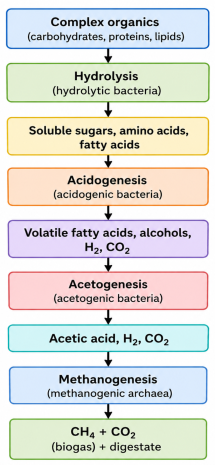
Figure 1. The four sequential stages of anaerobic digestion.
Co-digestion improves biogas production through a balanced supply of macro- and micronutrients, optimal moisture content, buffer capacity and the dilution of inhibitory or toxic compounds. For food waste and cattle manure specifically, anaerobic co-digestion at the optimum ratio of 2 enhanced methane production by 41.1% with a yield of 388 mL/g volatile solids . In mesophilic systems, co-digestion of food waste and cow manure yielded 26% more methane than the sum of the individual digestions, and reduced volatile fatty acid accumulation relative to food-waste-only digestion . Blending cattle manure with organic kitchen waste increased biogas yields by 24–47% over mono-digestion controls, with the highest yield obtained at 75% organic kitchen waste and 25% cattle manure . At the regional level, co-digestion of manure with food waste reduced intermediate accumulation and lifted methane content from 49% (food waste alone, 520 L biogas/kg VS) to 58% (504 L/kg VS for a 48% food waste + 52% manure mix) . Ratio and temperature optimization matter: in a full-factorial batch study, the highest biogas yield and biomethane potential were obtained at 75:25 food-waste: cow-dung and 55°C (7,151.67 ± 11.55 mL and 401.88 ± 1.98 mL CH4/g VS), while food-waste mono-digestion at 35°C gave the lowest (3,291.67 ± 81.45 mL; 328.28 ± 4.26 mL CH4/g VS) . Nigerian evidence confirms that co-digestion of cow dung and food waste outperforms mono-digestion: it produced the highest cumulative biogas (mean 2.149 bar vs 1.271 bar for food waste and 0.997 bar for cow dung), the highest methane content (71.2% vs 66.6% and 61.8%) and the highest calorific value (480 kcal/m3), with one-way ANOVA confirming significant differences (F = 10.824, p = 0.00016) . In Botswana trials, digesters with a higher proportion of food waste than cow dung produced larger gas volumes (18,756.6 NmL at 2:1 cow-dung: food-waste) , and multi-substrate trials ranked cumulative production in the order food waste + cow dung + piggery dung > food waste + piggery dung > food waste + cow dung > food waste alone .
(Source: )

Download: Download full-size image

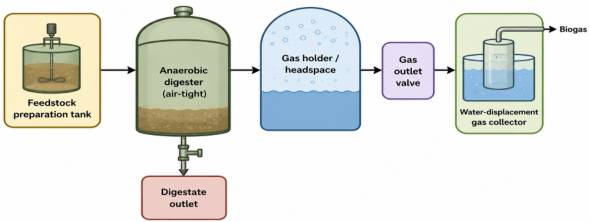
Figure 2. Schematic of a laboratory-scale batch biodigester with water-displacement gas collection.
Country-specific benchmarks are especially relevant, Longjan and Dehouche characterized nine common Nigerian food wastes, yam, cassava, cocoyam/taro, beans/cowpea, egusi/melon, groundnut, plantain, maize and pumpkin-leaf residues, and reported specific waste indices of 0.2–1.5, bio-methane potentials ranging from 35 to 460 m3 per tonne on a fresh-weight basis, methane contents of 51–58% of the produced biogas, and a national energy potential of 31 TWh per year, sufficient to meet the energy demand of 4.7 × 10⁷ Nigerian households . The same authors demonstrated experimentally that yam peel, cassava peel, cocoyam peel and plantain peel, the characteristic food wastes of the Niger Delta can serve as anaerobic-digestion feedstock, although co-digestion with water hyacinth reduced the biogas yield . In a 50 L fermentor, the mean flammable biogas yield of cassava peels (2.29 ± 0.97 L alone) rose to 4.88 ± 1.73, 5.55 ± 2.17 and 5.65 ± 2.62 L when blended with cow dung, poultry droppings and swine dung respectively, with flammable gas appearing from day 9 with cow dung against day 59 alone. Pilot-scale Nigerian demonstrations confirm the technology outside the laboratory: a 3.60 m3 household plastic biodigester charged with kitchen waste and cow dung delivered 0.601–0.505 m3/day with methane content of 65.65% (p < 0.05) at flaming, enough to sustain cooking three times a day for a household of 3–4 persons ; a 6 m3 fixed-dome pilot digesting cow dung and food waste produced gas containing 59.689% methane with a stable blue flame; and a 10 m3 family-size fixed-dome digester at Nsukka commenced flammable gas production on day 2, reached an optimum on day 7, and sustained cooking of three different foods daily for two weeks . Recent characterizations of Nigerian cereal, root/tuber and fruit/vegetable wastes estimate biomethane yields of 577.3 m3/kg VS (52.3% methane, Salim et al., 2025), 501 m3/tonne (52% methane, Salim et al., 2024) and 864.4 L/kg VS respectively.
A genuine knowledge gap nonetheless remains. Because kitchen-waste composition varies with menu, food-preparation methods, customer volume and waste-generation practices, findings from other locations cannot automatically be assumed to apply to a specific waste stream. Most published studies use mixed municipal waste or laboratory-prepared substrates rather than the waste of an individual commercial kitchen, and many report, only total gas volumes without methane analysis or full substrate characterization. The aim of this study was therefore to investigate the biogas production potential of the kitchen waste generated at Divine Mega Kitchen, a commercial food-service establishment in Oleh, Isoko South Local Government Area, Delta State, Nigeria, through controlled laboratory-scale anaerobic digestion. The specific objectives were to:
1) determine the quantity of biogas produced from anaerobic digestion of the kitchen waste under controlled experimental conditions;
2) determine the influence of selected operating parameters, particularly pH and temperature, on production;
3) assess the methane content of the produced biogas as an indication of its suitability as a renewable-energy source; and
4) establish the potential energy value of the biogas and its possible application in cooking and other appropriate uses.
The effect of co-digestion with cow dung, an abundant, locally available co-substrate, on both yield and methane quality was evaluated within the same experimental design.
2. Study Area
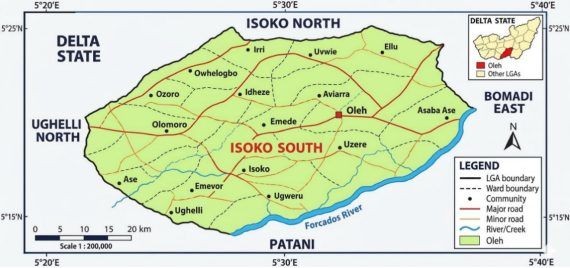
The study used kitchen waste generated at Divine Mega Kitchen, a food-service establishment in Oleh, the administrative headquarters of Isoko South Local Government Area, Delta State, Nigeria. Oleh is an important urban settlement and a commercial, educational and residential centre whose concentration of restaurants, eateries, food vendors, canteens, schools, markets and the Oleh campus of Delta State University generates continuous quantities of biodegradable waste; the town also hosts government establishments such as the Isoko South Local Government Secretariat and the PHCN office, alongside several private firms, and its inhabitants are engaged primarily in small-scale trading, farming and civil service.
Geographically, Oleh lies approximately between latitude 5°27′N and longitude 6°12′E. The town experiences a tropical rainforest climate characterized by a long rainy season from March to October and a short dry season from November to February, with an average annual temperature of about 27°C. This warm, humid climate places ambient temperatures at Oleh within the mesophilic range for much of the year, making unheated, low-cost batch digesters practicable without external energy input. Nigeria's official 2006 census population was 140,003,542 people; the town's continuing growth and its institutional food-service activity underpin the relevance of decentralized organic-waste-to-energy solutions of the kind examined here.
(Source: )

Download: Download full-size image

Figure 3. Map of Isoko South Local Government Area showing the Study Area (Oleh).
3. Materials and Methods
3.1. Feedstock Collection and Preparation
Kitchen waste was collected each morning from Divine Mega Kitchen, Oleh, over a period of three days to obtain a representative composite sample of the waste generated during normal kitchen activities, after obtaining management's permission. Sourcing the substrate from a single, consistently monitored establishment reduced inter-source variability and aided experimental reproducibility. The waste was collected in clean, labelled and appropriately sealed containers or polythene bags and transported immediately to the laboratory to minimize contamination, moisture loss and odour escape. Non-biodegradable materials (plastics, metals, glass, bone) were removed by sorting, and the waste was washed where necessary. The sorted biodegradable fraction, vegetable and fruit peels, rice and other cereal residues, yam, cassava and plantain residues, cooked-food leftovers and other food residues were shredded and chopped to about 1–2 cm particle size to increase the surface area available to microorganisms, and homogenized with a laboratory grinder. The prepared material was then mixed to obtain a representative composite sample, from which sub-samples were taken for physicochemical characterization. Fresh cow dung was collected from the local Oleh cattle market and abattoir on the day of digester charging, serving as both inoculum and co-substrate.
3.2. Experimental Design and Digester Set-up
The experiment employed a completely randomized design with three treatments in triplicate (nine digesters), selected to isolate the effect of the kitchen waste itself and to test the documented synergy of kitchen waste – cow dung co-digestion. The treatment structure is presented in Table 1. Each digester was loaded with a total feed mass of 20 kg of substrate (wet basis), diluted with water to achieve a slurry total-solids concentration in the range 10–15% recommended for kitchen-waste digestion , which is consistent with the documented optimum total-solids content of about 14.9% for kitchen waste . Digestion was carried out in gas-tight 25 L plastic drum biodigesters filled to about 75–80% of the drum volume, leaving headspace for gas accumulation.
Table 1. Experimental design and feedstock composition for anaerobic digestion treatments.

Treatment

Feedstock composition (wet mass basis)

Replicates

Target slurry TS

T1

100% kitchen waste

3

approx. 10–15%

T2

100% cow dung

3

approx. 10–15%

T3

50% kitchen waste + 50% cow dung

3

approx. 10–15%

The equal-mass 50:50 (w/w) mixture was chosen to test, at equal substrate contribution, the documented synergy between the two feedstocks: cow dung supplies a natural inoculum rich in methanogens and buffering alkalinity, while co-digestion balances nutrients, buffers pH and supplies a complementary microbial community. The equal-mass design enabled direct comparison of co-digestion against both mono-digestions within a single experiment. The measured characteristics of the two substrates were indeed complementary, kitchen waste at C/N 22:1 against cow dung at approximately 13:1, and the higher pH of cow dung (6.12 and 5.57 for kitchen waste) providing improved stability when combined.
3.3. Physicochemical Characterization
Representative samples of each feedstock were homogenized and analyzed in triplicate for moisture content, total solids, ash content, volatile solids, pH and carbon-to-nitrogen (C/N) ratio, since these properties influence biodegradability and biogas-producing potential .
Moisture content: A known mass of the homogenized fresh sample (Ww) was transferred to a previously weighed dish and dried in a laboratory oven at 105°C to constant mass (Wd), cooled in a desiccator and reweighed. The moisture content was calculated as:
MC (%) =Ww- WdWw×100(1)
Total solids: Total solids was determined from the dried residue obtained in the moisture-content analysis, following the standard procedures applied to kitchen waste :
TS (%) =WdWw×100(2)
Ash content: A known mass of the dried sample was placed in a pre-weighed crucible and ignited in a muffle furnace at 550°C until a constant ash mass (Ws) was obtained:
Ash (%) =WdWs× 100(3)
Volatile solids: Volatile solids was obtained as the weight lost on ignition, i.e. the organic fraction of the total solids:
VS (%) =W2 - W3W2×100(4)
where is the mass of the oven-dried sample (total solids) and the mass of the ash residue.
pH: was measured with a calibrated digital pH meter (calibrated with standard buffer solutions before measurement), and the C/N ratio was estimated from the organic carbon and Kjeldahl nitrogen contents of the sample. Characterization was performed on three sampling observations per feedstock (coded O1–O3), providing a measure of feedstock variability over the collection period.
3.4. Digestion Procedure and Gas Measurement
The biodigesters were tested for leakage before commencement; all connections were properly sealed and no significant gas escape occurred through joints or tubing. A measured quantity of the prepared slurry was loaded into each digester, the inlet securely closed, the gas outlet connected to the collection system, and initial pH and temperature recorded. The digesters were maintained under anaerobic conditions throughout the 40-day retention period at ambient mesophilic temperature, with the organic matter progressing through the four stages of anaerobic digestion: hydrolysis → acidogenesis → acetogenesis → methanogenesis.
Biogas volume was measured at predetermined intervals by water displacement, with the volume of displaced water taken as an approximation of the gas volume, subject to correction for temperature and atmospheric conditions where required. To prevent dissolution of CO2 into the displacement liquid, which would understate cumulative yields and shift the apparent gas composition, an acidified, salt-saturated barrier fluid (acidified to pH 2.0 ± 0.2, saturated with NaCl at approximately 350–360 g/L at 25°C) was used in the trough. The cumulative biogas volume was determined by summing the quantities measured during successive intervals:
Vc=∑i=1nV1(5)
where Vc is the cumulative biogas volume, Vi the volume measured during each interval and n the number of measurement intervals.
Temperature and pH were recorded at each gas-measurement interval; pH changes were used to assess process stability and detect acidification.
3.5. Determination of Methane Content
Methane content was determined with a gas analyzer operated according to the manufacturer's procedure:
CH4(%) =Volume of methaneTotal volume of biogas× 100(6)
and checked by the alkali-absorption (volumetric) method, in which carbon dioxide and hydrogen sulphide are absorbed in concentrated NaOH/KOH solution:
CH4(%) =Vi-V2V1× 100(7)
where is the measured gas volume and the residual volume after CO2/H2S absorption.
3.6. Quality Assurance and Control
Replication (three digesters per treatment; three characterization observations per feedstock) reduced random experimental variation. Leak testing preceded loading; instruments were calibrated before use; characterization was repeated across three sampling observations (O1–O3) to expose feedstock variability; and all raw readings were recorded in a laboratory data sheet alongside time, temperature and atmospheric notes.
3.7. Data Analysis
Descriptive statistics, mean, standard deviation, minimum and maximum values were computed for the characterization data, together with coefficients of variation, cumulative biogas production, specific biogas yield and percentage change for each treatment. Because the final characterization dataset consisted of one kitchen-waste and one cow-dung observation at each of the three paired sampling occasions (O1–O3), a conventional one-way ANOVA for independent groups could not be validly applied; a paired-samples t-test was used instead to compare the two feedstocks across paired observations, preserving the paired structure. Confidence intervals (95%) for the mean differences were constructed as using d̅ ± tα2,n-1. SEd, with standard errors recovered from the test statistics as SEd = d̅t. The pre-specified significance level was α = 0.05. Treatment-level gas-production differences were interpreted descriptively, since the 40-day dataset contained one aggregate value per treatment rather than independent replicate-reactor observations. The modified Gompertz model, the most widely used model for batch anaerobic digestion, which explicitly accounts for the lag phase before gas production begins:
Ht=P∙exp-expRmax∙ePλ-t+1(8)
where H(t) is cumulative production (mL/g VS) at time t (d), P the maximum production potential (mL/g VS), Rmax the maximum production rate (mL/g VS·d), λ the lag-phase duration (d) and e Euler's number was adopted as the reference kinetic framework, having outperformed the first-order model (R2 = 0.983–0.9984 and 0.9567–0.9889) in comparative fits of biochemical-methane-potential data.
4. Results and Discussion
4.1. Physicochemical Characteristics of the Feedstocks
The characterization results are summarized in Table 2. The kitchen waste was acidic (pH 5.51–5.62, mean 5.57 across the raw observations) with high moisture content (35.68–36.05%), total solids of 21.32–21.64%, volatile solids of 61.25–61.64%, ash of 13.62–13.91% and a C/N ratio of 22:1 across all three observations. Cow dung was near-neutral (pH 6.05–6.18) with lower moisture (17.52–17.74%), higher total solids (24.55–24.75%), markedly higher volatile solids (80.95–81.32%), lower ash (4.15–4.35%) and a C/N ratio of 12:1–13:1.
Table 2. Physicochemical characterization of kitchen waste and cow dung, observations O1–O3.

Parameter

KW range

CD range

pH

5.51–5.62

6.05–6.18

Moisture (%)

35.68–36.05

17.52–17.74

Total solids (%)

21.32–21.64

24.55–24.75

Volatile solids (%)

61.25–61.64

80.95–81.32

Ash (%)

13.62–13.91

4.15–4.35

C/N ratio

22:1 (all observations)

12:1–13:1

The kitchen waste's C/N ratio of 22:1 lies within the balanced 20:1–30:1 range for stable digestion, and the need for buffering is consistent with the substrate's intrinsic acidity . The higher volatile-solids fraction of cow dung indicates a substantial organic fraction, while its higher pH relative to the acidic kitchen waste suggests greater buffering potential characteristics that support its selection as a co-substrate. The consistently low variability across observations supports the representativeness of the composite samples.
4.2. Biogas Production
Cumulative biogas production over the 40-day batch digestion is presented in Table 3. All three treatments produced gas, confirming that both feedstocks are viable substrates. The co-digestion treatment produced the highest cumulative volume (243.6 L), followed by kitchen-waste mono-digestion (201.8 L) and cow-dung mono-digestion (169.4 L). Co-digestion therefore increased cumulative biogas production by 41.8 L, or 20.71%, relative to kitchen-waste mono-digestion, and by 74.2 L (43.80%) relative to cow-dung mono-digestion.
Table 3. Cumulative biogas yield after 40 days.

Treatment

Total biogas (L)

Mean daily yield (L/day)

CH4 (%)

CO2 (%)

Cow dung only

169.4

4.24

55.4

36.9

Kitchen waste only

201.8

5.05

62.1

29.5

Kitchen waste + cow dung

243.6

6.09

67.2

24.8

These results mirror a regional comparative dataset for the same feedstock combination (168.1 L and 200.5 L at 4.2 and 5.0 L/day for cow dung and kitchen waste respectively), and the co-digestion outcome is consistent with the broader finding that co-digestion of food waste with animal manure improves biogas production by balancing nutrients, buffering pH and supplying a complementary microbial community rather than by any single parameter. The direction of the improvement matches mechanistic evidence that co-digestion can improve process stability and kinetics relative to mono-digestion of food waste .
4.3. Methane Content and Methane Recovery
All three treatments produced methane contents within the 50–70% range typical of healthy digestion and above the ~45% flammability threshold, so the gas is directly usable for cooking after simple moisture and H2S removal. Co-digestion raised the methane fraction from 62.1% to 67.2%, an increase of 5.1 percentage points, or 8.21% in relative terms, while reducing CO2 from 29.5% to 24.8%. These values sit within and above the comparative regional dataset (56.1%, 61.4% and 66.3% for the three treatments) and above the 59.689% methane recorded in a 6 m3 fixed-dome pilot digesting cow dung and food waste. Applying the ideal gas equation, VSTP = Vmeas × (P/P0) × (T0/T) , and specific gas yield expressed per unit of volatile solids initially loaded, the equation, Yb = VbMs to the measured volumes, : where Vb is the cumulative biogas volume and VSi the initial volatile-solids mass (mL/g VS or m3/kg VS), allowing performance to be compared with previous studies . The calculated methane recovery was 125.32 L for kitchen-waste mono-digestion (201.8 × 0.621) and 163.70 L for co-digestion (243.6 × 0.672), an increase of 38.38 L, and 30.63%. The direction of this improvement mirrors published co-digestion results, in which methane content rose from 49% for food waste alone to 58% with manure addition, and methane yield from 255 to 292 L/kg VS .
4.4. Derived Gas Volumes and Energy Value
Table 4 presents the derived gas volumes and calculated energy content for each treatment, using the lower calorific value of pure methane of 36 MJ/m3 . The recovered methane from the co-digestion treatment corresponds to 0.16370 m3 × 36 ≈ 5.89 MJ, against 0.12532 m3 × 36 ≈ 4.51 MJ for kitchen-waste mono-digestion per 40-day laboratory batch, a direct indication of the cooking-energy value of the waste stream, and evidence that anaerobic digestion simultaneously provides waste reduction and energy recovery for commercial food-service establishments. For context, the lower heating value of typical biogas is 21–24 MJ/m3, and an economic viability threshold of about 30 m3 of biogas per tonne of waste has been suggested, below which digester capital costs are difficult to recover.
Table 4. Derived gas volumes and calculated energy content per 40-day batch.

Treatment

Biogas (L)

CH4 volume (L)

CO2 volume (L)

Balance — minor gases (L; %)

Energy from CH4

Cow dung only

169.4

93.85

62.51

13.04; 7.70

3.38

Kitchen waste only

201.8

125.32

59.53

16.95; 8.40

4.51

Kitchen waste + cow dung

243.6

163.70

60.41

19.49; 8.00

5.89

The balance column is the residual volume after methane and carbon dioxide, the fraction attributable to the minor constituents of biogas (hydrogen sulphide, hydrogen, nitrogen and water vapour). Should the biogas be upgraded to biomethane by water scrubbing, the most economic small-scale option , membrane separation or other upgrading routes its value in the emerging carbon-zero and hydrogen economy increases further .
4.5. Statistical Interpretation
The paired-samples t-tests (n = 3 paired observations, df = 2) comparing kitchen waste and cow dung across O1–O3 are summarized in Table 5. All five measured parameters differ significantly between the two feedstocks at α = 0.05, confirming that the substrates are statistically distinct in their physicochemical character rather than merely numerically different. The 95% confidence intervals of the mean differences, constructed with = 4.303, all exclude zero, corroborating the test decisions.
Table 5. Paired comparison of kitchen-waste and cow-dung characteristics (n = 3, df = 2, α = 0.05).

Parameter

Mean difference

t

p-value

95% CI

Decision

pH

0.547

7.881

0.015720

(0.248, 0.846)

Significant

Moisture (%)

−18.210

−113.151

0.000078

(−18.90, −17.52)

Significant

Total solids (%)

3.160

87.643

0.000130

(3.00, 3.32)

Significant

Volatile solids (%)

19.700

1706.070

<0.000001

(19.65, 19.75)

Significant

Ash (%)

−9.510

—

—

(−9.62, −9.40)

Significant

It must be emphasized that the 40-day gas-production dataset contained one aggregate value per treatment rather than independent replicate-reactor observations, so a definitive ANOVA or equivalent inferential comparison of treatment yields could not be validly performed; a numerical difference should not automatically be interpreted as statistically significant. Nevertheless, the practical treatment effect was substantial, co-digestion increased cumulative gas production by 41.8 L (20.71%) and calculated methane recovery by 38.38 L (30.63%), providing strong descriptive evidence of improved performance, while definitive inferential evidence would require at least three independent digesters per treatment.
4.6. Comparison with Previous Studies
Benchmarks results in comparison to established empirical studies, Table 6.
Table 6. Comparison of the present results with selected previous studies.

Study

System

Key quantitative outcome

Present study

40-day batch; KW, CD, co-digestion

CH4 55.4–67.2%; co-digestion +20.71% volume, +30.63% methane recovery

Thamilselvan et al., 2015

Floating-dome digester, kitchen waste

CH4 65%, CO2 35%, H2O 3.57%

52]

Eze & Agbo, 2010

10 m3 fixed dome, cow dung, Nsukka

Flammable day 2; optimum day 7; pH max 7.8; TS→36.9%, VS→49.2%; 2 weeks cooking

Nwankwo et al., 2017

3.60 m3 plastic digester, KW + CD

0.601–0.505 m3/day; CH4 65.65% (p < 0.05); cooks 3×/day

Akhator & Musa, 2022

6 m3 fixed dome, CD + FW, 100 kg/day

CH4 59.689%, CO2 32.734%, N2 7.547%

Mhlanga et al., 2023

FW:CD ratio × temperature

75:25 at 55°C: 7,151.67 mL; 401.88 mL CH4/g VS (p < 0.05)

Lawan et al., 2026

CD + FW co-digestion

2.149 bar mean; CH4 71.2% vs 66.6/61.8; 480 kcal/m3; F = 10.824, p = 0.00016

Aragaw et al., 2013

CD + kitchen waste, rumen-fluid inoculum

+24–47% yield; best at 75% kitchen waste + 25% cattle manure

Longjan & Dehouche, 2018

Nine Nigerian food wastes

Waste index 0.2–1.5; BMP 35–460 m3/t fresh; CH4 51–58%; 31 TWh/yr

Xiong et al., 2019

FW + cattle manure co-digestion

Ratio 2: +41.1% methane; 388 mL/g VS

Lanzini et al., 2017

FW vs FW + manure

CH4 49% → 58%; 255 → 292 L CH4/kg VS

The kitchen waste's ability to produce 201.8 L of biogas in 40 days with 62.1% methane is consistent with the national assessment that Nigerian food wastes possess substantial bio-methane potential , and extends the existing evidence by demonstrating gas production from a real commercial-kitchen waste stream of the Niger Delta. The improvement obtained through co-digestion is consistent with Nigerian findings on the feasibility of kitchen-waste/cow-dung digestion in pilot biodigesters and with the mechanism established in the literature: cow dung supplies methanogenic inoculum and alkalinity that buffer the acidic, rapidly acidifying kitchen waste . The equal-mass mixture delivered the highest yield of the experiment, 243.6 L of biogas (6.09 L/day) with 67.2% methane after 40 days, and the methane contents measured here (55.4–67.2%) sit within the healthy 50–70% band and above the flammability threshold for direct combustion.
The observed co-digestion advantage of +20.71% in cumulative volume falls within, though toward the lower end of, the 24–47% improvement reported for kitchen-waste/cattle-manure blending, a difference plausibly attributable to blend ratio, since the strongest published results concentrate around 75:25 kitchen-waste-dominated blends rather than the equal-mass mixture tested here . This interpretation is reinforced by the demonstration that food waste and cattle manure co-digestion at the optimum ratio of 2 increased methane production by 41.1% with a yield of 388 mL/g VS , and by the finding that mesophilic co-digestion yielded 26% more methane than the sum of the individual digestions . Process stability is supported by the feedstock chemistry: the co-substrate's higher pH (6.12) and buffering capacity counter the acidic kitchen waste (pH 5.57), while the complementary C/N ratios, 22:1 for kitchen waste and approximately 13:1 for cow dung, provide a balanced nutrient environment for the microbial community . This pairing is exactly the mechanism by which co-digestion is understood to improve the process, a balanced supply of macro- and micronutrients, optimal moisture content, buffer capacity and the dilution of inhibitory or toxic compounds in contrast to food-waste mono-digestion, which is frequently unstable .
4.7. Kinetic Considerations
Because the supplied dataset did not contain a complete daily time-series of gas volumes, a daily biogas-production curve could not be reconstructed without inventing observations, and the supplied CO2 percentages should be treated as reported measurements rather than a complete gas balance . Kinetic modelling with the modified Gompertz model is therefore presented as an illustrative framework: with representative parameters P = 0.35 L/g VS, = 0.020 L/g VS·day and λ = 4 days, the model predicts H = 0.334 L/g VS. Fitting the actual P, and λ to the daily data by non-linear regression would permit estimation of the lag phase and maximum production rate, parameters that are informative for reactor design and scale-up . Comparable batch studies of food-waste/manure co-digestion have achieved excellent Gompertz fits (R2 = 0.99) with optimized feedstock ratios , and in a dry thermophilic semi-continuous system, volatile-solids reduction reached 87.01% with 170 m3 of biogas per tonne of sludge (69% methane), with 75% of the total energy requirement recoverable via biomethane production . Thermal pretreatment offers a further yield lever: pretreatment of food waste at 100°C for 30 min increased the methane yield to 382.82 mL CH4/g VS (+23.68%) and biodegradability from 83.2 ± 3% to 91.4 ± 4.1% , though such pretreatment adds capital and energy costs that co-digestion avoids.
4.8. Digestate Value and Practical Implications
Digestate, the residue remaining after digestion, contains nitrogen, phosphorus, potassium and organic matter and can serve as a biofertilizer or soil conditioner; its use returns nutrients to agricultural land and reduces dependence on chemical fertilizers, though it must be properly handled to avoid odour, pathogen risks and nutrient leaching . Digestion reduces solids by about 25% and raises ammonium-N by up to one-quarter, improving immediate nutrient availability; the digestate is rich in N, P and K and, when well operated, free of seeds, pathogens and odours. A recent meta-analysis places the nitrogen fertilizer replacement value of anaerobic digestate at 0.779 ± 0.126, confirming that digestate can substitute a large share of mineral nitrogen fertilizer , although compositional variability and adoption barriers remain challenges for bio-based fertilizers . An illustrative economic benchmark from low-income settings is instructive: households in the Peruvian Andes using low-cost tubular digesters covered about 60% of their cooking-fuel needs, cut firewood use by 50–60% and raised family incomes by 3–5.5% , and comparable household digester programmes have been reviewed across Latin America and sub-Saharan Africa . Micro-scale urban digestion is also feasible: a London case study processed 4,574 kg of food waste into 1,008 m3 of biogas at 60.6% methane , and full-scale source-segregated food-waste digestion in the UK has been characterized in detail by mass and energy balance , including the energetic and environmental benefits of co-digestion with cattle slurry and life-cycle assessments of energy-from-waste technologies .
4.9. Limitations
Several limitations should be borne in mind when interpreting these results. (i) the single aggregate gas value per treatment precludes treatment-level inferential statistics, so the co-digestion advantage is documented descriptively rather than with formal hypothesis tests. (ii) the absence of a complete daily time-series of gas volumes prevented reconstruction of the full production curve and estimation of the lag phase and maximum production rate. (iii) pH and temperature trends during digestion were monitored for process control but the response of yield to these operating parameters is addressed descriptively rather than quantitatively. (iv) feedstock characterization rests on three paired observations, which limits precision even though the differences detected were large relative to their standard errors. Finally, variations in mixing, heat transfer, loading rates, minor gas leaks and atmospheric pressure fluctuations prevent small-batch data from translating accurately to commercial-scale digesters.
5. Conclusion
This study investigated biogas production from kitchen waste generated at Divine Mega Kitchen, Oleh, Delta State, through feedstock collection and preparation, physicochemical characterization, 40-day batch anaerobic digestion, gas measurement and statistical interpretation. The principal findings are as follows:
The kitchen waste proved suitable for anaerobic digestion: it was acidic (pH 5.51–5.62; mean 5.57) with moisture content of 35.68–36.05%, total solids of 21.32–21.64%, volatile solids of 61.25–61.64%, ash of 13.62–13.91% and a balanced C/N ratio of 22:1, while cow dung (pH 6.12, volatile solids 81.15%, C/N ≈ 13:1) demonstrated complementary, buffering, inoculum-rich characteristics. All three treatments produced biogas, with cumulative 40-day yields of 169.4 L (4.24 L/day) for cow dung, 201.8 L (5.05 L/day) for kitchen waste and 243.6 L (6.09 L/day) for co-digestion. Co-digestion produced the highest cumulative volume, increased production by 41.8 L (20.71%) relative to kitchen-waste mono-digestion, raised the reported methane content from 62.1% to 67.2%, and increased calculated methane recovery from 125.32 L to 163.70 L (+30.63%), equivalent to 5.89 MJ of cooking energy per batch at a methane heating value of 36 MJ/m3. All treatments yielded gas within the 50–70% methane band considered typical of healthy digestion and above the ~45% flammability threshold, indicating direct suitability for cooking and similar thermal applications after simple moisture and hydrogen-sulphide removal. The available physicochemical observations supported significant paired differences between kitchen waste and cow dung for pH, moisture content, total solids, volatile solids and ash (all at α = 0.05); the digestion dataset was, however, insufficient for definitive treatment-level inferential statistics.
Altogether, the results confirm that the anaerobic digestion of commercial kitchen waste, particularly when co-digested with cow dung offers a viable, low-cost, decentralized waste-to-energy option for food-service establishments in the Niger Delta, converting a disposal liability into cooking energy while yielding a nutrient-rich digestate available as a soil amendment. To strengthen future work:
1) co-digestion ratios should be optimized experimentally around the 75:25 food-waste-dominated blends identified in the wider literature ;
2) at least three independent digesters per treatment should be used to enable legitimate inferential analysis;
3) daily gas-production time-series should be recorded to support kinetic modelling with the modified Gompertz model;
4) results should be reported per kg of volatile solids to permit cross-study comparison ; and (v) digestate quality should be characterized before agricultural application .
Abbreviations

OFMSW

Organic Fraction of Municipal Solid Waste

BMP

Biomethane Potential

VSTP

Gas Volume at Standard Temperature and Pressure

Vmeas

Measured (raw) Biogas Volume

Yb

Specific Biogas Yield per Unit of Volatile Solids

Vc

Cumulative Biogas Volume

Vi

Biogas Volume Measured During Interval i

VSi

Initial Volatile-solids Mass

Ww

Wet (fresh) Sample Mass

Wd

Oven-dried Sample Mass

Ws

Ash (Residue After Ignition) Mass

P

Maximum Biogas Production Potential (Modified Gompertz Model)

H(t)

Cumulative Production at Time t (Modified Gompertz Model)

λ

Lag-phase Duration (Modified Gompertz Model)

P0, T0

Standard Pressure and Standard Temperature (Ideal Gas Correction)

Author Contributions
John Ebipuakebina Agori: Conceptualization, Formal Analysis, Methodology, Project administration, Writing – review & editing
Lucky Osiwime Umukoro: Investigation, Software
Jeff Oba: Supervision, Visualization
Solomon Ugwa Okoroafor: Formal Analysis, Validation
Ezekiel Obayehagweme: Data curation, Investigation
Enifome Anthony Eseha: Data curation, Validation
Moses Ogheneruemu Utoyo: Resources, Writing – original draft
Conflicts of Interest
The authors declare no conflicts of interest.
References
[1] Agori, J. E., Iwemah, E. R., Etuke, J. O., & Umukoro, L. O. (2023). Utilization of digestate from anaerobic co-digestion of water hyacinth and poultry waste as a sustainable source of organic fertilizer. World Journal of Advanced Engineering Technology and Sciences, 10(2), 74–81.
[2] Agori, J. E., Iwemah, E. R., Oba, J., & Eseha, E. A. (2023). Purification of biogas and bottling for its effective utilization. Advance Journal of Science, Engineering and Technology, 8, 1–17.
[3] Ahmed, S. F., Mofijur, M., Tarannum, K., Chowdhury, A. T., Rafa, N., Nuzhat, S., Kumar, P. S., Vo, D. N., Lichtfouse, É., & Mahlia, T. M. I. (2021). Biogas upgrading, economy and utilization: a review. Environmental Chemistry Letters, 19(6), 4137–4164.
[4] Ajaero, C. C., Okafor, C. C., Otunomo, F. A., Nduji, N. N., & Adedapo, J. A. (2023). Energy production potential of organic fraction of municipal solid waste (OFMSW) and its implications for Nigeria. Clean Technologies and Recycling, 3(1), 44–65.
[5] Angelidaki, İ., Treu, L., Tsapekos, P., Luo, G., Campanaro, S., Wenzel, H., & Kougias, P. (2018). Biogas upgrading and utilization: Current status and perspectives. Biotechnology Advances, 36(2), 452–466.
[6] Aragaw, T., Mebeaselassie, argie, & Gessesse, A. (2013). Co-digestion of cattle manure with organic kitchen waste to increase biogas production using rumen fluid as inoculums. International Journal of the Physical Sciences, 8(11), 443–450.
[7] Banks, C. J., Chesshire, M., & Stringfellow, A. (2008). A pilot-scale comparison of mesophilic and thermophilic digestion of source segregated domestic food waste. Water Science & Technology, 58(7), 1475–1481.
[8] Banks, C. J., Chesshire, M., Heaven, S., & Arnold, R. (2010). Anaerobic digestion of source-segregated domestic food waste: Performance assessment by mass and energy balance. Bioresource Technology, 102(2), 612–620.
[9] Banks, C. J., Salter, A. M., Heaven, S., & Riley, K. (2011). Energetic and environmental benefits of co-digestion of food waste and cattle slurry: A preliminary assessment. Resources Conservation and Recycling, 56(1), 71–79.
[10] Chen, X., Vinh‐Thang, H., Ramírez, A. A., Rodrigue, D., & Kaliaguine, S. (2015). Membrane gas separation technologies for biogas upgrading. RSC Advances, 5(31), 24399–24448.
[11] Eze, J. I., & Agbo, K. E. (2010). Studies on the microbial spectrum in anaerobic biomethannization of cow dung in 10 m3 fixed dome biogas digester. International Journal of the Physical Sciences, 5(9), 1331–1337.
[12] Farghali, M., Osman, A. I., Umetsu, K., & Rooney, D. W. (2022). Integration of biogas systems into a carbon zero and hydrogen economy: a review. Environmental Chemistry Letters, 20(5), 2853–2927.
[13] Feng, L., Aryal, N., Li, Y., Horn, S. J., & Ward, A. J. (2023). Developing a biogas centralised circular bioeconomy using agricultural residues - Challenges and opportunities. The Science of The Total Environment, 868, 161656.
[14] Garfí, M., Ferrer‐Martí, L., García, E. V., & Ferrer, I. (2011). Evaluating benefits of low-cost household digesters for rural Andean communities. QRU Quaderns de Recerca En Urbanisme, 16(1), 575–581.
[15] Garfí, M., Martí-Herrero, J., Garwood, A., & Ferrer, I. (2016). Household anaerobic digesters for biogas production in Latin America: A review. Renewable and Sustainable Energy Reviews, 60, 599–614.
[16] Gbadeyan, O. J., Muthivhi, J., Linganiso, L. Z., Deenadayalu, N., & Alabi, O. O. (2024). Biogas production and techno‐economic feasibility studies of setting up household biogas technology in Africa: A critical review. Energy Science & Engineering, 12(10), 4788–4806.
[17] Gnaoui, Y. E., Karouach, F., Bakraoui, M., Barz, M., & Bari, H. E. (2020). Mesophilic anaerobic digestion of food waste: Effect of thermal pretreatment on improvement of anaerobic digestion process. Energy Reports, 6, 417–422.
[18] Ibikunle, R. A., Titiladunayo, I. F., Akinnuli, B. O., Dahunsi, S. O., & Olayanju, T. M. A. (2019). Estimation of power generation from municipal solid wastes: A case Study of Ilorin metropolis, Nigeria. Energy Reports, 5, 126–135.
[19] Jimenez, J., Latrille, É., Harmand, J., Robles, Á., Ferrer, J., Gaida, D., Wolf, C., Mairet, F., Bernard, O., Alcaraz‐González, V., Méndez‐Acosta, H. O., Zitomer, D., Totzke, D., Spanjers, H., Jacobi, F., Guwy, A. J., Dinsdale, R. M., Premier, G. C., Mazhegrane, S., … Steyer, J.-P. (2015). Instrumentation and control of anaerobic digestion processes: a review and some research challenges. Reviews in Environmental Science and Bio/Technology, 14(4), 615–648.
[20] Karthikeyan, O. P., Trably, É., Mehariya, S., Bernet, N., Wong, J. W. C., & Carrère, H. (2017). Pretreatment of food waste for methane and hydrogen recovery: A review. HAL (Le Centre Pour La Communication Scientifique Directe), 249, 1025–1039.
[21] Lanzini, A., Madi, H., Chiodo, V., Papurello, D., Maisano, S., Santarelli, M., & herle, J. V. (2017). Dealing with fuel contaminants in biogas-fed solid oxide fuel cell (SOFC) and molten carbonate fuel cell (MCFC) plants: Degradation of catalytic and electro-catalytic active surfaces and related gas purification methods. Progress in Energy and Combustion Science, 61, 150–188.
[22] Lawal, I. M., Ndagi, A., Mohammed, A., Saleh, Y., Shuaibu, A. S., Hassan, I., Abubakar, S., Soja, U. B., & Jagaba, A. H. (2023). Proximate analysis of waste-to-energy potential of municipal solid waste for sustainable renewable energy generation. Ain Shams Engineering Journal, 15(1), 102357.
[23] Lawan, I. M., Adeleye, A. O., Gana, S., Amoo, A. O., Adeleye, O., Asaju, C. I., & Yerima, M. B. (2026). Anaerobic Co-digestion of Cow Dung and Food Waste for Enhanced Biogas Production and Digestate Valorization as a Soil Amendment. Journal of Agriculture Sustainability and Environment, 5(1), 66–80.
[24] Longjan, G. G., & Dehouche, Z. (2017). Biogas production potential of co-digested food waste and water hyacinth common to the Niger Delta. Brunel University Research Archive (BURA) (Brunel University London), 11(3), 277–287.
[25] Longjan, G. G., & Dehouche, Z. (2018). Nutrient characterisation and bioenergy potential of common Nigerian food wastes. Waste Management & Research. The Journal for a Sustainable Circular Economy, 36(5), 426–435.
[26] Mhlanga, P., Marenya, M. O., Tavengwa, N. T., & Tinarwo, D. (2023). Anaerobic co-digestion of canteen food waste and cow dung. Energy Sources Part A Recovery Utilization and Environmental Effects, 45(4), 11341–11348.
[27] Mohammadianroshanfekr, M., Pazoki, M., Pejman, M. B., Ghasemzadeh, R., & Pazoki, A. (2024). Kinetic modeling and optimization of biogas production from food waste and cow manure co-digestion. Results in Engineering, 24, 103477.
[28] Möller, K., & Müller, T. (2012). Effects of anaerobic digestion on digestate nutrient availability and crop growth: A review. Engineering in Life Sciences, 12(3), 242–257.
[29] Naik, A. & Bhuimbar S. (2019). Biogas Production from Kitchen Waste. International Journal for Research in Applied Science and Engineering Technology, 7(4), 3163–3167.
[30] Nasrin, T., Saha, C. K., Nandi, R., Huda, Md. S., & Alam, Md. M. (2021). Kinetic study and optimization of total solids for anaerobic digestion of kitchen waste: Bangladesh perspective. Water Science & Technology, 84(5), 1136–1145.
[31] Negri, C., Ricci, M., Zilio, M., D’Imporzano, G., Qiao, W., Dong‬, R., & Adani, F. (2020). Anaerobic digestion of food waste for bio-energy production in China and Southeast Asia: A review. Renewable and Sustainable Energy Reviews, 133, 110138.
[32] Nguyen, D. D., Chang, S. W., Jeong, S. Y., Jeung, J.-H., Kim, S.-S., Guo, W., & Ngo, H. H. (2016). Dry thermophilic semi-continuous anaerobic digestion of food waste: Performance evaluation, modified Gompertz model analysis, and energy balance. Energy Conversion and Management, 128, 203–210.
[33] Nguyen, L. T., Kumar, J. P., Vu, M. T., Mohammed, J. A. H., Pathak, N., Commault, A. S., Sutherland, D. L., Zdarta, J., Tyagi, V. K., & Nghiem, L. D. (2020). Biomethane production from anaerobic co-digestion at wastewater treatment plants: A critical review on development and innovations in biogas upgrading techniques. The Science of The Total Environment, 765, 142753.
[34] Nwankwo, C. S., Eze, J. I., & Okoyeuzu, C. F. (2017). Design and fabrication of 3.60 m3 household plastic bio digester loaded with kitchen waste and cow dung for biogas generation. Scientific Research and Essays, 12(14), 130–141.
[35] Oladejo, O. S., Dahunsi, S. O., Adesulu-Dahunsi, A. T., Ojo, S. O., Lawal, A. I., Idowu, E. O., Olanipekun, A. A., Ibikunle, R. A., Osueke, C. O., Ajayi, O. E., Osueke, N., & Evbuomwan, I. O. (2020). Energy generation from anaerobic co-digestion of food waste, cow dung and piggery dung. Landmark University Repository (Landmark University), 313, 123694.
[36] Pax, M. E., Muzenda, E., & Lekgoba, T. (2020). Effect of co-digestion of food waste and cow dung on biogas yield. E3S Web of Conferences, 181, 1005.
[37] Salas, M. Á., Sica, P., Rydgård, M., Sitzmann, T. J., Nyangáu, J. O., Mahdi, J. E., Moshkin, E., Silva, H. L. de C. e, Chrysanthopoulos, S., Kopp, C., Wali, K. C., Zireeni, Y., Ural-Janssen, A., Hassan, S. E. H., Kebalo, L. F., Chadwick, D. R., & Jensen, L. S. (2024). Current challenges on the widespread adoption of new bio-based fertilizers: insights to move forward toward more circular food systems. Frontiers in Sustainable Food Systems, 8.
[38] Salim, A. A., Ahmed, A., Hassan, A. W., Abdulkadir, J., Abdullahi, R., Ityonum, B. I., & Bashir, A. (2024). Nutrient Characterization, Biogas and Electricity Generation Potentials Of Root And Tuber Wastes. FUDMA Journal of Sciences, 7(6), 228–233.
[39] Salim, A. A., Ahmed, A., Hassan, A. W., Racheal, H. M., Abiram, D. D., Salisu, U. K., Albert, R. E., & Babangida, B. A. (2025). Unlocking Sustainable Energy: Nutritional Profiling and Biomethane Potential of Cereal Food Waste for Sustainable Energy Recovery. UMYU Scientifica, 4(2), 193–199.
[40] Salim, A. A., Isma’il, M., Zubairu, S. M., Ahmed, A., Hassan, A. W., Ityonum, B. I., & Dayyabu, F. (2023). Exploring The Suitability of Fruit and Vegetable Wastes For Biomethane And Electricity Generation. FUDMA Journal of Sciences, 7(6), 328–332.
[41] Scarlat, N., Motola, V., Dallemand, J.-F., Monforti-Ferrario, F., & Mofor, L. (2015). Evaluation of energy potential of Municipal Solid Waste from African urban areas. Renewable and Sustainable Energy Reviews, 50, 1269–1286.
[42] Smit, M., Vonk, W. J., & Hijbeek, R. (2025). A variable residue: Meta-analysis on the nitrogen fertilizer replacement value of anaerobic digestate. European Journal of Agronomy, 172, 127845.
[43] Somorin, T., Adesola, S., & Kolawole, A. (2017). State-level assessment of the waste-to-energy potential (via incineration) of municipal solid wastes in Nigeria. Journal of Cleaner Production, 164, 804–815.
[44] Tagliaferri, C., Evangelisti, S., Clift, R., Lettieri, P., Chapman, C., & Taylor, R. (2016). Life cycle assessment of conventional and advanced two-stage energy-from-waste technologies for methane production. Journal of Cleaner Production, 129, 144–158.
[45] Tolessa, A. (2024). Current Status and Future Prospects of Small-Scale Household Biodigesters in Sub-Saharan Africa. Journal of Energy, 2024, 1–19.
[46] Umar, Y., Yakubu, R. O., Abdulazeez, A. A., & Ijeoma, M. W. (2024). Exploring Nigeria’s waste-to-energy potential: A sustainable solution for electricity generation. Clean Energy, 8(6), 82–95.
[47] Walker, M., Theaker, H., Yaman, R., Poggio, D., Nimmo, W., Bywater, A., Blanch, G. P., & Pourkashanian, M. (2017). Assessment of micro-scale anaerobic digestion for management of urban organic waste: A case study in London, UK. ePrints Soton (University of Southampton), 61, 258–268.
[48] Xiong, X., Yu, I. K. M., Tsang, D. C. W., Bolan, N., Ok, Y. S., Igalavithana, A. D., Kirkham, M. B., Kim, K., & Vikrant, K. (2019). Value-added chemicals from food supply chain wastes: State-of-the-art review and future prospects. Chemical Engineering Journal, 375, 121983.
[49] Zamanzadeh, M., Hagen, L. H., Svensson, K., Linjordet, R., & Horn, S. J. (2017). Biogas production from food waste via co-digestion and digestion- effects on performance and microbial ecology. Scientific Reports, 7(1), 17664.
[50] Delta State Ministry of Lands and Surveys. (2024). Map of Isoko South Local Government Area, Delta State, Nigeria [Map]. Government of Delta State, Nigeria.
[51] Lohri, C. R., Diener, S., Zabaleta, I., Mertenat, A., & Zurbrügg, C. (2017). Treatment technologies for urban solid biowaste to create value products: A review with focus on low- and middle-income settings. Reviews in Environmental Science and Bio/Technology, 16, 81–130.
[52] Thamilselvan, D., Arulkumar, K., & Kannan, M. (2015). Investigation of biogas production using organic kitchen wastes through anaerobic digestion. Applied Mechanics and Materials, 787, 97–101.
[53] Akhator, P., & Musa, B. E. (2022). Anaerobic co-digestion of food waste and cow dung in a pilot fixed-dome bio-digester for biogas production. International Journal of Engineering Science and Application.
Cite This Article
  • APA Style

    Agori, J. E., Umukoro, L. O., Oba, J., Okoroafor, S. U., Obayehagweme, E., et al. (2026). Assessment of Biogas Production from Anaerobic Co-Digestion of Kitchen Waste and Cow Dung. American Journal of Science, Engineering and Technology, 11(3), 225-238. https://doi.org/10.11648/j.ajset.20261103.22

    Copy | Download

    ACS Style

    Agori, J. E.; Umukoro, L. O.; Oba, J.; Okoroafor, S. U.; Obayehagweme, E., et al. Assessment of Biogas Production from Anaerobic Co-Digestion of Kitchen Waste and Cow Dung. Am. J. Sci. Eng. Technol. 2026, 11(3), 225-238. doi: 10.11648/j.ajset.20261103.22

    Copy | Download

    AMA Style

    Agori JE, Umukoro LO, Oba J, Okoroafor SU, Obayehagweme E, et al. Assessment of Biogas Production from Anaerobic Co-Digestion of Kitchen Waste and Cow Dung. Am J Sci Eng Technol. 2026;11(3):225-238. doi: 10.11648/j.ajset.20261103.22

    Copy | Download

  • @article{10.11648/j.ajset.20261103.22,
      author = {John Ebipuakebina Agori and Lucky Osiwime Umukoro and Jeff Oba and Solomon Ugwa Okoroafor and Ezekiel Obayehagweme and Enifome Anthony Eseha and Moses Ogheneruemu Utoyo},
      title = {Assessment of Biogas Production from Anaerobic 
    Co-Digestion of Kitchen Waste and Cow Dung},
      journal = {American Journal of Science, Engineering and Technology},
      volume = {11},
      number = {3},
      pages = {225-238},
      doi = {10.11648/j.ajset.20261103.22},
      url = {https://doi.org/10.11648/j.ajset.20261103.22},
      eprint = {https://article.sciencepublishinggroup.com/pdf/10.11648.j.ajset.20261103.22},
      abstract = {Kitchen waste from commercial food-service establishments is a largely untapped renewable-energy resource in Nigeria, where roughly 43.5% of the population lacks access to grid electricity. This study evaluated the anaerobic-digestion potential of kitchen waste generated at a commercial restaurant in Oleh, Delta State, Nigeria, and the effect of co-digestion with cow dung on biogas yield and quality. Feedstocks were characterized for pH, moisture content, total solids, volatile solids, ash and carbon-to-nitrogen ratio, then batch-digested for 40 days in a completely randomized design with three treatments in triplicate: cow dung only, kitchen waste only, and a 50:50 mixture. Kitchen waste was acidic (pH 5.51–5.62), with 35.68–36.05% moisture, 61.25–61.64% volatile solids and a C/N ratio of 22:1, whereas cow dung was near-neutral (pH 6.05–6.18) with 80.95–81.32% volatile solids. Cumulative 40-day biogas yields were 169.4 L (4.24 L/day) for cow dung, 201.8 L (5.05 L/day) for kitchen waste and 243.6 L (6.09 L/day) for co-digestion. Co-digestion increased cumulative production by 20.71% over kitchen-waste mono-digestion, raised methane content from 62.1% to 67.2%, and increased calculated methane recovery from 125.32 L to 163.70 L (+30.63%), equivalent to 4.51 MJ and 5.89 MJ of cooking energy per batch at 36 MJ/m3. All treatments produced gas within the 50–70% methane band of healthy digestion and above the ~45% flammability threshold. Paired t-tests confirmed significant differences between the feedstocks for all measured parameters (α = 0.05). Co-digestion of commercial kitchen waste with cow dung offers a viable, low-cost, decentralized waste-to-energy option for food-service establishments, with the nutrient-rich digestate available as a soil amendment.},
     year = {2026}
    }
    

    Copy | Download

  • TY  - JOUR
    T1  - Assessment of Biogas Production from Anaerobic 
    Co-Digestion of Kitchen Waste and Cow Dung
    AU  - John Ebipuakebina Agori
    AU  - Lucky Osiwime Umukoro
    AU  - Jeff Oba
    AU  - Solomon Ugwa Okoroafor
    AU  - Ezekiel Obayehagweme
    AU  - Enifome Anthony Eseha
    AU  - Moses Ogheneruemu Utoyo
    Y1  - 2026/09/27
    PY  - 2026
    N1  - https://doi.org/10.11648/j.ajset.20261103.22
    DO  - 10.11648/j.ajset.20261103.22
    T2  - American Journal of Science, Engineering and Technology
    JF  - American Journal of Science, Engineering and Technology
    JO  - American Journal of Science, Engineering and Technology
    SP  - 225
    EP  - 238
    PB  - Science Publishing Group
    SN  - 2578-8353
    UR  - https://doi.org/10.11648/j.ajset.20261103.22
    AB  - Kitchen waste from commercial food-service establishments is a largely untapped renewable-energy resource in Nigeria, where roughly 43.5% of the population lacks access to grid electricity. This study evaluated the anaerobic-digestion potential of kitchen waste generated at a commercial restaurant in Oleh, Delta State, Nigeria, and the effect of co-digestion with cow dung on biogas yield and quality. Feedstocks were characterized for pH, moisture content, total solids, volatile solids, ash and carbon-to-nitrogen ratio, then batch-digested for 40 days in a completely randomized design with three treatments in triplicate: cow dung only, kitchen waste only, and a 50:50 mixture. Kitchen waste was acidic (pH 5.51–5.62), with 35.68–36.05% moisture, 61.25–61.64% volatile solids and a C/N ratio of 22:1, whereas cow dung was near-neutral (pH 6.05–6.18) with 80.95–81.32% volatile solids. Cumulative 40-day biogas yields were 169.4 L (4.24 L/day) for cow dung, 201.8 L (5.05 L/day) for kitchen waste and 243.6 L (6.09 L/day) for co-digestion. Co-digestion increased cumulative production by 20.71% over kitchen-waste mono-digestion, raised methane content from 62.1% to 67.2%, and increased calculated methane recovery from 125.32 L to 163.70 L (+30.63%), equivalent to 4.51 MJ and 5.89 MJ of cooking energy per batch at 36 MJ/m3. All treatments produced gas within the 50–70% methane band of healthy digestion and above the ~45% flammability threshold. Paired t-tests confirmed significant differences between the feedstocks for all measured parameters (α = 0.05). Co-digestion of commercial kitchen waste with cow dung offers a viable, low-cost, decentralized waste-to-energy option for food-service establishments, with the nutrient-rich digestate available as a soil amendment.
    VL  - 11
    IS  - 3
    ER  - 

    Copy | Download

Author Information
  • Abstract
  • Keywords
  • Document Sections

    1. 1. Introduction
    2. 2. Study Area
    3. 3. Materials and Methods
    4. 4. Results and Discussion
    5. 5. Conclusion
    Show Full Outline
  • Abbreviations
  • Author Contributions
  • Conflicts of Interest
  • References
  • Cite This Article
  • Author Information