Research Article | | Peer-Reviewed

Study of Iron, Zinc as Functional Components in Immunorestorative Food Mixtures in the Treatment and Prevention of Malnutrition in Cochabamba, Bolivia

Received: 9 September 2026     Accepted: 24 September 2026     Published: 6 November 2026
Views:       Downloads:
Abstract

Proper nutrition is essential for good health, requiring a balanced diet and adequate micronutrient intake to ensure the immune system functions efficiently. Micronutrient deficiency weakens immunity and increases susceptibility to infections, morbidity, and mortality. Understanding the therapeutic potential of vegetables—specifically regarding bioactive phytochemicals (often classified as functional foods) and their nutritional value—reveals beneficial health effects that can be either preventive or therapeutic; key functional components include minerals such as iron, zinc, fluoride, calcium, and copper. This project focuses specifically on the minerals iron (Fe) and zinc (Zn), which are indispensable for life and play vital roles in various biological processes necessary for the organism's proper functioning. The research is justified by the study titled "Study of iron and zinc as functional components in immune-restoring food mixtures as an alternative for the treatment and prevention of malnutrition in Cochabamba, Bolivia." Methodologically, the objectives included: selecting raw materials., formulating immune-restoring food mixtures for experimental and control diets; and biologically evaluating these mixtures using experimental animals (Wistar rats). Mineral analysis of the immune-restoring food mixtures, as well as analysis of the experimental animals' organs (liver, thymus) and femurs, was conducted using Flame Atomic Absorption Spectrophotometry (FAAS). Mineral analysis of the immune-restorative blends indicates good levels of iron, zinc, and calcium. The QCL blend stands out for its iron (8.58 mg) and calcium (142.45 mg) content, resulting from the combination of quinoa, cañahua, and powdered milk; the QAHH blend provides adequate zinc (4.89 mg) due to the inclusion of fava beans and beef liver; and the AAA blend—composed of amaranth, rice, oats, liver, and fava beans—shows iron and zinc levels similar to those of the other blends. In conclusion, the choice of ingredients directly influences the nutritional quality of the immune-restorative blends. Regarding mineral storage in the liver of experimental animals, the order was QCL > AAA > DP > QAHH for iron, and QAHH > AAA > QCL > DP for zinc; in the thymus, the order was AAA > QCL > QAHH > DP for iron, and QAHH > AAA > QCL > DP for zinc; and in the femur, the order was QCL > QAHH > AAA > DP for iron, and QCL > AAA > QAHH > DP for zinc. Overall, the results demonstrate effective storage of iron and zinc in the liver, thymus, and femur.

Published in International Journal of Nutrition and Food Sciences (Volume 15, Issue 6)
DOI 10.11648/j.ijnfs.20261506.11
Page(s) 309-323
Creative Commons

This is an Open Access article, distributed under the terms of the Creative Commons Attribution 4.0 International License (http://creativecommons.org/licenses/by/4.0/), which permits unrestricted use, distribution and reproduction in any medium or format, provided the original work is properly cited.

Copyright

Copyright © The Author(s), 2026. Published by Science Publishing Group

Keywords

Immunorestorative Food Mixtures, Functional Components, Andean Grains

1. Introduction
Currently, the nutritional status of children is a global priority, and numerous countries are implementing urgent strategies to combat undernutrition and malnutrition.
The main challenge is concentrated in rural areas, where childhood nutritional deficiencies are triggered by multifactorial conditions. These include gaps in education regarding the nutritional value and functional components of foods, the social environment, economic limitations, cultural practices, and limited access to food, all of which contribute to childhood nutritional deficiencies.
Linares (2025) states that childhood malnutrition in Latin America is a complex challenge driven by an interaction of social, economic, and health-related factors. Adequate nutrition fundamentally contributes to the fulfillment of the right of children to enjoy the highest attainable standard of physical and mental health. Beyond this, malnutrition in all its forms affects human development, with consequences for the social and economic progress of countries .
Carbajal (2013) states that a nutrient is essential for maintaining health; however, unlike other substances, it cannot be produced or synthesized within the body. Therefore, it must be provided in adequate quantity and quality through dietary foods to prevent certain diseases .
López and Suárez (2017) state that nutrients are substances that are normal components of the human body and foods, and their absence or reduction below a minimum threshold can lead to deficiency diseases .
Nutrients perform an essential function in life and the maintenance of health, as stated by López and Suárez (2023) .
According to Quispe (2013), food mixtures are prepared using different foods and have shown high consumer acceptability .
According to Rojas et al. (2010), there is currently considerably greater interest in the use of Andean grains for the development of nutritious food products .
de Ancos, Begoña, et al. (2016) mention that most plant-based products are considered functional foods because of their high content of bioactive compounds .
Maares and Haase (2020) state that zinc deficiency is highly prevalent, along with deficiencies of iron, vitamin A, iodine, and selenium .
Iron and zinc deficiencies play a major role as public health problems. Iron deficiency is the leading cause of anemia worldwide. On the other hand, zinc deficiency is associated with growth retardation and increased morbidity from diseases (Grandy et al., 2010) .
The objective of the present study was the “Study of Iron and Zinc as Functional Components in Immunorestorative Food Mixtures as an Alternative for the Treatment and Prevention of Malnutrition in Cochabamba, Bolivia.” The methodology included the selection of raw materials, processes for obtaining flours, formulation of the mixtures according to the nutritional requirements of the experimental animals, and their biological evaluation. The immunorestorative food mixtures were enriched with Andean grains, cereals, legumes, and animal protein, with the aim of obtaining adequate functional components to provide good nutritional value. In addition, iron, zinc, and calcium mineral analyses were performed on the immunorestorative food mixtures.
The mineral analyses of iron and zinc, considered functional components, were performed on the liver, thymus, and femur of the animals subjected to experimentation.
Undoubtedly, these studies on the functional components of immunorestorative food mixtures will contribute to promoting healthy nutrition, healthy eating habits, and good health among the population.
2. Methodology
The research work was carried out at the Center for Food and Natural Products (CAPN), within the Nutrition Area of the Faculty of Science and Technology (FCyT) at the Universidad Mayor de San Simón (UMSS), following the steps described below:
A methodological design was followed as a structured strategy based on the proposed objectives, comprising the following specific steps and procedures.
2.1. Raw Material Selection
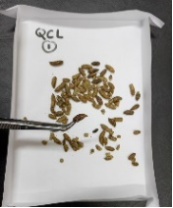
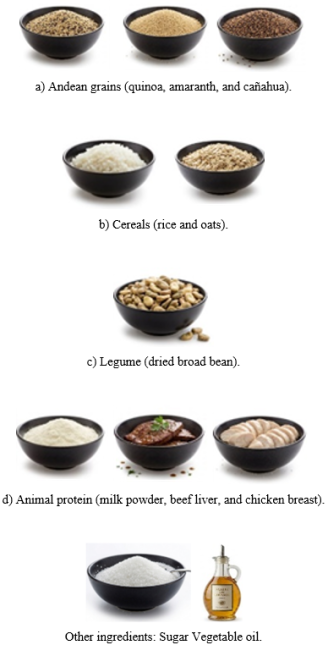
The selection and processing of the raw materials used to formulate the immunorestorative food mixtures were based on the following ingredients: a) Andean grains (quinoa, amaranth, and cañahua); b) cereals (rice and oats); c) legumes (dried broad beans); and d) animal protein sources (milk powder, beef liver, and chicken breast). These ingredients were selected based on their protein-energy nutritional value, functional components, accessibility, and low cost. Sugar and oil were added to adjust the energy content. The raw materials were obtained from local markets in the city of Cochabamba, Cercado (Figure 1).
Figure 1. The selection of the raw materials.
2.2. Transformation of Raw Materials into Flours for Immunorestorative Mixtures
It is based on modifying the physical structure of the ingredients and improving their digestibility, particularly through heat treatments and grinding.
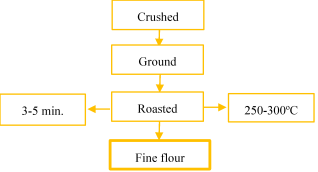
2.2.1. Obtaining of Flour from Andean Grains (Quinoa, Amaranth, and Cañahua)
Once the grains were selected and cleaned of impurities, they were individually crushed using an electric grain grinder to obtain toasted flours of quinoa, amaranth, and cañahua (Figure 2).
Figure 2. Flowchart of the process for obtaining flour from Andean grains (quinoa, cañahua, and amaranth) b) Production of cereal flour (oats and rice).
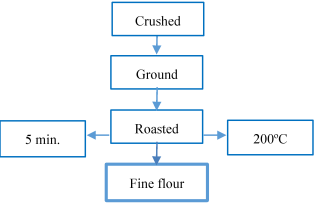
2.2.2. Obtaining of Cereal Flour (Oats and Rice)
The cereals, oats and rice, were individually selected and cleaned, followed by crushing, milling, and toasting at 200°C for 5 minutes, obtaining a fine flour (Figure 3).
Figure 3. Flowchart of the process for obtaining cereal flours (oats and rice).
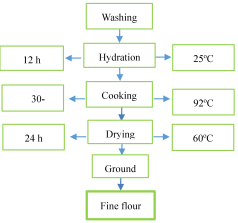
2.2.3. Obtaining of Legume Flour (Dried Broad Bean)
The dried broad beans were received, selected, cleaned, and washed, followed by soaking in water for 12 h at 25°C for hydration. The beans were then cooked at 92°C for 30-45 min, dried in an oven at 60°C for 24 h, and milled to obtain cooked legume flour (Figure 4).
Figure 4. Flowchart of the process for obtaining legume flour (broad bean).
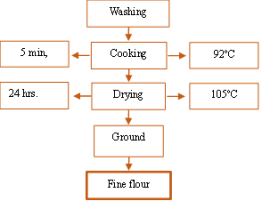
2.2.4. Obtaining Beef Liver and Chicken Breast Flour
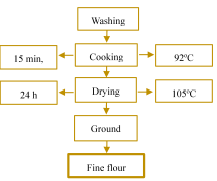
The beef liver and chicken breast were received, washed with water, cooked at 92°C for 5 min for the beef liver and 15 min for the chicken breast, dried in an oven at 105°C for 24 h, and milled to obtain cooked beef liver and chicken breast flours (Figure 5 and 6).
Figure 5. Flowchart of the process for obtaining beef liver flour.
Figure 6. Flowchart of the process for obtaining chicken breast flour.
2.2.5. Obtaining the Final Immunorestorative Food Mixtures.
The final immunorestorative food mixtures were prepared by mixing the different solid components (toasted flours of Andean grains, cereals, legumes, and foods of animal origin), together with oil and sugar as energy sources, according to their corresponding percentages. The components were homogenously mixed in a dry container to obtain the immunorestorative food mixtures.
2.3. Formulation of Immunorestorative Food Mixtures
The formulation of the immunorestorative food mixtures per 100 g of dry matter was based on quinoa, toasted cañahua, and milk powder, referred to as diet (QCL), with the addition of sugar. Diet (AAA) was formulated with amaranth, oats, and rice, together with chicken breast and beef liver, plus oil. Diet (QAHH) was composed of quinoa, oats, broad beans, and beef liver, plus oil. The reference standard diet (DP) was prepared using milk powder and cornstarch to supplement the energy content.
The immunorestorative food mixtures and the standard diet were adjusted to 14% protein and 380-420 kcal of energy, using the corresponding foods based on the Bolivian Food Composition Table (2005) , according to the nutritional requirements of the experimental animals and the objectives of the experimental design. This standardized method was established in the Nutrition Area of CAPN.
2.4. Biological Evaluation of the Immunorestorative Food Mixtures
The biological evaluation of the immunorestorative food mixtures was conducted based on the method described by Pellet and Young (1980), using changes in body weight of growing animals. Wistar rats with an average body weight of 60-65 g were used . The animals were maintained under optimal conditions of temperature (20-25°C), relative humidity (40-70%), and a 12 h light/12 h dark cycle (Fuentes et al., 2008) .
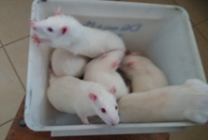
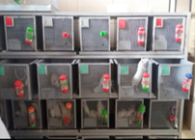
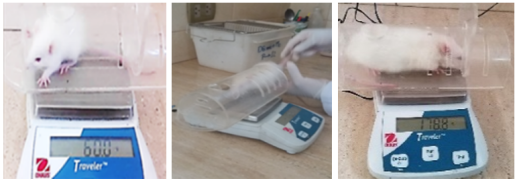
The experimental animals (Wistar rats) were randomly assigned to groups of six, according to a Completely Randomized Design (CRD). They were housed individually in cages with wire-mesh floors that allowed feces to fall through, with a tray underneath for fecal collection. Each cage was identified according to the corresponding experimental diet, and daily data were recorded in the Experimental Animal Facility Laboratory of the Nutrition Area of CAPN, FCyT, UMSS (Figures 7-11). It should be noted that the biological evaluation of the immunorestorative food mixtures was conducted to obtain the liver, thymus, and femur for subsequent analysis of iron and zinc minerals in each tissue.
Figure 7. Wistar strain rats.
Figure 8. Wire-mesh cage.
Figure 9. Daily body weight of animals.
Figure 10. Feces collection.
Figure 11. Data collection.
2.4.1. Biological Parameters
To obtain the biological parameters, body weight gain (BWG) was determined by weighing the animals daily. The amount of feed offered and refused was also recorded to determine feed intake by difference and to estimate the Protein Efficiency Ratio (PER). Feces were collected from the fifteenth day onward for fecal nitrogen analysis and calculation of apparent digestibility (%AD).
BWG = Final weight − Initial weight
PER = BWG (g) / g of protein consumed
%AD = (NI − FN) / NI × 100
NI = Nitrogen intake
FN = Fecal nitrogen
2.4.2. Dissection of Experimental Animals
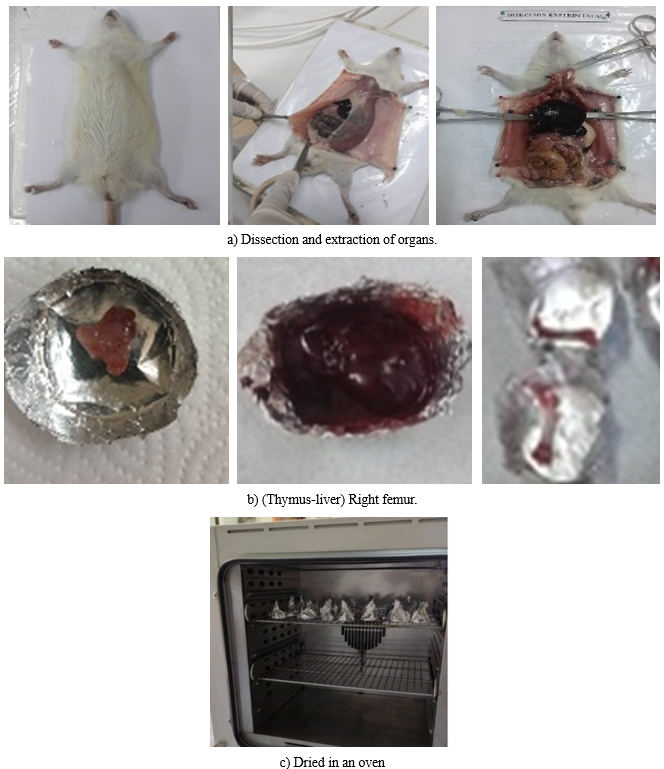
Once the experimental period of the biological evaluation was completed, the animals underwent a) dissection and b) extraction of the organs (liver and thymus) and right femur. The organs and femur were weighed and c) dried in a Binder oven at 105°C for 24 h, then milled and homogenized for mineral analysis, following the standardized method used in the Nutrition Area of CAPN (Figure 12). The procedures complied with regulations on the protection of animals used for experimental and other scientific purposes (Royal Decree, 2005) .
Figure 12. Dissection of experimental animals (liver-thymus) and femur, and drying.
2.5. Mineral Analysis of the Immunorestorative Food Mixtures Study
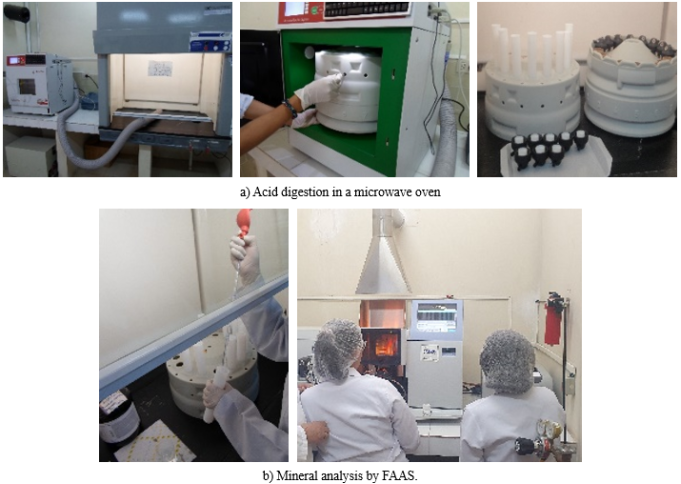
For the mineral analyses, a) acid digestion was first performed using HNO3 (65% nitric acid) and hydrogen peroxide (H2O2, 30%) in a MULTIWAVE 3000 microwave oven (ANTON PAAR). The corresponding dilutions were subsequently prepared, followed by b) mineral analysis and determination of iron and zinc using a Flame Atomic Absorption Spectrometer (FAAS) (PERKIN ELMER), according to the standardized method used in the Mineral Analysis Laboratory of the Nutrition Area of CAPN (Figure 13).
Figure 13. Mineral analysis
2.6. Dissemination and Training on the Importance of Minerals as Functional Components in Food Security
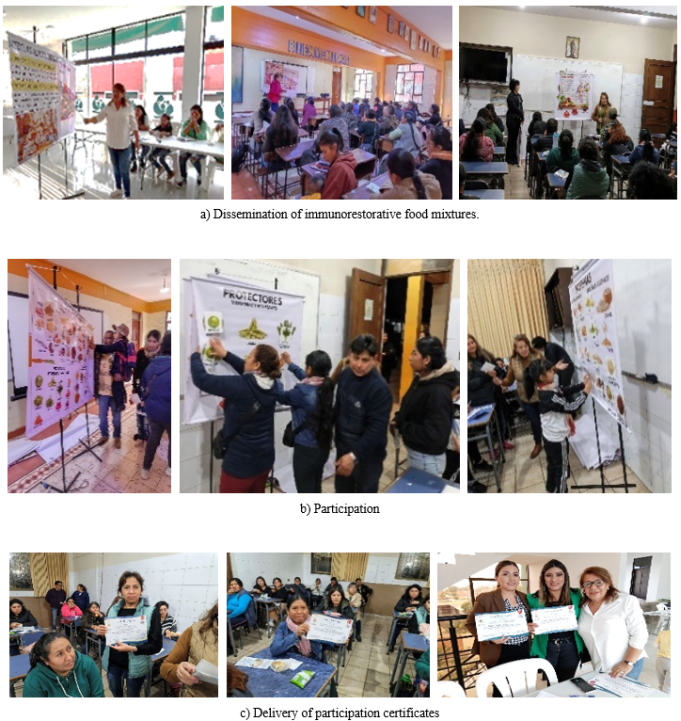
To disseminate the study on immunorestorative food mixtures, training workshops were conducted for women and mothers. The sessions focused on nutrition education and the use of these mixtures, supported by visual materials, banners, brochures, and educational handouts. All participants received a certificate of participation (Figure 14).
Figure 14. Dissemination, training, participation.
3. Results and Discussion
3.1. Results of the Selection of Raw Materials for Immunorestorative Food Mixtures
The raw materials selected based on their protein-energy nutritional content and functional components were: Andean grains (quinoa, amaranth, and cañahua), cereals (rice and oats), a legume (dried fava bean), and animal protein (milk powder, beef liver, and chicken breast), supplemented with sugar and oil to balance the energy content of each mixture and meet the energy requirements of the experimental animals.
3.2. Results of the Process for Producing Flours for Immune-restoring Food Blends
Based on appropriate unit operations—heat treatment, hydration, and milling—to modify the physical structure of the ingredients and improve digestibility, three flours were obtained: Andean grain flour, cereal flour, and legume flour.
3.3. Results of the Formulation of Immunorestorative Food Mixtures
The formulation results per 100 g of dry matter were: 14% protein and 380-420 kcal, based on research cited by Vargas et al. (2017) .
The immune-restoring food mixtures were: the QCL diet, based on quinoa, toasted cañahua, and powdered milk plus sugar (Table 1); the AAA diet, with amaranth, oats, and rice, chicken breast, and beef liver plus oil (Table 2); the QAHH diet, composed of quinoa, oats, dried fava beans, and beef liver plus oil (Table 3); and the Reference Diet (DP), prepared using powdered milk and cornstarch to supplement energy (Table 4).
Table 1. QCL diet immunorestorative food mixture per 100 g DM*.

Food

Amount (g)

Protein (g)

Energy (Kcal)

Quinoa

55

7,2

206,283

Cañahua

20

3,0

77,944

Milk powder

15

3,8

73,2

White sugar

10

0,0

38,7

Total%

100

14

396

Q = Quinoa C = Cañahua L = Milk powder + White sugar
Table 2. Immune-restoring food mixture (AAA diet) per 100 g DM*.

Food

Amount (g)

Protein (g)

Energy (Kcal)

Amaranth

25

3,4

91,7325

Rice

10

0,6

35,3

Oats

15

2,079

56,4

Chicken breast

20

4,7

49,2

Beef liver

15

3,15

26,1

Oil

15

0

132

Total

100

14

391

A=Amaranth, A=Rice, A=Oats, supplemented with chicken breast, beef liver, and oil.
Table 3. QAHH diet immune-restoring food mixture per 100 g DM*.

Food

Amount (g)

Protein (g)

Energy (Kcal)

Quinoa

50

6,6

187,53

Oats

20

2,8

75,2

Fava bean

10

2,3

37,4

Beef liver

10

2,10

17,4

Oil

10

0

88

Total

100

14

405

Q = Quinoa A = Oats H = Dried fava bean H = Beef liver
Table 4. Standard diet in 100 g/DM*.

Food

Amount (g)

Protein (g)

Energy (Kcal)

Milk`

54

13.05

256.00

Cornstarch

46

0.26

168.26

Total

100

14

424

Diet (DP) composed of powdered milk and cornstarch
3.4. Results of the Biological Evaluation of QCL, AAA, QAHH, and DP Diets Based on Immunorestorative Food Mixtures
The results of the biological evaluation are observed in the biological parameters of Weight Gain (WG), Real Protein Efficiency (RPE), and the percentage of apparent digestibility (%Da). (Table 5) presents these results, reflecting the collection of organs (liver and thymus) and femurs for the corresponding mineral analyses. The primary objective of the research was to analyze iron, zinc, and calcium levels in immune-restorative food blends, as well as iron and zinc levels in the organs (liver and thymus) and femurs.
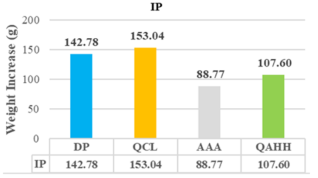
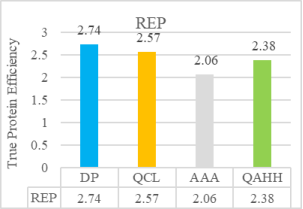
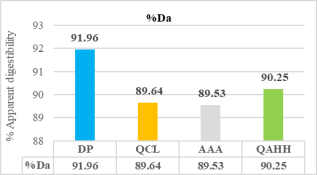
The results of the biological evaluation and the comparison of the results for each of the biological parameters (IP, REP, and %Da) of the experimental diets (Figures 15-17).
Table 5. Biological parameters (IP, REP, %Da) of immunorestorative food mixtures.

DssIETS

IP

REP

%Da

DP

142,78

2,74

91,96

QCL

153,04

2,57

89,64

AAA

88,77

2,06

89,53

QAHH

107,60

2,38

90,25

Figure 15. Comparison of the IP biological parameter of immuno-restorative food mixtures in QCL, AAA, QAHH, and DP diets.
(Figure 15) shows that the QCL diet resulted in 153.04 g, followed by the standard diet (DP) with 142.78 g; these values exceed those of the QAHH and AAA diets (107.60 g and 88.77 g, respectively). These results suggest that the QCL diet promoted a greater weight gain (IP) during the experimental period, whereas the AAA diet had the least effect on growth.
Figure 16. Comparison of the REP biological parameter of immune-restoring food mixtures in QCL, AAA, QAHH, and DP diets.
The DP diet showed the highest value (2.74), followed by QCL (2.57), QAHH (2.38), and AAA (2.06); a value of 2 for REP indicates an optimal level for this parameter. The DP diet exhibited the highest value, signifying that the protein was utilized with greater efficiency to achieve a superior REP; however, the QCL and AAA diets showed an REP similar to that of the DP diet (Figure 16).
Figure 17. Comparison of the biological parameter %Da of immuno-restorative food mixtures in QCL, AAA, QAHH, and DP diets.
The apparent digestibility percentage (%Da) was high across all treatments, with values ranging from 89.53% to 91.96%; the reference diet (DP) showed the highest value (91.96%), followed by QAHH (90.25%), QCL (89.64%), and AAA (89.53%) (Figure 17).
3.5. Results of Mineral analyses (Iron, Zinc, and Calcium) of Immune-restoring Food Mixtures
The iron (Fe), zinc (Zn), and calcium (Ca) results for the immune-restoring food mixtures QCL, AAA, QAHH, and the Standard Diet (DP) are presented in Table 6.
Table 6. Fe, Zn, and Ca results for the immune-restoring food mixtures QCL, AAA, and QAHH and the Standard Diet (DP).

Diet

Fe (mg)

Zn (mg)

Ca (mg)

QCL

8.58

4.89

142.45

AAA

7.01

3.84

44.16

QAHH

7.75

4.81

43.20

DP

0.48

1.65

494.09

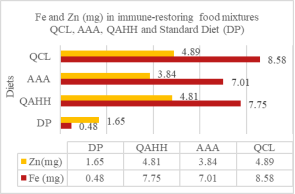
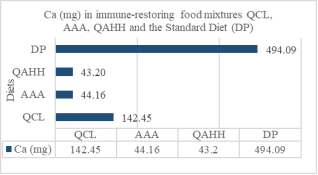
Table 6 and (Figures 18 and 19) regarding the immune-restoring food mixtures show that the mineral analysis results (iron, zinc) for the QCL, AAA, and QAHH diets surpass those of the DP. The QCL diet is observed to provide the highest levels of the functional components Fe, Zn, and Ca, followed by the QAHH diets (for Fe and Zn) and the AAA diet (with similar results for Fe and Zn); however, the DP reference diet stands out for its Ca content due to its powdered milk base. Overall, all three diets exceed the reference diet in their supply and content of Fe and Zn (it should be noted that the calcium analysis was performed only on the test diets).
Figure 18. Comparison of iron (Fe) and zinc (Zn) content in of immune-restoring food mixtures QCL, AAA, QAHH and the Standard Diet (DP).
Figure 19. Comparison of calcium (Ca) content in immune-restoring food mixtures QCL, AAA, QAHH and the Standard Diet (DP)
Regarding calcium results, DP outperforms the QCL, AAA, and QAHH diets because its formulation includes powdered milk.
3.6. Results of Mineral Analyses (Iron and Zinc) in the Organs of Experimental Animals Fed Immune-restorative Food Mixtures
3.6.1. Results of Mineral Analyses (Iron and Zinc) in the Livers of Experimental Animals Fed Immune-Restorative Food Mixtures
The results of the iron (Fe) and zinc (Zn) mineral analyses in the livers of the experimental animals—fed the Standard Diet (SD) and the diets containing the immune-restoring food mixtures QCL, AAA, and QAHH—are shown in (Table 7).
Table 7. Iron and zinc mineral content in liver (mg/100g).

Liver

Diet

Fe (mg/100g)

Zn (mg/100g)

DP

130,460

43,790

QCL

176,29

68,05

AAA

142,50

61,06

QAHH

113,94

67,72

3.6.2. Results of Mineral Analyses (Iron and Zinc) in the Thymus of Experimental Animals fed Immune-restoring Food Mixtures
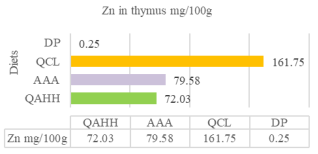
The results of the iron (Fe) and zinc (Zn) mineral analyses for the Standard Diet (SD) and the immuno-restorative food mixtures QCL, AAA, and QAHH are shown in (Table 8).
Table 8. Iron and zinc mineral content in thymus (mg/100g).

Thymus

Diet

Fe (mg/100g)

Zn (mg/100g)

DP

105,39

0,25

QCL

166,04

161,75

AAA

185,44

79,58

QAHH

129,50

72,03

3.6.3. Results of Mineral Analyses (Iron and Zinc) in the Right Femur of Experimental Animals fed Immune-restorative Food Mixtures
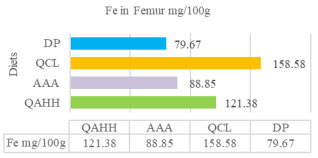
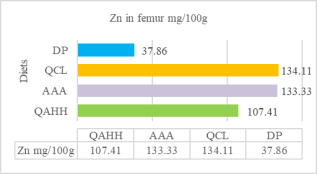
The results of the iron (Fe) and zinc (Zn) mineral analyses in the right femur for the Standard Diet (DP) and the immune-restoring food mixtures QCL, AAA, and QAHH are shown in (Table 9).
Table 9. Iron and zinc mineral content in the right femur (mg/100g).

Right femur

Diet

Fe (mg/100g)

Zn (mg/100g)

DP

79,67

37,86

QCL

158,58

134,11

AAA

88,85

133,33

QAHH

121,38

107,41

3.6.4. Comparison of Iron and Zinc Results in (Liver-thymus) and the Right Femur of Experimental Animals Fed the Food Mixtures
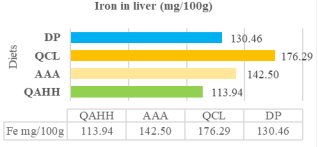
The QCL diet results in greater hepatic iron storage in experimental animals—surpassing the QCL > DP reference standard—due to the presence of iron-rich cañahua in its composition; the AAA diet follows, while the QAHH diet shows levels lower than those of the standard (Figure 20).
Figure 20. Comparison of liver iron (Fe) in QCL, AAA, QAHH, and DP diets.
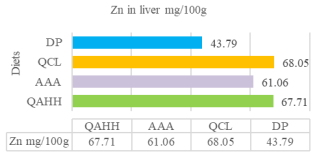
The QCL diet results in higher zinc storage in the livers of experimental animals compared to the QCL > DP control diet; this is due to the diet's composition, which derives its zinc content from quinoa, cañahua, and powdered milk, whereas the zinc in the control diet comes from zinc-fortified milk (Figure 21).
Figure 21. Comparison of zinc (Zn) in the liver for the QCL, AAA, QAHH, and DP diets.
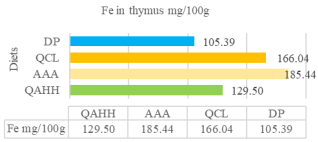
(Figure 22) Thymus iron content is reflected in the AAA diet—which has nearly double the level of the DP diet—followed by the QCL and QAHH diets; all three experimental diets surpass the DP diet due to their specific components.
Figure 22. Comparison of iron (Fe) in the thymus across QCL, AAA, QAHH, and DP diets.
The results indicate that the QCL diet leads to higher zinc storage in the thymus of experimental animals—surpassing the QCL > DP pattern—due to the diet's composition; the presence of Zn in the pattern is attributable to Zn fortification of the milk (Figure 23).
Figure 23. Comparison of zinc (Zn) in the thymus in the QCL, AAA, QAHH, and DP diets.
Regarding iron (Fe) content in the right femur, the results for the QCL diet exceed those of the DP diet, showing double the iron assimilation; the QAHH and AAA diets also show higher levels than the control, due to the composition of the experimental diets (Figure 24).
Figure 24. Comparison of iron (Fe) in the right femur for the QCL, AAA, QAHH, and DP diets.
(Figure 25) shows that the QCL diet results in higher zinc storage in the livers of experimental animals compared to the standard diet (QCL > DP); the same applies to the AAA and 107.41 diets, due to their composition.
Figure 25. Comparison of zinc (Zn) in the right femur or in the QCL, AAA, QAHH, and DP diets.
3.7. Results of Outreach Regarding the Importance of Minerals as Functional Components Within Food Security
The result is four outreach activities involving a total of 285 mothers and women trained in the preparation of immune-restoring mixtures and the importance of minerals—specifically iron, zinc, and calcium—as functional dietary components.
4. Discussion
The theoretical formulations of the immune-restoring food mixtures and the standard diet—containing 14% protein and 380-420 kcal per 100 g, based on the nutritional requirements of the experimental animals outlined in the methodology—align with the formulations used in the research by Vargas et al. (2017) .
Numerous studies address various technological processes aimed at enhancing the nutritional value of foods (Carmody & Grangham, 2009 ). In the present study, thermal processing techniques were applied to Andean grains and other products to improve the availability of nutrients—specifically protein, iron, and zinc—a finding consistent with Vargas (2020) .
de Ancos et al. (2016) state that most plant-based products are considered functional foods in their own right due to their high content of bioactive compounds .
For their part, Enríquez et al. (2022) emphasize the importance of consuming functional foods and the benefits they provide for human health .
Functional foods are characterized by containing components with biological activity within their matrix that are capable of improving consumers' health and well-being, as well as influencing the impact of food consumption on diseases. Consequently, the consumption of functional foods represents an alternative for improving health (Villagrán et al., 2022) .
Micronutrient deficiency directly affects nutritional status; during childhood, this leads to the development of various alterations in growth and developmental patterns (Acebo, G., et al. 2025) .
In this regard, Grandy et al. (2010) note that iron-deficiency anemia and growth retardation due to zinc deficiency remain major global health problems .
Regarding Andean grains, Rojas et al. (2010) note that the nutritional potential of quinoa, amaranth, and cañahua is exceptional; they are considered superfoods rich in iron, zinc, and calcium, far surpassing the mineral profile of common cereals such as wheat or rice .
Inadequate intake of minerals such as iron and calcium is a problem that directly affects health, particularly in children and young women. It is estimated that up to 33% of the global population suffers from iron deficiency (Huaraca et al. 2021) .
Quinoa is currently undergoing a period of rapid expansion, as it holds great potential for improving the living conditions of populations in the Andes and the modern world (FAO, 2011) .
5. Conclusions
1) Based on the objectives set and the results obtained in this research, the following conclusions are drawn:
2) In conclusion, the raw materials selected were suitable for formulating and preparing the immune-restorative food blends.
3) It is concluded that processing and transforming raw materials into flours for immune-restorative food blends improves bioavailability, digestibility, and nutritional quality.
4) Regarding biological parameters, all three immune-restorative food blends exhibit excellent Relative Protein Efficiency (REP) and Apparent Digestibility (%Da); thus, they are composed of foods providing good protein-energy and mineral content, ensuring their suitability for improving nutritional status.
5) Mineral analysis of the proposed blends indicates that they contain significant proportions of iron, zinc, and calcium. Overall, all three diets surpass the reference standard in their iron (Fe) and zinc (Zn) content and contribution.
6) Analyses of minerals in organs (liver, thymus) and the femur demonstrate adequate bioavailability and significant storage of iron and zinc—minerals considered functional components. This suggests a positive impact on bodily and immunological reserves, considering the liver as the primary organ for metabolic storage, the thymus as linked to immune system strengthening, and the femur as associated with bone mineral density.
7) It is concluded that the dissemination of information and training provided to women and mothers—who gained key knowledge regarding immune-restorative blends and the role of essential minerals (iron, zinc, and calcium) in functional nutrition—was successful. Strategically empowering this group, which drives household decisions, ensures a direct impact on family food security and contributes sustainably to the adoption of better nutritional habits.
Undoubtedly, these studies on the functional components of immune-restorative food blends will help the population promote healthy nutrition, a healthy diet, and overall good health.
6. Recommendations
Based on the results and conclusions of this study, it is recommended to continue research aimed at identifying and characterizing natural foods—particularly those derived from Andean grains and other food sources—that provide significant levels of minerals with functional potential. Such studies would enable the design and formulation of new food blends and products with adequate nutritional and functional value, capable of contributing to the strengthening of the immune response and the prevention of nutritional deficiencies, especially in young children.
Abreviaturas

UMSS

University Mayor de San Simón

FCyT

Faculty of Science and Technology

CAPN

Center for Food and Natural Products

ASDI

Swedish International Development Cooperation Agency

DICyT

Directorate of Research, Science, and Technology

ORCID

Open Researcher and Contributor ID

FAAS

Flame Atomic Absorption Spectrophotometry

QCL

Quinoa-Cañahua-Milk

AAA

Amaranth-Rice-Oat

QAHH

Quinoa-Oat-Dried Fava Bean-Liver

DP

Standard Diet

IP

Weight Gain

REP

Real Protein Efficiency

Da

Apparent Digestibility

NI

Ingested Nitrogen

NF

Fecal Nitrogen

DCA

Completely Randomized Design

L

Milk Powder

Q

Quinoa

A

Amaranth

C

Cañahua

Fe

Iron

Zn

Zinc

Ca

Calcium

g

Grams

mg

Milligrams

ºC

Degrees Celsius

h

Hour

min

Minutes

Author Contributions
Luz Mirian Vargas Coca: Conceptualization, Data curation, Formal Analysis, Funding acquisition, Investigation, Methodology, Project administration, Resources, Software, Supervision, Validation, Visualization, Writing – original draft, Writing – review & editing
Funding
The research project receives external funding from the ASDI Agreement, in coordination with DICyT.
Data Availability Statement
The data supporting the results of this research work have been published in this manuscript.
Conflicts of Interest
The author declares no conflict of interest.
References
[1] Linares Rivera, J. A. (2025). Childhood malnutrition in rural communities in Latin America. Polo del Conocimiento, 10(5), 3691–3703.
[2] Carbajal, A. A. (2013). Nutrition and dietetics manual. Complutense University of Madrid, Department of Nutrition. Madrid, Spain.
[3] López, L. B., & Suárez, M. M. (2017). Fundamentals of normal nutrition (2nd ed.). El Ateneo. Bogotá, Colombia.
[4] López, L. B., & Suárez, M. M. (2023). Fundamentals of normal nutrition (3rd ed.). El Ateneo. Bogotá, Colombia.
[5] Quispe, S. M. A., & Espinosa, S. C. R. (2013). Manual of cereal and legume technology (1st ed.). Huancayo, Peru.
[6] Rojas, W., Soto, J. L., Pinto, M., Jäger, M., & Padulosi, S. (Eds.). (2010). Andean grains: Advances, achievements, and experiences developed with quinoa, cañahua, and amaranth in Bolivia. Bioversity International. Rome, Italy.
[7] de Ancos, B., Fernández-Jalao, I., & Sánchez-Moreno, C. (2016). Functional compounds in minimally processed and ready-to-eat products. Revista Iberoamericana de Tecnología Postcosecha, 17(2), 130–148.
[8] Maares, M., & Haase, H. (2020). A guide to human zinc absorption: General overview and recent advances in in vitro intestinal models. Nutrients, 12(3), 762.
[9] Grandy, G., Weisstaub, G., & López de Romaña, D. (2010). Iron and zinc deficiency in children. Revista de la Sociedad Boliviana de Pediatría, 49(1), 25–31.
[10] Bolivian food composition table. (2005). Ministry of Social Welfare and Public Health, National Division of Malnutrition. La Paz, Bolivia.
[11] Pellet, L., & Young, R. (1980). Nutritional evaluation of protein foods. United Nations University. Tokyo, Japan.
[12] Fuentes Paredes, F., Mendoza Yanavilca, R. A., Rosales Fernández, A. L., & Cisneros Tarmeño, R. A. (2008). Guide for the management and care of laboratory animals: Mouse. National Institute of Health.
[13] Royal Decree 1201/2005, of October 10, on the protection of animals used for experimentation and other scientific purposes. (2005). Official State Gazette of Spain. BOE-A-2005-17344.
[14] Vargas, C. M. L., Estrada, R. E. V., & Heredia, L. D. M. (2017). Development of food mixtures based on willkaparu maize, legumes, and Andean grains for nutritional supplementation in children under 5 years of age. Revista Ciencia y Tecnología, Universidad Mayor de San Simón, Cochabamba, Bolivia.
[15] Carmody, R. N., & Wrangham, R. W. (2009). The energetic significance of cooking. Journal of Human Evolution, 57(4), 379–391.
[16] Vargas, C. M. L. (2020). Evaluation of thermal processes applied to Andean grains to improve the availability of protein, iron, and zinc.
[17] Enríquez-Estrella, M., Torres-Caicedo, L., Monar-Vega, K., & Uvidia-Cavadiana, H. (2022). Functional foods: The consumption trend of the 21st century. RECIENA, 2(1), 10–19.
[18] Villagrán, Z., González Torres, S., Montalvo González, E., García de Alba Verduzco, J. E., Ramírez Hernández, B. C., & Anaya Esparza, L. M. (2022). Functional foods and their impact on human health. Educación y Salud Boletín Científico Instituto de Ciencias de la Salud Universidad Autónoma del Estado de Hidalgo, 10(20), 223–231.
[19] Acebo, G., Alarcón Párraga, A., Lino Villacreses, L., & Ayón Vélez, J. (2025). Prevalence of anemia and micronutrient deficiencies in children: Comparison of risk factors in the American continent. ARANDU UTIC, 12(1), 4495–4509.
[20] Huaraca Aparco, R., Tapia Tadeo, F., Kari Ferro, A., & Alvarez Arias, C. (2021). Mineral and protein content in quinoa (Chenopodium quinoa Willd.) sprouts. Alfa Revista de Investigación en Ciencias Agronómicas y Veterinarias, 5(15), 133–139.
[21] Food and Agriculture Organization of the United Nations. (2011). Quinoa: An ancient crop to contribute to world food security.
Cite This Article
  • APA Style

    Coca, L. M. V. (2026). Study of Iron, Zinc as Functional Components in Immunorestorative Food Mixtures in the Treatment and Prevention of Malnutrition in Cochabamba, Bolivia. International Journal of Nutrition and Food Sciences, 15(6), 309-323. https://doi.org/10.11648/j.ijnfs.20261506.11

    Copy | Download

    ACS Style

    Coca, L. M. V. Study of Iron, Zinc as Functional Components in Immunorestorative Food Mixtures in the Treatment and Prevention of Malnutrition in Cochabamba, Bolivia. Int. J. Nutr. Food Sci. 2026, 15(6), 309-323. doi: 10.11648/j.ijnfs.20261506.11

    Copy | Download

    AMA Style

    Coca LMV. Study of Iron, Zinc as Functional Components in Immunorestorative Food Mixtures in the Treatment and Prevention of Malnutrition in Cochabamba, Bolivia. Int J Nutr Food Sci. 2026;15(6):309-323. doi: 10.11648/j.ijnfs.20261506.11

    Copy | Download

  • @article{10.11648/j.ijnfs.20261506.11,
      author = {Luz Mirian Vargas Coca},
      title = {Study of Iron, Zinc as Functional Components in Immunorestorative Food Mixtures in the Treatment and Prevention of Malnutrition in Cochabamba, Bolivia},
      journal = {International Journal of Nutrition and Food Sciences},
      volume = {15},
      number = {6},
      pages = {309-323},
      doi = {10.11648/j.ijnfs.20261506.11},
      url = {https://doi.org/10.11648/j.ijnfs.20261506.11},
      eprint = {https://article.sciencepublishinggroup.com/pdf/10.11648.j.ijnfs.20261506.11},
      abstract = {Proper nutrition is essential for good health, requiring a balanced diet and adequate micronutrient intake to ensure the immune system functions efficiently. Micronutrient deficiency weakens immunity and increases susceptibility to infections, morbidity, and mortality. Understanding the therapeutic potential of vegetables—specifically regarding bioactive phytochemicals (often classified as functional foods) and their nutritional value—reveals beneficial health effects that can be either preventive or therapeutic; key functional components include minerals such as iron, zinc, fluoride, calcium, and copper. This project focuses specifically on the minerals iron (Fe) and zinc (Zn), which are indispensable for life and play vital roles in various biological processes necessary for the organism's proper functioning. The research is justified by the study titled "Study of iron and zinc as functional components in immune-restoring food mixtures as an alternative for the treatment and prevention of malnutrition in Cochabamba, Bolivia." Methodologically, the objectives included: selecting raw materials., formulating immune-restoring food mixtures for experimental and control diets; and biologically evaluating these mixtures using experimental animals (Wistar rats). Mineral analysis of the immune-restoring food mixtures, as well as analysis of the experimental animals' organs (liver, thymus) and femurs, was conducted using Flame Atomic Absorption Spectrophotometry (FAAS). Mineral analysis of the immune-restorative blends indicates good levels of iron, zinc, and calcium. The QCL blend stands out for its iron (8.58 mg) and calcium (142.45 mg) content, resulting from the combination of quinoa, cañahua, and powdered milk; the QAHH blend provides adequate zinc (4.89 mg) due to the inclusion of fava beans and beef liver; and the AAA blend—composed of amaranth, rice, oats, liver, and fava beans—shows iron and zinc levels similar to those of the other blends. In conclusion, the choice of ingredients directly influences the nutritional quality of the immune-restorative blends. Regarding mineral storage in the liver of experimental animals, the order was QCL > AAA > DP > QAHH for iron, and QAHH > AAA > QCL > DP for zinc; in the thymus, the order was AAA > QCL > QAHH > DP for iron, and QAHH > AAA > QCL > DP for zinc; and in the femur, the order was QCL > QAHH > AAA > DP for iron, and QCL > AAA > QAHH > DP for zinc. Overall, the results demonstrate effective storage of iron and zinc in the liver, thymus, and femur.},
     year = {2026}
    }
    

    Copy | Download

  • TY  - JOUR
    T1  - Study of Iron, Zinc as Functional Components in Immunorestorative Food Mixtures in the Treatment and Prevention of Malnutrition in Cochabamba, Bolivia
    AU  - Luz Mirian Vargas Coca
    Y1  - 2026/11/06
    PY  - 2026
    N1  - https://doi.org/10.11648/j.ijnfs.20261506.11
    DO  - 10.11648/j.ijnfs.20261506.11
    T2  - International Journal of Nutrition and Food Sciences
    JF  - International Journal of Nutrition and Food Sciences
    JO  - International Journal of Nutrition and Food Sciences
    SP  - 309
    EP  - 323
    PB  - Science Publishing Group
    SN  - 2327-2716
    UR  - https://doi.org/10.11648/j.ijnfs.20261506.11
    AB  - Proper nutrition is essential for good health, requiring a balanced diet and adequate micronutrient intake to ensure the immune system functions efficiently. Micronutrient deficiency weakens immunity and increases susceptibility to infections, morbidity, and mortality. Understanding the therapeutic potential of vegetables—specifically regarding bioactive phytochemicals (often classified as functional foods) and their nutritional value—reveals beneficial health effects that can be either preventive or therapeutic; key functional components include minerals such as iron, zinc, fluoride, calcium, and copper. This project focuses specifically on the minerals iron (Fe) and zinc (Zn), which are indispensable for life and play vital roles in various biological processes necessary for the organism's proper functioning. The research is justified by the study titled "Study of iron and zinc as functional components in immune-restoring food mixtures as an alternative for the treatment and prevention of malnutrition in Cochabamba, Bolivia." Methodologically, the objectives included: selecting raw materials., formulating immune-restoring food mixtures for experimental and control diets; and biologically evaluating these mixtures using experimental animals (Wistar rats). Mineral analysis of the immune-restoring food mixtures, as well as analysis of the experimental animals' organs (liver, thymus) and femurs, was conducted using Flame Atomic Absorption Spectrophotometry (FAAS). Mineral analysis of the immune-restorative blends indicates good levels of iron, zinc, and calcium. The QCL blend stands out for its iron (8.58 mg) and calcium (142.45 mg) content, resulting from the combination of quinoa, cañahua, and powdered milk; the QAHH blend provides adequate zinc (4.89 mg) due to the inclusion of fava beans and beef liver; and the AAA blend—composed of amaranth, rice, oats, liver, and fava beans—shows iron and zinc levels similar to those of the other blends. In conclusion, the choice of ingredients directly influences the nutritional quality of the immune-restorative blends. Regarding mineral storage in the liver of experimental animals, the order was QCL > AAA > DP > QAHH for iron, and QAHH > AAA > QCL > DP for zinc; in the thymus, the order was AAA > QCL > QAHH > DP for iron, and QAHH > AAA > QCL > DP for zinc; and in the femur, the order was QCL > QAHH > AAA > DP for iron, and QCL > AAA > QAHH > DP for zinc. Overall, the results demonstrate effective storage of iron and zinc in the liver, thymus, and femur.
    VL  - 15
    IS  - 6
    ER  - 

    Copy | Download

Author Information
  • Center for Food and Natural Products, University Mayor de San Simón, Cochabamba, Bolivia

    Biography: Luz Mirian Vargas Coca, Research Professor at Universidad Mayor de San Simón (UMSS); Head of the Immunonutrition Area at the Faculty of Science and Technology (FCyT) / Center for Food and Natural Products (CAPN); 45 years of experience to date. Bachelor’s Degree in Biology, Universidad Mayor de San Simón. Specialization in Immunonutrition, University of Buenos Aires (UBA), Argentina (1989). Specialization in Scientific and Technological Research, UMSS (CEDEGES/DICYT) (2000). Specialization in Food Security and Human Development, UMSS / Association of Promotion and Education Institutions (AIPE) (2000). Master’s Degree in Scientific and Technological Research, UMSS (CEDEGES/DICYT) (2000). Master’s Degree in Food Security and Human Development, UMSS / AIPE (2001). Diploma in Higher Education, UMSS Graduate School (2006). Recognition for the Invention Patent "Immune-Restoring Mixtures," National Intellectual Property Service (SENAPI) (2023). Appointed as Reviewer for the *International Journal of Nutrition and Food Sciences* (IJNFS) (2023-2027). Supervisor and advisor for undergraduate and postgraduate projects.

    Research Fields: Immunonutrition, Food Safety, Scientific and Technological Research, Biological Studies of Foods and Natural Products, Development of Food Blends and Products, Study and Development of Andean Grain-Based Foods, Research on the Influence of Andean Grains on Cardiovascular Diseases, Immune-Restoring Food Blends, Studies on Functional Components

  • Abstract
  • Keywords
  • Document Sections

    1. 1. Introduction
    2. 2. Methodology
    3. 3. Results and Discussion
    4. 4. Discussion
    5. 5. Conclusions
    6. 6. Recommendations
    Show Full Outline
  • Abreviaturas
  • Author Contributions
  • Funding
  • Data Availability Statement
  • Conflicts of Interest
  • References
  • Cite This Article
  • Author Information