Research Article | | Peer-Reviewed

Comparative Assessment of Nutritional and Antinutritional Quality of Two Maize-based Tchakpalo, a Traditional Beninese Beer

Received: 16 May 2026     Accepted: 29 May 2026     Published: 15 June 2026
Views:       Downloads:
Abstract

The objective of this study was to evaluate the impact of two different production processes on the nutritional and antinutritional quality of Tchakpalo, a traditional beninese beer. A 24-hour mono-fermented variant (MFM1) and a 24-hour double-fermented variant (DFM1) were produced and analysed for energy parameters, vitamin and mineral content, and levels of antinutritional compounds. The results show that the MFM1 variant has significantly higher levels of macronutrients (carbohydrates: 12.53 g/100 mL, proteins: 3.56 g/100 mL and fats: 0.95 g/100 mL), vitamins (C: 27.15 mg/100 mL and A: 16.65 μg RE/100 mL), and minerals (phosphorus: 265.32 mg/100 mL, potassium: 534.88 mg/100 mL, sodium: 3.17 mg/100 mL, calcium: 5.55 mg/100 mL and iron: 18.39 mg/100 g). It therefore has a higher nutritional density than the DFM1 variant. In contrast, the DFM1 variant is characterised by a significant reduction in antinutritional factors, particularly phytates and tannins. This reduction suggests a potential improvement in nutrient bioavailability. According to ANSES, 500 mL of the MFM1 variant of Tchakpalo provides 14.02% of men's and 17.35% of women's daily energy needs. This same quantity completely or partially satisfies their daily needs for vitamin C (100%), phosphorus (100%), iron (100%), potassium (76.41%), and vitamin A (12%). To promote the traditional beer Tchakpalo and strengthen food and nutrition security, it is essential to optimize processing methods in order to enhance nutritional density and ensure nutrient bioavailability.

Published in Journal of Food and Nutrition Sciences (Volume 14, Issue 3)
DOI 10.11648/j.jfns.20261403.12
Page(s) 184-193
Creative Commons

This is an Open Access article, distributed under the terms of the Creative Commons Attribution 4.0 International License (http://creativecommons.org/licenses/by/4.0/), which permits unrestricted use, distribution and reproduction in any medium or format, provided the original work is properly cited.

Copyright

Copyright © The Author(s), 2026. Published by Science Publishing Group

Keywords

Traditional Beer, Fermentation, Nutritional Quality, Antinutritional Factors, Bioavailability, Maize, Tchakpalo, Benin

1. Introduction
Since ancient civilisations, fermented beverages traditionally produced from local grains have played an important role in human diets .
These beverages are found in all regions of the world and are produced from various grains. Among these beverages, we can mention: Sake (rice, Japan), Chicha de jora (maize, Peru), Kvass (rye, Russia), and Tchakpalo, produced from maize, sorghum, or millet in West Africa . Various populations are attached to these beverages not only because of their distinctive and unique organoleptic characteristics but also for their recognized nutritional and functional importance. Their refreshing and thirst-quenching nature, combined with their customary and religious uses, makes them beverages of cultural and social significance . They constitute a food and cultural heritage for the peoples of the world.
In Benin, several traditional fermented beverages are produced and sold throughout the country. Among them is Tchakpalo, an emblematic beer that exemplifies the country’s brewing tradition. Tchakpalo is a local, low-alcohol beer produced using a traditional process, primarily involving malting, brewing, and spontaneous fermentation of a wort made from water and grits of sprouted maize, sprouted sorghum, or a mixture of these two sprouted grains .
In a previous study, Dognon et al. identified five (05) variants of Tchakpalo in southern Benin. The production processes for these different variants involve nearly the same unit operations. However, the sequence of operations, the number of fermentation stages (one or two), the fermentation duration (24 or 48 hours), and the raw material (maize, sorghum, or a maize-sorghum mixture) differ from one variant to another. In another study, Dognon et al. used a hedonic test to identify the Tchakpalo variants preferred by consumers in a comparative sensory analysis. Two variants stood out with overall acceptability scores significantly higher than the others. These were the MFM1 (24-hour Mono-Fermented Maize) and DFM1 (24-hour Double-Fermented Maize) variants.
In that context, the present study seeks to evaluate the nutritional potential of these two Tchakpalo variants to contribute to the food and nutrition security of the population.
2. Materials and Methods
2.1. Plant Material
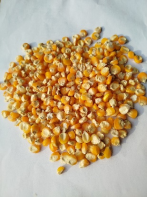
The primary raw material was constituted of maize (Zea mays L.), especially AK 94 DMR ESR Y BENIN variety Figure 1, known as “Vovo Non Bakin” in local language Fon. This is the variety most used by female processors in Tchakpalo business. It is a ninety (90) day cycle variety (from seed to maturity), with dented kernels, a texture that is half-sticky and half-floury, and yellow colour. It is well-suited for local dishes such as akassa, dough ( in local language Fon), porridge, etc.
Figure 1. Maize variety used for Tchakpalo production (AK 94 DMR ESR Y BENIN).
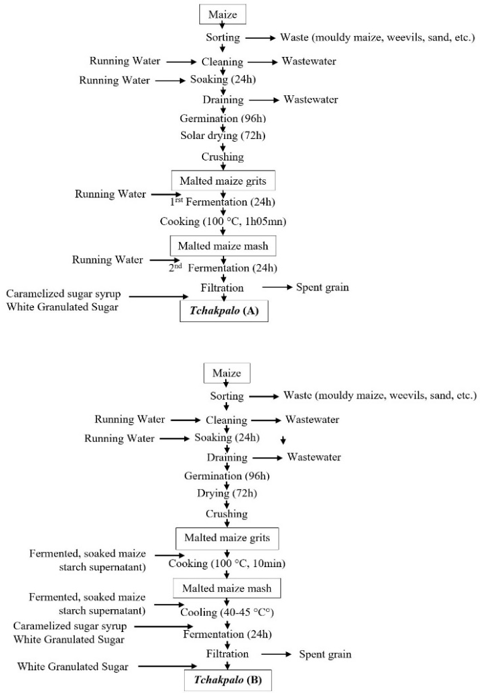
Figure 2. Technological diagram of maize Tchakpalo production.
A: Double-Fermented Maize Tchakpalo production of 24h (DFM1)
B: Mono-Fermented Maize Tchakpalo production of 24h (MFM1)
2.2. Production of Tchakpalo
The two Tchakpalo variants have traditionally been produced by female producers, selected based on their availability and, above all, their expertise. Figure 2 shows the technological diagrams used for Tchakpalo production. All unit operations were carried out at room temperature.
2.3. Determination of Nutritional Characteristics
The nutritional parameters evaluated are: total sugar, protein, fat, vitamins A and C, ash content, phosphorus, potassium, iron, sodium, and calcium. The analyses were performed in triplicate.
2.3.1. Determination of Total Sugar Content
Total sugar content was determined using the phenol-sulfuric acid colorimetric method described by Dubois et al. . A 2 mL volume of sample (0.1%) is mixed with 1 mL of phenol (5%) and then with 5 mL of concentrated sulfuric acid. After stirring, the mixture is incubated at 30°C for 20 minutes. The absorbance is then measured at a wavelength of 485 nm after cooling. The sugar concentration is determined from a calibration curve prepared using glucose treated under the same conditions. The result is expressed as a percentage of the sample.
2.3.2. Determination of Protein Content
Crude protein content was assessed using the Kjeldahl method , based on the determination of total nitrogen. The analysis involved three steps: digestion, distillation, and titration. The protein content is calculated from the nitrogen content by applying the conversion factor 6.25 according to the following equation:
Tp (%) = 6.25 ×%N(1)
Where N = Nitrogen content
2.3.3. Determination of Lipid Content
The lipid content was determined by Soxhlet extraction . The extraction is performed using petroleum ether (40–60°C) on approximately 5 g of sample placed in a cartridge. The system is subjected to continuous extraction for 4 to 6 hours until all sample fat is extracted. The lipid content is calculated as the difference in mass of the flask before and after extraction, relative to the sample mass and its dry matter.
2.3.4. Determination of β-carotene (Vitamin A) Content
The provitamin A (β-carotene) content was determined using the modified Jakutowicz method . The MFM1 (24-hour Mono-Fermented Maize) and DFM1 (24-hour Double-Fermented Maize) absorption of the samples was measured at a wavelength of 328 nm following chloroform extraction. The calibration curve for β-carotene standard solutions was plotted at 328 nm, and the provitamin A content was then expressed as a percentage.
2.3.5. Vitamin C Content
The ascorbic acid content of the samples was determined by redox titration with iodine . A 10 mL volume of standard solution or sample, supplemented with distilled water and starch indicator, was titrated with iodine solution (0.005 mol/L) until the characteristic color change occurred. The results were expressed as a percentage of ascorbic acid.
2.3.6. Determination of Mineral Content
Minerals were determined by atomic absorption spectrometry following dry digestion (2 h at 530°C) and solubilization of the ash. The atomic absorption spectrophotometer (Varian SpectrAA 2000) was operated using Varian Spectra software version 5.5 following dry digestion in the presence of a mixture of concentrated nitric acid and hydrochloric acid (1: 1, v/v). The various mineral elements included iron, sodium, phosphate, calcium, and potassium.
2.4. Determination of Antinutritional Characteristics
The anti-nutritional parameters evaluated were oxalates, phytates, and tannins.
2.4.1. Oxalate Content
Oxalates were determined using the method of Day and Underwood . 1 g of Tchakpalo samples was mixed with 75 mL of sulfuric acid (15N). The resulting solution was stirred for one hour and filtered through Whatman No. 1 filter paper. A 25-mL volume of the filtrate was titrated with potassium permanganate (0.1N) until a stable pink color persisted for approximately 30 seconds. In the presence of sulfuric acid and under heat, oxalic acid was oxidized by potassium permanganate. The oxalate content (O) is expressed as a percentage (%).
2.4.2. Phytate Content
Phytate determination was performed according to the method of Reddy and Love . 4 g of Tchakpalo samples were mixed with 200 mL of 2% hydrochloric acid. The mixture was stirred for 5 hours. After filtration, 25 mL of the filtrate was added to 5 mL of 0.3% ammonium thiocyanate. The mixture was titrated with ferric chloride (FeCl3) at 0.002 mol/L until the resulting brown-yellow color persisted for 5 minutes. The phytate (P) content is expressed as a percentage (%).
2.4.3. Tannin Content
Tannins were determined using the method of Trease and Evans . 1 mL of the methanolic extract of Tchakpalo was mixed with 5 mL of Folin-Denis reagent in a basic medium. The absorbance of the mixture was then measured at 760 nm using a spectrophotometer.
2.5. Statistical Analysis
Statistical analysis of data consisted of descriptive statistics (mean and standard deviation) using Microsoft Excel 2013. Analysis of variance (ANOVA) was then conducted to detect the nature of the differences (significant or not) between the physico-chemical parameters of the two Tchakpalo variants, using the R software .
3. Results
3.1. Visual Organoleptic Characteristics of Tchakpalo Variants
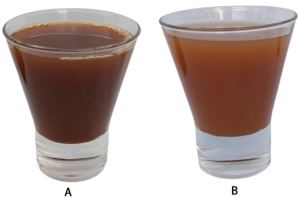
Figure 3 shows the appearance of the two Tchakpalo variants produced from the same raw material (maize). The influence of the production process on the beverage’s visual characteristics is clearly evident.
Figure 3. Visual appearance of the two Tchakpalo variants.
A: Double-Fermented Maize Tchakpalo production of 24h (DFM1)
B: Mono-Fermented Maize Tchakpalo production of 24h (MFM1)
The MFM1 variant appears cloudier and denser, with a yellowish-brown hue. These characteristics reflect a high concentration of suspended solids and residual organic compounds, resulting from a shorter fermentation period. These characteristics are attributable to the initial inclusion of caramelized sugar syrup prior to fermentation, as well as the subsequent addition of supernatant derived from fermented maize flour.
In contrast, the DFM1 variant has a less cloudy, less dense, slightly translucent appearance and a dark brown color. Double fermentation promotes more thorough degradation of the substrates and the reduction in visible colloidal particles. The inclusion of carbonized sugar syrup during the final stages of preparation contributes to a pronounced brown coloration.
3.2. Energy Profile of Two Tchakpalo Variants
The results in Table 1 reveal a highly significant difference (p < 0.001) in macronutrients (carbohydrates, proteins, and fats) between the two Tchakpalo variants (MFM1 and DFM1). Tchakpalo produced using MFM1 technology has higher levels of carbohydrates, proteins, and fats compared to DFM1. The levels of these macronutrients in MFM1 Tchakpalo are approximately double those in DFM1 Tchakpalo. Consequently, the energy value of MFM1 Tchakpalo (72.91 kcal/100 mL) is significantly higher than that of DFM1 (38.46 kcal/100 mL). The type of production process used, therefore, greatly influenced the energy value of Tchakpalo. The findings suggest that double fermentation results in a reduction of macronutrients, which is likely attributable to their utilization by fermentative microorganisms as energy sources.
Table 1. Proximate composition of two Tchakpalo variants.

Parameters

MFM1

DFM1

p-value

σₓ̄

σₓ̄

Carbohydrates (g/100 mL)

12.53a

0.00

6.59b

0.03

***

Protein (g/100 mL)

3.56a

0.06

1.63b

0.01

***

Fat (g/100 mL)

0.95a

0.02

0.62b

0.01

***

Energy value (kcal/100 mL)

72.91a

38.46b

***

MFM1: Single-fermented maize (24 h); DFM1: Double-fermented maize (24 h); x̄: Mean; σₓ̄: Standard error; Within the same column, means marked with different letters are significantly different at the 5% level according to the Student-Newman-Keuls test.° = p > 0.05 (not significant); * = p < 0.05 (significant); ** = p < 0.01 (highly significant); *** = p < 0.001 (very highly significant).

3.3. Vitamin and Mineral Profiles of Two Tchakpalo Variants
From a vitamin and mineral perspective, there are fairly significant differences between the MFM1 and DFM1 variants. Table 2 shows that the vitamin C content is significantly higher in Tchakpalo MFM1 than in DFM1 (p < 0.001). In contrast, no significant difference is observed for vitamin A. Regarding minerals, Tchakpalo MFM1 has higher levels of phosphorus, potassium, sodium, calcium, and iron than Tchakpalo DFM1. The lower mineral content observed in Tchakpalo DFM1 could be due to leaching, precipitation, or utilization by microorganisms during prolonged fermentation.
Table 2. Vitamin and Mineral composition of two Tchakpalo variants.

Settings

MFM1

DFM1

p-value

σₓ̄

σₓ̄

Vitamin content

Vitamin C (mg/100 mL)

27.15a

0.33

19.04b

0.09

***

Vitamin A (μg RE/100 mL)

16.65a

0.00

16.65a

0.00

°

Mineral composition

Ash content (g/100mL)

0.85a

0.00

0.45b

0.00

***

Phosphorus (mg/100 mL)

265.32a

1.16

235.44b

0.68

***

Potassium (mg/100 mL)

534.88a

0.31

487.05b

0.24

***

Sodium (mg/100 mL)

3.17a

0.02

2.84b

0.01

***

Calcium (mg/100 mL)

5.55a

0.47

4.36b

0.31

*

Iron (mg/100 g)

18.39a

0.42

15.48b

0.51

**

MFM1: Single-fermented maize (24 h); DFM1: Double-fermented maize (24 h); x̄: Mean; σₓ̄: Standard error; Within the same column, means marked with different letters are significantly different at the 5% level according to the Student-Newman-Keuls test.° = p > 0.05 (not significant); * = p < 0.05 (significant); ** = p < 0.01 (highly significant); *** = p < 0.001 (very highly significant).

3.4. Antinutritional Profile of Two Tchakpalo Variants
Regarding antinutritional compounds, there are also significant differences in content between the MFM1 and DFM1 variants. In fact, except for oxalates, the tannin and phytate contents of the MFM1 variant are slightly higher than those of the DFM1 variant.
The results in Table 3 indicate significant differences between the two variants for all antinutritional factors studied. The MFM1 variant has higher levels of tannins and phytates, while the DFM1 variant has a slightly higher level of oxalates. The decrease in tannins and phytates in DFM1 suggests that double fermentation promotes degradation of these compounds, likely through the action of microbial enzymes such as phytases and polyphenol oxidases. The type of production process also influenced the antinutritional profile of Tchakpalo.
Table 3. Antinutritional profiles of two Tchakpalo variants.

Parameters

MFM1

DFM1

p-value

σₓ̄

σₓ̄

Tannins (mg GAE/g)

0.45a

0.04

0.30b

0.00

**

Phytates (mg/100 mL)

77.54a

0.12

69.22b

0.23

***

Oxalates (mg/100 mL)

3.75a

0.04

4.04b

0.06

**

MFM1: 24-hour Single-Fermented Maize; DFM1: 24-hour Double-Fermented Maize; x̄: Mean; σₓ̄: Standard Error; Within the same column, means marked with different letters are significantly different at the 5% level according to the Student-Newman-Keuls test.° = p > 0.05 (not significant); * = p < 0.05 (significant); ** = p < 0.01 (highly significant); *** = p < 0.001 (very highly significant).

4. Discussion
This study, which aimed to determine the nutritional and anti-nutritional profiles of the two Tchakpalo variants under investigation, yielded interesting results. The findings clearly show that the processing method particularly the number of fermentation stages significantly influences the nutritional and anti-nutritional quality of Tchakpalo. Thus, from a nutritional standpoint, there is a significant difference between the MFM1 and DFM1 variants. Indeed, the macronutrient content (carbohydrates, proteins, and fats) of the MFM1 variant is approximately double that of the DFM1 variant. The major difference in the production process of these two types of Tchakpalo is the number of fermentation cycles (1 and 2) and, consequently, the duration of fermentation. It can therefore be deduced that the type of production process greatly influences the energy value of Tchakpalo. This result is in accordance with the findings of Kayodé et al. and Blandino et al. , who demonstrated that the fermentation of cereals results in the consumption of carbohydrates and proteins by microorganisms, leading to a reduction in the energy value of the fermented products.
It is known that during the fermentation process, enzymes, including amylases, proteases, lipases, and phytases facilitate the hydrolysis of polysaccharides, phytates, proteins, lipids, and starch, thereby modifying primary food products . This results in a reduction in the glycemic index through the conversion of glucose—formed from the breakdown of starch into short-chain organic acids such as propionic, acetic, and lactic acids . In other words, this glycemic reduction is driven by the fermentation flora (lactic acid bacteria, yeasts, and molds), which consume fermentable sugars (glucose, maltotriose, etc.) to produce ethanol, carbon dioxide, and aromatic compounds. Residual non-fermentable sugar such as dextrin remain, influencing the beer’s sweetness and body.
Fermentation uses very little protein as a major energy source. The decrease in protein content results from the action of proteases synthesized by yeast, which partially hydrolyze proteins into amino acids subsequently utilized by the yeast to support its growth. Yeast does not use lipids as a primary substrate. However, some of the fatty acids are used in the synthesis of their cell membranes. Fermentation, therefore, significantly influences the macronutrient content of fermented beverages. In natural, spontaneous, and uncontrolled fermentation systems, as fermentation proceeds, there is a decrease in the nutritional value of the beverages due to the increase in secondary metabolites such as ethanol .
Globally, the protein contents of the MFM1 and DFM1 variants are lower than those reported by Egounlety et al. after 24 and 48 hours of fermentation, respectively. In contrast, the protein (3.56 g/100 mL for MFM1 and 1.63 g/100 mL for DFM1) and carbohydrate content (12.53 g/100 mL for MFM1 and 6.59 g/100 mL for DFM1) obtained in our study are significantly higher than those reported by Bayoï and Danla in Cameroon for Bili-Bili (protein, 0.54 g/100 ml; carbohydrates 0.52 g/100 mL) and Cochette (protein 0.71 g/100 ml; carbohydrates 0.50 g/100 mL), two traditional beers produced from sorghum and rice, respectively. In another similar study, Hirbo and Hola revealed that Borde, Korefe, and Booka, three (03) traditional fermented beverages from Ethiopia, produced from maize, barley, and cow’s bladder, respectively exhibit significant variation in their nutritional composition. The macronutrient composition of traditional beers, therefore, varies considerably depending on the microorganisms involved (yeasts, lactic acid bacteria, etc.), the starting substrate (milk, grains, fruits, meats, etc.), and, above all, the production process.
From an energy perspective, 100 mL of Tchakpalo provides approximately 72.91 kcal to consumers, highlighting its potential contribution to daily dietary energy intake (Table 1). Although this energy content is lower than that of other traditional fermented beverages such as Borde (125.95 kcal/100 mL), Korefe (101.35 kcal/100 mL), and Booka (78.05 kcal/100 mL) , it is still significantly higher than the energy content of Heineken industrial beer (42 kcal/100 mL), a Dutch-style lager .
Although energy requirements vary depending on several factors related to a person’s physiology and lifestyle (age, sex, weight, height, physiological condition, basal metabolic rate, and level of physical activity), the average daily energy requirement for an average Physical Activity Level (PAL) is estimated at 2,600 and 2,100 kcal per day for men aged 18 to 69 and women aged 18 to 59, respectively . It can therefore be concluded that consuming 500 mL of the MFM1 variant of Tchakpalo provides 14.02% and 17.35% of the daily energy requirement for men and women, respectively, at an average PAL. This result confirms the findings of Letaconnoux , who stated that traditional beers account for 5 to 40% of daily food intake in sub-Saharan Africa. Traditional African beers thus contribute significantly to the diets of local populations.
The higher vitamin C content in Tchakpalo MFM1 could be explained by partial degradation of this vitamin during prolonged fermentation in Tchakpalo DFM1. Similar results were reported by Oboh , who noted that certain vitamins, particularly vitamin C, are sensitive to fermentation and oxidation conditions. In contrast, the stability of vitamin A for the two variants suggests that β-carotene is relatively resistant to fermentation conditions. This observation is consistent with Rodriguez-Amaya’s results on the stability of carotenoids in food matrices. Based on the recommendations of France’s National Agency for Food, Environmental and Occupational Health & Safety , and regarding the results obtained (Table 2), it can be concluded that Tchakpalo is a significant source of vitamins C and A.
In fact, consuming 500 mL of the MFM1 variant of Tchakpalo fully meets the daily vitamin C requirements for both men and women and provides 11.10% and 12.80% of the vitamin A requirements for men and women aged 18 and older, respectively. The consumption of 500 mL of Tchakpalo could fully meet the daily requirements for phosphorus and iron for men and women aged 18 and older, and 76.41% of their daily potassium requirement. However, Tchakpalo is not a good source of sodium and calcium. Hence, consumption of Tchakpalo could contribute significantly to homeostatic balance and, consequently, to good health. Indeed, vitamin C is essential for collagen biosynthesis, antioxidant defence, and iron absorption . Vitamin A plays a role in vision, epithelial homeostasis, and immune regulation . As for iron-, it is essential for oxygen transport, DNA synthesis, and cognitive functions . Phosphorus contributes to energy metabolism and bone mineralization . Finally, potassium regulates neuromuscular excitability and blood pressure .
Tchakpalo is therefore an important source of energy-providing substances, vitamins, and minerals essential for the proper functioning of the human body. However, it is important to ensure that these nutrients can be absorbed by the bodies of Tchakpalo consumers. Indeed, the nutrients available in a food may not be absorbed if that food contains enough antinutritional factors. Antinutritional factors, also known as antinutritional substances, are compounds naturally present in certain foods, primarily of plant origin. They reduce the bioavailability of nutrients, hinder their absorption, or exert toxic effects when consumed in large quantities .
In this study, three (03) groups of antinutritional compounds were analyzed in Tchakpalo (tannins, phytates, and oxalates). Except for oxalates, the tannin and phytate contents of the MFM1 variant were higher than those of the DFM1 variant. The type of production process used, therefore, influenced the content of antinutritional substances in Tchakpalo. Other studies on traditional beers have revealed the presence of antinutritional substances in these beers. In Cameroon, Bayoï and Danla recorded relatively high tannin levels in Bili-Bili and Cochette, two (02) traditional beers produced from sorghum and rice, respectively. Ndie and Okaka recorded varying levels of phytates and oxalates in several plant-based foods in southeastern Nigeria.
The presence of tannins, phytate, and oxalate in Tchakpalo constitutes a risk factor for micronutrient deficiency and kidney stone formation in Benin. Indeed, phytate and tannins reduce the bioavailability of essential minerals and proteins by forming insoluble complexes . They can also damage the intestinal tract and promote carcinogenesis , particularly tannins.
Oxalates reduce mineral bioavailability by forming insoluble complexes with calcium, magnesium, iron, and zinc. Calcium oxalates may accumulate in the kidneys, leading to urinary calculi, which are the most common type of kidney stones. Previous studies confirm that high oxalate intake is a major risk factor for mineral deficiencies and kidney stone formation, although processing methods such as fermentation can reduce oxalate levels and improve nutrient bioavailability.
5. Conclusions
This study demonstrates that production processes significantly influence the nutritional and antinutritional characteristics of Tchakpalo. The 24-hour Mono-Fermented Maize variant (MFM1) is distinguished by its higher macronutrients, vitamins, and minerals content. It therefore exhibits better nutritional density. Conversely, the 24-Hour Double-Fermented Maize variant (DFM1) exhibits a significant reduction in antinutritional compounds (phytates and tannins) which suggests an improvement in nutrient bioavailability. Above all, the findings showed that consumption of a bottle of Tchakpalo (like industrial beer) could contribute significantly to partially or totally cover the daily nutrient requirements (macro and micro) and the vitamins of adult women and men. With a view to enhancing the value of Tchakpalo, it appears essential to optimize processing methods to achieve high and balanced nutritional density, thereby favoring nutrient bioavailability. In addition, future studies should assess the alcohol content of Tchakpalo to establish safe consumption levels, as excessive intake may compromise consumer health. Overall, these efforts will contribute to positioning Tchakpalo as both a cultural heritage product and a relevant component of food and nutrition security strategies.
Abbreviations

MFM1

24-hour Mono-Fermented Maize

DFM1

24-hour Double-Fermented Maize

ANOVA

Analysis of Variance

PAL

Physical Activity Level

DNA

Deoxyribonucleic Acid

FeCl3

Ferric Chloride

Acknowledgments
The authors thank the Tchakpalo producers involved in this study.
Author Contributions
d’Avila Dognon: Conceptualization, Data curation, Funding acquisition, Methodology, Writing – original draft
Ghislaine Sègbédji Théodora Atchade: Data curation, Formal Analysis, Funding acquisition, Methodology, Writing – original draft
Kowiou Aboudou: Data curation, Formal Analysis, Methodology, Writing – review & editing
Lucile Adjovi: Formal Analysis, Methodology & Writing – original draft
Mahoutin Firmin Adandedji: Formal Analysis, Methodology
Marcel Adoko: Writing – review & editing
Abadjayé Faouziath Sanoussi: Supervision, Validation, Writing – review & editing
Agossou Damien Pacôme Noumavo: Conceptualization, Funding acquisition, Project administration, Supervision, Validation, Writing – review & editing
Funding
This study was funded by the authors.
Conflicts of Interest
The authors declare no conflicts of interest regarding the publication of this paper.
References
[1] Cuamatzin-Garcia, L., Rodriguez-Rugarcia, P., El-Kassis, E. G., Galicia, G., Meza-Jiménez, M. D. L., Banos-Lora, M. D. R., Zaragoza-Maldonado, D. S., & Pérez-Armendariz, B. (2022). Traditional Fermented Foods and Beverages from around the World and Their Health Benefits. Microorganisms, 10, 1151.
[2] Zhang, K., Wu, W., & Yan, Q. (2020). Research advances on sake rice, koji, and sake yeast: A review. Food Sci Nutr, 8(7), 2995–3003.
[3] Bassi, D., Orru, L., Cabanillas Vasquez, J., Cocconcelli, P. S., & Fontana, C. (2020). Peruvian chicha: A Focus on the Microbial Populations of This Ancient Maize-Based Fermented Beverage. Microorganisms, 8(1).
[4] Kaszuba, J., Janczak-Pieniazek, M., Migut, D., Kapusta, I., & Buczek, J. (2024). Comparison of the Antioxidant and Sensorial Properties of Kvass Produced from Mountain Rye Bread. Foods, 13(3).
[5] Dognon, A., Noumavo, A. D. P., Vodouhe, S., Adjovi, L., Bravo, J., Akin, Y. Y., Chabi, N. W., Adjanohoun, A., & Baba-Moussa, F. (2026a). Diversity of Traditional Processing of Tchakpalo, an Indigenous Beer from Benin. American Journal of Food Science and Technology, 14, 63-73.
[6] Madilo, F. K., Parry-Hanson Kunadu, A., Tano-Debrah, K., Saalia, F. K., Kolanisi, U., & Speranza, B. (2024). Diversity of Production Techniques and Microbiology of African Cereal-Based Traditional Fermented Beverages. Journal of Food Quality, Article ID 1241614, 32 pages.
[7] Dossou, J., Ballogou, Y., Daïnou, O., Akissoé, N., & de Souza, C. (2014). Amélioration du procédé traditionnel de maltage du sorgho pour la production du Tchakpalo au Bénin. Bulletin de la Recherche Agronomique du Bénin, 76, 30–40.
[8] Dognon, A., & Noumavo, A. D. P. (2026b). Sensory, microbiological and physico-chemical characterization of some variants of Tchakpalo. Submitted in Foods.
[9] Dubois, M., Gilles, K. A., Hamilton, J. K., Rebers, P. A., & Smith, F. (1956). Colorimetric Method for Determination of Sugars and Related Substances. Analytical Chemistry, 28, 2A-57A.
[10] Sáez-Plaza, P., Michałowski, T., Navas, M. J., Asuero, A. G., & Wybraniec, S. (2013). An Overview of the Kjeldahl Method. Critical Reviews in Analytical Chemistry, 43, 178–223.
[11] Luque de Castro, M. D., & Garcia-Ayuso, L. E. (1998). Soxhlet Extraction of Solid Materials: An Outdated Technique with a Promising Innovative Future. Analytica Chimica Acta, 369, 1-10.
[12] Jakkutowicz, K., Tomick, Z. I. & Leokadia, L. (1977). Determination of total plasma tocopherol in the presence of carotenes. Polskie Archiwum Weterynaryjne (Warszawa), 20, 45-57.
[13] Agbemavor, W. S. K., Torgby-Tetteh, W., Quartey, E. K., Nunoo, J., Nunekpeku, W., Owureku-Asare, M., Agyei-Amponsah, J., Apatey, J. (2014). Physico-Chemical Evaluation of Fruits from the Fourth Filial Generation of Some Breeding Lines of Tomatoes. International Journal of Nutrition and Food Sciences, 3(4), 318-325.
[14] Day, R. A., & Underwood, A. L. (1986). Quantitative Analysis. 5th Edition, Prentice Hall.
[15] Reddy, M. B., & Love, M. (1999). Impact of Food Processing on Nutritional Quality. Adv. Exp. Biol.
[16] Trease, G. E., & Evans, W. C. (1983). Textbook of Pharmacognosy. 12th Edition.
[17] R Core Team (2024). R: A language and environment for statistical computing.
[18] Kayodé, A. P. P., Hounhouigan, J. D., & Nout, M. J. R. (2007). Impact of fermentation on nutritional quality. African Journal of Biotechnology, 6, 104–110.
[19] Blandino, A., Al-Aseeri, M. E., Pandiella, S. S., Cantero, D., & Webb, C. (2003). Cereal-based fermented foods and beverages. Food Research International, 36, 527–543.
[20] Hirbo, H. G., & Hola, R. N. (2025). Safety, nutrition and functionality of traditional fermented beverages. American Journal of Applied and Industrial Chemistry, 8, 23–34.
[21] Knez, E., Kadac-Czapska, K., & Grembecka, M. (2023). Effect of fermentation on nutritional quality. Life, 13, 655.
[22] Eskindir, G. F., et al. (2020). Ethiopian traditional fermented beverages. Foods, 9, 1781.
[23] Egounlety, A. M., Viera-Dalode, G., Houssou, P. & Dossou J. (2019). Procédé de Production, caractéristiques microbiologique, physicochimique et sensorielle du chakpalo, bière traditionnelle de maïs en Afrique de l’Ouest. Annales de l’Université de Parakou Série «Sciences Naturelles et Agronomie», 9, 61–78.
[24] Bayoï, J. R., & Danla, B. M. (2023). Production and Biochemical, Phytochemical, Sensory, and Microbiological Characterization of “Bili-Bili” and “Cochette,” Two Traditional Beers Produced from Sorghum (Sorghum bicolor) and Rice (Oryza sativa). Journal of Food Quality, Volume 2023, Article ID 6625891, 26 pages.
[25] Heineken France (2024). Valeurs nutritionnelles Heineken.
[26] ANSES (2016). Actualisation des repères nutritionnels.
[27] Letaconnoux, N. (2019). Les produits fermentés. Observatoire des IAA.
[28] Oboh, G. (2006). Nutrient enrichment through fermentation. African Journal of Biotechnology.
[29] Rodriguez-Amaya, D. B. (2001). A guide to carotenoid analysis in foods. ILSI Press.
[30] ANSES (2021). Actualisation des repères du PNNS: révision des repères de consommations alimentaires. Rapport d’expertise collective. Édition scientifique, Décembre 2016, 280 p.
[31] Carr, A. C., & Maggini, S. (2017). Vitamin C and Immune Function. Nutrients, 9, 1211.
[32] Huang, C., Zhang, S., Stein, H. H., Zhao, J., Li, D. & Lai, C. (2018). Effect of inclusion level and adaptation duration on digestible energy and nutrient digestibility in palm kernel meal fed to growing-finishing pigs. Asian-Australas. Journal of Animal Sciences, 31, 395-402.
[33] Correnti, M., Gammella, E., Cairo, G., & Recalcati, S. (2024). Iron Absorption: Molecular and Pathophysiological Aspects. Metabolites, 14(4), 228.
[34] Wagner, C. A. (2024). The basics of phosphate metabolism. Nephrol Dial Transplant, 39, 190-201.
[35] Abate, V., Vergatti, A., Altavilla, N., Garofano, F., Salcuni, A. S., Rendina, D., De Filippo, G., Vescini, F., & D’Elia L. (2014). Potassium Intake and Bone Health: A Narrative Review. Nutrients, 16, 3016.
[36] Samtiya, M., Aluko, R. E. & Dhewa, T. (2020). Plant Food Anti-Nutritional Factors and Their Reduction Strategies: An Overview. Food Production, Processing and Nutrition, 2, Article No. 6.
[37] Ndie, E. C., & Okaka, J. C. (2018). Risk assessment of antinutrient consumption of plant foods of south eastern Nigeria. Journal of Food Science and Nutrition, Volume 1, Issue 2.
[38] Ajala, O., Adelusi, O. A., Kajihausa, O. E., Onabanjo, O. O., Bandele, O. O., & Obadina, A. O. (2024). Nutritional and anti-nutritional properties of extruded puffed snack produced from pearl millet and bambara groundnut flour blends. Food Science and Nutrition, 13, e4670.
[39] Nikmaram, N., Leong, S. Y., Koubaa, M., Zhu, Z., Barba, F. J., Greiner, R., Oey, I., & Roohinejad, S. (2017). Effect of extrusion on the anti-nutritional factors of food products: An overview. Food Control, 79, 62–73.
[40] Makkar, H. P. S., & Becker, K. (1998). Do tannins in leaves of trees and shrubs from African and Himalayan regions differ in level and activity? Agroforestry Systems, 40, 59–68.
Cite This Article
  • APA Style

    Dognon, D., Atchadé, G. S. T., Aboudou, K., Adjovi, L., Adandedji, M. F., et al. (2026). Comparative Assessment of Nutritional and Antinutritional Quality of Two Maize-based Tchakpalo, a Traditional Beninese Beer. Journal of Food and Nutrition Sciences, 14(3), 184-193. https://doi.org/10.11648/j.jfns.20261403.12

    Copy | Download

    ACS Style

    Dognon, D.; Atchadé, G. S. T.; Aboudou, K.; Adjovi, L.; Adandedji, M. F., et al. Comparative Assessment of Nutritional and Antinutritional Quality of Two Maize-based Tchakpalo, a Traditional Beninese Beer. J. Food Nutr. Sci. 2026, 14(3), 184-193. doi: 10.11648/j.jfns.20261403.12

    Copy | Download

    AMA Style

    Dognon D, Atchadé GST, Aboudou K, Adjovi L, Adandedji MF, et al. Comparative Assessment of Nutritional and Antinutritional Quality of Two Maize-based Tchakpalo, a Traditional Beninese Beer. J Food Nutr Sci. 2026;14(3):184-193. doi: 10.11648/j.jfns.20261403.12

    Copy | Download

  • @article{10.11648/j.jfns.20261403.12,
      author = {d’Avila Dognon and Ghislaine Sègbédji Théodora Atchadé and Kowiou Aboudou and Lucile Adjovi and Mahoutin Firmin Adandedji and Marcel Adoko and Abadjayé Faouziath Sanoussi and Agossou Damien Pacôme Noumavo},
      title = {Comparative Assessment of Nutritional and Antinutritional Quality of Two Maize-based Tchakpalo, a Traditional Beninese Beer},
      journal = {Journal of Food and Nutrition Sciences},
      volume = {14},
      number = {3},
      pages = {184-193},
      doi = {10.11648/j.jfns.20261403.12},
      url = {https://doi.org/10.11648/j.jfns.20261403.12},
      eprint = {https://article.sciencepublishinggroup.com/pdf/10.11648.j.jfns.20261403.12},
      abstract = {The objective of this study was to evaluate the impact of two different production processes on the nutritional and antinutritional quality of Tchakpalo, a traditional beninese beer. A 24-hour mono-fermented variant (MFM1) and a 24-hour double-fermented variant (DFM1) were produced and analysed for energy parameters, vitamin and mineral content, and levels of antinutritional compounds. The results show that the MFM1 variant has significantly higher levels of macronutrients (carbohydrates: 12.53 g/100 mL, proteins: 3.56 g/100 mL and fats: 0.95 g/100 mL), vitamins (C: 27.15 mg/100 mL and A: 16.65 μg RE/100 mL), and minerals (phosphorus: 265.32 mg/100 mL, potassium: 534.88 mg/100 mL, sodium: 3.17 mg/100 mL, calcium: 5.55 mg/100 mL and iron: 18.39 mg/100 g). It therefore has a higher nutritional density than the DFM1 variant. In contrast, the DFM1 variant is characterised by a significant reduction in antinutritional factors, particularly phytates and tannins. This reduction suggests a potential improvement in nutrient bioavailability. According to ANSES, 500 mL of the MFM1 variant of Tchakpalo provides 14.02% of men's and 17.35% of women's daily energy needs. This same quantity completely or partially satisfies their daily needs for vitamin C (100%), phosphorus (100%), iron (100%), potassium (76.41%), and vitamin A (12%). To promote the traditional beer Tchakpalo and strengthen food and nutrition security, it is essential to optimize processing methods in order to enhance nutritional density and ensure nutrient bioavailability.},
     year = {2026}
    }
    

    Copy | Download

  • TY  - JOUR
    T1  - Comparative Assessment of Nutritional and Antinutritional Quality of Two Maize-based Tchakpalo, a Traditional Beninese Beer
    AU  - d’Avila Dognon
    AU  - Ghislaine Sègbédji Théodora Atchadé
    AU  - Kowiou Aboudou
    AU  - Lucile Adjovi
    AU  - Mahoutin Firmin Adandedji
    AU  - Marcel Adoko
    AU  - Abadjayé Faouziath Sanoussi
    AU  - Agossou Damien Pacôme Noumavo
    Y1  - 2026/06/15
    PY  - 2026
    N1  - https://doi.org/10.11648/j.jfns.20261403.12
    DO  - 10.11648/j.jfns.20261403.12
    T2  - Journal of Food and Nutrition Sciences
    JF  - Journal of Food and Nutrition Sciences
    JO  - Journal of Food and Nutrition Sciences
    SP  - 184
    EP  - 193
    PB  - Science Publishing Group
    SN  - 2330-7293
    UR  - https://doi.org/10.11648/j.jfns.20261403.12
    AB  - The objective of this study was to evaluate the impact of two different production processes on the nutritional and antinutritional quality of Tchakpalo, a traditional beninese beer. A 24-hour mono-fermented variant (MFM1) and a 24-hour double-fermented variant (DFM1) were produced and analysed for energy parameters, vitamin and mineral content, and levels of antinutritional compounds. The results show that the MFM1 variant has significantly higher levels of macronutrients (carbohydrates: 12.53 g/100 mL, proteins: 3.56 g/100 mL and fats: 0.95 g/100 mL), vitamins (C: 27.15 mg/100 mL and A: 16.65 μg RE/100 mL), and minerals (phosphorus: 265.32 mg/100 mL, potassium: 534.88 mg/100 mL, sodium: 3.17 mg/100 mL, calcium: 5.55 mg/100 mL and iron: 18.39 mg/100 g). It therefore has a higher nutritional density than the DFM1 variant. In contrast, the DFM1 variant is characterised by a significant reduction in antinutritional factors, particularly phytates and tannins. This reduction suggests a potential improvement in nutrient bioavailability. According to ANSES, 500 mL of the MFM1 variant of Tchakpalo provides 14.02% of men's and 17.35% of women's daily energy needs. This same quantity completely or partially satisfies their daily needs for vitamin C (100%), phosphorus (100%), iron (100%), potassium (76.41%), and vitamin A (12%). To promote the traditional beer Tchakpalo and strengthen food and nutrition security, it is essential to optimize processing methods in order to enhance nutritional density and ensure nutrient bioavailability.
    VL  - 14
    IS  - 3
    ER  - 

    Copy | Download

Author Information
  • Abstract
  • Keywords
  • Document Sections

    1. 1. Introduction
    2. 2. Materials and Methods
    3. 3. Results
    4. 4. Discussion
    5. 5. Conclusions
    Show Full Outline
  • Abbreviations
  • Acknowledgments
  • Author Contributions
  • Funding
  • Conflicts of Interest
  • References
  • Cite This Article
  • Author Information