Research Article | | Peer-Reviewed

Camera-Trapped Freshwater Sitatunga (Tragelaphus spekii) in Orogun Kingdom, Niger Delta

Received: 21 April 2026     Accepted: 3 May 2026     Published: 22 July 2026
Views:       Downloads:
Abstract

This study investigates the occurrence and ecological significance of Sitatunga (Tragelaphus spekii) within the freshwater swamp forests of Orogun Kingdom in the Niger Delta, a region experiencing significant anthropogenic pressure but lacking adequate wildlife documentation. The study aimed to: verify the identity of a suspected antelope species initially thought to be Nyala, assess the habitat characteristics of the species and evaluate local ecological knowledge regarding its presence. A mixed-methods approach was adopted, including: camera-trap image analysis, expert-based species identification, field habitat assessment, reconnaissance surveys, semi-structured interviews with 30 hunters across 12 forest-intersecting, communities, comparative observations were also conducted in Okomu National Park. The findings confirmed the species as Sitatunga, a swamp-adapted antelope associated with hydromorphic environments. It was found in habitats characterized by high humidity (above 77%), annual rainfall of 1,600–2,950 mm, and waterlogged alluvial soils. Interview responses indicated low local familiarity with the species, suggesting it is underreported due to its elusive and semi-aquatic behavior. Despite environmental pressures such as oil pollution, flooding, and habitat degradation, the forests of Orogun may serve as refugia for wetland-dependent fauna. Implement targeted conservation strategies for wetland habitats, establish biodiversity monitoring programs, promote community-based awareness initiatives to improve species recognition and conservation efforts.

Published in Ecology and Evolutionary Biology (Volume 11, Issue 2)
DOI 10.11648/j.eeb.20261102.12
Page(s) 30-40
Creative Commons

This is an Open Access article, distributed under the terms of the Creative Commons Attribution 4.0 International License (http://creativecommons.org/licenses/by/4.0/), which permits unrestricted use, distribution and reproduction in any medium or format, provided the original work is properly cited.

Copyright

Copyright © The Author(s), 2026. Published by Science Publishing Group

Keywords

Wetland Antelope, Biodiversity Monitoring, Camera Trapping, Wildlife Conservation, Riparian Habitat, Human-Wildlife Interaction. Sitatunga, Orogun Kingdom

1. Introduction
The Orogun Kingdom in Ughelli North Local Government Area of Delta State, Nigeria, is endowed with rich natural resources and diverse ecological landscapes that sustain a broad spectrum of plant and animal life . The Orogun area comprises an intricate network of rivers, wetlands, farmlands, and forest ecosystems that have historically supported numerous wildlife species fundamental to the region’s ecological balance and cultural heritage . Several forest regions, including Owhe-Ologbo, Aragba, Emmonu, and Abbi forests, form part of this mosaic and have long harbored species such as bush pigs, various deer, and other mammals, while also featuring culturally significant fauna such as the sacred monitor lizard, which traditional norms prohibit from being hunted . Despite this biological richness, Orogun’s wildlife has increasingly come under threat. Over the past few decades, rapid anthropogenic disturbances including deforestation, habitat fragmentation, agricultural expansion, wetland conversion, and unregulated hunting have contributed to the decline of many species . Local soils are fertile and support extensive agricultural activities, but unregulated land use has resulted in the destruction of forest patches, including former rubber plantations. Studies in Orogun demonstrate that secondary forests regenerate soil organic matter over time, but recovery is slow and inconsistent, reflecting broader ecological instability Additionally, pollution, climate change, and hydrological alterations further threaten biodiversity and ecosystem services, increasing regional vulnerability to flooding, erosion, and food insecurity . These trends occur against the backdrop of the Niger Delta, one of West Africa’s most biologically significant ecological zones. Its freshwater swamp forests, lowland rainforests, estuarine systems, and mangroves host numerous threatened and endemic species while providing essential ecological functions such as nutrient cycling and hydrological regulation . However, the region is increasingly imperiled by oil exploration, deforestation, wetland drainage, and unsustainable hunting, all of which accelerate the decline of wildlife populations and habitat quality .
Within this ecological context, medium-sized antelopes particularly swamp-adapted species such as the Sitatunga (Tragelaphus spekii) are of considerable conservation interest. Sitatunga are semi-aquatic antelopes characterized by specialized physiological adaptations, including elongated splayed hooves and cryptic behavior, enabling them to thrive in dense, waterlogged swamp forests . Their elusive nature and the inaccessibility of their preferred habitats historically contributed to their underreporting in southern Nigeria. However, recent ecological surveys and camera-trap studies have confirmed their presence in protected wetlands such as Okomu National Park, suggesting that remnant populations may also persist in community forests outside protected areas Despite anecdotal evidence from local hunters, there remains a significant knowledge gap concerning the distribution, population status, and habitat preferences of swamp-dependent antelopes within the forests of Orogun Kingdom. Furthermore, environmental variables that influence their survival such as vegetation structure, soil hydrology, and climatic conditions have not been systematically assessed in this landscape . This gap in scientific understanding complicates wildlife management and conservation planning in the region.
The recent capture of an antelope in Orogun Kingdom, initially suspected to be Nyala (Tragelaphus angasii) but later confirmed to be Sitatunga, underscores these knowledge gaps and highlights the challenges of field identification in areas with limited taxonomic expertise. The Nyala is a spiral-horned antelope native to southern Malawi, Zimbabwe, Mozambique, and South Africa, characterized by distinct sexual dimorphism, habitat specificity, and behavioral ecology. . Although adaptable, the species is restricted to southeastern Africa and is not naturally found in Nigeria; therefore, its presence in Orogun would have signaled introduction, escape, or misidentification.. Misidentification of wildlife can lead to inaccurate biodiversity assessments, misplaced conservation priorities, and misinterpretation of ecological dynamics. Understanding whether the captured antelope represents a native species (Sitatunga) or an alien species (such as Nyala) is critical, given the broader implications of alien species introductions. Alien species are organisms occurring outside their natural ecological range due to human-mediated or accidental transport, and when biologically successful, they may become invasive, posing threats to native biodiversity and ecological stability. Accurate species identification is therefore essential for effective biodiversity monitoring, ecosystem management, and prevention of ecological disruptions . This study responds to these gaps by conducting a systematic investigation into the captured antelope specimen, integrating morphological assessment, ethnobiological knowledge, habitat characterization, literature comparisons, and ecological analysis. The study aims to confirm species identity, evaluate habitat suitability, document local environmental pressures, and provide insight into the status of Sitatunga within the Orogun forest landscape.
The objectives of this study were to:
i. Provide the first systematic, camera-trap–based verification of medium-sized swamp antelope occurrence in the freshwater forests of Orogun Kingdom, clarifying species identity and resolving prior uncertainty regarding the presumed presence of Nyala.
ii. Examine the extent to which local ecological knowledge reflects the presence, detectability, and cryptic behavior of swamp-dependent ungulates in a flood prone forest landscape.
iii. Characterize the ecological attributes of Orogun’s freshwater swamp ecosystem to evaluate its suitability as habitat and potential refugia for wetland-specialist antelope species.
iv. Assess the combined influence of hydrological dynamics, habitat alteration, and oil-related anthropogenic pressures on the conservation viability of medium-sized ungulates within the Niger Delta wetland system.
2. Materials and Methods
2.1. Study Area
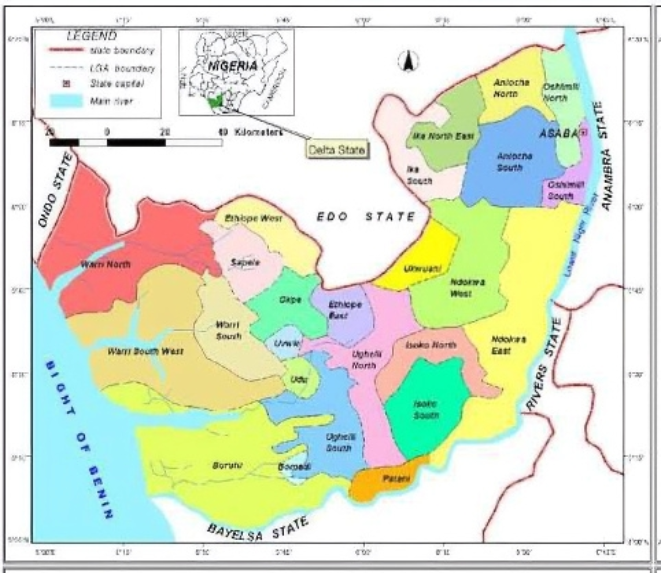
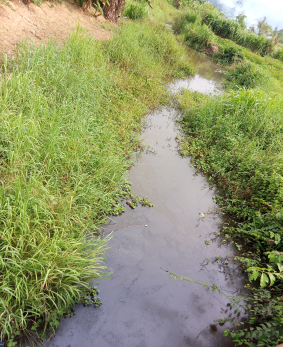
Orogun Kingdom is in Ughelli North Local Government Area of Delta State. It has a coordinate of Latitude 5° 38' 25" N and Longitude: 6° 9' 32" E as shown in Figure 1 below. The name Orogun was derived from Efe’s daughter who was called Orogun, a grand child to Owowa whose mother was an Urhobo woman from Ughelli. She was the founder of Orogun town. The father of Orogun along with his brothers (Owolukpo) Abbi, Amai, and Umukwata all migrated from Benin Empire. The Oroguns migrated from Ughelli to Aboh through the river. In Aboh, they helped to kill a Benin war general called Obiegbe waged wars against the Abors. The Obi of Aboh for fear of the powers of the Oroguns was believed to have prepared a spell that made the Oroguns migrate from Aboh to the present day Orogun.. The area lies within the freshwater swamp zone of the Niger Delta, characterized by tropical climate conditions, high rainfall (1,600–2,950 mm annually), temperatures ranging from 25–29°C, and relative humidity above 77%. Vegetation consists predominantly of freshwater swamp forest as indicated in Figure 2, raffia palms, and lowland rainforest species.
Figure 1. The Map showing geographical location of the area.
2.2. Method of Data Collection
A mixed-methods approach integrating qualitative and quantitative techniques was adopted to ensure comprehensive data collection and triangulation of findings.
2.2.1. Sampling Strategy
A stratified sampling technique was used to select study sites across forested areas intersecting Orogun Kingdom. Twelve communities were included: Abbi, Owhe-Ologbo, Egbanhe, Okpe-Orogun, Otor-Ogba, Ogharha, Edjeba, Imodje, Aragba, Emonu-Ugolo, and Kokori. These locations were chosen based on proximity to forest habitats and hunting activity.
2.2.2. Camera Trap and Image Analysis
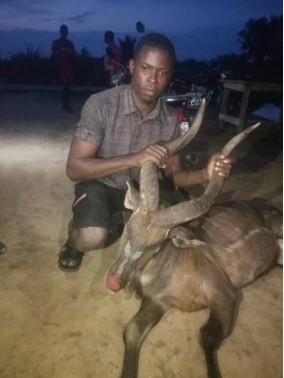
Camera trap images of the suspected species as shown in Figure 3, were obtained and analyzed. These images formed the primary dataset for species identification.
2.2.3. Expert-Based Species Identification
Wildlife ecologists from Rivers State University and Landmark University reviewed the images. Morphological traits such as coat pattern, horn structure, and hoof adaptation were examined to confirm species identity.
2.2.4. Field and Habitat Observation
Ecological assessments were conducted to characterize habitat conditions. Parameters measured included: Temperature and humidity, Hydrological features (freshwater systems, swamp conditions), Soil characteristics (alluvial, hydromorphic nature), Vegetation type and structure.
2.2.5. Semi-Structured Interviews
A total of 30 hunters were purposively selected across the 12 communities. Interviews focused on: Hunting frequency, Species commonly encountered, Hunting tools used, Recognition of the target species from images.
2.2.6. Game Reserve Reconnaissance Survey
Comparative field visits were conducted to Okomu National Park, as well as other conservation facilities in Edo State. Park rangers (n=3) were interviewed to validate species occurrence and distribution. Historical camera-trap records (e.g., 2016 sitatunga capture) supported identification.
2.3. Ethical Considerations
Informed consent was obtained from all interview participants. Expert consultations and field observations adhered to standard ethical guidelines for wildlife research.
Figure 2. The river and swampy terrain of Orogun Forest.
Figure 3. Live Sitatunga caught/trapped by a Hunter.
3. Results
From Table 1, Camera-trap imagery initially presumed to depict Nyala was subjected to independent expert review and morphological assessment. Diagnostic characteristics visible in the images included a shaggy, water-resistant pelage, distinct spiral horns, elongated hooves, and limb morphology consistent with adaptation to marshy substrates. These features are characteristic of Sitatunga, a swamp-obligate antelope species specialized for hydromorphic and flood-prone environments. Experts emphasized that the elongated and splayed hooves observed in the images represent a key functional adaptation for locomotion in marsh and swamp habitats. This trait distinguishes Sitatunga from savannah-dwelling tragelaphines, including Nyala, whose morphology is not specialized for prolonged swamp habitation. Pelage texture and coloration patterns in the photographs further aligned with known phenotypic variation in Sitatunga, which can differ across age and sex classes. Although spiral horns initially suggested possible Nyala identification, comparative morphological evaluation confirmed that the photographed individuals do not correspond to Nyala diagnostic traits. Instead, the combination of habitat context (freshwater swamp forest), hoof morphology, pelage characteristics, and expert verification conclusively identified the species as Sitatunga.
Importantly, experts noted that Sitatunga is not unknown within the Niger Delta region; however, its cryptic behavior, swamp specialization, and low detectability likely contribute to underreporting and misidentification in community-based accounts. The clarification of species identity therefore resolves prior local assumptions regarding Nyala presence and confirms the occurrence of a swamp-adapted antelope species within the Orogun freshwater forest system.
Table 1. Physical Identification of the species.

Supposed Animal species

Physical Features for identification

Nature of Image

Characteristics/comments by experts

Inference

Nyala

Hairs, Spiral Horn

Camera Image

Habitats found: Marshy, Swampy areas, Anatomy of the hooves/feet has evolved to adapt to the Swampy areas.

It is not unknown in the Niger Delta.

Common name is Sitatunga or marshbuck! It is a swamp-dwelling medium-sized antelope. The zoological name is Tragelaphus spekii

Nyala

Fur, Spiral Horn, colour of skin

Camera Image

It looks like a savannah dwelling species but the colour totally varies.

It is a species of antelope but differ from Nyala.

The results in Table 2 Structured interviews were conducted with 30 hunters across forest-intersecting communities within Orogun Kingdom. Hunting pressure was consistently high across all surveyed villages. Most respondents reported entering the forest between one and four times per week, while several indicated daily hunting activity or visits made opportunistically “as the need arises.” This frequency of forest use indicates sustained anthropogenic pressure on local wildlife populations across the landscape. Hunters reported harvesting a broad range of fauna, including antelopes, deer, bush pigs, grass cutters (cane rats), porcupines, monkeys, pangolins, and occasionally medium-sized carnivores locally described as “bears” or anteaters. Antelopes and deer were among the most frequently cited taxa, suggesting that medium-sized ungulates remain important components of subsistence and opportunistic hunting. Hunting techniques were predominantly traditional and non-selective, involving locally fabricated firearms, wire and mechanical traps, and the use of hunting dogs. The widespread deployment of traps and firearms suggests generalized wildlife extraction rather than species-specific targeting.
When hunters were shown camera-trap images of the swamp antelope species initially presumed to be Nyala, the majority expressed uncertainty regarding prior encounters. Responses were dominated by statements such as “not too sure,” “not exactly,” “looks alike,” or “same color.” Only a small minority of respondents confidently affirmed having previously captured or observed the species. Notably, even in communities reporting frequent antelope harvest, definitive recognition of the photographed species was uncommon. This discrepancy between high hunting frequency and low species-specific recognition suggests limited detectability of the swamp-dependent antelope in routine hunting activities. The pattern may reflect cryptic behavior, habitat specialization within swamp microhabitats, relatively low local abundance, or confusion with morphologically similar ungulates. Across all surveyed communities, uncertainty was consistent, and no village demonstrated widespread confident recognition of the photographed species.
On the whole, these findings reveal an important ecological pattern: despite intensive and regular forest exploitation, the swamp-specialist antelope confirmed through camera trapping appears to remain largely unrecognized within local harvest narratives. This mismatch between hunting intensity and species recognition supports the hypothesis that freshwater swamp habitats may function as partial refugia, facilitating persistence of cryptic ungulates even under sustained anthropogenic pressure.
Table 2. Interviews with Local Hunters.

Villages with Forest Intersecting Orogun kingdom

Number of Hunters

Number of Visit to Forest weekly

Types of Animals Caught

Tools for Hunting

Have you caught the animal species in this picture before (supposed Nyala)

Abbi

3

Three times (1) Twice (2)

Grass cutters, Deer, Antelopes, Pigs.

Traps, Local gun

Yes (1) Not exactly (1) Not too sure (1)

Owhe-Ologbo

3

Four times (1) Two times (1) Once (1)

Porcupine, Pigs, Deer, Monkeys, Bear

Dogs, Traps, Local Guns

Not exactly (2) Not too sure (1)

Egbanhe

1

Daily (1)

Antelope, monkeys, porcupine, Deer, Grass cutters

Dogs, Traps

Look alike (1)

Okpe-Orogun

2

Two times (2)

Antelope, Deer, Bush pigs, pangolins, large Bush Dogs

Local Guns

Yes (1) Not too sure (1)

Otor-Ogba

2

Once (1) Two times (1)

Deer, Antelopes, Pigs, Grass cutters, Monkeys

Local guns, Traps

Not too sure (2)

Ogharha

4

Daily (1) Three times (1) Once (1) As the need arise (1)

Monkeys, Bear, pangolins, Anteaters, Deer, Antelopes

Dogs, Local guns, Traps

Not exactly (2) Almost the same (2)

Edjeba

3

Three times (3)

Antelopes, Porcupine, Pigs, Deer, Rabbit

Dogs, Traps,

Not too sure (1) Not exactly (2)

Imodje

4

Two times (2) Once (2)

Antelopes, Bush Dogs, Bush pigs, Deer, Bear,

Local guns, Traps

Same color (2) Not exactly (2)

Aragba

3

Daily (2) Once (1)

Pigs, Porcupines, Grass cutters, Antelopes

Traps, Dogs

Not too sure (3)

Emonu-Ugolo

2

As the need arise (2)

Deer, Pigs, Porcupines, Antelopes

Local guns, Dogs

Not exactly (1) Not too sure (1)

Kokori

3

Three times (1) Two times (1) Once (1)

Bush pigs, Porcupines, Grass cutters

Dogs, Local guns and Traps.

Yes (1) Not too sure (2)

From Table 3, To contextualize species identification, interviews were conducted with three rangers at Okomu National Park, a protected lowland rainforest ecosystem in southern Nigeria. Rangers were presented with the same camera-trap images obtained from Orogun forests for independent evaluation. Rangers confirmed that the photographed antelope does not correspond to a savannah-dwelling species. Instead, they emphasized that its morphology and habitat association are consistent with a wetland-dependent forest antelope whose distribution spans southern Nigeria’s swamp and rainforest zones. They further reported that camera-trap surveys conducted within Okomu National Park in 2016 independently captured images of Sitatunga, reinforcing the identification of the Orogun specimen as Sitatunga rather than Nyala. Rangers also provided an overview of the park’s mammalian assemblage, which includes a diverse primate community (white-throated monkey, Niger Delta red colobus, mona monkey, putty-nosed guenon, and Thomas’s galago), large mammals such as forest elephant, leopard, and buffalo, and other forest-dependent species including red river hog, dwarf crocodile, civet, Maxwell’s duiker, grass cutter, and tree pangolin. The confirmed presence of Sitatunga within this protected rainforest system supports its ecological association with humid forest and swamp mosaics rather than open savannah habitats.
The independent confirmation from protected-area authorities strengthens the taxonomic conclusion derived from morphological assessment and camera-trap evidence in Orogun. Importantly, the documented occurrence of Sitatunga within a formally protected forest ecosystem, alongside its detection in the unprotected and oil-impacted Orogun wetlands, suggests that the species persists across a gradient of protection status within southern Nigeria. This reinforces the interpretation that freshwater swamp forests in Orogun may represent functionally important habitat within the broader regional distribution of this swamp-specialist antelope.
Table 3. Game Reserve Tour.

Game Reserve Visited

Number of Rangers Interviewed

Nature of Image

Animal species present in the park

Characteristics/Comments of Rangers

Inference

Okomu National Park

3

Camera Image

Primates: White-throated monkey, Niger Delta red colobus monkey, mona monkey, putty-nosed guenon, and Thomas's galago.

Large mammals: Forest elephant, leopard, and buffalo.

Other mammals: Red river hog, dwarf crocodile, civet cat, Maxwell's duiker, grass cutter, and tree pangolin.

This is not a Savannah species; the spread of this species cover southern Nigeria.

We have a trap camera captured sitatunga in okomu National Park here in 2016.

We have concluded it is sitatunga, a species of antelope.

From Table 4, Results: Environmental and Habitat Characterization of the Orogun Freshwater Forest System, environmental assessment confirms that the Orogun forest landscape is embedded within the freshwater swamp zone of the Niger Delta, characterized by persistently humid tropical conditions and hydrologically dynamic substrates. Mean annual temperatures range between 25–29°C, with minimal intra-annual variation (approximately 4–5°C between coolest and warmest periods), indicating a thermally stable tropical climate. Relative humidity remains consistently high (≥77%), supported by a prolonged wet season and substantial annual rainfall estimated between 1,600 and 2,950 mm. These climatic conditions maintain near-perennial soil moisture, resulting in widespread waterlogging and swamp formation across much of the landscape. Hydrologically, the area forms part of the freshwater–swamp subsystem of the Niger Delta, with an extensive network of creeks, distributaries, and shallow aquifers. Surface waters are predominantly freshwater, although limited connectivity to brackish systems occurs toward southern reaches. Groundwater tables are typically high, reinforcing hydromorphic soil conditions and sustaining swamp forest vegetation. However, this hydrological connectivity also increases vulnerability to pollutant transport, particularly in areas exposed to oil-related industrial activity. Soils are derived primarily from deltaic and coastal plain sands interspersed with swamp deposits and recent alluvium. They are predominantly alluvial and hydromorphic, characterized by high organic content, poor drainage, and prolonged saturation. While these conditions support swamp-adapted flora and fauna, they also enhance susceptibility to contamination, as pollutants can persist in anaerobic substrates and shallow groundwater systems. Vegetation structure reflects classic freshwater swamp and lowland rainforest mosaics. Dominant plant communities include raffia and oil palms, mixed hardwood stands, dense climbers, and understory shrubs. Patches of mangrove swamp occur along transitional creek zones with minor saline influence. Overall, the system supports high biodiversity typical of humid lowland forest–swamp ecotones as shown in Figure 2 above. However, field observations indicate spatially variable degradation resulting from agricultural expansion, selective logging, and oil-related disturbances.
Several interacting environmental stressors were documented. Seasonal flooding and chronic waterlogging shape habitat structure but also limit terrestrial accessibility. Anthropogenic pressures including deforestation, habitat fragmentation, and risks of groundwater and soil pollution pose increasing threats to ecological integrity. In degraded swamp sections, signs of vegetation loss and reduced wildlife presence were observed, suggesting localized biodiversity decline. Summarily, these environmental parameters confirm that Orogun represents a hydrologically driven freshwater swamp ecosystem with climatic and edaphic conditions highly suitable for wetland-specialist fauna. At the same time, the system remains ecologically vulnerable due to cumulative hydrological disturbance and anthropogenic impacts, underscoring its dual status as both potential refugial habitat and at-risk wetland landscape.
Table 4. Field/Habitats Observation of Ecosystem of Orogun Kingdom, Delta State, Nigeria.

Parameters

Summary Description

Temperature

1) Mean annual temperature: 25–29°C

2) Tropical warm climate with small annual variation (4–5°C difference between coolest and warmest periods).

Humidity

1) High relative humidity: 77% and above

2) Long wet season with 1,600–2,950 mm annual rainfall. Area is often moist, waterlogged, or swampy.

Freshwater / Estuary / Hydrology

1) Part of the Niger Delta freshwater–swamp system.

2) Extensive network of creeks, streams, and shallow aquifers.

3) Dominantly freshwater swamps, with some connectivity to brackish water further south.

4) High groundwater presence but vulnerable to pollution.

Soil Parameters

1) Soils formed from deltaic/coastal plain sands, swamp deposits, and alluvium.

2) Mostly alluvial/hydromorphic soils: waterlogged, rich in organic matter.

3) Poor drainage in many areas; some soils susceptible to contamination.

Vegetation / Others

1) Vegetation types: freshwater swamp forest, lowland rainforest, patches of mangrove swamp near coastal creeks.

2) Dominant species include palms (raffia/oil palm), hardwood trees, climbers, shrubs.

3) High biodiversity but affected by farming, logging, and oil-related disturbances.

Environmental Challenges

1) Flooding and waterlogging.

2) Deforestation and habitat loss.

3) Groundwater and soil pollution risks (oil & industrial activities).

4) Biodiversity decline in degraded swamp areas.

Figure 3 reveal the image of a live Sitatunga caught from the swampy forest which was probably trapped or trailed and double crossed to avoid escape. It may be attributed to the ecological flora which permits the survival of this great antelope in the area.
4. Discussion
The integration of camera-trap data, structured hunter interviews, ranger verification, and environmental profiling positions the Orogun freshwater forest mosaic as a conservation-relevant wetland system within southern Nigeria. The reclassification of the photographed antelope from presumed Nyala to Sitatunga is not merely a taxonomic correction but an ecological clarification with implications for species distribution modelling and habitat-specialist conservation. As a semi-aquatic ungulate, Sitatunga is strongly associated with hydrologically stable swamp environments conditions that characterize large portions of the Niger Delta. Contemporary wetland ecology increasingly recognizes such flooded forest mosaics as structurally complex systems that buffer climatic variability and provide niche stability for specialist taxa. In West Africa, Sitatunga persistence has been shown to correlate closely with wetland integrity, vegetation density, and hydrological continuity . The confirmed presence in Orogun therefore aligns with emerging evidence that remnant swamp systems may serve as climate-resilient strongholds for habitat-restricted ungulates.
Patterns of forest access and wildlife extraction documented through hunter interviews further intersect with current discourse on anthropogenic filtering and species detectability. Hunting frequency in Orogun reflects livelihood-driven forest dependency consistent with broader West African socio-ecological systems . However, despite regular wildlife encounters, most hunters expressed uncertainty in recognizing the photographed Sitatunga. This mismatch between extraction intensity and species recognition is consistent with findings that cryptic, swamp-dependent mammals often remain under-detected in perception-based surveys . Increasingly, wildlife research emphasizes that absence in interview data does not equate to ecological absence, particularly for species exhibiting behavioral avoidance and habitat partitioning. As noted in broader African ungulate assessments, Sitatunga is frequently under-reported due to its preference for dense flooded vegetation and low visibility in hunted forest matrices . The Orogun findings therefore reinforce the need to integrate structured detection tools when assessing wildlife persistence in human-modified wetlands.
Independent verification from rangers at Okomu National Park strengthens the reliability of identification and situates the Orogun population within a broader regional metapopulation context. The reference to documented camera-trap records from 2016 underscores the importance of longitudinal photographic monitoring in detecting low-visibility species. Across contemporary wildlife studies, multi-source validation frameworks combining camera traps, practitioner expertise, and community knowledge are increasingly regarded as best practice for monitoring cryptic fauna and reducing misclassification bias . The triangulation achieved in this study reflects these evolving methodological standards and aligns with recent literature advocating integrative detection models for improved biodiversity documentation . In data-deficient wetland systems, such convergence of evidence is particularly critical.
Environmental parameters further situate the findings within current ecological debates on wetland resilience and disturbance thresholds. The combination of stable mean annual temperatures (25–29°C), persistently high humidity (>77%), and substantial rainfall (1,600–2,950 mm) generates hydrologically dynamic but predictably saturated landscapes. Hydromorphic and alluvial soils rich in organic matter, coupled with raffia-dominated freshwater swamp forest, create microhabitats conducive to semi-aquatic mammal persistence. However, emerging research highlights that such systems are simultaneously resilient and fragile: while structural complexity can buffer moderate disturbance, hydrological connectivity also facilitates pollutant spread and accelerates ecosystem degradation when thresholds are exceeded . In the Niger Delta context, oil-related contamination and land-use conversion have been shown to disproportionately impact swamp-dependent taxa, narrowing habitat suitability for species reliant on waterlogged forest interiors .
Collectively, these findings contribute to several contemporary themes in wildlife ecology. Firstly, freshwater swamp forests in the Niger Delta appear to function as partial refugia for habitat-specialist ungulates within increasingly industrialized landscapes. Secondly, species persistence in Orogun illustrates how ecological complexity and limited accessibility of swamp interiors may mediate anthropogenic pressure, supporting survival even in extraction-prone regions. Thirdly, the study underscores the methodological imperative of integrating technological monitoring with local knowledge systems to address detectability biases. Finally, the documented environmental stressors flooding, habitat conversion, pollution risk, and fragmentation highlight the urgency of applying adaptive wetland management frameworks that prioritize hydrological integrity and landscape connectivity.
X-raying the wetland loss globally, documenting the persistence of swamp obligate species such as Sitatunga within unprotected deltaic systems provides critical baseline evidence. Protecting and restoring hydrologically intact swamp mosaics will be central to sustaining medium-sized ungulates and maintaining biodiversity resilience in southern Nigeria’s rapidly transforming coastal forests. The catching and trapping of the Sitatunga antelope by the man shown in Figure 3, is an indication that wildlife species are being hunted probably for food, economic purposes or medicinal support .
5. Conclusions
The study area represents a high-value tropical wetland-forest ecosystem that supports diverse fauna, including swamp-adapted antelopes, primates, and medium-sized mammals. The presence of Sitatunga highlights both the ecological richness and the vulnerability of these habitats, emphasizing the need for integrated conservation strategies that combine habitat protection, sustainable land-use practices, and continuous monitoring to ensure the persistence of rare and cryptic species in southern Nigeria’s swamp-forest landscapes.
Recommendations:
Implement targeted conservation programs to protect swamp forests and maintain connectivity between wetland habitats in Orogun Kingdom.
Strengthen community-based monitoring programs integrating hunter knowledge and camera-trap surveys to document elusive or cryptic species.
Promote sustainable land-use practices that minimize deforestation, soil erosion, and pollution, particularly near oil exploration zones.
Conduct periodic environmental assessments to monitor hydrology, soil health, and vegetation cover to inform adaptive management strategies.
Increase awareness and education among local communities regarding the ecological importance of swamp forests and the conservation needs of species like Sitatunga.
Author Contributions
Israel Omoghene Ogorode: Conceptualization, Investigation
Conflicts of Interest
The author declare no conflict of Interest in the conceptulization process of the manuscript and in the research work.
References
[1] Akani, I. G. C., Nioking, A., & Glorious, C. O. (2021). Population abundance of antelopes based on prevalence in some selected markets in Rivers State, Nigeria. African Journal of Environment and Natural Science Research, 4(3), 45–47.
[2] Akani, G. C., Amuzie, C. C., Alawa, G. N., Nioking, A., & Belema, R. (2022). Factors militating against biodiversity conservation in the Niger Delta, Nigeria: The way out. In Biodiversity in Africa: Potentials, threats and conservation (pp. 573–600).
[3] Aransiola, S. A., Zobeashia, S. L., Ikhumetse, A. A., Musa, O. I., Abioye, O. P., Ijah, U. J. J., & Maddela, N. R. (2024). Niger Delta mangrove ecosystem: Biodiversity, past and present pollution, threat and mitigation. Regional Studies in Marine Science, 75, 103568.
[4] Bennett, J. R., Edwards, B. P. M., Bergman, J. N., Binley, A. D., Buxton, R. T., Hanna, D. E., Hanson, J. O., Hudgins, E. J., Karimi, S., Raymond, C. V., Robichaud, C. D., & Rytwinski, T. R. (2024). How ignoring detection probability hurts biodiversity conservation. Frontiers in Ecology and the Environment, 22(8), e2782.
[5] Black, S. A. (2020). Assessing presence, decline, and extinction for the conservation of difficult-to-observe species. In Problematic wildlife II: New conservation and management challenges in human–wildlife interactions (pp. 359–392).
[6] Bora, J. K., Vardhan, V., Vijh, R. K., Deshmukh, A. V., Srinivas, Y., Mungi, N. A., Goswami, S., Jhala, H., Chauhan, J. S., Kumar, U., & Jhala, Y. (2024). Evaluating the potential for reintroducing the endangered wild water buffalo (Bubalus arnee) in Kanha National Park, central India. Restoration Ecology, 32(3), e14079.
[7] Brichieri-Colombi, T. A., McPherson, J. M., Sheppard, D. J., & Moehrenschlager, A. (2017). In aid of (re)discovered species: Maximizing conservation insights from minimal data. Animal Conservation, 20(2), 205–212.
[8] Cetkovská, E., Brandlová, K., Ogden, R., & Černá Bolfíková, B. (2024). Evaluation of the impact of population management on genetic parameters of selected spiral-horned antelopes. Biology, 13(2), 104.
[9] Doull, K. E., Chalmers, C., Fergus, P., Longmore, S., Piel, A. K., & Wich, S. A. (2021). An evaluation of the factors affecting ‘poacher’ detection with drones and the efficacy of machine learning for detection. Sensors, 21(12), 4074.
[10] Duda, R. (2017). Ethnoecology of hunting in an “empty forest”: Practices, local perceptions and social change among the Baka of Cameroon (Doctoral dissertation). Universitat Autònoma de Barcelona.
[11] East, D. (2017). Environmental performance of a conservation attraction: The potential impact of visitor learning and behaviour change (Doctoral dissertation). University of Southampton.
[12] Efenakpo, D. O. (2013). Ecological survey and social acceptability of monitor lizard in Orogun, Delta State, Nigeria.
[13] Egwunatum, A. E., & Okonta, B. C. (2023). Assessment of habitat fragmentation impact on community taboo species for adoption as conservation portfolios in lowland rainforest ecological zone of Delta State, Nigeria. Journal of Biodiversity Conservation and Bioresource Management, 9(2), 29–38.
[14] Estes, R. D. (2012). The behavior guide to African mammals: Including hoofed mammals, carnivores, primates. University of California Press.
[15] Fox, J. L., & Dorji, T. (2009). Traditional hunting of Tibetan antelope, its relation to antelope migration, and its rapid transformation in the Western Chang Tang Nature Reserve. Arctic, Antarctic, and Alpine Research, 41(2), 204–211.
[16] Furstenburg, D. (2002). Nyala (Tragelaphus angasii). Game and Hunt, 8, 8–9.
[17] Ichikogu, V. I. (2014). Soil and vegetation dynamics in secondary forest regeneration in degraded rubber plantation, Orogun, Delta State.
[18] Isikhuemen, E. M., & Ikponmwonba, O. S. (2020). Okomu plateau forest and associated wetlands in southern Nigeria: Status, threats and significance. International Journal of Hydrology, 4(1), 31–40.
[19] Izah, S. C., & Aigberua, A. O. (2023). Potential threats and possible conservation strategies of biodiversity in Niger Delta Region of Nigeria. In Sustainable utilization and conservation of Africa’s biological resources and environment (pp. 151–176).
[20] Jost, C. A. (2012). Beyond hunters and hunted: An integrative anthropology of human–wildlife dynamics and resource use in a Central African forest (Doctoral dissertation). Purdue University.
[21] Laubscher, L. L., Pitts, N. E., Raath, J. P., & Hoffman, L. C. (2015). Non-chemical techniques used for the capture and relocation of wildlife in South Africa. South African Journal of Wildlife Research.
[22] Lindenmayer, D., Woinarski, J., Legge, S., Southwell, D., Lavery, T., Robinson, N., Scheele, B., & Wintle, B. (2020). A checklist of attributes for effective monitoring of threatened species and ecosystems. Journal of Environmental Management, 262, 110312.
[23] Livinus, M. U., Bala, S. Z., Abdulsalam, M., Innocent, M. O., Hassan, M., Yusuf, K., Akinola, J. O., & Ali, G. M. (2025). Threats to wetland environments: Human activities, pollution and climate change. In Wetland ecosystems: Conservation strategies, policy management and applications (pp. 107–129).
[24] Mayengo, G., Ngonyoka, A., Mtili, B., Ojija, F., & Mng’ong’o, M. E. (2025). Coexistence through sustainable conservation strategies for sitatunga (Tragelaphus spekii) in African ecosystems. Wildlife Biology, 2025(1), e01274.
[25] Murwanyi, P. H., Kityo, R., Ssekuubwa, E., & Tweheyo, M. (2024). Sitatunga (Tragelaphus spekii) food sources and habitat use in marsh–savannah–cultivation mosaics. African Journal of Ecology, 62(1), e13246.
[26] Noss, A., Polisar, J., Maffei, L., Garcia, R., & Silver, S. (2013). Evaluating jaguar densities with camera traps. Wildlife Conservation Society.
[27] Numbere, A. O. (2021). Managing natural resources through ecological intensification in oil-rich Niger Delta. In Sustainable Intensification for Agroecosystem Services and Management (pp. 615–655).
[28] Odivwri, J. E. (2014). Functions and consequences of bilingualism in Orogun Kingdom of Urhobo Land, Delta State, Nigeria. American International Journal of Social Sciences, 3(4), 114–120).
[29] Ogbeibu, A. E., & Oribhabor, B. J. (2023). The Niger Delta mangrove ecosystem and its conservation challenges. In Mangrove biology, ecosystem, and conservation (p. 19).
[30] Oghenevwogaga, G. O., & Omosor, F. O. (2024). The functions of divination among the Orogun people of Delta State. Abraka Journal of Religion and Philosophy, 4(1).
[31] Ogorode, I. O., Vincent-Akpu, I. F., & Babatunde, B. B. (2024). The sacred Veranus niloticus in Orogun Community, Delta State, Nigeria. Ecology and Evolutionary Biology, 9(4), 91–97.
[32] Okonkwo, C. N. P., Kumar, L., & Taylor, S. (2015). The Niger Delta wetland ecosystem: What threatens it and why should we protect it? African Journal of Environmental Science and Technology, 9(5), 451–463.
[33] Onyena, A. P., & Sam, K. (2020). A review of the threat of oil exploitation to mangrove ecosystem: Insights from Niger Delta, Nigeria. Global Ecology andKibue Conservation, 22, e00961.
[34] Otite, O. (2005). Totemism in Orogun. Studies in Urhobo Culture, 2, 279.
[35] Owiti, M. A., Ogoma, M. O., &, G. W. (2024). Land use land cover change and its potential implications on conservation of sitatunga antelope in Saiwa wetland, western Kenya. ResearchGate.
[36] Oyegun, C. U., Lawal, O., & Ogoro, M. (2023). The Niger Delta Region. In Landscapes and Landforms of Nigeria (pp. 107–121).
[37] Paltsyn, M. Y. (2018). Integration of remote sensing, modeling, and field approaches for rangeland management and endangered species conservation in Central Asia (Doctoral dissertation). SUNY College of Environmental Science and Forestry.
[38] Pawlak, K., & Swadzba-Karbowy, M. (2018). The impact of weather parameters on the microclimate inside the building intended for antelopes. Annals of Warsaw University of Life Sciences–SGGW. Animal Science.
[39] Peters, C. (2022). Application of genetic techniques to conservation of the critically endangered Grenada dove (Leptotila wellsi) (Master’s thesis). University of Chester.
[40] Pyšek, P., Hulme, P. E., Simberloff, D., Bacher, S., Blackburn, T. M., Carlton, J. T., Dawson, W., Essl, F., Foxcroft, L. C., Genovesi, P., Jeschke, J. M., Kühn, I., Liebhold, A. M., Mandrak, N. E., Meyerson, L. A., Pauchard, A., Pergl, J., Roy, H. E., Seebens, H., Van Kleunen, M., Vilà, M., Wingfield, M. J., & Richardson, D. M. (2020). Scientists' warning on invasive alien species. Biological Reviews, 95(6), 1511–1534.
[41] Sharma, L. K., & Naik, R. (2024). Wetland ecosystems. In Conservation of saline wetland ecosystems: An initiative towards UN decade of ecological restoration (pp. 3–32).
[42] Warbington, C. H., & Boyce, M. S. (2020). Population density of sitatunga in riverine wetland habitats. Global Ecology and Conservation, 24, e01212.
Cite This Article
  • APA Style

    Ogorode, I. O. (2026). Camera-Trapped Freshwater Sitatunga (Tragelaphus spekii) in Orogun Kingdom, Niger Delta. Ecology and Evolutionary Biology, 11(2), 30-40. https://doi.org/10.11648/j.eeb.20261102.12

    Copy | Download

    ACS Style

    Ogorode, I. O. Camera-Trapped Freshwater Sitatunga (Tragelaphus spekii) in Orogun Kingdom, Niger Delta. Ecol. Evol. Biol. 2026, 11(2), 30-40. doi: 10.11648/j.eeb.20261102.12

    Copy | Download

    AMA Style

    Ogorode IO. Camera-Trapped Freshwater Sitatunga (Tragelaphus spekii) in Orogun Kingdom, Niger Delta. Ecol Evol Biol. 2026;11(2):30-40. doi: 10.11648/j.eeb.20261102.12

    Copy | Download

  • @article{10.11648/j.eeb.20261102.12,
      author = {Israel Omoghene Ogorode},
      title = {Camera-Trapped Freshwater Sitatunga (Tragelaphus spekii) in Orogun Kingdom, Niger Delta},
      journal = {Ecology and Evolutionary Biology},
      volume = {11},
      number = {2},
      pages = {30-40},
      doi = {10.11648/j.eeb.20261102.12},
      url = {https://doi.org/10.11648/j.eeb.20261102.12},
      eprint = {https://article.sciencepublishinggroup.com/pdf/10.11648.j.eeb.20261102.12},
      abstract = {This study investigates the occurrence and ecological significance of Sitatunga (Tragelaphus spekii) within the freshwater swamp forests of Orogun Kingdom in the Niger Delta, a region experiencing significant anthropogenic pressure but lacking adequate wildlife documentation. The study aimed to: verify the identity of a suspected antelope species initially thought to be Nyala, assess the habitat characteristics of the species and evaluate local ecological knowledge regarding its presence. A mixed-methods approach was adopted, including: camera-trap image analysis, expert-based species identification, field habitat assessment, reconnaissance surveys, semi-structured interviews with 30 hunters across 12 forest-intersecting, communities, comparative observations were also conducted in Okomu National Park. The findings confirmed the species as Sitatunga, a swamp-adapted antelope associated with hydromorphic environments. It was found in habitats characterized by high humidity (above 77%), annual rainfall of 1,600–2,950 mm, and waterlogged alluvial soils. Interview responses indicated low local familiarity with the species, suggesting it is underreported due to its elusive and semi-aquatic behavior. Despite environmental pressures such as oil pollution, flooding, and habitat degradation, the forests of Orogun may serve as refugia for wetland-dependent fauna. Implement targeted conservation strategies for wetland habitats, establish biodiversity monitoring programs, promote community-based awareness initiatives to improve species recognition and conservation efforts.},
     year = {2026}
    }
    

    Copy | Download

  • TY  - JOUR
    T1  - Camera-Trapped Freshwater Sitatunga (Tragelaphus spekii) in Orogun Kingdom, Niger Delta
    AU  - Israel Omoghene Ogorode
    Y1  - 2026/07/22
    PY  - 2026
    N1  - https://doi.org/10.11648/j.eeb.20261102.12
    DO  - 10.11648/j.eeb.20261102.12
    T2  - Ecology and Evolutionary Biology
    JF  - Ecology and Evolutionary Biology
    JO  - Ecology and Evolutionary Biology
    SP  - 30
    EP  - 40
    PB  - Science Publishing Group
    SN  - 2575-3762
    UR  - https://doi.org/10.11648/j.eeb.20261102.12
    AB  - This study investigates the occurrence and ecological significance of Sitatunga (Tragelaphus spekii) within the freshwater swamp forests of Orogun Kingdom in the Niger Delta, a region experiencing significant anthropogenic pressure but lacking adequate wildlife documentation. The study aimed to: verify the identity of a suspected antelope species initially thought to be Nyala, assess the habitat characteristics of the species and evaluate local ecological knowledge regarding its presence. A mixed-methods approach was adopted, including: camera-trap image analysis, expert-based species identification, field habitat assessment, reconnaissance surveys, semi-structured interviews with 30 hunters across 12 forest-intersecting, communities, comparative observations were also conducted in Okomu National Park. The findings confirmed the species as Sitatunga, a swamp-adapted antelope associated with hydromorphic environments. It was found in habitats characterized by high humidity (above 77%), annual rainfall of 1,600–2,950 mm, and waterlogged alluvial soils. Interview responses indicated low local familiarity with the species, suggesting it is underreported due to its elusive and semi-aquatic behavior. Despite environmental pressures such as oil pollution, flooding, and habitat degradation, the forests of Orogun may serve as refugia for wetland-dependent fauna. Implement targeted conservation strategies for wetland habitats, establish biodiversity monitoring programs, promote community-based awareness initiatives to improve species recognition and conservation efforts.
    VL  - 11
    IS  - 2
    ER  - 

    Copy | Download

Author Information