Abstract
Background: Preventing parent to child transmission of HIV remains a priority in resource limited settings. We report outcomes of 29 HIV positive women managed at the CDC HIV Treatment Centre, Peoples Medical College Hospital Nawab shah, Shaheed Benazir Abad. All women delivered while maternal viral load was undetectable or not detected. Parent-to-child transmission of HIV remains a health challenge in rural districts of Pakistan where access to viral load monitoring, consistent antiretroviral therapy (ART), and structured delivery services is often limited. This case series documents outcomes from a rural ART Centre in Sindh. Methods: This is a descriptive case series of consecutive pregnant women who received antenatal care, ART, and delivery care at the treatment center. Interventions included maternal ART, viral load monitoring, adherence support, infant prophylaxis, early infant diagnosis, and feeding counselling. Primary outcome was infant HIV status. Secondary outcomes included mode of delivery, maternal adherence, and programmatic lessons. From January 2024 to December 2025, 29 HIV-positive pregnant women were enrolled at the CDC HIV Treatment Centre, Peoples Medical College Hospital, Nawab shah. All mothers were provided ART and monitored for viral load suppression before delivery. Infant HIV testing was conducted at 6 weeks, 9 months, and 16 months using viral load testing. Results: Between the study period, 29 HIV positive women delivered under care at the center with maternal viral load reported as negative or not detected at the time of delivery. All 29 infants were HIV negative on early infant diagnosis. No case of vertical transmission was detected. All 29 mothers achieved undetectable viral load at the time of delivery. Each infant received prophylaxis according to national protocols. All infants tested HIV-negative at 6 weeks, 9 months, and 16 months. There were no cases of loss to follow-up or infant mortality related to HIV. Conclusions: In this rural setting, a focused PMTCT program achieved zero detected vertical transmissions among 29 consecutive deliveries where mothers had undetectable viral load at delivery. These results show that standard PMTCT interventions can be effective when delivered consistently, even with limited resources. This research is all based on rural area Pakistan in Sindh province. This case series demonstrates that complete prevention of parent-to-child transmission of HIV is possible in a low-resource rural setting when viral suppression and structured follow-up are ensured. The findings provide a practical model for replication in Pakistan and similar contexts.
|
Published in
|
Science Discovery Public Health (Volume 1, Issue 1)
|
|
DOI
|
10.11648/j.sdph.20260101.12
|
|
Page(s)
|
12-17 |
|
Creative Commons
|

This is an Open Access article, distributed under the terms of the Creative Commons Attribution 4.0 International License (http://creativecommons.org/licenses/by/4.0/), which permits unrestricted use, distribution and reproduction in any medium or format, provided the original work is properly cited.
|
|
Copyright
|
Copyright © The Author(s), 2026. Published by Science Publishing Group
|
Keywords
PLHIV, HIV, AIDS, TPT, ATT, PMTCT, PPTCT
1. Introduction
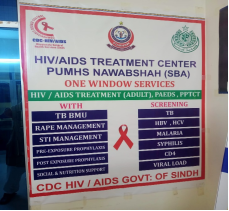
Mother to child transmission of HIV is preventable. Antiretroviral therapy during pregnancy reduces maternal viral load and transmission risk. Rural and low resource areas face barriers such as late diagnosis, weak referral pathways, and limited viral load testing. The CDC HIV Treatment and Support Centre at Peoples Medical College Hospital Nawab shah, Shaheed Benazir Abad, provides an integrated model of care. Adult clients, pediatric clients, and pregnant women are managed under one roof through a one window treatment center. Services include ART initiation, viral load monitoring, adherence support, PMTCT interventions, infant prophylaxis, and early infant diagnosis. This structure ensures coordinated care and continuity across all stages. We report outcomes of 29 HIV positive women who delivered with undetectable viral load and whose infants tested HIV negative. More than 1.3 million women living with HIV give birth globally every year, and without intervention, 15 to 45 percent of infants may acquire HIV during gestation, labor, delivery, or breastfeeding
| [1] | WHO. Consolidated guidelines on HIV prevention, testing, treatment, service delivery and monitoring. Geneva: WHO; 2021. |
[1]
. With antiretroviral therapy, routine monitoring, and infant prophylaxis, the risk can be reduced to less than 5 percent, and in many settings to below 2 percent
| [2] | UNAIDS. Global AIDS Update 2022. Geneva: UNAIDS; 2022. |
[2]
. However, these outcomes are uneven across resource-limited regions due to gaps in care access, follow-up, workforce capacity, and diagnostic availability
| [3] | Ciaranello AL, et al. Cost-effectiveness of PMTCT in resource-limited settings. J Acquir Immune Defic Syndr. 2013; 63(2): e88-97. |
| [19] | PEPFAR. Annual report to Congress on HIV. Washington DC: PEPFAR; 2021. |
| [20] | Vernazza P, et al. Risk of transmission and viral load. Lancet. 1999; 353: 1035-1039. |
[3, 19, 20]
.
Figure 1. One window center.
Pakistan has faced a gradual rise in HIV prevalence among key populations and has reported clusters of pediatric infections in parts of Sindh and Punjab
| [4] | Shapiro RL, et al. Maternal viral load and vertical transmission. N Engl J Med. 2007; 356: 135-147. |
[4]
. Low awareness, stigma, and late diagnosis remain persistent barriers to eliminating vertical transmission. In rural districts such as Nawab shah, health infrastructure is often stretched. Distance from testing centers, shortage of trained staff, and lack of routine viral load monitoring create additional risk for perinatal transmission.
The CDC HIV Treatment Centre at Peoples Medical College Hospital, Nawab shah, is one of the designated one window ART facilities offering diagnosis, counseling, antiretroviral therapy, and prevention of parent-to-child transmission (PPTCT) & ADULT & Peads HIV Management & one location. While national guidelines recommend viral load monitoring during pregnancy, implementation across districts has been variable due to resource constraints.
This case series aims to present real-world evidence showing that with appropriate follow-up, strict adherence monitoring, and coordination between maternity and HIV services, zero transmission can be achieved. The study covers a cohort of 29 HIV-positive pregnant women enrolled during 2024–2025 and tracks their infants through a structured viral load testing schedule across three time points
| [5] | Bhutta ZA, et al. PMTCT outcomes in Asia. Lancet HIV. 2019; 6: e655-64. |
| [11] | Townsend CL, et al. UK national cohort MTCT outcomes. AIDS. 2014; 28: 1049-1057. |
| [13] | Ekouevi DK, et al. PMTCT effectiveness in West Africa. J Acquir Immune Defic Syndr. 2009; 52: 393-400. |
[5, 11, 13]
.
2. Material & Methods
Study design and setting: Descriptive case series at the CDC HIV Treatment Centre, Peoples Medical College Hospital Nawab shah.
Participants: HIV positive pregnant women with documented undetectable viral load at delivery. Interventions:
Maternal ART according to national guidelines Viral load monitoring during pregnancy and at delivery Adherence counselling Delivery planning guided by obstetric needs Infant prophylaxis and PCR based early infant diagnosis Feeding counselling and postnatal follow up:
Outcomes: Primary: infant HIV status at early infant diagnosis. Secondary: maternal ART regimen, mode of delivery, and infant testing points.
Study Design and Setting
This was a prospective case series carried out at the CDC HIV Treatment Centre located at Peoples Medical College Hospital, Nawab shah, Sindh. The center serves both rural and peri-urban populations from surrounding districts and provides ART initiation, laboratory monitoring, counseling, and follow-up.
Study Period
The enrollment period was from January 2024 to December 2025.
Participants
A total of 29 HIV-positive pregnant women were included. Inclusion criteria:
Confirmed HIV diagnosis before or during pregnancy.
Enrollment at the ART Centre at any point during gestation. Intention to deliver at Peoples Medical College Hospital or a linked facility.
Willingness to participate in follow-up for the infant.
Exclusion criteria:
Women who transferred out before delivery.
Women who declined follow-up of the infant.
Maternal Management
Upon enrollment, each woman was either initiated or continued on a first-line ART regimen consistent with national guidelines. Viral load testing was performed during pregnancy to confirm suppression. Counseling addressed treatment adherence, infant feeding, birth planning, and risk reduction.
Adherence support included appointment reminders, counseling sessions, and coordination with primary care providers. Monitoring was documented in patient charts and reviewed periodically by the clinical team.
Delivery and Infant Prophylaxis
All women delivered at Peoples Medical College Hospital or an associated obstetric facility with trained staff aware of HIV protocol. Infant prophylaxis followed national guidelines with appropriate antiretroviral dosing.
Infant Follow-Up and Viral Load Testing
Infant HIV testing occurred at:
6 weeks,
9 months,
16 months.
Viral load testing was used to confirm HIV status, reflecting local practice and laboratory capacity. Negative results at each time point were documented in infant medical records. Adherence to infant appointments was supported by phone contact and linkage with community health workers.
Data Collection and Analysis
All data were extracted from clinical charts, viral load reports, and follow-up logs. This descriptive analysis focused on:
Maternal viral load at delivery,
Completion of antenatal care,
Delivery outcomes,
Infant viral load results,
Retention in follow-up.
No identifiable patient data were recorded in the final report. All procedures adhered to the ethical standards for confidentiality and data handling.
| [1] | WHO. Consolidated guidelines on HIV prevention, testing, treatment, service delivery and monitoring. Geneva: WHO; 2021. |
| [12] | Mofenson LM. Advances in PMTCT. J Infect Dis. 2010; 202: S119-124. |
| [14] | Chi BH, et al. Implementation challenges in rural Africa. J Int AIDS Soc. 2015; 18: 20022. |
| [16] | CDC. HIV surveillance report. Atlanta: CDC; 2020. |
| [17] | Pakistan National AIDS Control Program. National HIV Treatment Guidelines. Islamabad: NACP; 2021. |
[1, 12, 14, 16, 17]
.
3. Results
Table 1. Maternal and Infant Outcomes.
Characteristic | Findings (n=29) |
Maternal ART regimen | LTD: 1st line; AZT+3TC+NVP: 3; Second line: 2 |
Mode of delivery | Vaginal: 07; Caesarean: 22 |
Infant prophylaxis | All new born babies received nevirapine for 6 weeks |
Infant testing points | PCR 6 weeks (after NVP), 9 months, 16 months (all negative) |
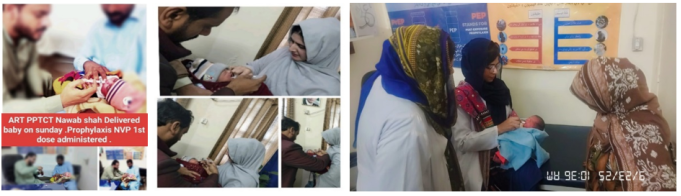
Figure 2. ART Staff Administering the Prophylaxis.
Maternal Characteristics
The 29 pregnant women ranged from early 20s to mid-30s. A majority were from low-income households with limited literacy. Several resided in rural villages outside central Nawab shah. All had either been diagnosed with HIV before pregnancy or identified through antenatal screening. All mothers were on ART before delivery and had undetectable viral load at the time of labor. No treatment interruptions were recorded. Counselling emphasized medication adherence and follow-up scheduling.
The coordination between the ART Centre and maternity services allowed planned deliveries in facilities prepared for PPTCT management.
Delivery Outcomes
All 29 women delivered in facilities linked to the ART Centre. No cases of home delivery were reported. Skilled birth attendants were present in every case. Delivery types included spontaneous vaginal deliveries and a limited number of medically indicated cesarean sections. No delivery complications that affected HIV management occurred.
Immediate infant prophylaxis was administered. Staff documented dosing and infant identification in clinical records.
Infant HIV Testing Outcomes
All 29 infants received follow-up viral load testing at three predefined time points:
6 weeks viral load test:
9 months viral load test:
16 months viral load test:
There was no loss to follow-up. No infant deaths due to HIV-related illness occurred. The consistent negative.
results confirm that no vertical transmission took place in this cohort.
Retention and Adherence
Mothers adhered to ART throughout pregnancy and delivery. Infants were brought for each scheduled follow-up visit. Community health workers and clinic staff provided reminders and support.
Infant feeding varied based on counselling and maternal viral load status, but no cases of transmission associated with feeding were observed.
Summary of Key Outcomes
Total mothers enrolled: 29
Maternal viral load at delivery: Undetectable in all cases
Infant HIV status: All negative at 6 weeks, 9 months, and 16 months
Transmission rate: 0 percent
Loss to follow-up: 0
Infant mortality related to HIV: 0
4. Discussion
The absence of vertical transmission in this cohort reflects the impact of maternal viral suppression, adherence counselling, and integrated care. The one window model at Nawab shah allowed pregnant women, pediatric clients, and adults to access services at the same center, ensuring continuity. Regular viral load testing, ART adherence, and close follow up of infants were critical. These findings are consistent with international evidence. Studies in sub-Saharan Africa and Asia have shown that maternal viral suppression reduces MTCT risk to less than 2%. WHO has set elimination targets of MTCT rate <5% and case rate <50 per 100,000 live births. Our results show that even in rural Sindh, integrated PMTCT can achieve outcomes aligned with global goals. The study also highlights the importance of program structure. A single-window integrated service ensures efficiency, reduces loss to follow up, and maximizes maternal and infant outcomes. This can serve as a model for replication in similar low-resource settings.
1) Viral load Suppression.
Maternal viral load remains the strongest predictor of transmission
| [5] | Bhutta ZA, et al. PMTCT outcomes in Asia. Lancet HIV. 2019; 6: e655-64. |
[5]
. In this cohort, universal suppression at delivery made direct transmission during labor highly unlikely.
2) Facility-based Deliveries.
All women delivered in health facilities, removing the risk associated with unmonitored home births
| [6] | Painter TM, et al. PMTCT adherence support. AIDS Care. 2004; 16(4): 495-508. |
[6]
. Skilled attendance ensured adherence to PPTCT protocols.
3) Structured Follow Up.
Three time-point viral load testing—at 6 weeks, 9 months, and 16 months—provided full confirmation of the negative status of all infants. No cases were missed or lost to follow-up, which is uncommon in many rural settings
| [7] | Kuhn L, et al. Infant testing strategies. Clin Infect Dis. 2010; 50: 447-456. |
[7]
.
4) Counselling and Adherence Support.
Effective communication about medication, delivery, and feeding minimized default. Shared involvement of community health workers and hospital staff played a major role in ensuring adherence.
5) Integration with Maternal Health Services.
One of the persistent challenges in rural Pakistan is the fragmentation between obstetric and HIV services. This case series showed how a coordinated model sustains continuity of care.
Comparison With Other Studies
Studies from sub-Saharan Africa have reported transmission rates as low as 1–2 percent with strict ART and monitoring
| [8] | Stringer EM, et al. Evaluation of PMTCT programs. PLoS Med. 2011; 8: e1001015. |
[8]
. Some regions of South Asia have shown mixed results due to late diagnosis and poor follow-up
| [9] | Chasela CS, et al. Maternal ART and breastfeeding. N Engl J Med. 2010; 362: 2271-2281. |
[9]
. The zero-transmission shown here demonstrates the impact of consistent viral load use and antenatal tracking
| [11] | Townsend CL, et al. UK national cohort MTCT outcomes. AIDS. 2014; 28: 1049-1057. |
| [13] | Ekouevi DK, et al. PMTCT effectiveness in West Africa. J Acquir Immune Defic Syndr. 2009; 52: 393-400. |
| [18] | World Bank. HIV in South Asia: regional update. Washington DC: World Bank; 2022. |
[11, 13, 18]
.
Public Health Implications
These results can guide policy reforms in Pakistan. Investment in viral load monitoring, training of rural health workers, and strengthening referral systems can replicate similar outcomes. Early antenatal enrolment and integrated service planning are essential steps.
Challenges Noted
While successful, the program required active coordination and reliable supply of testing consumables. Expansion to other districts will need stable funding and workforce support. The broader context of stigma and delayed registration may still limit universal coverage
| [3] | Ciaranello AL, et al. Cost-effectiveness of PMTCT in resource-limited settings. J Acquir Immune Defic Syndr. 2013; 63(2): e88-97. |
| [9] | Chasela CS, et al. Maternal ART and breastfeeding. N Engl J Med. 2010; 362: 2271-2281. |
| [10] | Taha TE, et al. Early infant diagnosis in resource-limited settings. AIDS. 2008; 22: 795-802. |
| [17] | Pakistan National AIDS Control Program. National HIV Treatment Guidelines. Islamabad: NACP; 2021. |
| [15] | Brocklehurst P, Volmink J. Antiretrovirals for PMTCT. Cochrane Database Syst Rev. 2002;(2): CD003510. |
[3, 9, 10, 17, 15]
.
5. Conclusion
The CDC HIV Treatment Centre, Peoples Medical College Hospital Nawab shah, demonstrated that even in rural Sindh, PMTCT interventions can achieve zero vertical transmission when implemented consistently. Scaling this model can improve outcomes across similar settings. This case series demonstrates that complete prevention of parent-to-child HIV transmission is achievable in a resource-limited rural district when ART adherence, viral load monitoring, and structured infant follow-up are integrated. All 29 infants born to HIV-positive mothers between 2024 and 2025 at the CDC HIV Treatment Centre, Peoples Medical College Hospital, Nawab shah, remained HIV-negative through 16-month follow-up.
These findings should encourage expansion of PPTCT services using similar models in other rural districts. Consistent maternal viral suppression and scheduled infant viral load testing can eliminate vertical transmission even in constrained health systems.
6. Recommendation
A diversified strategy is needed to address the high death rate linked to HIV/TB co-infection:
Integrated Care treatments: By combining HIV and AIDS at one window treatments centers as ART Nawab shah, it is possible to improve patient outcomes by facilitating early detection and coordinated treatment as like one Window Service or One door Service for these ADULT, PAEDS, and PPTCT.
Early ART Initiation: It has been demonstrated that prompt antiretroviral medication initiation in co-infected patients lowers mortality by re-establishing immune function.
| [8] | Stringer EM, et al. Evaluation of PMTCT programs. PLoS Med. 2011; 8: e1001015. |
| [19] | PEPFAR. Annual report to Congress on HIV. Washington DC: PEPFAR; 2021. |
| [20] | Vernazza P, et al. Risk of transmission and viral load. Lancet. 1999; 353: 1035-1039. |
[8, 19, 20]
.
Preventive Therapy: By administering PREP preventive therapy to Partner of people with HIV, to save the incidence of active HIV to Partner.
Abbreviations
PLHIV | Patient Living with HIV |
HIV | Human Immunodeficiency Virus |
AIDS | Acquired Immunodeficiency Syndrome |
PMTCT | Prevention from Mother to Child Transmission |
PPTCT | Prevention from Parents to Child Transmission |
ATT | Anti TB Treatment |
Acknowledgments
We thank the staff of CDC HIV Treatment Centre Nawab shah for their dedicated service and the mothers and infants for their trust.
Author Contributions
Ubedullah Malik: Data curation, Conceptualization, Software, Investigation.
Ghulam Qadir Rajput: Project administration, Supervision, Validation, Resources.
Shumaila Rind: Investigation, Formal Analysis, Methodology, Supervision.
Mumtaz Rahu: Investigation, Validation, Funding acquisition.
Paras Tunio: Writing – review & editing, Writing – original draft, Resources.
Naila Altaf: Visualization, Validation. Methodology.
Gul Naz Khan: Resources.
Mehak Talha: Formal Analysis.
Conflicts of Interest
The authors declare that they have no known competing financial interests or personal relationships that could have appeared to influence the work reported in this paper. The authors declare no any financial interests/personal relationships which may be considered as potential competing interests.
References
| [1] |
WHO. Consolidated guidelines on HIV prevention, testing, treatment, service delivery and monitoring. Geneva: WHO; 2021.
|
| [2] |
UNAIDS. Global AIDS Update 2022. Geneva: UNAIDS; 2022.
|
| [3] |
Ciaranello AL, et al. Cost-effectiveness of PMTCT in resource-limited settings. J Acquir Immune Defic Syndr. 2013; 63(2): e88-97.
|
| [4] |
Shapiro RL, et al. Maternal viral load and vertical transmission. N Engl J Med. 2007; 356: 135-147.
|
| [5] |
Bhutta ZA, et al. PMTCT outcomes in Asia. Lancet HIV. 2019; 6: e655-64.
|
| [6] |
Painter TM, et al. PMTCT adherence support. AIDS Care. 2004; 16(4): 495-508.
|
| [7] |
Kuhn L, et al. Infant testing strategies. Clin Infect Dis. 2010; 50: 447-456.
|
| [8] |
Stringer EM, et al. Evaluation of PMTCT programs. PLoS Med. 2011; 8: e1001015.
|
| [9] |
Chasela CS, et al. Maternal ART and breastfeeding. N Engl J Med. 2010; 362: 2271-2281.
|
| [10] |
Taha TE, et al. Early infant diagnosis in resource-limited settings. AIDS. 2008; 22: 795-802.
|
| [11] |
Townsend CL, et al. UK national cohort MTCT outcomes. AIDS. 2014; 28: 1049-1057.
|
| [12] |
Mofenson LM. Advances in PMTCT. J Infect Dis. 2010; 202: S119-124.
|
| [13] |
Ekouevi DK, et al. PMTCT effectiveness in West Africa. J Acquir Immune Defic Syndr. 2009; 52: 393-400.
|
| [14] |
Chi BH, et al. Implementation challenges in rural Africa. J Int AIDS Soc. 2015; 18: 20022.
|
| [15] |
Brocklehurst P, Volmink J. Antiretrovirals for PMTCT. Cochrane Database Syst Rev. 2002;(2): CD003510.
|
| [16] |
CDC. HIV surveillance report. Atlanta: CDC; 2020.
|
| [17] |
Pakistan National AIDS Control Program. National HIV Treatment Guidelines. Islamabad: NACP; 2021.
|
| [18] |
World Bank. HIV in South Asia: regional update. Washington DC: World Bank; 2022.
|
| [19] |
PEPFAR. Annual report to Congress on HIV. Washington DC: PEPFAR; 2021.
|
| [20] |
Vernazza P, et al. Risk of transmission and viral load. Lancet. 1999; 353: 1035-1039.
|
Cite This Article
-
APA Style
Malik, U., Rajput, G. Q., Rind, S., Rahu, M., Tunio, P., et al. (2026). Eliminating Parent-to-Child HIV Transmission in Rural Sindh: A Case Series from a Low-resource Setting at CDC HIV Treatment Centre, Nawab Shah. Science Discovery Public Health, 1(1), 12-17. https://doi.org/10.11648/j.sdph.20260101.12
 Copy
|
Copy
|
 Download
ACS Style
Malik, U.; Rajput, G. Q.; Rind, S.; Rahu, M.; Tunio, P., et al. Eliminating Parent-to-Child HIV Transmission in Rural Sindh: A Case Series from a Low-resource Setting at CDC HIV Treatment Centre, Nawab Shah. Sci. Discov. Public Health 2026, 1(1), 12-17. doi: 10.11648/j.sdph.20260101.12
Copy
|
Download
AMA Style
Malik U, Rajput GQ, Rind S, Rahu M, Tunio P, et al. Eliminating Parent-to-Child HIV Transmission in Rural Sindh: A Case Series from a Low-resource Setting at CDC HIV Treatment Centre, Nawab Shah. Sci Discov Public Health. 2026;1(1):12-17. doi: 10.11648/j.sdph.20260101.12
Copy
|
Download
-
@article{10.11648/j.sdph.20260101.12,
  author = {Ubedullah Malik and Ghulam Qadir Rajput and Shumaila Rind and Mumtaz Rahu and Paras Tunio and Naila Altaf and Gul Naz Khan and Mehak Talha},
  title = {Eliminating Parent-to-Child HIV Transmission in Rural Sindh: A Case Series from a Low-resource Setting at CDC HIV Treatment Centre, Nawab Shah},
  journal = {Science Discovery Public Health},
  volume = {1},
  number = {1},
  pages = {12-17},
  doi = {10.11648/j.sdph.20260101.12},
  url = {https://doi.org/10.11648/j.sdph.20260101.12},
  eprint = {https://article.sciencepublishinggroup.com/pdf/10.11648.j.sdph.20260101.12},
  abstract = {Background: Preventing parent to child transmission of HIV remains a priority in resource limited settings. We report outcomes of 29 HIV positive women managed at the CDC HIV Treatment Centre, Peoples Medical College Hospital Nawab shah, Shaheed Benazir Abad. All women delivered while maternal viral load was undetectable or not detected. Parent-to-child transmission of HIV remains a health challenge in rural districts of Pakistan where access to viral load monitoring, consistent antiretroviral therapy (ART), and structured delivery services is often limited. This case series documents outcomes from a rural ART Centre in Sindh. Methods: This is a descriptive case series of consecutive pregnant women who received antenatal care, ART, and delivery care at the treatment center. Interventions included maternal ART, viral load monitoring, adherence support, infant prophylaxis, early infant diagnosis, and feeding counselling. Primary outcome was infant HIV status. Secondary outcomes included mode of delivery, maternal adherence, and programmatic lessons. From January 2024 to December 2025, 29 HIV-positive pregnant women were enrolled at the CDC HIV Treatment Centre, Peoples Medical College Hospital, Nawab shah. All mothers were provided ART and monitored for viral load suppression before delivery. Infant HIV testing was conducted at 6 weeks, 9 months, and 16 months using viral load testing. Results: Between the study period, 29 HIV positive women delivered under care at the center with maternal viral load reported as negative or not detected at the time of delivery. All 29 infants were HIV negative on early infant diagnosis. No case of vertical transmission was detected. All 29 mothers achieved undetectable viral load at the time of delivery. Each infant received prophylaxis according to national protocols. All infants tested HIV-negative at 6 weeks, 9 months, and 16 months. There were no cases of loss to follow-up or infant mortality related to HIV. Conclusions: In this rural setting, a focused PMTCT program achieved zero detected vertical transmissions among 29 consecutive deliveries where mothers had undetectable viral load at delivery. These results show that standard PMTCT interventions can be effective when delivered consistently, even with limited resources. This research is all based on rural area Pakistan in Sindh province. This case series demonstrates that complete prevention of parent-to-child transmission of HIV is possible in a low-resource rural setting when viral suppression and structured follow-up are ensured. The findings provide a practical model for replication in Pakistan and similar contexts.},
 year = {2026}
}
Copy
|
Download
-
TY  - JOUR
T1  - Eliminating Parent-to-Child HIV Transmission in Rural Sindh: A Case Series from a Low-resource Setting at CDC HIV Treatment Centre, Nawab Shah
AU  - Ubedullah Malik
AU  - Ghulam Qadir Rajput
AU  - Shumaila Rind
AU  - Mumtaz Rahu
AU  - Paras Tunio
AU  - Naila Altaf
AU  - Gul Naz Khan
AU  - Mehak Talha
Y1  - 2026/02/28
PY  - 2026
N1  - https://doi.org/10.11648/j.sdph.20260101.12
DO  - 10.11648/j.sdph.20260101.12
T2  - Science Discovery Public Health
JF  - Science Discovery Public Health
JO  - Science Discovery Public Health
SP  - 12
EP  - 17
PB  - Science Publishing Group
UR  - https://doi.org/10.11648/j.sdph.20260101.12
AB  - Background: Preventing parent to child transmission of HIV remains a priority in resource limited settings. We report outcomes of 29 HIV positive women managed at the CDC HIV Treatment Centre, Peoples Medical College Hospital Nawab shah, Shaheed Benazir Abad. All women delivered while maternal viral load was undetectable or not detected. Parent-to-child transmission of HIV remains a health challenge in rural districts of Pakistan where access to viral load monitoring, consistent antiretroviral therapy (ART), and structured delivery services is often limited. This case series documents outcomes from a rural ART Centre in Sindh. Methods: This is a descriptive case series of consecutive pregnant women who received antenatal care, ART, and delivery care at the treatment center. Interventions included maternal ART, viral load monitoring, adherence support, infant prophylaxis, early infant diagnosis, and feeding counselling. Primary outcome was infant HIV status. Secondary outcomes included mode of delivery, maternal adherence, and programmatic lessons. From January 2024 to December 2025, 29 HIV-positive pregnant women were enrolled at the CDC HIV Treatment Centre, Peoples Medical College Hospital, Nawab shah. All mothers were provided ART and monitored for viral load suppression before delivery. Infant HIV testing was conducted at 6 weeks, 9 months, and 16 months using viral load testing. Results: Between the study period, 29 HIV positive women delivered under care at the center with maternal viral load reported as negative or not detected at the time of delivery. All 29 infants were HIV negative on early infant diagnosis. No case of vertical transmission was detected. All 29 mothers achieved undetectable viral load at the time of delivery. Each infant received prophylaxis according to national protocols. All infants tested HIV-negative at 6 weeks, 9 months, and 16 months. There were no cases of loss to follow-up or infant mortality related to HIV. Conclusions: In this rural setting, a focused PMTCT program achieved zero detected vertical transmissions among 29 consecutive deliveries where mothers had undetectable viral load at delivery. These results show that standard PMTCT interventions can be effective when delivered consistently, even with limited resources. This research is all based on rural area Pakistan in Sindh province. This case series demonstrates that complete prevention of parent-to-child transmission of HIV is possible in a low-resource rural setting when viral suppression and structured follow-up are ensured. The findings provide a practical model for replication in Pakistan and similar contexts.
VL  - 1
IS  - 1
ER  -
Copy
|
Download






 Share This Article
 Twitter
 Linked In
 Facebook