Research Article | | Peer-Reviewed

The Influence of Psychological Skills on Competitive Performance Among Male Ethiopian Premier League Basketball Players

Received: 15 February 2026     Accepted: 1 July 2026     Published: 17 August 2026
Views:       Downloads:
Abstract

The present study examined the influence of selected psychological skills on competitive performance among male Ethiopian Premier League basketball players during the 2024–2025 season. The study investigated whether psycho-logical factors, including goal setting and mental preparation, confidence and achievement motivation, coachability, concentration, coping with adversity, peaking under pressure, and freedom from worry, were associated with team performance. A total of 105 male players from seven Ethiopian Premier League clubs participated in the study. Psy-chological skills were assessed using the Athletic Coping Skills Inventory-28 (ACSI-28), while team performance was determined according to the final league standings. The findings revealed that players from high-performing teams scored significantly higher in goal setting and mental preparation, concentration, coping with adversity, and peaking under pressure than players from low-performing teams. These results suggest that athletes who effectively plan, maintain focus, manage setbacks, and perform under competitive pressure are more likely to contribute to successful team performance. In contrast, confidence and achievement motivation, coachability, and freedom from worry did not differ significantly between high- and low-performing teams, indicating that these variables were not strong predictors of competitive success in this study. Overall, the findings highlight the importance of psychological preparedness in elite basketball and support the integration of psychological skills training into coaching programmes. Future research should include larger samples, mixed-method approaches, and broader competitive settings to further investigate the role of psychological skills in Ethiopian basketball.

Published in Psychology and Behavioral Sciences (Volume 15, Issue 4)
DOI 10.11648/j.pbs.20261504.12
Page(s) 66-75
Creative Commons

This is an Open Access article, distributed under the terms of the Creative Commons Attribution 4.0 International License (http://creativecommons.org/licenses/by/4.0/), which permits unrestricted use, distribution and reproduction in any medium or format, provided the original work is properly cited.

Copyright

Copyright © The Author(s), 2026. Published by Science Publishing Group

Keywords

Psychological Skills, Basketball Performance, Coping, Concentration, Ethiopia

1. Background of the Study
In recent decades, the integration of psychological preparation has become a major component of athletic success in competitive sport. While technical proficiency, tactical awareness, and physical conditioning are important, it is the psychological skills that ultimately decide how well athletes are able to perform these capacities in competition, according to researchers and practitioners . The fast-paced and continuous nature of basketball means that it is a sport that requires quick decision- making, prolonged concentration, and the ability to regulate one’s emotions under duress. The greater the level of competition, the more mental hurdles players encounter. This suggests the necessity for structured psychological skills training to help players perform at their best.
Many empirical studies have found the great importance of psychological abilities, including goal planning, mental preparation, dealing with adversity, and attention on winning and the difference between high- and low-performing athletes . These qualities help players cope with stressful situations, remain cheerful, and handle setbacks encountered in their matches. However, research is largely weak in African contexts, and psychological support systems are not yet systematically integrated into top basketball training programmes. The Premier League in Ethiopia is becoming more and more competitive, but coaching practices are more focused on physical and tactical preparation, and psychological fitness is often neglected.
The ambition of Ethiopian basketball to raise its performance standards and to compete internationally requires a better understanding of the psychological demands that are placed on Premier League players. Investigating the connection between certain psychological qualities and team performance may offer evidence-based recommendations for coaching methods, athlete development, and resource distribution. In this context, the present study aims to evaluate the impact of some selected psychological abilities on performance outcomes of male Ethiopian Premier League basketball players .
In recent times, improvements have been noticed in the performance of basketball at elite level in Ethiopia, wide variances in success in the team have been recorded in the Premier League contests. Physical conditioning and tactical execution are well known as essential determinants for performance. However, variable match outcomes imply that other psychological aspects may be crucial to achieve competitive success. Psychological skills training is not systematically implemented in basketball coaching in Ethiopia. There is a lack of scientific evidence to help coaches and sport administrators identify psychological qualities that are most related to performance.
Initial observations suggest that certain teams have more of an ability to maintain focus, deal with pressure and recover from mistakes, skills often linked to mental preparation. Yet, because to the lack of research-based information, coaches may not be completely aware of the psychological abilities that distinguish high-performing teams from their lower-performing counterparts in the Premier League setting. Without this knowledge, athlete development programmes risk missing important mental dimensions of performance that could limit players’ ability to execute consistently during critical periods in competition.
Hence, the topic under investigation in this study is the lack of empirical information on the role of psychological skills to competitive performance among male Ethiopian Premier League basketball players. This gap hinders evidence-based decision-making in sports preparation and hampers the development of holistic training programmes that include mental, physical, and tactical components. Research Questions and Hypotheses: What is the effect of selected psychological skills on the competitive performance of male Ethiopian Premier League basketball teams? What are the psychological skill components that significantly separate successful and low-performing teams? Are there any psychological skills that are not significantly associated with competitive performance among Premier League basketball players? The purpose of the study was to assess the effect of chosen psychological abilities on the competitive performance of male Ethiopian Premier League basketball players.
The study adds to the increasing literature in the field of sport psychology by giving empirical information on the relevance of psychological abilities in competitive basketball in the Ethiopian environment. The results have practical implications for coaches, sport psychologists, and basketball administrators in that they detail the psychological skills that are most influential on performance outcomes. Such information can influence the development of specific psychological skills training programmes to improve athletes’ mental preparedness and consistency in competition. The study also contributes to the literature on sport psychology based in Africa, and encourages the development of culturally informed mental skills interventions for team sports.
2. Methodology
The major objective of the present study was to examine the role of sport psychology in basketball performance. For this study, the researcher chose the descriptive research approach. A short outline of methodologies used in the present investigation is reported in this section. The primary themes include: design of selection of participants, selection of variables, test process, reliability of the instrument, measurement tools, and statistical analysis.
2.1. Subject Selection
The study in question was to determine the role of psychological skill, mental toughness and team cohesion for male Ethiopian Premier League basketball teams. To achieve the purpose of the study, convenience sampling was used to select seven clubs (105 male basketball players) who are living in Addis Ababa, the capital city of Ethiopia, from the total 7 basketball teams that participated in the 2024/25-year Ethiopian Premier League tournament. The participants were aged between 18 and 33 years (M = 23.12, SD = 2.57). But the researcher picked the following clubs (i.e. Gambela Kenema basketball club (N=15), Sheger City BBC (N=15), Hawassa Kenema BBC (N=15), Ethiopian Sport Academy BBC (N=15), Wolkite Ketema BBC (N=15), Wukro Kenema BBC (N=15), and Fasil Kenema basketball club (N=15). The distance from the homeland made clubs that were very far from each other impossible due to financial and time limitations; other variables affected the researcher, who was focused on the above teams as the target population of his study. Total Participants 105 7 Teams Members.
2.2. Variables of Selection
In this study, the research scholar reviewed the existing scientific literature about the psychological skills assessments, mental toughness factors, and team cohesiveness variables from books, journals, periodicals, magazines, and research papers. The following variables and tests were selected Firstly independent variables (Confidence and achievement motivation, Goal setting/mental preparation, Concentration, Freedom from worry, Coach ability, peaking under pressure, and Coping with adversity Secondly dependent variable is Individual and team performance indicators (final ranking in the tournament) Lastly the demographic information gathered included the following: age, playing position, number of years spent playing basketball at Premier League level, club or team represented and number of years involved with the current team.
2.3. The Athletic Coping Skills Inventory-28 (ACSI-28)
The athletes’ psychological coping skills were assessed with the Athletic Coping Skills Inventory-28 (ACSI-28; . This self-report questionnaire has 28 items measuring seven particular sport-related coping skills: goal planning and mental preparation, coping with adversity, performing under pressure, coachability, freedom from concern, confidence and achievement motivation, and concentration. Participants reported how often they encountered each event on a 4-point scale from 0 (rarely) to 3 (nearly always). Each of the seven subscales consists of four items, and the scores are averaged to range from 0 to 3. The subscale values were totaled to create a total personal coping resource score. The original subscales have strong internal consistency, with dependability (alpha) between 0.62 and 0.78. The total coping resource score had a good reliability of 0.86, supporting the efficiency of the questionnaire in measuring the coping skills of athletes.
2.4. Test Procedures: Administration of Testing
The research was on the Ethiopian Premier League basketball competition. Ethical permission was received from each of the selected clubs. The nature and objective of the research project were explained to the players, and informed consent forms were signed. Subjects were notified that their data would be handled confidentially and utilized solely for the research purpose. Afterwards, participants filled out the demographic, general information questionnaire, and a selected sport psychological factors questionnaire. The questionnaire was prepared in Amharic and English.
2.5. Measurement of Performance
The measure of performance for the teams was the final rank of each team in the competition. Teams were categorized as top performers (first place) and worst performers (last place) according to their final rankings. This led to a ranking from 1 to 7. The teams were the unit of analysis, rather than the individual players, following suggestion that the level of analysis should be that of the unit under consideration, in this case the team.
2.6. Reliability of the Data
The descriptive statistics and alpha coefficients for the ACSI-28 subscales are presented. The overall internal consistency of the ACSI-28 and its measures was adequate. However, there were problems with one of the subscales. One of the SMTQ subscale (confidence) were found to have inadequate internal consistency (α ≤ 0.50). The Alpha Coefficient for Psychological Skill,.996 up to 1.
2.7. Statistical Analysis
The primary data elements, before being put through detailed analysis packages, were checked for any omissions and misrepresentations through editing, coded for simplicity and organization, and tabulated for distribution. As they do represent current practices of handling quantitative data inputs, simplistic software packages such as the statistical packages SPSS and STATA were adopted to analyze and present primary data inputs collected through questionnaires. Cronbach’s alpha coefficients were determined to evaluate the internal consistencies of the ACSI-28 subscales.
The teams were divided into two groups based on their final position on the log (i.e., high- and low-performing teams) and compared by means of a one-way analysis of variance (ANOVA) to examine differences in psychological skills. Additionally, effect sizes (ES) were used to determine practically significant differences between the various positional groups for each of the different subscales. ES was calculated using the formula described by , that is, ES = (M1 - M2)/s. Here, M1 = the mean value of the first positional group in the comparison, M2 = the mean value of the second positional group in the comparison, and s = the standard deviation.
The pooled standard deviation (Sp) was used, calculated by means of the following formula:
Sp= n1-1S12+n2-1S22n1+n2-2
Here, S12 = the variance of the participants in the first positional group; S22 = the variance of the participants in the second positional group; n1 = the number of participants in the first positional group; n2 = the number of participants in the second positional group.
Effect sizes are expressed as Cohen‘s d-value and can be interpreted as follows: an ES of more or less 0.8 is large; an ES of more or less 0.5 is moderate; and an ES of more or less 0.2 is small .
Table 1 shows the statistical analysis of the selected psychological skills for group basketball players. The sub-scale means, as well as teams/groups/ and total scores for the ACSI, 28 are represented.
Table 1. Mean, Standard Deviation, and t- t-ratio of psychological skills among Teams.

Athletic Coping Skills Inventor -28

Team log positions for the Ethiopian basketball premier league tournaments.

No

Mean

Std. Dev.

Group position team

High-performing team (no 1)

Less-performing team (no 7)

Me an

Std. Dev.

Me an

Std. Dev

Goal setting/ mental preparation

1 Gambela Kenema

15

2.63

0.60

2.29

0.67

1.91

0.78

2 Sheger City

15

2.21

0.76

3 Hawassa Kenema

15

2.40

0.56

4 Ethiopian Sport Academy

15

1.90

0.74

t- value = 4.00* p- value= 0.0003

5 Wolkite Ketema

15

1.92

0.68

6 Wukro Kenema

15

1.93

0.84

7 Fasil Kenema

15

1.89

0.78

Confidence and achievement motivation

1 Gambela Kenema

15

.71

.49

0.86

0.76

0.57

0.53

2 Sheger City

15

1.20

.92

3 Hawassa Kenema

15

.86

.42

4 Ethiopian Sport Academy

15

.76

.90

t-value= -1.00 p-value= 0.3286

5 Wolkite Ketema

15

.23

.50

6 Wukro Kenema

15

.77

.58

7 Fasil Kenema

15

.75

.52

Coach ability

1 Gambela Kenema

15

2.63

.58

2.67

0.53

2.36

0.64

2 Sheger City

15

2.79

.54

3 Hawassa Kenema

15

2.83

.53

4 Ethiopian Sport Academy

15

2.83

.45

t-value = 1.59 p-value = 0.15

5 Wolkite Ketema

15

2.63

.64

6 Wukro Kenema

15

2.26

.72

7 Fasil Kenema

15

2.28

.56

Concentration

1 Gambella Kenema

15

2.80

.40

2.65

0.63

2.47

0.71

2 Sheger City

15

2.57

.64

3 Hawassa Kenema

15

2.61

.69

4 Ethiopian Sport Academy

15

2.61

.75

t-value = 2.90* p-value = 0.0054

5 Wolkite Ketema

15

2.5

.58

6 Wukiro Kenema

15

2.30

.78

7 Fasil Kenema

15

2.60

.77

Copy with adversity

1 Gambela Kenema

15

2.73

.45

2.40

0.66

1.87

0.96

2 Sheger City

15

2.5

.70

3 Hawassa Kenema

15

2.57

.57

4 Ethiopian Sport Academy

15

1.80

.89

5 Wolkite Ketema

15

1.69

1.04

t-value = 4.00* p-value = 0.0003

6 Wukro Kenema

15

2.03

.77

7 Fasil Kenema

15

1.88

.1.06

Peaking under pressure

1 Gambela Kenema

15

2.69

.54

2.24

0.56

1.61

0.83

2 Sheger City

15

2.42

.64

3 Hawassa Kenema

15

2.40

.46

t-value = 5.16* p-value = 0.0000

4 Ethiopian Sport Academy

15

1.46

.58

5 Wolkite Ketema

15

1.65

.84

6 Wukro Kenema

15

1.69

.83

7 Fasil Kenema

15

1.48

.82

Freedom from worry

1 Gambela Kenema

15

1.83

.82

1.97

0.83

2.05

0.92

2 Sheger City

15

2.48

.75

3 Hawassa Kenema

15

1.84

.67

t-value = -1.24 p-value = 0.18

4 Ethiopian Sport Academy

15

2.02

.96

5 Wolkite Ketema

15

2.06

1.05

6 Wukro Kenema

15

2.04

.80

7 Fasil Kenema

15

2.05

.92

*significant at 0.01 level, df=103
As can be seen from Table 1 above, the composite psychological skill of sub-variables was scored and interpreted below:
There is a significant difference observed for goal setting/mental preparation on performance concerning teams ‘eventual log positions. Players from high-performing teams reported higher goal-setting and mental preparation skills (M = 2.29, SD = 0.67) than players from less-performing teams (M = 1.91, SD = 0.78). This suggests that effective goal setting and mental preparation are associated with superior team performance in the Ethiopian Basketball Premier League.
Supporting this funding, as goal-setting theory stated that: (a) hard goals lead to a higher level of performance than do easy goals, and (b) Specific goals lead to better performance than do general goals (e.g., "do your best" instructions) or no goals. A popular method of assessing goal-setting behavior is through the evaluation of an individual's level of aspiration prior to, during, and/or following performance on particular tasks. This can be accomplished as part of a goal-setting program specific to each athlete.
In addition, examined the effects of a goal-setting training program on basketball free-throw performance. Participants were either assigned to a goal-training or a no-goal-training group. Results indicated there were no significant differences between the two groups on free-throw accuracy. However, it was revealed that participants in the goal-training group had higher perceptions of success and efficacy expectations than did the no goal-training group at the end of the program.
Confidence and achievement motivation
As can be seen, the above table indicates that Players from high-performing teams showed slightly higher confidence and achievement motivation (M = 0.86, SD = 0.76) compared to players from less-performing teams (M = 0.57, SD = 0.53). However, the difference between the two groups was small and not statistically significant, indicating that confidence and achievement motivation may not clearly distinguish team performance levels in this context.
Coachability, as can be seen from the above table, indicates that players from high-performing teams demonstrated slightly higher levels of coachability (M = 2.67, SD = 0.53) than players from less-performing teams (M = 2.36, SD = 0.64). Although the mean difference favors high-performing teams, the variation between groups suggests that coachability alone may not be a strong differentiating factor in team performance.
Table 1 Shows that there is a significant difference in mean score for concentration on performance about the teams ‘tournament log positions. Players from high-performing teams reported higher levels of concentration (M = 2.65, SD = 0.63) compared to players from less-performing teams (M = 2.47, SD = 0.71). This suggests that greater attentional focus and consistency may be associated with better team performance in the Ethiopian Basketball Premier League.
The above Table 1 indicates that a significant difference in mean score between the high-performing and lower-performing teams was found for coping with adversity in performance about the teams ‘eventual log placements. Players from high-performing teams demonstrated higher coping with adversity skills (M = 2.40, SD = 0.66) than players from less-performing teams (M = 1.87, SD = 0.96). This indicates that athletes in successful teams are better able to manage setbacks and maintain performance under challenging conditions.
As can be seen from Table 1, Players from high-performing teams demonstrated higher levels of peaking under pressure (M = 2.24, SD = 0.56) compared to players from less-performing teams (M = 1.61, SD = 0.83). This suggests that the ability to perform optimally in high-pressure situations is an important psychological characteristic associated with superior team performance in the Ethiopian Basketball Premier League.
The scores in Table 1 showed that there was a statistically significant difference in the mean score for freedom from worry on performance at all teams about their log positions. Players from high-performing teams reported slightly lower levels of freedom from worry (M = 1.97, SD = 0.83) compared to players from less-performing teams (M = 2.05, SD = 0.92). However, the small difference and overlapping variability suggest that freedom from worry does not meaningfully distinguish between high- and less-performing teams in the Ethiopian Basketball Premier League.
In general, based on the above analysis of the overall subscale psychological skills between the high-performing and less-performing teams, significant differences were observed between high- and less-performing teams in goal setting/mental preparation, concentration, coping with adversity, and peaking under pressure, with high-performing teams demonstrating superior psychological skills. No significant differences were found in confidence and achievement motivation, coachability, or freedom from worry. Additionally, the independent samples t-test revealed a statistically significant difference in overall psychological skills between players from high-performing and less-performing teams, t (103) = 4.62, p < 0.001. Players from high-performing teams demonstrated higher overall psychological skills (M = 2.15, SD = 0.49) compared to those from less-performing teams (M = 1.83, SD = 0.56). The magnitude of the difference was moderate to large (Cohen’s d = 0.62), suggesting that psychological skills play an important role in team success in the Ethiopian Basketball Premier League.
These findings were consistent with other investigations, as suggested that Professional athletes believe that psychological factors, including goal setting and motivation, play an important role in their successes. Today, sport psychologists are very frequently employed in professional sport to meet the needs arising in this area. They help athletes learn psychological skills. Some coaches and athletes don‘t know how to prepare athletes psychologically, and they are not aware of the effects of this method; as a result, they neglect it. While physical preparation has been considered previously as an important factor, psychological preparedness has gained special attention and emphasis in today's world.
According to , psychological factors are the first reason for daily fluctuations in sport performance. It is important to create and maintain psychological preparedness during the exercises and training, and they devote part of the preparedness program to psychological preparedness. For example, practicing psychological skills is an effective and useful method for sport-related and other situations where the psychological aspect is emphasized.
*significant at 0.01 level

Download: Download full-size image

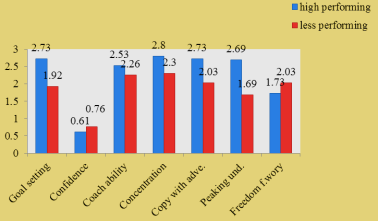
Figure 1. Differences Between-group comparisons for Psycholog-ical skills.
Figure 1. Mean differences Between-group comparisons for Psychological skills.
The above graphic presentation of Figure 1 shows that the mean scores on concentration between high and less performing teams were significantly greater than the other subscales of psychological skills, with the ‗t‘ratio 2.9 at 1% level of confidence. There is a lower mean score on Confidence and achievement motivation between high and low performing teams, which were found to be insignificantly different at 0.01 levels of confidence.
Table 2. Descriptive statistics and comparisons between different positional groups for the Psychological skills score among male basketball players.

Psychological Skill Subscale

Center (n = 14) Mean ± SD

Guard (n = 44) Mean ± SD

Forward (n = 47) Mean ± SD

F (2,102)

p-value

η2

Goal Setting & Mental Preparation

0.75 ± 0.86

0.65 ± 0.76

0.71 ± 0.64

1.62

.203

.031

Confidence & Motivation

0.75 ± 0.86

0.65 ± 0.76

0.71 ± 0.64

0.74

.479

.014

Concentration

2.50 ± 0.67

2.50 ± 0.72

2.60 ± 0.63

0.58

.562

.011

Freedom from Worry

1.80 ± 0.96

2.10 ± 0.94

2.00 ± 0.82

2.41

.094

.045

Coachability

2.50 ± 0.67

2.60 ± 0.61

2.60 ± 0.57

1.09

.341

.021

Peaking under Pressure

2.00 ± 0.72

2.10 ± 0.78

2.10 ± 0.86

0.29

.751

.006

Coping with Adversity

2.17 ± 0.83

2.24 ± 0.82

2.19 ± 0.92

0.17

.845

.003

Note. df between = 2, df within = 102.
η2 =.01 (small), .06 (moderate) .14 (large).
The one-way ANOVA indicated no statistically significant positional differences across all psychological skills subscales (p > .05). Effect sizes were small (η2 =.003-.045), suggesting that playing position explains minimal variance in psychological skills among Ethiopian Premier League basketball players. But Cohen’s d formula is suitable to analysis the results.
** Large practical significance (d = more or less 0.8); *Moderate practical significance (d = more or less 0.5); small practical significance and d= more or less 0.2)
The descriptive statistics indicate differences in goal setting and mental preparation across playing positions. Guards (n = 44) reported the highest mean score (M = 2.30, SD = 0.74), suggesting stronger goal-setting behaviors and better mental preparation compared with other positions. Forwards (n = 47) showed a moderate level of this psychological skill (M = 2.10, SD = 0.81), while centers (n = 14) recorded the lowest mean score (M = 1.80, SD = 0.83).
The relatively lower mean among centers may reflect the positional demands of interior play, which emphasize physicality and tactical execution over pre-performance planning and self-regulatory mental strategies. In contrast, guards, who are typically responsible for playmaking, decision-making, and game control, appear to rely more heavily on goal setting and mental preparation.
Overall, the results suggest that playing position is associated with variations in goal setting and mental preparation, with guards demonstrating more developed psychological skills in this domain than forwards and centers.
3. Discussion
Goal-setting and mental preparation
Guards demonstrated higher goal-setting and mental preparation scores (M = 2.30) than forwards (M = 2.10) and centers (M = 1.80). The differences show moderate practical significance between centers and guards (d ≈ 0.37) and between centers and forwards (d ≈ 0.54), while the guard-forward difference was small (d ≈ 0.11). These findings indicate that positional demands contribute meaningfully to variations in psychological skills, particularly disadvantaging centers relative to perimeter players.
To oppose this finding, according to , goal-setting works extremely well when implemented with thought, an understanding of the process, and thorough planning. Further proved goal setting to be effective, as the effect thereof has remained consistent in research with over 40,000 participants, using over 90 different tasks and across ten different countries, and is believed to be a powerful performance-enhancing technique. The goal-oriented focus may prevent performance declines present in time-constrained situations . Despite our results, we believe it to be a powerful performance-enhancing technique.
Confidence and motivation
Centers reported slightly higher confidence and motivation (M = 0.75) than forwards (M = 0.71) and guards (M = 0.65). However, the associated effect sizes indicate small to moderate practical differences (center-guard d ≈ 0.06; guard-forward d ≈ 0.33), suggesting that positional differences in confidence and motivation are minimal and unlikely to have strong practical significance.
This finding may be partially explained by the statement of , which indicated that prior performance accomplishments are a major source of self-confidence, as successful behavior increases confidence and leads to further successful behavior. However, the poor performance among the goal shooters (as noted earlier) could affect their confidence levels negatively. Although speculative, it is reasonable to suggest that goal shooters may experience a fear of failure, one of the factors negatively associated with achievement motivation. defines achievement motivation as a person ‘s orientation to strive for task success, persist in the face of failure, and experience pride in accomplishments.
Concentration
Mean concentration scores were very similar across positions, with forwards (M = 2.60) marginally higher than centers and guards (both M = 2.50). The corresponding Cohen’s d values are trivial to small (≈ 0.05-0.17), indicating negligible practical differences in concentration among centers, guards, and forwards.
Opposing this finding may be partially explained by the statement of , who noted a need for superior concentration skills by the wing defense players, as they have to focus on the actions of the opposing wing attack. In this regard, indicated that the wing defense player should try to outthink the wing attack player, because outrunning him/her is unlikely. It could be argued that well-developed concentration skills would be beneficial in anticipating and/or responding to the movements of the opposition wing attack players.
Freedom from worry
Guards reported slightly higher freedom from worry (M = 2.10) than forwards (M = 2.00) and centers (M = 1.80). The associated effect sizes suggest small to moderate practical differences, with a moderate effect between centers and guards (d ≈ 0.33) and small effects between the other positional comparisons, indicating limited but noticeable positional variation.
The primary roles of center players (to score the shot and receive it rebounding) are deemed critical in the eventual match outcomes. Furthermore, these players were also subject to frequent periods of rest during normal play. propose that periods in which a player is inactive may cause them to ponder upon past mistakes and the match proceedings in general, thereby increasing the prevalence of negative thoughts and worries.
Coachability
Mean coachability scores were slightly higher for guards and forwards (both M = 2.60) compared with centers (M = 2.50). The corresponding Cohen’s d values indicate small to moderate effects (center-guard d ≈ 0.24; guard-forward d ≈ 0.31), suggesting minor but practically meaningful positional differences favoring guards and forwards.
The research report, on motivations and barriers to netball participation, indicated that the culture of netball is based on criticism, rather than encouragement. This was attributed to the focus of netball coaches on winning rather than on participation, coupled with criticism from parents. Within the context of the research instrument used in the present study, 'coachability' referred to the manner in which players coped with negative feedback, advice, and instructions from their coaches. notes that goal attack players are particularly exposed to both criticism and praise from their coaches due to the high demands placed on them regarding goal shooting and their contribution in the attacking third of the netball court. The results suggested that goal attack players could have become more coachable due to continuous exposure to both positive and negative feedback from their coaches.
Peaking under pressure
Guards and forwards had somewhat higher marks for peaking under pressure (both M=2.10) than centers (M=2.00). The corresponding Cohen's d values are insignificant to minor (≈ 0.02-0.09), suggesting negligible practical variations in peaking under pressure across playing positions.
In this respect, netball players had low passing accuracy under pressure mostly because they failed to make accurate decisions (e.g. when or to whom to pass) rather than failing to complete the motor action of the passing skill .
Coping with adversity
Guards had a higher coping with adversity score (M = 2.24) than forwards (M = 2.19) and centers (M = 2.17). However, the associated Cohen's d values are negligible (≈ 0.03-0.13), showing no significant practical variations in coping with adversity across playing positions. A large national newspaper recently ran an article which highlighted the fact that the senior national side had only converted 50.8% of their attempts at goal in an international test match series, making the goal shooter position a cause of major concern within South African netball. This poor goal conversion rate is down to their inability to handle difficult situations. This demonstrates a worrying tendency that has to be tackled. Table 2 also revealed that athletes in all positions were less competent to deal with unpleasant conditions.
4. Conclusion
The demographic results of the study demonstrate that age, experience of competition, and time of player membership in their teams have a substantial impact on basketball performance. The findings imply that both external and internal, controllable and uncontrollable performance elements may have a major impact on the success of a team. This implies that coaches should not overly highlight the physical and physiological facets of preparing athletes for competition. They should involve preparation for mental skills, mental toughness, and team cohesion. Psychological skills variables of the male basketball team in the Premier League show substantial variations in goal setting/mental preparation, attention, coping with adversity, and peaking under pressure in performance. Furthermore, these data support the hypothesis that psychological variables can discriminate players at different competitive levels and that substantial competitive experience is necessary to acquire and consolidate psychological talents. Thus, it can be inferred that most team members in the study sample had underdeveloped psychological skills that prevented them from distinguishing their performance among players of the same competitive level in the Premier League.
5. Implications for Further Research
Limitations in the following areas were demonstrated in the study that could be overcome in future research:
1) The study results were based on the population of Ethiopian Premier League basketball players, which is only 105 participants from 7 clubs, and hence, the results cannot be generalized. It is proposed that future research should be undertaken to include bigger sample sizes of teams and individual athletes.
2) Future studies should adopt more complete data collection methods. Ideally, we should collect qualitative and quantitative data.
3) These results should therefore be generalized to other basketball-playing populations with caution. Future studies should be more detailed with playing positions and investigate additional specialized positions. Future research with basketball players should also explore their views on the use of psychological skills in self-development within basketball and the impact of mental skills interventions on team performance.
4) To investigate the level of knowledge and expertise of basketball coaches in designing and implementing personalized Sport psychology training programmes.
Abbreviations

ACSI-28

Athletic Coping Skills Inventory-28 ATG

EBP

Ethiopian Basketball Premier League

PST

Psychological Skills Training

SMART

Specific, Measurable, Action-oriented, Realistic, Timely

Author Contributions
Mulugeta Tagesse Habdollo: Conceptualization, Data curation, Formal Analysis, Resources, Writing – original draft, Writing – review & editing
Vijay Mohan Narvaneni: Data curation, Formal Analysis, Methodology, Writing – review & editing
Conflicts of Interest
The authors declare no conflicts of interest.
References
[1] S. MacGabhann, P. Newman, J. Witchalls, R. Dowse, G. Waddington, and S. Cobley, Why do Some Respond and Develop more from Coaching than Others? A Systematic Review of Coachability and Its Constituent Components, vol. 55, no. 9. Springer International Publishing, 2025.
[2] Vernacchia, “Concentration and Attention in Sport What is concentration? Concentration and Attentional Control in Sport,” vol. 2, no. 1, p. 144, 2003, Available:
[3] G. Teshome, A. Sahile, D. G. Walle, and T. Dessalegn, “Perceived ImpactInfluence of Leadership Styles on Team Cohesion: Evidence from Amhara’s National Football League,” Ethiop. J. Sport Sci., vol. 5, no. 1, pp. 181-195, 2024.
[4] R. E. Smith, R. W. Schutz, F. L. Smoll, and J. T. Ptacek, “Development and Validation of a Multidimensional Measure of Sport-Specific Psychological Skills: The Athletic Coping Skills Inventory-28,” J. Sport Exerc. Psychol., vol. 17, no. 4, pp. 379-398, 1995,
[5] V. Přidal and S. Priklerová, “Analysis of relation between team placing in tournament and selected indicators of playing performance in top-level volleyball,” J. Phys. Educ. Sport, vol. 18, no. 3, pp. 1501-1505, 2018,
[6] J. Côté, S. Horton, D. J. MacDonald, and S. Wilkes, “The Benefits of Sampling Sports During Childhood,” Phys. Heal. Educ. J., vol. 74, no. January 2009, pp. 1-7, 2007.
[7] D. Vella-Fondacaro and S. Romano-Smith, “The Impact of a Psychological Skills Training and Mindfulness-Based Intervention on the Mental Toughness, Competitive Anxiety, and Coping Skills of Futsal Players—A Longitudinal Convergent Mixed-Methods Design,” Sports, vol. 11, no. 9, 2023,
[8] K. L. Crotts, “The Effects of Goal Setting on Sports Performance of Competitive Athletes: A Meta-Analytic Review,” 2025, [Online]. Available:
[9] W. Liu, C. Zhou, L. Ji, and J. Watson, “The effect of goal setting difficulty on serving success in table tennis and the mediating mechanism of self-regulation,” J. Hum. Kinet., vol. 33, no. 1, pp. 173-185, 2012,
[10] Weinberg and D. Gould, Foundations of Sport and Exercise Psychology Fifth Edition. 2011.
[11] et al. Weinberg, “Goal setting in sport and exercise: Research and practical applications,” Rev. da Educ. Fis., vol. 24, no. 2, pp. 171-179, 2013,
[12] S. G. Goddard, L. J. Reece, S. A. Vella, and C. Swann, “Goal setting in youth sport: are we unintentionally contributing to dropout?” Br. J. Sports Med., vol. 59, no. 19, pp. 1325-1327, 2025,
[13] B. C. H. Huijgen, M. T. Elferink-Gemser, K. A. P. M. Lemmink, and C. Visscher, “Multidimensional performance characteristics in selected and deselected talented soccer players,” Eur. J. Sport Sci., vol. 14, no. 1, pp. 2-10, 2014,
[14] O. Williamson et al., “The performance and psychological effects of goal setting in sport: A systematic review and meta-analysis,” Int. Rev. Sport Exerc. Psychol., vol. 17, no. 2, pp. 1050-1078, 2024,
[15] J. Kostrna, “Effects of Time Constraints and Goal Setting on Basketball Shooting,” Front. Psychol., vol. 13, no. June, pp. 1-9, 2022,
[16] W. Gould, Foundations of Sport and Exercise Psychology, Sixth Edit., vol. 32, no. 3. Human Kinetics, 2014.
[17] S. Uludağ, F. Dorak, N. Vurgun, Y. Yüzbaşioğlu, and E. Ateş, “Effects of 10 weeks of imagery and concentration training on visual focus and free-throw performance in basketball players.,” J. Phys. Educ. Sport, vol. 21, no. 4, pp. 1761-1768, 2021,
[18] F. A. Nanda and D. Dimyati, “The psychological skills of basketball athletes: Are there any differences based on the playing position?,” J. Keolahragaan, vol. 7, no. 1, pp. 74-82, 2019,
[19] S. Kent, T. J. Devonport, A. M. Lane, W. Nicholls, and A. P. Friesen, “The effects of coping interventions on ability to perform under pressure,” J. Sport. Sci. Med., vol. 17, no. 1, pp. 40-55, 2018.
Cite This Article
  • APA Style

    Habdollo, M. T., Narvaneni, V. M. (2026). The Influence of Psychological Skills on Competitive Performance Among Male Ethiopian Premier League Basketball Players. Psychology and Behavioral Sciences, 15(4), 66-75. https://doi.org/10.11648/j.pbs.20261504.12

    Copy | Download

    ACS Style

    Habdollo, M. T.; Narvaneni, V. M. The Influence of Psychological Skills on Competitive Performance Among Male Ethiopian Premier League Basketball Players. Psychol. Behav. Sci. 2026, 15(4), 66-75. doi: 10.11648/j.pbs.20261504.12

    Copy | Download

    AMA Style

    Habdollo MT, Narvaneni VM. The Influence of Psychological Skills on Competitive Performance Among Male Ethiopian Premier League Basketball Players. Psychol Behav Sci. 2026;15(4):66-75. doi: 10.11648/j.pbs.20261504.12

    Copy | Download

  • @article{10.11648/j.pbs.20261504.12,
      author = {Mulugeta Tagesse Habdollo and Vijay Mohan Narvaneni},
      title = {The Influence of Psychological Skills on Competitive Performance Among Male Ethiopian Premier League Basketball Players},
      journal = {Psychology and Behavioral Sciences},
      volume = {15},
      number = {4},
      pages = {66-75},
      doi = {10.11648/j.pbs.20261504.12},
      url = {https://doi.org/10.11648/j.pbs.20261504.12},
      eprint = {https://article.sciencepublishinggroup.com/pdf/10.11648.j.pbs.20261504.12},
      abstract = {The present study examined the influence of selected psychological skills on competitive performance among male Ethiopian Premier League basketball players during the 2024–2025 season. The study investigated whether psycho-logical factors, including goal setting and mental preparation, confidence and achievement motivation, coachability, concentration, coping with adversity, peaking under pressure, and freedom from worry, were associated with team performance. A total of 105 male players from seven Ethiopian Premier League clubs participated in the study. Psy-chological skills were assessed using the Athletic Coping Skills Inventory-28 (ACSI-28), while team performance was determined according to the final league standings. The findings revealed that players from high-performing teams scored significantly higher in goal setting and mental preparation, concentration, coping with adversity, and peaking under pressure than players from low-performing teams. These results suggest that athletes who effectively plan, maintain focus, manage setbacks, and perform under competitive pressure are more likely to contribute to successful team performance. In contrast, confidence and achievement motivation, coachability, and freedom from worry did not differ significantly between high- and low-performing teams, indicating that these variables were not strong predictors of competitive success in this study. Overall, the findings highlight the importance of psychological preparedness in elite basketball and support the integration of psychological skills training into coaching programmes. Future research should include larger samples, mixed-method approaches, and broader competitive settings to further investigate the role of psychological skills in Ethiopian basketball.},
     year = {2026}
    }
    

    Copy | Download

  • TY  - JOUR
    T1  - The Influence of Psychological Skills on Competitive Performance Among Male Ethiopian Premier League Basketball Players
    AU  - Mulugeta Tagesse Habdollo
    AU  - Vijay Mohan Narvaneni
    Y1  - 2026/08/17
    PY  - 2026
    N1  - https://doi.org/10.11648/j.pbs.20261504.12
    DO  - 10.11648/j.pbs.20261504.12
    T2  - Psychology and Behavioral Sciences
    JF  - Psychology and Behavioral Sciences
    JO  - Psychology and Behavioral Sciences
    SP  - 66
    EP  - 75
    PB  - Science Publishing Group
    SN  - 2328-7845
    UR  - https://doi.org/10.11648/j.pbs.20261504.12
    AB  - The present study examined the influence of selected psychological skills on competitive performance among male Ethiopian Premier League basketball players during the 2024–2025 season. The study investigated whether psycho-logical factors, including goal setting and mental preparation, confidence and achievement motivation, coachability, concentration, coping with adversity, peaking under pressure, and freedom from worry, were associated with team performance. A total of 105 male players from seven Ethiopian Premier League clubs participated in the study. Psy-chological skills were assessed using the Athletic Coping Skills Inventory-28 (ACSI-28), while team performance was determined according to the final league standings. The findings revealed that players from high-performing teams scored significantly higher in goal setting and mental preparation, concentration, coping with adversity, and peaking under pressure than players from low-performing teams. These results suggest that athletes who effectively plan, maintain focus, manage setbacks, and perform under competitive pressure are more likely to contribute to successful team performance. In contrast, confidence and achievement motivation, coachability, and freedom from worry did not differ significantly between high- and low-performing teams, indicating that these variables were not strong predictors of competitive success in this study. Overall, the findings highlight the importance of psychological preparedness in elite basketball and support the integration of psychological skills training into coaching programmes. Future research should include larger samples, mixed-method approaches, and broader competitive settings to further investigate the role of psychological skills in Ethiopian basketball.
    VL  - 15
    IS  - 4
    ER  - 

    Copy | Download

Author Information
  • Department of Physical Education & Sport Science, Andhra University, Visakhapatnam, India

  • Department of Physical Education & Sport Science, Andhra University, Visakhapatnam, India