Abstract
Background: Food-borne microbial infections continue to pose a significant public health burden, particularly in low-income nations, where they contribute substantially to morbidity and mortality. Their management is increasingly hampered by the spread of multidrug-resistant pathogens, hence the aim for the study. Methods: The study evaluated the antimicrobial and wound healing potentials of methanol extract of Salvia officinalis leaf (MESoL). Antimicrobial activity was assessed using the Mueller-Hinton agar well diffusion method against selected bacterial strains. Wound healing efficacy was investigated using an excision wound model in Wistar rats. Data were analyzed using one-way ANOVA with Dunnett's post hoc test. Results: MESoL and 1% silver sulfadiazine demonstrated sensitivity against Staphylococcus aureus, Corynebacterium ulcerans, Escherichia coli, Klebsiella pneumoniae, and Salmonella typhi. The minimum bactericidal concentration (MBC) values of MESoL for these organisms were 30mg/ml, 30mg/ml, 60mg/ml, 15mg/ml and 60mg/ml respectively. In vivo studies revealed a significant reduction in wound area (p < 0.05, p < 0.001) over 11 days compared to control groups. The extract promoted wound contraction and tissue repair, indicating both antimicrobial and healing potential. Conclusion: The methanol extract of Salvia officinalis leaf exhibits dual functions as a natural antimicrobial and wound-healing agent. These findings support its potential application as a complementary therapy for microbial infections and wound management.
Keywords
Antimicrobial, Cream Formulation, Salvia Officinalis Leaf, Topical, Wound Healing
1. Introduction
Millions of people worldwide suffer from pathogenic infections caused by organisms such as
Staphylococcus aureus and Salmonella typhi, which are frequently transmitted through contaminated food and water. These foodborne pathogens represent major contributors to elevated morbidity and mortality rates in developing countries. Herbal medicines are frequently employed to manage gastroenteritis and other bacterial infections. Therefore, investigating plant-derived antimicrobials may provide novel strategies to combat antibiotic resistance
| [1] | Anyekekema M, Kindzeka LS, Dzelamonyuy A. Antinicrobial and wound healing activity of Gardenia aqualla stem back methanol extract. Asian Journal of Biochemistry Genetics and Molecular Biology. 2021; 9(1): 30-38.
https://doi.org/10.9734/AJBGMB/2021/v9i130207 |
| [2] | Dubale, S., Kebebe, D., Zeynudin, A., Abdissa, N. and Suleman, S. Phytochemical screening and antimicrobial activity evaluation of selected medicinal plants in Ethiopia. Journal of Experimental Pharmacology. 2023; pp. 51-62.
https://doi.org/10.2147/JEP.S379805 |
| [3] | Josephus B, Kparev F. F, Babylon P. Ojogbane E, Zenoh A. D., Kallau B. B. Isolation and Antimicrobial Investigation of Extract and Fractions Obtained from the Stem Bark ofFicus sycomorus (Moraceae). Afr. J. Biomed Res. 2024; Vol. 27 (1): 149-154.
https://doi.org/10.4314/ajbr.v27i1.20 |
[1-3]
. Medicinal plants can inhibit bacterial growth through mechanisms distinct from those of conventional antibiotics, thereby assisting in the management of resistant infections. Several studies have documented the screening of plants for antimicrobial properties
| [3] | Josephus B, Kparev F. F, Babylon P. Ojogbane E, Zenoh A. D., Kallau B. B. Isolation and Antimicrobial Investigation of Extract and Fractions Obtained from the Stem Bark ofFicus sycomorus (Moraceae). Afr. J. Biomed Res. 2024; Vol. 27 (1): 149-154.
https://doi.org/10.4314/ajbr.v27i1.20 |
| [4] | Sheidu, A. R., Zezi, A. U., Ahmed, A., Chindo, B. A. and Magaji, G. M. Antimicrobial and wound healing properties of the methanol extract of Ficus platyphylla Del. (Moraceae) stem bark. Journal of Pharmacy & Bioresources, (2020); 17(2): pp. 121-130. https://doi.org/10.4314/jpb.v17i2.6 |
| [5] | Salim, A., Deiana, P., Fancello, F., Molinu, M. G., Santona, M. and Zara, S. Antimicrobialand Antibiofilm Activities of Pomegranate Peel Phenolic Compounds: Varietal Screening through a Multivariate Approach. Journal of Bioresources and Bioproducts. 2023; 8(2): 146-161
https://doi.org/10.1016/j.jobab.2023.01.006 |
| [6] | Stuper-Szablewska, K., Szablewski, T., Przybylska-Balcerek, A., Szwajkowska-Michałek, L., Krzyżaniak, M., Świerk, D., Cegielska-Radziejewska, R. and Krejpcio, Z. Antimicrobial Activities Evaluation and Phytochemical Screening of Some Selected Plant Materials Used in Traditional Medicine. Molecules. 2023; 28(1): 244.
https://doi.org/10.3390/molecules28010244 |
[3-6]
, often revealing structurally complex compounds that can be synthesized by chemists to enhance antimicrobial activity.
Salvia officinalis (Common sage), a member of the
Lamiaceae family is an evergreen aromatic perianal shrub utilized both as a culinary herb and in traditional medicine
| [7] | Ayatollahi A, Shojaii A, Kobarfard F, Mohammad zadeh M, Choudhary M. Twoflavones from Salvia leriaefolia. Iran J Pharm Res. 2010; 8(3): 179- 84.
https://doi.org/ https://doi.org10.11648/j.ijbse.20261402.11 |
| [8] | Devin SR, Devin KR, Tamizgran M. Sage and treatment of diseases: A mini review. Am JBiomed Sci Res. 2021; 15(1): 108109. MS. ID. 002078. https://doi.org/10.34297002078 |
| [9] | Mokogwu ATH, Adjekuko CO, Oshilonyah HU, Avwioro OG. Studies of Salvia officinalis leaf extract on some biochemical parameters in rats induced with overdosed-tramadol. Afr J Biotech. 2020; 21(8): 353-360
https://doi.org/10.5897/AJB2022.17490 |
| [10] | Mokogwu ATH, Adjekuko CO, Oshilonyah UH, Ikpefan JO, Avwioro GO. Antihypertensive and Cardioprotective Effects of Salvia officinalis (Sage) Leaf in NG-Nitro-LArginine Methyl Ester (L-NAME) Induced Hypertensive Wistar Rats. Trop J NatProd Res. 2022a; 6(12): 2047-2050
https://doi.org/10.26538/tjnpr/v6i12.25 |
| [11] | Thomas Hughs Mokogwu, Kingsley Chukwuka Amaihunwa, Collins O Adjekuko, Enekabokom Nwoke Ekene, Edith Omozefe Okoro, Oyebola G Adeosun, Godwin O Avwioro. In vivo Antimalarial and Liver Function Profiles of Methanol Extract of Salvia officinalis (Common Sage) Leaf in Plasmodium berghei Infected Mice. Ethiop J Health Sci. 2024; 34(4): 290. https://doi.org/10.4314/ejhs.v34i4.5 |
[7-11]
. According to researchers,
Salvia officinalis may be employed to treat various human diseases, even at elevated doses, particularly because it lacks thujone, a compound associated with toxicity at high concentrations
| [12] | Joshi S, Pandey RD, Bhattaral R, Gharti BB. Antimicrobial activity and essential oil andcrude organic extracts of Salvia officinalis L leaves from Napal. International Journal of Innovative Science and Research Technology. 2021; 6(2)
https://doi.org/10.18280/ijdne.170518 |
[12]
. The essential oil of
Salvia officinalis exhibits multiple biological activities, including anti-proliferative, antimicrobial, anti-inflammatory, antioxidant, antiviral, and insecticidal effects
| [13] | Privitera G, Luca T, Castorina S, Passanisi R, Ruberto G, Napoli E. Anticancer activity of Salvia officinalis essential oil and its principal constituents against hormone-dependent tumour cells. Asian Pacific Journal of Tropical Biomedicine. 2019; 9(1): 24-28. https://doi.org/10.4103/2221-1691.250266 |
| [14] | Abdou, R., Mojally, M. and Attia, G. H. Investigation of bioactivities of endophytes of Ficus carica L. Fam Moraceae. Bulletin of the National Research Centre. 2021; 45(1): 49.
https://doi.org/10.1186/s42269-021-00505-1 |
| [15] | Harizia A, Benguerai A, Elouissi A, Mahi T, Bonal R. Chemical composition and biological activity of Salvia officinalis L. essential oil against Aphis fabae Scopoli (Hemiptera: Aphididae). J Plant Diseases Protection. 2021; 128(6): 1547-1556.
https://doi.org/10.1007/s41348- |
| [16] | Lahlou Y, Moujabbir S, Aboukhalaf A, El Amraoui B, Toufiq Bamhaoud. Antibacterial Activity Of Essential Oils Of Salvia Officinalis Growing In Morocco (National Institute of Public Health) Rocz Panstw Zakl Hig 2023; 74(4): 459-468
https://doi.org/1032394/rpzh.2023.0275 |
[13-16]
. The leaves contain bioactive constituents such as tannins, saponins, and flavonoids, which possess antioxidant properties and are considered relatively safe. These compounds may serve as natural agents to protect the liver during parasitemia-induced hepatotoxic injury
| [11] | Thomas Hughs Mokogwu, Kingsley Chukwuka Amaihunwa, Collins O Adjekuko, Enekabokom Nwoke Ekene, Edith Omozefe Okoro, Oyebola G Adeosun, Godwin O Avwioro. In vivo Antimalarial and Liver Function Profiles of Methanol Extract of Salvia officinalis (Common Sage) Leaf in Plasmodium berghei Infected Mice. Ethiop J Health Sci. 2024; 34(4): 290. https://doi.org/10.4314/ejhs.v34i4.5 |
| [17] | Mokogwu ATH, Adjekuko CO, Oshilonyah UH, Ikpefan JO, Eyenubo OB, Avwioro OG. Hypoglycaemic and Hypolipidemic Effects of Alcoholic Extract of Common Sage (Salvia Officinalis) In Streptozotocin-Induced Diabetic Rabbits. Afr J Biomed Res. 2020b; 25(6): 243247.
https://doi.org/10.4314/ajbr.v25i2.19 |
[11, 17]
. Currently, there is limited scientific data regarding the antimicrobial and wound-healing properties of this plant in developing countries such as Nigeria. Therefore, this study aimed to investigate these potentials using the methanol extract of
Salvia officinalis leaf.
2. Materials and Methods
2.1. Drugs and Chemicals
All chemical-Delete All chemicals utilized in this study were of analytical grade. These materials included 1% silver sulphadiazine (Salutes Pharmacy GmBh, Germany). Silymarin tablets 140mg film coated (Micro Labs Ltd, India) and Lidocane injection 2% (Erica Life Science Ltd, UK).
2.2. Collection, Identification and Preparation of Plant Extract
The
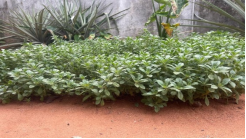
Salvia officinalis (Sage) plants were collected from Vom-Jos, Plateau State-Nigeria and identified/authenticated by a botanist (Michael, Ozioma Emmanuel) at Delta State University, Abraka. The plant was successfully propagated at our garden facility at Asaba (
Figure 1). A voucher specimen (DELSU#134) was deposited for future reference. The collected leaves were cut into small pieces, dried at a temperature of 30 - 40°C for 21 days, then pulverized to a fine powder using standard procedures. A 50-gram sample of the powdered material was mixed with 400 mL of 95% methanol in a conical flask and shaken intermittently for three days at room temperature. The mixture was filtered through muslin cloth and subsequently concentrated using a vacuum evaporator. The resulting extract was stored in an airtight container under refrigerated conditions.
Figure 1. Propagated Salvia officinalis (Common Sage) leaf plant at Asaba garden.Propagated Salvia officinalis (Common Sage) leaf plant at Asaba garden.
2.3. Animal Experiment
The study received approved from the Research and Ethics Committee, Faculty of Science, Delta State University, Nigeria, (REC/DELSU/FOS/2021/02). Healthy male Wister rats weighing between 150-250 grams were obtained from the University’s Animal House facility. The animals were housed under appropriate conditions, fed standard growers’ marsh and water ad libitum. All animal handling procedures adhered to International Council for Laboratory Animal Science (ICLAS) and Delta State University protocol. The methanol extract was suspended in distilled water at a concentration of 5000 mg/kg for oral administration.
2.4. Acute Toxicity Tests (LD50)
An acute toxicity study (LD
50) of the methanol extract of the
Salvia officinalis leaf was conducted in two phases as recently described by Lorke
| [18] | Lorke D. A new approach to acute toxicity testing; Arch. Toxicol., 1983; 54, 275-287. |
[18]
and reported recently by Evinemi et al.,
| [19] | Evinemi PA, Enemo K, Onah CM, Uzor PF, Omeje EO. In vivo Antimalarial and GC-MS Studies of Pennisetum purpureum Leaf Extract and Fractions. Trop J Nat Prod Res. 2022; 6(8): 1274-1280. https://doi.org/10.26538/tjnpr/v6i8.19 |
| [20] | Ali BH, Mohammed I, Muhammed MA, Mohammed SY, Dauda D, Busola OA, Khadijah II, Manager MM. Evaluation of In vivo Antiplasmodial Activity of the Methanol Root Bark Extract and Fractions of Bombax costatum (Bombacacea) in Plasmodium berghei-Infected Mice, Trop. J. Nat. Prod. Res. 2022; 6(6): 926-930. https://doi.org/10.26538/tjnpr/v6i6.18 |
[19, 20]
. Nine (9) mice were used in the first phase that comprised of three groups (n = 3). They were given orally, with the methanol extract of the Sage leaf at doses of 10, 100 and 1000mg/kg body weight. Then, the animals were observed for 24 h for signs of toxicity and mortality. The second stage (phase) of three (3) mice (n=1) received specific doses of 1600, 2900 and 5000 mg/kg following the results of the first stage. The lethal dose (LD
50) was calculated using the formula below:
LD50= √ minimum lethal dose x maximum tolerated dose.
2.5. Cream Extract Formulation
The formulation components included sorbitan monostearate and stearic acid which were melted in paraffin and cooled at 54°C. The initial quantity of the extract used was 30mg. Ten milliliter (10ml) volumes were made as needed using the formula RV/O, (where R = Required concentration, V = Required volume, O = Original concentration). Methanol extract concentrations of 1%, 5% and 10% (w/w) were made and mixed with propylene glycol 4.02% (w/w), glycerin 4.13% (w/w) and 10ml of sterile distilled water. The mixtures were heated until completely dissolved and then allowed. The same procedure was repeated for 5% and 10% concentrations. Additional components including acetyl alcohol 3.56% (w/w), stearic acid 4.50 (w/w), olive oil 5.78% (w/w), span 60 1.78% (w/w) and tween 80 (0.75% w/w) were also mixed, heated in a beaker for dissolution, stirred together and allowed to cool. The Creams were then separated in different universal container for use, for the wood healing studies.
2.6. Antimicrobial Assessment
2.6.1. Microorganisms and Growth
Six test microorganisms were utilized in this study: Staphylococcus aureus, Streptococcus pyogenes, Corynebacterium ulcerans, Escherichia coli, Klebsiella pneumonia and Salmonella typhi. These clinical isolates were obtained from National Veterinary Research Institute, Vom-Jos. Plateau State. The standard antibiotic control employed was 1% silver sulfadiazine. Methanol extract of Salvia officinalis leaves (0.6g) was dissolved in 10ml of sterile distilled water to achieve a concentration of 60mg/ml. This served as the initial concentration for the study. The medium used for the growth medium was Mueller Hinton agar. It was prepared according to the manufacturer’s instruction and sterilized at 121°C for 15min. This was poured into sterilized Petri-dish, allowed to cool and solidify completely. The agar well diffusion method was employed for antimicrobial testing. A standard inoculum (0.1ml) was evenly spread across each agar plate surface. A 6-mm diameter well was aseptically cut at the center of each plate, and 0.1ml of extract solution (60mg) was carefully added to each well. The inoculated plates were subsequently inoculated at 37°C for 24hours. Following inoculations, zones of inhibition surrounding each well were measured in millimeters using appropriate measuring instruments.
2.6.2. Minimum Inhibition Concentration (MIC)
The minimum inhibitory concentration was determined using the broth dilution method as described by Celiktas et al.
| [21] | Celiktas OY, Kocabas EEH, Bedir E, Sukan FV, Ozek T and Baser KHC. “Antimicrobial activities of methanol extracts and essential oils of rosmarinus officinalis, depending onlocation and seasonal variations,” Food Chemistry. 2007; 100(2), 553-559. https://doi.org/10.1016/j.foodchem.2005.10.011 |
[21]
and adapted by Sheidu et al.
| [4] | Sheidu, A. R., Zezi, A. U., Ahmed, A., Chindo, B. A. and Magaji, G. M. Antimicrobial and wound healing properties of the methanol extract of Ficus platyphylla Del. (Moraceae) stem bark. Journal of Pharmacy & Bioresources, (2020); 17(2): pp. 121-130. https://doi.org/10.4314/jpb.v17i2.6 |
[4]
. Mueller-Hinton broth (10 mL) was sterilized at 121°C for 15 minutes and subsequently cooled to room temperature. McFarland turbidity standards (0-5) were prepared according to established protocols. Normal saline (10 mL) was inoculated with the test organism and incubated at 37°C for 6 hours. The suspension was then serially diluted until the turbidity matched the McFarland standard, achieving approximately 1.5 × 10⁸ CFU/mL. Two-fold serial dilutions of MESoL extract were prepared in sterile broth to yield final concentrations of 60, 30, 15, 7.5, and 3.75 mg/mL. Subsequently, 0.1 mL of the standardized test organism suspension was added to each concentration. The inoculated tubes were incubated at 37°C for 24 hours and examined for turbidity. The lowest concentration exhibiting no visible turbidity was recorded as the minimum inhibitory concentration.
2.6.3. Minimum Bactericidal Concentration (MBC)
The minimum bactericidal concentration was determined following the methodology described by Celiktas et al.
| [21] | Celiktas OY, Kocabas EEH, Bedir E, Sukan FV, Ozek T and Baser KHC. “Antimicrobial activities of methanol extracts and essential oils of rosmarinus officinalis, depending onlocation and seasonal variations,” Food Chemistry. 2007; 100(2), 553-559. https://doi.org/10.1016/j.foodchem.2005.10.011 |
[21]
and Sheidu et al.
| [4] | Sheidu, A. R., Zezi, A. U., Ahmed, A., Chindo, B. A. and Magaji, G. M. Antimicrobial and wound healing properties of the methanol extract of Ficus platyphylla Del. (Moraceae) stem bark. Journal of Pharmacy & Bioresources, (2020); 17(2): pp. 121-130. https://doi.org/10.4314/jpb.v17i2.6 |
[4]
. Contents from the MIC determination tubes were subcultured onto Mueller-Hinton agar plates and incubated at 37°C for 24 hours. Following incubation, plates were examined for colony growth. The lowest extract concentration demonstrating complete absence of colony growth was designated as the minimum bactericidal concentration.
2.7. Wound Healing Studies
The excision wound model described by Nayak et al.
and adapted by Sheidu et al.
| [4] | Sheidu, A. R., Zezi, A. U., Ahmed, A., Chindo, B. A. and Magaji, G. M. Antimicrobial and wound healing properties of the methanol extract of Ficus platyphylla Del. (Moraceae) stem bark. Journal of Pharmacy & Bioresources, (2020); 17(2): pp. 121-130. https://doi.org/10.4314/jpb.v17i2.6 |
[4]
was employed for this investigation. Wistar rats were weight-matched and randomly assigned to six experimental groups (n=5 per group). Following surgical excision, animals were housed individually to prevent cannibalism. The prepared creams were applied topically to the dorsal excision sites. Prior to treatment administration, the dorsal fur was carefully shaved, and excision margins were delineated using dilute picric acid solution. Rats were anesthetized with lidocaine, and full-thickness excision wounds measuring 1 cm in width were created using sterile forceps, surgical blades, and scissors under aseptic conditions.
The experimental groups were organized as follows:
Group I (Control): Base cream application only
Groups II, III, and IV: 1%, 5%, and 10% MESoL cream formulations, respectively
Group V (Synergism): Combined 1% silver sulfadiazine and 10% extract
Group VI (Standard): 1% silver sulfadiazine alone
The treatment protocol extended over 11 days. Wound area measurements were obtained on days 3, 5, 7, 9, and 11 using precision calipers, thread, and rulers. Animals were monitored for an additional two weeks post-treatment to assess potential toxicity indicators. The wound healing percentage was calculated using the following formula:
Wound Healing (%) = [(Initial wound area - Unhealed wound area) / Initial wound area] × 100
2.8. Statistical Analysis
Data were presented as mean ± standard error of the mean (SEM). Statistical analysis was performed using one-way analysis of variance (ANOVA) followed by Dunnett's t-test, executed through SPSS software. Statistical significance was established at p < 0.05.
3. Results
3.1. Effects of Methanol Extract of Silvia Officinalis Leaves (MESoL) on the Studied Microorganisms
Both MESoL and 1% silver sulfadiazine demonstrated sensitivity against Staphylococcus aureus, Corynebacterium ulcerans, Escherichia coli, Klebsiella pneumoniae, and Salmonella typhi. However, Streptococcus pyogenes exhibited resistance to both antimicrobial agents (
Table 1).
3.2. Effects of MESoL and 1% Silver Sulfadiazine on Zone of Inhibition on Test Microorganism
The zone diameter measurements (mm) for MESoL were as follows:
S. aureus (20 mm),
S. pyogenes (0 mm),
C. ulcerans (22 mm),
E. coli (18 mm),
K. pneumoniae (28 mm), and
S. typhi (20 mm). Corresponding values for 1% silver sulfadiazine were 0, 0, 30, 30, 32, and 28 mm, respectively (
Table 2).
The results of the zone of inhibition of the MESoL against test microorganisms were:
S aureus -20, S pyogenase -0, C ulcerans -22, E coli -18, K pneumonia -28 and S typhi -20 in millimeters. Also the results for 1% silver sulfadiazine against the same microorganisms were 0, 0, 30, 30, 32 and 28 millimeters respectively in the stated order of the microorganisms above (
Table 2).
3.3. Effects of Minimum Inhibitory Concentration (MIC) and Antimicrobial Susceptibility Using Mesol
MIC analysis revealed that
S. aureus, C. ulcerans,
E. coli, and
S. typhi were effectively inhibited at 15 mg/mL, with turbidity and slight growth observed at 7.5 mg/mL and moderate turbidity at 3.75 mg/mL.
S. pyogenes demonstrated no inhibition across the tested concentrations.
K. pneumoniae exhibited an MIC of 7.5 mg/mL, with visible turbidity at 3.75 mg/mL (
Table 3).
3.4. Effects of Minimum Bacterial Concentration (MBC) on Test Microorganisms Using Mesol
The MBC values for MESoL were determined as follows:
S. aureus (30 mg/mL),
C. ulcerans (30 mg/mL),
E. coli (60 mg/mL),
K. pneumoniae (15 mg/mL), and
S. typhi (60 mg/mL). No bactericidal effect was observed against
S. pyogenes (
Table 4).
Table 1. Antimicrobial susceptibility effect of methanol extract of Salvia officinalis leaf (MESoL) and 1% silver sulfadiazine.Antimicrobial susceptibility effect of methanol extract of Salvia officinalis leaf (MESoL) and 1% silver sulfadiazine.Antimicrobial susceptibility effect of methanol extract of Salvia officinalis leaf (MESoL) and 1% silver sulfadiazine.
Test Organism | MESoL | 1% Silver Sulfadiazine |
Staphylococcus aureus | Sensitive | Sensitive |
Streptococcus pyogenase | Resistant | Resistance |
Corynebacterium ulcerans | Sensitive | Sensitive |
Escherichia coli | Sensitive | Sensitive |
Klebsiella pneumonia | Sensitive | Sensitive |
Salmonella typhi | Sensitive | Sensitive |
Table 2. Effects of methanol extract of Salvia officinalis leaf (MESoL) and 1% silver sulfadiazine on zone of inhibition on test organism Zone of Inhibition (mm) Test Organism MESoL 1% Silver Sulfadiazine.Effects of methanol extract of Salvia officinalis leaf (MESoL) and 1% silver sulfadiazine on zone of inhibition on test organism Zone of Inhibition (mm) Test Organism MESoL 1% Silver Sulfadiazine.Effects of methanol extract of Salvia officinalis leaf (MESoL) and 1% silver sulfadiazine on zone of inhibition on test organism Zone of Inhibition (mm) Test Organism MESoL 1% Silver Sulfadiazine.
Staphylococcus aureus | 20 | 0 |
Streptococcus pyogenase | 0 | 0 |
Corynebacterium ulcerans | 22 | 30 |
Escherichia coli | 18 | 30 |
Klebsiella pneumonia | 28 | 32 |
Salmonella typhi | 20 | 28 |
Table 3. Minimum inhibitory concentration (MIC)(mg/ml) and antimicrobial susceptibity effect of MESoL against test organism.Minimum inhibitory concentration (MIC)(mg/ml) and antimicrobial susceptibity effect of MESoL against test organism.Minimum inhibitory concentration (MIC)(mg/ml) and antimicrobial susceptibity effect of MESoL against test organism.
Test Organism | 60 | 30 | 15 | 7.5 | 3.75 |
Staphylococcus aureus | - | - | 0* | + | ++ |
Streptococcus pyogenase | - | - | - | - | - |
Corynebacterium ulcerans | - | - | 0* | + | ++ |
Escherichia coli | - | - | 0* | + | ++ |
Klebsiella pneumonia | - | - | - | 0* | + |
Salmonella typhi | - | - | 0* | + | ++ |
- = No turbidity (No growth), 0*= Minimum inhibition concentration,
+ = Turbidity (slight growth), ++ = Moderate turbidity.
Table 4. Minimum bacterial concentration (MBC) of extract of Salvia officinalis leaf on test organism.Minimum bacterial concentration (MBC) of extract of Salvia officinalis leaf on test organism.Minimum bacterial concentration (MBC) of extract of Salvia officinalis leaf on test organism.
Test Organism | 60 | 30 | 15 | 7.5 | 3.75 |
Staphylococcus aureus | - | 0* | + | ++ | +++ |
Stretococcus pyogenase | - | - | - | - | - |
Corynebacterium ulcerans | - | 0* | + | ++ | +++ |
Escherichia coli | 0* | + | ++ | +++ | ++++ |
Klebsiella pneumonia | - | - | 0* | + | ++ |
Salmonella typhi | 0* | + | ++ | +++ | ++++ |
- = No turbidity (No growth), 0*= Minimum inhibition concentration,
+ = Turbidity (slight growth of colonies), ++ = Moderate growth of colonies, +++ = Heavy growth of colonies, ++++ = Dense growth of colonies
3.5. Effects of Topical Application of MESoL Cream on Excision Wound in Wister Rats Treated for 11days
On day 3, the 1% MESoL cream demonstrated no significant difference (p > 0.05) compared to the base cream (0.82 ± 0.03 vs. 0.89 ± 0.02). In contrast, the 5% and 10% cream formulations significantly reduced wound area (0.60 ± 0.06 and 0.46 ± 0.04, respectively; p < 0.001 vs. base). The standard drug (1% silver sulfadiazine) exhibited complete healing potential at day 3. On day 5, the 1% extract achieved approximately 95% healing (p < 0.05), while both 5% and 10% concentrations achieved complete healing (p < 0.001). On days 7 and 9, all extract concentrations demonstrated complete healing (p < 0.001). By day 11, all treatment groups showed significant wound closure (p < 0.05) (
Table 5).
Table 5. Effects of topical application of Salvia officinalis cream extract on excision wound in Wister rats treated for 11 days.
Cream (%w/w) | Reduction in diameter of Wound |
D3 | D5 | D7 | D9 | D11 |
Base | 0.89 ± 0.02 | 0.07 ±0.04 | 0.66 ± 0.04 | 0.52 ± 0.02 | 0.43 ± 0.03 |
Ext.1% | 0.82 ± 0.03 | 0.60 ± 0.04 | 0.48 ± 0.04 | 0.18 ± 0.03 | 0.08 ± 0.02 |
Ext.5% | 0.60 ± 0.06 | 0.42 ± 0.04 | 0.22 ± 0.04 | 0.16 ± 0.03 | 0.08 ± 0.02 |
Ext.10% | 0.46 ± 0.04 | 0.30 ± 0.06 | 0.18 ± 0.02 | 0.12 ± 0.03 | 0.10 ± 0.02 |
1% SS | 0.06 ± 0.06 | 0.40 ± 0.04 | 0.22 ± 0.02 | 0.14 ± 0.01 | 0.08 ± 0.02 |
Values expressed as Mean ± SEM, n = 5, ns = Not significant, a = p < 0.05, b= p < 0.001. Analysis by one way ANOVA followed by, Dunnet’s t-test. SS = Silver Sulfadiazine
4. Discussion
The acute toxicity findings demonstrate that the methanol extract of
Salvia officinalis leaves exhibits an acceptable safety profile, as no adverse effects were observed in Wistar rats. This supports the extract's potential therapeutic application without significant toxicological concerns. Furthermore, the topical cream formulation displayed wound healing activity comparable to the reference drug (1% silver sulfadiazine), confirming its efficacy in tissue repair. These results are consistent with earlier reports by John-Africa et al.
| [23] | John-Africa LB, Yahaya TA and Isimi CY. Anti-ulcer and Wound healing activities of Sida corymbosa in Rats. Afri J of Trad, Complem and Alter Med. 2014; 11(1), 87- 92. 2
http://dx.doi.org/10.4314/ajtcam.v11i1.12 |
[23]
and Sabale et al.
| [24] | Sabale P, Bhimani B, Prajapati C and Sabalea V. “An overview of medicinal plants aswound healers,” J of Applied Pharma Sci. 2012; 2(11): 143- 150. Open Access
https://doi.org/10.7324/JAPS.2012.21127 |
[24]
, who demonstrated similar wound-healing properties in other medicinal plants.
The antimicrobial evaluation revealed substantial activity against
S. aureus, C. ulcerans, E. coli, K. pneumoniae, and
S. typhi, as demonstrated by inhibition zones, minimum inhibitory concentration (MIC), and minimum bactericidal concentration (MBC) values. These findings align with those of Josephus et al.
| [3] | Josephus B, Kparev F. F, Babylon P. Ojogbane E, Zenoh A. D., Kallau B. B. Isolation and Antimicrobial Investigation of Extract and Fractions Obtained from the Stem Bark ofFicus sycomorus (Moraceae). Afr. J. Biomed Res. 2024; Vol. 27 (1): 149-154.
https://doi.org/10.4314/ajbr.v27i1.20 |
[3]
, who reported comparable efficacy against the same pathogens using a different plant species. Our results also correspond with studies conducted by Tkachenko et al.
| [25] | Tkachenko, H., Buyun, L., Hasiuk, O., Beschasnyi, S., Honcharenko, V., Prokopiv, A. and Kurhaluk, N. Antibacterial Activity of an Ethanolic Extract Derived from Leaves ofFicus Lingua Warb. Ex De Wild. & T. Durand (Moraceae) Against Some Gram-Positiveand Gram-Negative Strains. 2022; 33(5): 38-50. https://doi.org/10.32999/ksu2524-0838/2022-33-5 |
[25]
, Anyekekema et al.
| [1] | Anyekekema M, Kindzeka LS, Dzelamonyuy A. Antinicrobial and wound healing activity of Gardenia aqualla stem back methanol extract. Asian Journal of Biochemistry Genetics and Molecular Biology. 2021; 9(1): 30-38.
https://doi.org/10.9734/AJBGMB/2021/v9i130207 |
[1]
, and Belattar et al.
| [26] | Belattar, H., Himour, S. and Yahia, A. Pytochemical screening and evaluation antimicrobial evaluation, antimicrobial activity of the methanol extract of Ficus carica. Revista mexicana deciencias agrícolas 2021; 12(1); 1-9.
https://doi.org/10.29312/remexca.v12i1.2435 |
[26]
, who investigated antimicrobial effects in various herbal extracts.
The observed antimicrobial activity of the methanol extract of
S. officinalis (MESoL) also corroborates the findings of
| [12] | Joshi S, Pandey RD, Bhattaral R, Gharti BB. Antimicrobial activity and essential oil andcrude organic extracts of Salvia officinalis L leaves from Napal. International Journal of Innovative Science and Research Technology. 2021; 6(2)
https://doi.org/10.18280/ijdne.170518 |
[12]
, who reported that essential oil and crude organic extracts of
S. officinalis leaf inhibited the growth of
S. aureus, K. pneumonia, and
E. coli in Nepal. This is further supported by
| [27] | Atef El Jery, Mudassir Hasan, Md Mamoon Rashid, Mohammed Khaloofah Al Mesfer, Mohd Danish, Faouzi Ben Rebah Phytochemical characterization, and antioxidant and antimicrobial activities of essential oil from leaves of the common sage Salvia officinalis L. from Abha, Saudi Arabia. Asian Biomed (Res Rev News) 2020; 14(6): 261-270
https://doi.org/10.1515/abm-2020-0035 |
[27]
, who highlighted the phytochemical, antioxidant, and antimicrobial activities of
S. officinalis leaf in Saudi Arabia. Likewise, our results agree with
| [16] | Lahlou Y, Moujabbir S, Aboukhalaf A, El Amraoui B, Toufiq Bamhaoud. Antibacterial Activity Of Essential Oils Of Salvia Officinalis Growing In Morocco (National Institute of Public Health) Rocz Panstw Zakl Hig 2023; 74(4): 459-468
https://doi.org/1032394/rpzh.2023.0275 |
[16]
, who demonstrated the bactericidal activity of
S. officinalis essential oil cultivated in Morocco, and with
| [28] | Abhadionmhen O. A and Imarenezor E. P. K. Antimicrobial Efficacy of Ethanolic Extractsof Salvia officinalis Leaves on Proteus mirabilis. Covenant Journal of Health and Life Sciences 2023.; 2 (2). |
[28]
, who confirmed the antimicrobial efficacy of ethanol extracts of
S. officinalis against Proteus mirabilis.
The MBC results confirmed that
S. aureus and K. pneumonia isolates exhibited the highest susceptibility, while
E. coli and S. typhi showed the greatest antimicrobial activity. These observations are consistent with the reports of
| [1] | Anyekekema M, Kindzeka LS, Dzelamonyuy A. Antinicrobial and wound healing activity of Gardenia aqualla stem back methanol extract. Asian Journal of Biochemistry Genetics and Molecular Biology. 2021; 9(1): 30-38.
https://doi.org/10.9734/AJBGMB/2021/v9i130207 |
| [4] | Sheidu, A. R., Zezi, A. U., Ahmed, A., Chindo, B. A. and Magaji, G. M. Antimicrobial and wound healing properties of the methanol extract of Ficus platyphylla Del. (Moraceae) stem bark. Journal of Pharmacy & Bioresources, (2020); 17(2): pp. 121-130. https://doi.org/10.4314/jpb.v17i2.6 |
| [29] | Khemiri I, Hedi EB, Zouaoui SN, Gdara BN and Bitri L. The Antimicrobial and Wound Healing Potential of Opuntia ficus indic L. intermis Extracted oil from Tunisia. Evi. BaseCompli. and Alter. Med. Hindawi; 2019.
https://doi.org/10.1155/2019/9148782 |
| [30] | Isah, M., Manga, S. S., Muhammad, A., Tondi, Z. Y. and Sa, M., (2020). The In vitro Antibacterial Effects of Ficus sycomorus Stem Bark Extracts on Salmonella typhi and Escherichia coli. Equity J Sci Technol, 7(1), pp. 108-113. |
| [31] | Saheed, Y., Nasir, M. U., Abbas, B. and Bello, R. Y., (2020): GC-MS Analysis and Antimicrobial Spectrum of Stem Bark Extracts of Ficus sycomorus. Microbiology Research Journal International, 30(8), pp. 118-128.
https://doi.org/10.9734/mrji/2020/v30i830257 |
[1, 4, 29-31]
, despite their studies focusing on different medicinal plants. The antimicrobial and wound-healing potentials observed may be attributed to the phytochemical constituents of
Salvia officinalis. Vidhya et al.
| [32] | Vidhya R, Udayakumar R. Antifungal efficacy of leaf, flower and root of Aervan lanata (Linn.) against selected fungal pathogens. J immunol Clin Microbiol, 2017; 2(1): 7-13.
https://doi.org/10.5455/jicm.19.20161205 |
[32]
, highlighted that plants synthesize aromatic substances, such as phenolic compounds and oxygen-substituted derivatives, contribute to antimicrobial and antioxidant activity. Similarly, Rodendo et al.
| [33] | Redondo ML, Chacana AP, Dominguez EF and Miyakawa FEM. Perspectives in the use of tannins as alternative to antimicrobial growth promoter factors in poultry. Review Article. Front. Microbiol. 2014; 5: 118.
https://doi.org/10.3389/fmicb.2014.00118 |
[33]
, emphasized that these compounds serve as defense mechanisms against microbial invasion, while terpenoids, quinones, and tannins contribute additional biological functions. Ahmad and Beg
| [34] | Ahmad I, Beg A. Z. Antimicrobial and phytochemical studies on 45 Indian medicinalplants against multi-drug resistant human pathogens. J of Ethnopharmacol. 2001; 74(2): 113-23.
https://doi.org/10.1016/S0378-8741(00)00335-4 |
[34]
, further explained that the mode of action of plant-derived agents targets biochemical features unique to pathogens, thereby conferring selective antimicrobial activity. Thus, the presence of bioactive phytochemicals in
S. officinalis may account for its demonstrated antimicrobial, antioxidant, immunomodulatory, anti-inflammatory, and wound-healing effects, as previously reported by some scholars
| [6] | Stuper-Szablewska, K., Szablewski, T., Przybylska-Balcerek, A., Szwajkowska-Michałek, L., Krzyżaniak, M., Świerk, D., Cegielska-Radziejewska, R. and Krejpcio, Z. Antimicrobial Activities Evaluation and Phytochemical Screening of Some Selected Plant Materials Used in Traditional Medicine. Molecules. 2023; 28(1): 244.
https://doi.org/10.3390/molecules28010244 |
| [27] | Atef El Jery, Mudassir Hasan, Md Mamoon Rashid, Mohammed Khaloofah Al Mesfer, Mohd Danish, Faouzi Ben Rebah Phytochemical characterization, and antioxidant and antimicrobial activities of essential oil from leaves of the common sage Salvia officinalis L. from Abha, Saudi Arabia. Asian Biomed (Res Rev News) 2020; 14(6): 261-270
https://doi.org/10.1515/abm-2020-0035 |
| [35] | Dos Santos, L. R., Alía, A., Martin, I., Gottardo, F. M., Rodrigues, L. B., Borges, K. A., Furian, T. Q. and Córdoba, J. J., (2022). Antimicrobial activity of essential oils and naturalplant extracts against Listeria monocytogenes in a dry‐cured hambased model. Journal of the Science of Food and Agriculture, 102(4), pp. 1729-1735.
https://doi.org/10.1002/jsfa.11475 |
| [36] | Adamczak, A., Ożarowski, M. and Karpiński, T. M., (2020). Curcumin, a natural antimicrobial agent with strain-specific activity. Pharmaceuticals, 13(7), p. 153.
https://doi.org/10.3390/ph13070153 |
[6, 27, 35, 36]
. Collectively, these properties support its potential role as a therapeutic agent for infection control and wound healing.
5. Conclusion
The methanol extract of Salvia officinalis leaf demonstrates significant antimicrobial activity and wound-healing potential, presenting a promising therapeutic option for treating microbial infections and enhancing wound repair processes.
Abbreviations
MESol | Methanol Extract of Salvia Officinalis Leaf |
MIC | Minimum Inhibitory Concentration |
MBC | Minimum Bacterial Concentration |
SS | Silver Sulfadiazine |
Author Contributions
Azukaego Thomas Hughs Mokogwu: Conceptualization, Data curation, Formal Analysis, Funding acquisition, Investigation, Methodology, Project administration, Resources, Software, Supervision, Validation, Visualization, Writing – original draft, Writing – review & editing
Enekabokom Nwoke Ekene: Conceptualization, Funding acquisition, Investigation, Methodology, Project administration, Resources, Software, Supervision, Writing – review & editing
Kingsley Chukwuka Amaihunwa: Conceptualization, Data curation, Formal Analysis, Funding acquisition, Investigation, Methodology, Resources, Software, Supervision, Validation, Visualization, Writing – original draft, Writing – review & editing
Emeke Edward Okocha: Conceptualization, Data curation, Formal Analysis, Funding acquisition, Investigation, Methodology, Project administration, Resources, Software, Supervision, Validation, Visualization, Writing – original draft
Osinachi Mark Nwachukwu: Funding acquisition, Investigation, Methodology, Resources, Supervision, Writing – review & editing
Avwerosuoghene Divine Onobrudu: Conceptualization, Data curation, Formal Analysis, Funding acquisition, Investigation, Methodology, Project administration, Resources, Software, Supervision, Validation, Visualization, Writing – original draft
Benson Ovie Eyenubo: Conceptualization, Data curation, Formal Analysis, Funding acquisition, Investigation, Project administration, Resources, Supervision, Validation, Writing – review & editing
Nathaniel Bini: Conceptualization, Funding acquisition, Investigation, Methodology, Project administration, Resources, Software, Supervision, Writing – review & editing
Enwa Felix Oghenemaro: Data curation, Formal Analysis, Funding acquisition, Resources, Software, Supervision, Visualization, Writing – review & editing
Data Availability Statement
All relevant data are within the manuscript and its supporting information files. Additional data will be available on request according to the journal policy.
Conflicts of Interest
The authors declare no conflict of interest.
References
| [1] |
Anyekekema M, Kindzeka LS, Dzelamonyuy A. Antinicrobial and wound healing activity of Gardenia aqualla stem back methanol extract. Asian Journal of Biochemistry Genetics and Molecular Biology. 2021; 9(1): 30-38.
https://doi.org/10.9734/AJBGMB/2021/v9i130207
|
| [2] |
Dubale, S., Kebebe, D., Zeynudin, A., Abdissa, N. and Suleman, S. Phytochemical screening and antimicrobial activity evaluation of selected medicinal plants in Ethiopia. Journal of Experimental Pharmacology. 2023; pp. 51-62.
https://doi.org/10.2147/JEP.S379805
|
| [3] |
Josephus B, Kparev F. F, Babylon P. Ojogbane E, Zenoh A. D., Kallau B. B. Isolation and Antimicrobial Investigation of Extract and Fractions Obtained from the Stem Bark ofFicus sycomorus (Moraceae). Afr. J. Biomed Res. 2024; Vol. 27 (1): 149-154.
https://doi.org/10.4314/ajbr.v27i1.20
|
| [4] |
Sheidu, A. R., Zezi, A. U., Ahmed, A., Chindo, B. A. and Magaji, G. M. Antimicrobial and wound healing properties of the methanol extract of Ficus platyphylla Del. (Moraceae) stem bark. Journal of Pharmacy & Bioresources, (2020); 17(2): pp. 121-130.
https://doi.org/10.4314/jpb.v17i2.6
|
| [5] |
Salim, A., Deiana, P., Fancello, F., Molinu, M. G., Santona, M. and Zara, S. Antimicrobialand Antibiofilm Activities of Pomegranate Peel Phenolic Compounds: Varietal Screening through a Multivariate Approach. Journal of Bioresources and Bioproducts. 2023; 8(2): 146-161
https://doi.org/10.1016/j.jobab.2023.01.006
|
| [6] |
Stuper-Szablewska, K., Szablewski, T., Przybylska-Balcerek, A., Szwajkowska-Michałek, L., Krzyżaniak, M., Świerk, D., Cegielska-Radziejewska, R. and Krejpcio, Z. Antimicrobial Activities Evaluation and Phytochemical Screening of Some Selected Plant Materials Used in Traditional Medicine. Molecules. 2023; 28(1): 244.
https://doi.org/10.3390/molecules28010244
|
| [7] |
Ayatollahi A, Shojaii A, Kobarfard F, Mohammad zadeh M, Choudhary M. Twoflavones from Salvia leriaefolia. Iran J Pharm Res. 2010; 8(3): 179- 84.
https://doi.org/
https://doi.org10.11648/j.ijbse.20261402.11
|
| [8] |
Devin SR, Devin KR, Tamizgran M. Sage and treatment of diseases: A mini review. Am JBiomed Sci Res. 2021; 15(1): 108109. MS. ID. 002078.
https://doi.org/10.34297002078
|
| [9] |
Mokogwu ATH, Adjekuko CO, Oshilonyah HU, Avwioro OG. Studies of Salvia officinalis leaf extract on some biochemical parameters in rats induced with overdosed-tramadol. Afr J Biotech. 2020; 21(8): 353-360
https://doi.org/10.5897/AJB2022.17490
|
| [10] |
Mokogwu ATH, Adjekuko CO, Oshilonyah UH, Ikpefan JO, Avwioro GO. Antihypertensive and Cardioprotective Effects of Salvia officinalis (Sage) Leaf in NG-Nitro-LArginine Methyl Ester (L-NAME) Induced Hypertensive Wistar Rats. Trop J NatProd Res. 2022a; 6(12): 2047-2050
https://doi.org/10.26538/tjnpr/v6i12.25
|
| [11] |
Thomas Hughs Mokogwu, Kingsley Chukwuka Amaihunwa, Collins O Adjekuko, Enekabokom Nwoke Ekene, Edith Omozefe Okoro, Oyebola G Adeosun, Godwin O Avwioro. In vivo Antimalarial and Liver Function Profiles of Methanol Extract of Salvia officinalis (Common Sage) Leaf in Plasmodium berghei Infected Mice. Ethiop J Health Sci. 2024; 34(4): 290.
https://doi.org/10.4314/ejhs.v34i4.5
|
| [12] |
Joshi S, Pandey RD, Bhattaral R, Gharti BB. Antimicrobial activity and essential oil andcrude organic extracts of Salvia officinalis L leaves from Napal. International Journal of Innovative Science and Research Technology. 2021; 6(2)
https://doi.org/10.18280/ijdne.170518
|
| [13] |
Privitera G, Luca T, Castorina S, Passanisi R, Ruberto G, Napoli E. Anticancer activity of Salvia officinalis essential oil and its principal constituents against hormone-dependent tumour cells. Asian Pacific Journal of Tropical Biomedicine. 2019; 9(1): 24-28.
https://doi.org/10.4103/2221-1691.250266
|
| [14] |
Abdou, R., Mojally, M. and Attia, G. H. Investigation of bioactivities of endophytes of Ficus carica L. Fam Moraceae. Bulletin of the National Research Centre. 2021; 45(1): 49.
https://doi.org/10.1186/s42269-021-00505-1
|
| [15] |
Harizia A, Benguerai A, Elouissi A, Mahi T, Bonal R. Chemical composition and biological activity of Salvia officinalis L. essential oil against Aphis fabae Scopoli (Hemiptera: Aphididae). J Plant Diseases Protection. 2021; 128(6): 1547-1556.
https://doi.org/10.1007/s41348-
|
| [16] |
Lahlou Y, Moujabbir S, Aboukhalaf A, El Amraoui B, Toufiq Bamhaoud. Antibacterial Activity Of Essential Oils Of Salvia Officinalis Growing In Morocco (National Institute of Public Health) Rocz Panstw Zakl Hig 2023; 74(4): 459-468
https://doi.org/1032394/rpzh.2023.0275
|
| [17] |
Mokogwu ATH, Adjekuko CO, Oshilonyah UH, Ikpefan JO, Eyenubo OB, Avwioro OG. Hypoglycaemic and Hypolipidemic Effects of Alcoholic Extract of Common Sage (Salvia Officinalis) In Streptozotocin-Induced Diabetic Rabbits. Afr J Biomed Res. 2020b; 25(6): 243247.
https://doi.org/10.4314/ajbr.v25i2.19
|
| [18] |
Lorke D. A new approach to acute toxicity testing; Arch. Toxicol., 1983; 54, 275-287.
|
| [19] |
Evinemi PA, Enemo K, Onah CM, Uzor PF, Omeje EO. In vivo Antimalarial and GC-MS Studies of Pennisetum purpureum Leaf Extract and Fractions. Trop J Nat Prod Res. 2022; 6(8): 1274-1280.
https://doi.org/10.26538/tjnpr/v6i8.19
|
| [20] |
Ali BH, Mohammed I, Muhammed MA, Mohammed SY, Dauda D, Busola OA, Khadijah II, Manager MM. Evaluation of In vivo Antiplasmodial Activity of the Methanol Root Bark Extract and Fractions of Bombax costatum (Bombacacea) in Plasmodium berghei-Infected Mice, Trop. J. Nat. Prod. Res. 2022; 6(6): 926-930.
https://doi.org/10.26538/tjnpr/v6i6.18
|
| [21] |
Celiktas OY, Kocabas EEH, Bedir E, Sukan FV, Ozek T and Baser KHC. “Antimicrobial activities of methanol extracts and essential oils of rosmarinus officinalis, depending onlocation and seasonal variations,” Food Chemistry. 2007; 100(2), 553-559.
https://doi.org/10.1016/j.foodchem.2005.10.011
|
| [22] |
Nayak BS, Anderson M, Periara LM and Pinto. Evaluation of wound healing potency of Catharanthus roseus leaf extract in rats. Fitoterapia, 2007; 78: 540544.
https://doi.org/10.1016/j.fitote.2007.06.008
|
| [23] |
John-Africa LB, Yahaya TA and Isimi CY. Anti-ulcer and Wound healing activities of Sida corymbosa in Rats. Afri J of Trad, Complem and Alter Med. 2014; 11(1), 87- 92. 2
http://dx.doi.org/10.4314/ajtcam.v11i1.12
|
| [24] |
Sabale P, Bhimani B, Prajapati C and Sabalea V. “An overview of medicinal plants aswound healers,” J of Applied Pharma Sci. 2012; 2(11): 143- 150. Open Access
https://doi.org/10.7324/JAPS.2012.21127
|
| [25] |
Tkachenko, H., Buyun, L., Hasiuk, O., Beschasnyi, S., Honcharenko, V., Prokopiv, A. and Kurhaluk, N. Antibacterial Activity of an Ethanolic Extract Derived from Leaves ofFicus Lingua Warb. Ex De Wild. & T. Durand (Moraceae) Against Some Gram-Positiveand Gram-Negative Strains. 2022; 33(5): 38-50.
https://doi.org/10.32999/ksu2524-0838/2022-33-5
|
| [26] |
Belattar, H., Himour, S. and Yahia, A. Pytochemical screening and evaluation antimicrobial evaluation, antimicrobial activity of the methanol extract of Ficus carica. Revista mexicana deciencias agrícolas 2021; 12(1); 1-9.
https://doi.org/10.29312/remexca.v12i1.2435
|
| [27] |
Atef El Jery, Mudassir Hasan, Md Mamoon Rashid, Mohammed Khaloofah Al Mesfer, Mohd Danish, Faouzi Ben Rebah Phytochemical characterization, and antioxidant and antimicrobial activities of essential oil from leaves of the common sage Salvia officinalis L. from Abha, Saudi Arabia. Asian Biomed (Res Rev News) 2020; 14(6): 261-270
https://doi.org/10.1515/abm-2020-0035
|
| [28] |
Abhadionmhen O. A and Imarenezor E. P. K. Antimicrobial Efficacy of Ethanolic Extractsof Salvia officinalis Leaves on Proteus mirabilis. Covenant Journal of Health and Life Sciences 2023.; 2 (2).
|
| [29] |
Khemiri I, Hedi EB, Zouaoui SN, Gdara BN and Bitri L. The Antimicrobial and Wound Healing Potential of Opuntia ficus indic L. intermis Extracted oil from Tunisia. Evi. BaseCompli. and Alter. Med. Hindawi; 2019.
https://doi.org/10.1155/2019/9148782
|
| [30] |
Isah, M., Manga, S. S., Muhammad, A., Tondi, Z. Y. and Sa, M., (2020). The In vitro Antibacterial Effects of Ficus sycomorus Stem Bark Extracts on Salmonella typhi and Escherichia coli. Equity J Sci Technol, 7(1), pp. 108-113.
|
| [31] |
Saheed, Y., Nasir, M. U., Abbas, B. and Bello, R. Y., (2020): GC-MS Analysis and Antimicrobial Spectrum of Stem Bark Extracts of Ficus sycomorus. Microbiology Research Journal International, 30(8), pp. 118-128.
https://doi.org/10.9734/mrji/2020/v30i830257
|
| [32] |
Vidhya R, Udayakumar R. Antifungal efficacy of leaf, flower and root of Aervan lanata (Linn.) against selected fungal pathogens. J immunol Clin Microbiol, 2017; 2(1): 7-13.
https://doi.org/10.5455/jicm.19.20161205
|
| [33] |
Redondo ML, Chacana AP, Dominguez EF and Miyakawa FEM. Perspectives in the use of tannins as alternative to antimicrobial growth promoter factors in poultry. Review Article. Front. Microbiol. 2014; 5: 118.
https://doi.org/10.3389/fmicb.2014.00118
|
| [34] |
Ahmad I, Beg A. Z. Antimicrobial and phytochemical studies on 45 Indian medicinalplants against multi-drug resistant human pathogens. J of Ethnopharmacol. 2001; 74(2): 113-23.
https://doi.org/10.1016/S0378-8741(00)00335-4
|
| [35] |
Dos Santos, L. R., Alía, A., Martin, I., Gottardo, F. M., Rodrigues, L. B., Borges, K. A., Furian, T. Q. and Córdoba, J. J., (2022). Antimicrobial activity of essential oils and naturalplant extracts against Listeria monocytogenes in a dry‐cured hambased model. Journal of the Science of Food and Agriculture, 102(4), pp. 1729-1735.
https://doi.org/10.1002/jsfa.11475
|
| [36] |
Adamczak, A., Ożarowski, M. and Karpiński, T. M., (2020). Curcumin, a natural antimicrobial agent with strain-specific activity. Pharmaceuticals, 13(7), p. 153.
https://doi.org/10.3390/ph13070153
|
Cite This Article
-
APA Style
Mokogwu, A. T. H., Ekene, E. N., Amaihunwa, K. C., Okocha, E. E., Nwachukwu, O. M., et al. (2026). Antimicrobial and Wound Healing Potentials of Methanol Extract of Salvia Officinalis (Common Sage) Leaf. International Journal of Biomedical Science and Engineering, 14(2), 51-59. https://doi.org/10.11648/j.ijbse.20261402.12
 Copy
|
Copy
|
 Download
ACS Style
Mokogwu, A. T. H.; Ekene, E. N.; Amaihunwa, K. C.; Okocha, E. E.; Nwachukwu, O. M., et al. Antimicrobial and Wound Healing Potentials of Methanol Extract of Salvia Officinalis (Common Sage) Leaf. Int. J. Biomed. Sci. Eng. 2026, 14(2), 51-59. doi: 10.11648/j.ijbse.20261402.12
Copy
|
Download
AMA Style
Mokogwu ATH, Ekene EN, Amaihunwa KC, Okocha EE, Nwachukwu OM, et al. Antimicrobial and Wound Healing Potentials of Methanol Extract of Salvia Officinalis (Common Sage) Leaf. Int J Biomed Sci Eng. 2026;14(2):51-59. doi: 10.11648/j.ijbse.20261402.12
Copy
|
Download
-
@article{10.11648/j.ijbse.20261402.12,
  author = {Azukaego Thomas Hughs Mokogwu and Enekabokom Nwoke Ekene and Kingsley Chukwuka Amaihunwa and Emeke Edward Okocha and Osinachi Mark Nwachukwu and Avwerosuoghene Divine Onobrudu and Benson Ovie Eyenubo and Nathaniel Bini and Enwa Felix Oghenemaro},
  title = {Antimicrobial and Wound Healing Potentials of Methanol Extract of Salvia Officinalis (Common Sage) Leaf},
  journal = {International Journal of Biomedical Science and Engineering},
  volume = {14},
  number = {2},
  pages = {51-59},
  doi = {10.11648/j.ijbse.20261402.12},
  url = {https://doi.org/10.11648/j.ijbse.20261402.12},
  eprint = {https://article.sciencepublishinggroup.com/pdf/10.11648.j.ijbse.20261402.12},
  abstract = {Background: Food-borne microbial infections continue to pose a significant public health burden, particularly in low-income nations, where they contribute substantially to morbidity and mortality. Their management is increasingly hampered by the spread of multidrug-resistant pathogens, hence the aim for the study. Methods: The study evaluated the antimicrobial and wound healing potentials of methanol extract of Salvia officinalis leaf (MESoL). Antimicrobial activity was assessed using the Mueller-Hinton agar well diffusion method against selected bacterial strains. Wound healing efficacy was investigated using an excision wound model in Wistar rats. Data were analyzed using one-way ANOVA with Dunnett's post hoc test. Results: MESoL and 1% silver sulfadiazine demonstrated sensitivity against Staphylococcus aureus, Corynebacterium ulcerans, Escherichia coli, Klebsiella pneumoniae, and Salmonella typhi. The minimum bactericidal concentration (MBC) values of MESoL for these organisms were 30mg/ml, 30mg/ml, 60mg/ml, 15mg/ml and 60mg/ml respectively. In vivo studies revealed a significant reduction in wound area (p Salvia officinalis leaf exhibits dual functions as a natural antimicrobial and wound-healing agent. These findings support its potential application as a complementary therapy for microbial infections and wound management.},
 year = {2026}
}
Copy
|
Download
-
TY  - JOUR
T1  - Antimicrobial and Wound Healing Potentials of Methanol Extract of Salvia Officinalis (Common Sage) Leaf
AU  - Azukaego Thomas Hughs Mokogwu
AU  - Enekabokom Nwoke Ekene
AU  - Kingsley Chukwuka Amaihunwa
AU  - Emeke Edward Okocha
AU  - Osinachi Mark Nwachukwu
AU  - Avwerosuoghene Divine Onobrudu
AU  - Benson Ovie Eyenubo
AU  - Nathaniel Bini
AU  - Enwa Felix Oghenemaro
Y1  - 2026/06/27
PY  - 2026
N1  - https://doi.org/10.11648/j.ijbse.20261402.12
DO  - 10.11648/j.ijbse.20261402.12
T2  - International Journal of Biomedical Science and Engineering
JF  - International Journal of Biomedical Science and Engineering
JO  - International Journal of Biomedical Science and Engineering
SP  - 51
EP  - 59
PB  - Science Publishing Group
SN  - 2376-7235
UR  - https://doi.org/10.11648/j.ijbse.20261402.12
AB  - Background: Food-borne microbial infections continue to pose a significant public health burden, particularly in low-income nations, where they contribute substantially to morbidity and mortality. Their management is increasingly hampered by the spread of multidrug-resistant pathogens, hence the aim for the study. Methods: The study evaluated the antimicrobial and wound healing potentials of methanol extract of Salvia officinalis leaf (MESoL). Antimicrobial activity was assessed using the Mueller-Hinton agar well diffusion method against selected bacterial strains. Wound healing efficacy was investigated using an excision wound model in Wistar rats. Data were analyzed using one-way ANOVA with Dunnett's post hoc test. Results: MESoL and 1% silver sulfadiazine demonstrated sensitivity against Staphylococcus aureus, Corynebacterium ulcerans, Escherichia coli, Klebsiella pneumoniae, and Salmonella typhi. The minimum bactericidal concentration (MBC) values of MESoL for these organisms were 30mg/ml, 30mg/ml, 60mg/ml, 15mg/ml and 60mg/ml respectively. In vivo studies revealed a significant reduction in wound area (p Salvia officinalis leaf exhibits dual functions as a natural antimicrobial and wound-healing agent. These findings support its potential application as a complementary therapy for microbial infections and wound management.
VL  - 14
IS  - 2
ER  -
Copy
|
Download

 ,
Kingsley Chukwuka Amaihunwa
,
Kingsley Chukwuka Amaihunwa


 Share This Article
 Twitter
 Linked In
 Facebook