Abstract
This study examines shea butter production systems in the municipalities of Kerou, Kouande, and Pehunco (2KP) in northern Benin, where this activity constitutes a critical source of income, economic empowerment, and social security for rural women. Despite the strategic importance of the shea value chain, processing practices remain marked by substantial technical, organizational, and socioeconomic heterogeneity, which constrains both productivity and the quality of the butter produced. The principal innovation of this research lies in the development of an empirical and operational typology of processing systems, grounded in a methodological framework that combines field surveys, direct observations, and multivariate statistical analyses. Data were collected from 200 women processors across 26 villages and analyzed using Principal Component Analysis (PCA), Hierarchical Cluster Analysis (HCA), chi-square tests, and ANOVA. The key findings identify three distinct systems: a predominantly traditional system (72%), characterized by manual techniques, high labor intensity, and low yields; a semi-mechanized system (24%), which partially incorporates improved equipment and delivers intermediate productivity gains; and a still marginal mechanized system (4%), yet one that achieves the highest levels of technical efficiency, product quality, and standardization. The study further demonstrates that participation in these systems is strongly shaped by socioeconomic factors, including educational attainment, access to equipment and credit, and membership in collective organizations. From a policy perspective, the results underscore the need for differentiated and targeted public interventions focused on technical training for women, upgrading processing infrastructure, improving access to finance, and strengthening women’s producer organizations, in order to promote a gradual, inclusive, and sustainable modernization of the shea value chain in the 2KP region.
Keywords
Shea, Processing, Production, System, Profitability
1. Introduction
Shea butter plays a fundamental role in the agri-food value chain of Northern Benin, both for local consumption and for export to international markets. Its economic and social importance has been widely documented by several researchers. For example, highlighted the sustainability challenges related to energy consumption in conventional shea butter production, emphasizing the need to improve process efficiency.
| [1] | Bignon, S., N’Tsoukpoe, K. E., Kpegba, K., Davou, L., Soro, Y. M., & Yacouba, H. (2023). Sustainability challenges in conventional shea butter production in Africa: A review of energy consumption and resource efficiency. Environment Systems and Decisions, 44, 161–176.
https://doi.org/10.1007/s10669-023-09925-y |
[1]
The technical efficiency of shea butter production systems varies significantly depending on the methods used.
| [2] | Bolaji-Olutunji, K. A., Ugege, B. H., Adebayo, D. O., Odediran, F. A., & Adebayo, O. (2018). Analysis of production efficiency of shea butter (Vitellaria paradoxa) in Oke Ogun area of Oyo State. Scientific Research Journal (SCIRJ), 6(8).
https://doi.org/10.31364/SCIRJ/v6.i8.2018.P0818552 |
[2]
demonstrated that traditional methods, although widely practiced, present limitations in terms of profitability and technical efficiency. Similarly,
| [3] | Issahaku, H., Al-Hassan, R., & Sarpong, D. B. (2011). An analysis of allocative efficiency of shea butter processing methods in the Northern Region of Ghana. Journal of Development and Agricultural Economics, 3(4), 165–173.
https://doi.org/10.5897/JDAE.9000008 |
[3]
analyzed the allocative efficiency of various shea butter processing methods, pointing out the underutilization of capital and overuse of labor in traditional processes.
This essay aims to characterize the technical efficiency of shea butter production systems in the municipalities of Kerou, Kouande, and Pehonko (2KP). Through a multidimensional approach, it will explore the links between production practices, technical performance, and the profitability of processing units. The objective is to identify improvement levers and propose suitable strategies to optimize the shea butter value chain in the region.
Drawing on field surveys, empirical analyses, and statistical modeling, this essay makes a significant contribution to understanding the challenges associated with shea processing. It will offer practical insights to strengthen the sector’s competitiveness while valuing local know-how.
2. Problem Statement
In Northern Benin, the artisanal production of shea butter represents a major socio-economic activity, particularly for rural women in the municipalities of Kerou, Kouande, and Pehunco (2KP). However, this activity is marked by significant heterogeneity in the processing methods used. From manual traditional systems to semi-modern processes and a few rare mechanized units, practices vary considerably from one locality to another, thereby affecting yields, the quality of the butter produced, and the overall efficiency of production units. While this diversity reflects a wealth of local know-how, it poses a challenge for the implementation of appropriate technical, economic, or organizational policies across the sector.
In this context, the lack of a clear and rigorous typology of production systems is a major obstacle to effectively supporting women processors. Without a precise characterization of existing practices, it becomes difficult to identify specific improvement levers for each group of stakeholders, to adapt technologies to users’ actual needs, or to offer targeted training programs. Moreover, existing studies on the shea sector in Benin, although informative, tend to focus on commercial or environmental aspects, often overlooking the structural analysis of the processing systems themselves.
The central issue addressed in this essay is thus the need to better understand and classify the different shea butter production systems in the 2KP region, taking into account technical factors (processing time, equipment used, types of energy employed), organizational factors (unit structure, collaboration among women), and socio-economic factors (education level, access to resources, marital status). This raises a key question: How can the shea butter production systems in the 2KP municipalities be characterized in terms of their technical, organizational, and social specificities in order to build a relevant and operational typology that can guide development actions within the sector?
This essay aims to answer that question by adopting a typological approach based on multivariate statistical analysis (PCA, HCA), combined with qualitative data from field surveys.
3. Theoretical Framework
The theoretical framework of this study is primarily based on typological approaches and models for characterizing production systems developed in the fields of agronomy and rural social sciences. These approaches help identify, differentiate, and group farms or processing units according to structural, functional, economic, or technical criteria
| [4] | Landais, E. (1998). Modelling farm diversity: New approaches to typology building in France. Agricultural Systems, 58(4), 505–527. https://doi.org/10.1016/S0308-521X(98)00085-2 |
| [5] | Dugue, P., Vall, E., & Bosc, P.-M. (2004). Diversity of farms and production systems. CIRAD. |
| [6] | Lançon, F., Dury, S., & Temple, L. (2004). Typology of production systems and producers’ strategies. CIRAD. |
| [7] | Dufumier, M. (1996). Agricultural development projects: An expert manual. Karthala. |
[4-7]
.
Typology is an analytical method that aims to construct homogeneous groups from the diversity observed in the field. It allows us to go beyond simplistic generalizations by revealing the internal logics that shape producers’ practices. In the context of this study, it is used to distinguish between traditional, semi-modern, and modern shea butter processing systems by considering the techniques employed, the equipment used, processing time, the level of organization, and the efficiency achieved.
According to
, a production system can be defined as a coherent set of technical activities structured around the use of available resources to meet a producer’s objectives in a given environment. This definition highlights the importance of a systemic analysis that integrates technical choices, structural constraints, and the socio-economic goals of shea butter processors.
Furthermore, the typological approach employed in this research draws inspiration from the work of two authors, who recommend combining qualitative methods (interviews, observations) with statistical techniques (PCA, HCA) to construct representative and operational types
| [9] | Dugue, P., & Vall, E. (2004). Combining qualitative surveys and multivariate analysis for farming system typologies. Agricultural Systems, 80, 243–256.
https://doi.org/10.1016/j.agsy.2003.07.002 |
| [10] | Lançon, F., & Temple, L. (2004). From diversity to typology: Analytical tools for agricultural systems. Cahiers Agricultures, 13(4), 375–382. |
[9, 10]
. These types allow for a nuanced understanding of the heterogeneity of production systems and serve as decision-making tools for technical and institutional support.
Finally, this study is also grounded in the perspective of
| [11] | Dufumier, M. (1996). Territorial embeddedness of production systems. Karthala. |
[11]
, who argues that characterizing production systems cannot be disconnected from their territorial and social contexts. In other words, systems are not merely the result of technical choices but also of specific historical, cultural, and economic settings. That is why the typological analysis conducted here takes into account the realities of the municipalities of Kerou, Kouande, and Pehunco (2KP), in order to identify endogenous models of shea butter processing.
In short, the typology of production systems provides a relevant theoretical and methodological framework to understand the diversity of practices, identify improvement levers, and guide development efforts within the shea value chain.
4. Stylized Facts on the Transformation of Shea Nuts into Shea Butter
The transformation of shea nuts into butter is a key activity in the municipalities of Kerou, Kouande, and Pehunco (2KP) in Northern Benin. It is a female-dominated craft, strongly marked by a diversity of technical practices. While this artisanal activity draws on ancestral know-how, it is also undergoing changes driven by local initiatives and technological innovations. The analysis of stylized facts provides a synthetic overview of the main characteristics, constraints, and trends shaping this transformation process.
4.1. Dominance of the Traditional System
The majority of women processors still rely on manual artisanal techniques passed down through generations. These processes involve the use of mortars for crushing, firewood for cooking, and manual churning to extract the butter. Although low in capital investment, this system is time-consuming, physically demanding, and relatively inefficient. Yields are generally low, and the quality of the butter produced varies depending on the consistency of the technical gestures and the quality of the nuts used. This traditional system accounts for over 70% of the identified processing units in the study area.
4.2. Gradual Introduction of Semi-Mechanized Processes
An increasing number of women are adopting so-called semi-modern processes, which partially integrate equipment such as mechanical grinders, presses, or metal vats. These tools, often provided through NGOs, development projects, or cooperative initiatives, aim to reduce the labor burden and improve productivity. However, adoption remains limited due to the high cost of equipment, maintenance challenges, lack of energy access (electricity or fuel), and inadequate technical training. Approximately one-quarter of surveyed processors use these intermediate methods.
4.3. Limited Adoption of Fully Mechanized Systems
The fully mechanized system, based on a complete chain of modern equipment (crushers, roasters, electric churners, filters, vacuum packaging systems), remains very marginal in the 2KP area. Fewer than 5% of women have access to it, typically within collective units supported by international programs or technical partners. Although this system is highly efficient in terms of yield, hygiene, and standardized quality, it faces several barriers: high costs, energy dependency, technical maintenance needs, and certification requirements.
4.4. Heterogeneity of Practices Across Processing Stages
The study reveals a high degree of variability in how the different processing stages are implemented: nut sorting quality, roasting duration, emulsion control, cooking temperature, etc. This variability—often tied to constraints in equipment or availability of resources (water, wood, labor)—strongly impacts the final quality of the butter (color, texture, purity, shelf life). Some processors adapt the steps based on the seasons, processing volumes, or specific buyer requirements.
4.5. Major Constraint Related to Nut Supply and Quality
The supply of shea nuts is a major structural constraint. Nut collection is seasonal and dependent on weather conditions, and access to shea parks may be restricted by customary land tenure rules. Additionally, drying, storage, and preservation of the nuts before processing are often poorly managed, affecting their oil content and the quality of the final butter. The absence of local quality standards further exacerbates the problem.
4.6. Low Level of Organization Among Processors
Despite the existence of local groups or cooperatives, the organizational structure among women processors remains weak. This limits access to technical training, credit, shared equipment, and better commercial valorization of the butter. Collective initiatives that successfully pool semi-modern equipment or structure market access are still rare and often reliant on external support.
4.7. Emerging Trend Toward Professionalization
There are encouraging signs of a growing desire among some women to improve their processing practices. This is reflected in participation in training sessions, experimentation with improved techniques, investment in basic equipment (grinders, filters), and efforts to meet the demands of quality-conscious buyers. Although still in its early stages, this momentum represents a promising lever for evolving production systems toward greater efficiency and sustainability.
5. Literature Review
The transformation of shea nuts into butter varies considerably according to geographical, technical, and organizational contexts, generating a high level of heterogeneity in processing practices. This diversity has prompted numerous studies to develop analytical frameworks and typologies aimed at structuring production systems. The present review synthesizes key contributions on the characterization of shea butter processing systems, with particular attention to typological approaches, discriminating factors, and statistical methods used in agronomic and socioeconomic research.
5.1. Conceptual Approaches to Characterizing Production Systems
A production system is commonly defined as an organized set of technical and social activities through which natural resources are transformed into economic outputs within a specific spatial and temporal context
. Characterization therefore involves comparing production units based on criteria such as techniques, equipment, processing duration, inputs, and labor organization. However, as emphasized by
| [13] | Dufumier, M. (1996). Agricultural systems and institutional constraints. Karthala. |
[13]
, robust typologies must go beyond purely technical descriptions and integrate economic, social, and institutional dimensions, including actors’ strategies, access to resources, and endogenous constraints. This broader perspective highlights the limits of classifications based solely on output levels or tool ownership.
5.2. Typologies of Shea Processing Systems
In West Africa, and particularly in Benin, the literature converges on three main shea butter processing systems distinguished by their degree of mechanization. The traditional system relies on rudimentary tools and manual operations, is highly labor-intensive, and generates low and variable yields
| [14] | Gnonlonfin, G. J. B., Hell, K., Adjovi, Y., & Fandohan, P. (2019). Quality constraints in traditional shea butter processing. Journal of Food Safety, 39(4), e12636.
https://doi.org/10.1111/jfs.12636 |
| [15] | Chevalier, A. (1943). Shea tree: A plant resource of West Africa. IFAN. |
[14, 15]
. Semi-modern systems partially incorporate mechanical equipment, reducing labor intensity and improving productivity while remaining largely artisanal
| [16] | Coulibaly, M., Traore, S., & Ouedraogo, S. (2018). Semi-modern shea butter processing and productivity improvement. Journal of Applied Biosciences, 122, 12245–12256.
https://doi.org/10.35759/JABs.122.5 |
[16]
. Fully mechanized systems, although marginal, standardize processing and meet international quality standards but face major barriers related to investment costs, technical skills, and energy access
| [17] | Kpadonou, R. A., Tossou, M., & Houngbo, V. (2021). Modernization and quality standards in shea butter processing. Journal of Pharmacognosy and Phytochemistry, 10(1), 345–352. |
[17]
. While technical guides such as
| [18] | HELVETAS-Benin, & SWISSCONTACT. (2020). Best practices for shea butter production. Cotonou. |
[18]
provide standardized process sequences, they often underestimate the socio-economic constraints that limit effective adoption.
5.3. Characterization Methodologies: Tools and Indicators
Empirical studies increasingly rely on multivariate techniques such as Principal Component Analysis
| [19] | Semega, M. (2018). Multivariate analysis in agricultural system typologies (Master’s thesis). University of Liege. |
[19]
and Hierarchical Cluster Analysis
, complemented by chi-square tests and ANOVA, to construct statistically robust typologies. These methods use indicators related to processing time, energy sources, equipment, training, and production capacity. Their strength lies in revealing contrasting technical logics, though their relevance depends critically on the contextual selection of variables
| [21] | Soro, Y. M., & Ogounoke, C. E. (2022). Indicators for typology construction in agri-food systems. African Journal of Agricultural Economics, 7(2), 45–61. |
[21]
.
5.4. Constraints, Dynamics, and the Need for Operational Typologies
Despite gradual technological progress, modernization remains constrained by limited access to credit and equipment
, weak cooperative organization
, insufficient training
, and poor mastery of quality standards
| [25] | Kpadonou, R. A., et al. (2021). Quality standards and market access in shea butter value chains. Journal of Pharmacognosy and Phytochemistry, 10(1), 345–352. |
[25]
. Nevertheless, emerging dynamics such as selective technology adoption
| [27] | Coulibaly, M., et al. (2018). Selective adoption of technology in artisanal processing. Journal of Applied Biosciences, 122, 12245–12256. https://doi.org/10.35759/JABs.122.5 |
[27]
, gradual professionalization
, and increased recognition of women’s economic role
suggest potential pathways for change. Consequently, several authors argue for context-specific and operational typologies that integrate social and cultural variables
and function as decision-support tools for policy and development interventions
.
5.5. Hypothesis Formulation
Building on works by
| [31] | Landais, E. (1998). Farm diversity and producer logics. Agricultural Systems, 58(4), 505–527.
https://doi.org/10.1016/S0308-521X(98)00085-2 |
| [32] | Dugue, P., Vall, E., & Bosc, P.-M. (2004). Farming systems logic and classification. CIRAD. |
| [33] | Gnonlonfin, G. J. B., et al. (2019). Socioeconomic drivers of shea processing practices. Forests, 10(1), 13.
https://doi.org/10.3390/f10010013 |
[31-33]
, the literature indicates that shea butter processing systems are structured by interrelated technical, organizational, and socioeconomic factors. Accordingly, this study hypothesizes that the socioeconomic characteristics of women processors and processing modalities jointly shape the typology of shea butter production systems in the municipalities of Kerou, Kouande, and Pehunco. This implies that multivariate analyses (PCA, HCA) can identify distinct system profiles reflecting dominant local production logics rather than random variation.
6. Materials and Methods
6.1. Study Area
The study was conducted in the municipalities of Kerou, Kouande, and Pehonco, located in the Atacora Department in northwestern Benin. The 2KP region benefits from a Sudanian-Guinean climate, characterized by a rainy season from May to October and a dry season from November to April. This seasonal alternation is favorable to the growth of shea trees, which require specific conditions to thrive. The soils in these areas, although varied, are generally fertile and well-suited to shea cultivation. Given that this climate is a key asset for shea production, the study area is considered a major zone for both the production and consumption of shea butter in Benin
| [34] | Yabi, A. J., Ouinsavi, C., & Sokpon, N. (2009). Technical and economic efficiency of shea butter processing in Northern Benin. Journal of Agricultural Economics and Development. |
[34]
. Thus, the municipalities of Kerou, Kouande, and Pehonco exhibit unique geographic, climatic, and socio-economic characteristics that make them a strategic region for shea butter production.
Moreover, according to the Shea Association of Benin (AKB), in Two Thousand and Twenty-Two, the 2KP area gained recognition for its shea butter production in Benin, and leveraging the existing opportunities in this region could position it as a model for sustainable and prosperous shea butter production nationwide.
The villages of Pehonco, Kouande, and Kerou were specifically selected for this study due to their prominence in shea butter production in Northern Benin. Located in the Atacora Department, these localities are home to a high concentration of women processors, making them strategic areas for analyzing the economic efficiency of the shea butter value chain.
In terms of modernization of shea butter production systems, Benin has gradually incorporated improved techniques to enhance both artisanal and industrial processing. According to recent studies, the introduction of mechanical presses and semi-industrial processes has helped increase productivity while reducing the labor intensity for women processors. Furthermore, initiatives supported by international programs have promoted the adoption of quality standards and certification practices, thereby improving access to international markets. These advancements have strengthened the competitiveness of Beninese shea butter and improved working conditions for producers.
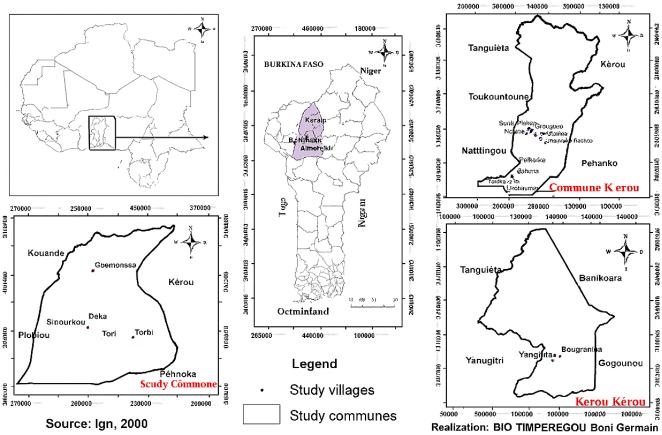
The mapping of the study areas is presented as follows:
6.2. Sampling and Data Collection
The main objective of this study is to characterize the shea butter production systems in the municipalities of Kerou, Kouande, and Pehonco (2KP) in northern Benin. To this end, the target population consisted of women shea butter processors from households in these municipalities. The information collected relates to production practices, techniques used, and challenges encountered in the processing of shea butter.
In order to ensure the representativeness of the results, a stratified random sampling method was used. This approach made it possible to capture the diversity of producers and practices across the three municipalities. To define the strata, criteria such as household size, type of production method employed (traditional, semi-modernized, or modernized), and the geographical location of the women within the municipalities were considered.
As for the selection of participants (women processors), a random sample of 200 producers was drawn from all strata using Slovin’s formula, as shown below:
Where n denotes the sample size, N represents the total study population or sampling frame (N = 365), and e is the margin of error, which in this case is 5%.
By rigorously applying this formula, we arrived at a total of approximately 200 women processors across more than 25 villages in the three municipalities (see
Table 1).
Table 1. Sampling of Women Processors.
Municipality | Number of Villages | Villages | Number of Processors |
Kouande | 17 | MAKROU-GOUROU, HONGON, KOUBORO, TASSIGOUROU, GORGOBA, SINKPAROUN, MARY, BEKET-BOURAME, BASSILOU, PESSOUROU, DEKEROU, GANIKPEROU, OROUKAYO, TAMANDE, BIRNI MARO, NIEKENE BANSOU, BIRNI-PEBIROU | 80 |
Pehunco | 07 | BEKET, GNEMASSON, SINAOURAROU-GAH, SOAODOU, SAYAKROU, SOASSARAROU, TOBRE, TONRI | 60 |
Kerou | 02 | YAKRIGOROU, BRIGNAMARO | 60 |
Total | 26 | — | 200 |
Source: Survey Data – 2KP, 2023
Furthermore, to ensure a comprehensive understanding of the shea butter production systems in the 2KP area, a structured questionnaire was administered to the selected producers to collect information on their production practices, tools and techniques used, and the challenges they face. Both multiple-choice questions and open-ended questions were included to gather quantitative and qualitative data. In addition, direct observations were conducted to witness the shea butter processing methods firsthand. This phase was also useful for verifying the consistency between responses provided in the questionnaires and the actual practices observed.
Ethical considerations and informed consent from the women processors were strictly observed throughout all data collection activities. The participants were informed about the objectives of the study, the confidentiality of their responses, and their right to withdraw from the study at any time.
6.3. Methodological Framework for Data Analysis
To characterize the shea butter processing systems, a Principal Component Analysis (PCA) was used, supported by Hierarchical Cluster Analysis (HCA). The relationship between the different processing system categories was assessed using the Chi-square test of independence (KH2).
To test the initial hypothesis, frequency distribution analysis and Chi-square tests were applied to describe the variables used in the characterization process and to highlight their contribution. The Chi-square test is a non-parametric test based on the differences between observed values (O) and expected values (T). It is used to test the dependency between two variables. The procedure involves stating the null hypothesis (H₀) of statistical independence, calculating the expected frequencies and the deviations (O − T), leading to the expression of the: Chi-square statistic for independence.
Finally, the calculated Chi-square value is compared with the critical value from the Chi-square distribution table, corresponding to the degrees of freedom (df) obtained and a significance level, which is generally set at 5%. If the calculated Chi-square value exceeds the critical value from the table, the null hypothesis (H₀) is rejected at the 5% significance level. In other words, at this threshold, the Chi-square test does not support statistical independence between the variables.
A one-way ANOVA test was also used to determine whether the difference in means is statistically significant when comparing one shea butter processing system to another. In this case as well, the significance probability (p-value) served as the basis for determining whether the observed differences were statistically significant.
6.4. Justification of Variable Selection and Coding
This study aims to characterize shea butter production systems in the municipalities of Kerou, Kouande, and Pehunco (2KP) through the construction of an operational typology. The selection of variables was guided by their theoretical relevance and discriminatory capacity, in line with established approaches in agri-food and farming system analysis.
Variables were chosen to capture the technical, organizational, and socioeconomic dimensions of shea butter processing. First, variables related to raw material supply and pre-processing (source of nuts, depulping, washing, drying method and duration) were included because they directly affect kernel quality and oil yield, while also reflecting differences in resource access and organization. Second, variables describing core processing operations (shelling, sorting, crushing, roasting, grinding, churning, refining, and packaging) were retained, as these stages constitute the technological core of the transformation process and clearly differentiate traditional, semi-mechanized, and mechanized systems.
In addition, variables related to equipment and energy use (type of stove, energy source, homogenization tools) were incorporated due to their strong influence on labor intensity, processing efficiency, production costs, and environmental sustainability. Finally, key socioeconomic variables (education level, access to equipment, access to credit, and collective organization) were included as explanatory factors, since technological choices are closely linked to processors’ human capital and institutional context.
For statistical analysis, variables were coded using a binary and quantitative scheme. Qualitative attributes were transformed into binary indicators (Yes = 1; No = 0), facilitating comparability and cluster construction in Principal Component Analysis (PCA) and Hierarchical Cluster Analysis (HCA). Quantitative variables, such as processing duration, quantities processed, and storage time, were retained in continuous form and standardized prior to analysis to avoid scale effects.
This coding strategy ensures statistical robustness while preserving the interpretability of production practices and underlying system logics.
7. Results
Socioeconomic and Demographic Characteristics of Women Processors
Tables 2, 3, 4, and 5 provide a statistical description of the socioeconomic and demographic profile of the respondents.
Table 2. Distribution by Marital Status and Age (in %).
Marital Status | Under 20 | 20–40 | Over 40 | Total |
Married | 3.0 | 45.0 | 21.0 | 69.0 |
Widow | 0.5 | 5.0 | 8.5 | 14.0 |
Divorced | 0.0 | 1.0 | 1.0 | 2.0 |
Single | 2.5 | 7.5 | 5.0 | 15.0 |
Source: Survey Data – 2KP, 2023
This table reveals a clear concentration of women processors in the 20 to 40 age group (58.5%). This group includes a significant proportion of married women (45%), indicating that shea processing is mainly carried out by women of working age who are in stable marital situations. Women under the age of 20 represent a small share (6%), reflecting a still limited intergenerational transmission—possibly due to the physically demanding nature of the work or a lack of attractiveness of the trade for younger generations.
Widows (14%) and single women (15%) also remain active in the sector, suggesting that shea butter processing serves as an important economic safety net, particularly for women without spousal support.
Table 3. Distribution by Education Level and Age (in %).
Education Level | Under 20 | 20–40 | Over 40 | Total |
No education | 2.5 | 38.0 | 17.0 | 57.5 |
Primary | 1.5 | 12.0 | 4.5 | 18.0 |
Secondary | 1.0 | 5.0 | 1.0 | 7.0 |
Higher education | 1.0 | 3.5 | 0.5 | 5.0 |
Others (Literacy) | 0.0 | 0.0 | 12.5 | 12.5 |
Source: Survey Data – 2KP, 2023
The majority of processors (57.5%) have no formal education; a trend particularly pronounced among women aged 20 to 40 (38%) and those over 40 (17%). This represents a potential barrier to adopting improved techniques, especially in semi-modern or mechanized systems, which often require the ability to read technical manuals or operate equipment.
Conversely, the proportion of women who are literate outside the formal school system (12.5%) is entirely concentrated among older women (40 years and above), reflecting the impact of rural literacy programs targeting women in previous years.
The low rate of secondary or higher education (12% overall) also reflects the limited appeal of this sector among educated women, which could hinder the endogenous modernization of the profession without external support (training, incentives).
Table 4. Distribution by Ethnicity and Marital Status (in %).
Ethnic Group | Married | Widow | Divorced | Single | Total |
Bariba | 42.5 | 3.0 | 1.0 | 6.0 | 52.5 |
Fulani (Peulh) | 7.5 | 4.0 | 0.5 | 1.0 | 13.0 |
Natimba | 7.0 | 2.5 | 0.0 | 1.5 | 11.0 |
Yom and related | 6.0 | 2.0 | 0.5 | 0.5 | 9.0 |
Others | 6.0 | 2.5 | 0.0 | 6.0 | 14.5 |
Source: Survey Data – 2KP, 2023
The Bariba constitute the most represented ethnic group among the processors (52.5%), followed by the Fulani (Peulh) (13%), the Natimba (11%), and the Yom and related groups (9%). This predominance of the Bariba can be attributed to their strong historical roots in agriculture and artisanal processing in Northern Benin.
Furthermore, the cultural dimension is evident: among the Bariba, the vast majority are married (42.5%), indicating a deep integration of processing practices within family and community structures. The Fulani and Natimba show greater diversity in marital status (including widows and single women), which may reflect more flexible or less stable family and economic models.
The ethnic analysis thus suggests an unequal cultural diffusion of processing practices, which must be considered in intervention strategies (language adaptation, organization by ethnic group, etc.).
Table 5. Religious Distribution by Primary Activity (in %).
Religion | Shea Production | Agriculture | Trading | Livestock | Craftwork | Others | Total |
Christian | 17.5 | 10.0 | 3.0 | 1.5 | 1.5 | 2.0 | 35.5 |
Animist | 10.0 | 5.0 | 1.5 | 1.0 | 1.0 | 1.0 | 19.5 |
Muslim | 25.0 | 10.0 | 4.0 | 3.0 | 2.0 | 1.0 | 45.0 |
Source: Survey Data – 2KP, 2023
This table indicates that shea production is the primary activity for 52.5% of the women, with Muslim women (25%) and Christian women (17.5%) being the most represented. Animist women make up 10% of the processors, which remains a noteworthy proportion.
Secondary activities such as agriculture (25%), trading (8.5%), and livestock rearing (5.5%) show that women often engage in multiple income-generating activities—demonstrating a rural livelihood resilience strategy. The presence of craftwork (4.5%) and various other activities (5%) suggests a certain degree of economic diversification.
Religious affiliation therefore plays a role in shaping the socio-economic structure of the shea butter value chain: in Muslim communities, activity is more heavily concentrated around shea, whereas among Christian and Animist women, it tends to be more diversified. This may influence how support programs are designed and targeted, depending on religious or community networks.
Characterization of Shea Butter Processing Systems
Table 6. Summary of PCA Results.
| Dim 1 | Dim 2 | Dim 3 | Dim 4 | Dim 5 | Dim 6 | Dim 7 | Dim 8 | Dim 9 |
Eigenvalues | 3.25 | 1.27 | 1.27 | 0.93 | 0.89 | 0.61 | 0.52 | 0.31 | 0.03 |
% of Variance | 36.19 | 14.16 | 12.64 | 10.43 | 9.97 | 6.82 | 5.83 | 3.52 | 0.39 |
Cumulative (%) | 36.19 | 50.36 | 63.01 | 73.44 | 83.42 | 90.25 | 96.08 | 99.60 | 100.00 |
Source: Survey Data – 2KP, 2023
From the table above, the results of the PCA reveal that the variables included in the characterization model contribute 63.01% of the informative variance across the first three dimensions. The remaining 39.99% of unexplained variance is attributed to factors not considered in the analysis, whose individual effects are minimized. Furthermore, the definition of each factorial axis was based on the analysis of the relative contribution of variable modalities to the inertia explained by the identified factorial axes.
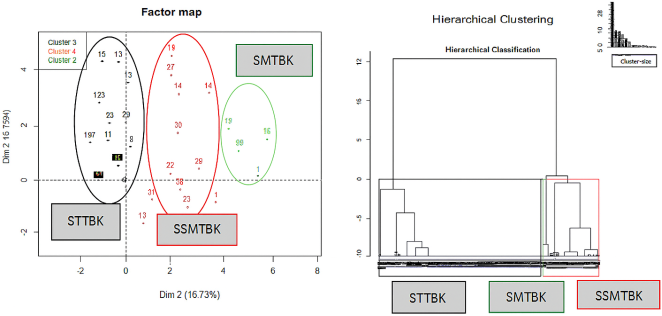
Figure 2. Projection of Shea Butter Transformation Systems Along Factorial Axes 1&2 and Their Hierarchical Ascending Classification.
The figures provided allow for an in-depth examination of the different shea butter processing systems adopted by women processors in the 2KP region of Northern Benin. The statistical techniques used, particularly factorial projection and hierarchical cluster analysis, highlight three distinct groups:
1) Traditional Shea Butter Processing System (STSBPS): This is the most widespread group and is characterized by artisanal methods. Extraction is based on manual processes often passed down through generations. Despite its cultural value, this system is limited in terms of yield and the consistent quality of the final product.
2) Semi-Mechanized Shea Butter Processing System (SMSBPS): This group incorporates some level of mechanization to improve efficiency and productivity. Equipment such as grinders and presses are partially used to ease labor. This partial modernization reduces the physical burden and increases output while retaining certain artisanal techniques.
3) Mechanized Shea Butter Processing System (MSBPS): This final group corresponds to units that use more advanced processing with modern equipment, enabling large-scale production. These systems provide better quality standardization and facilitate integration into more structured markets. However, they require greater investment and access to appropriate infrastructure.
The analysis of the figures reveals a gradual evolution in processing methods, moving from traditional systems toward more mechanized forms. The development of mechanized systems could serve as a viable solution to improving income and efficiency for women processors, while still preserving traditional know-how. Institutional support and funding opportunities will play a crucial role in the expansion of these practices.
Principal Component Analysis (PCA) and Hierarchical Cluster Analysis (HCA) (see
Figure 1) allowed for the identification of key characteristics for each group of processors. The frequencies, means, and standard deviations of various variables related to each group (see
Table 7,
Table 8). In total, the characterization considered around 18 variables describing the shea butter processing process in rural Benin. These same variables were also used by HELVETAS-Benin in partnership with SWISSCONTACT in their manual titled
Best Practices for Shea Butter Production, as well as in a guide developed by the
Planet Women’s Association (
AFP) through their project
Shea Butter Production.
The variables include: source of nut supply, depulping, nut washing, parboiling, drying, drying location, nut shelling, kernel sorting, kernel crushing, roasting, grinding, churning, refining, and packaging. Based on field observations, we also added the following variables: time taken for certain operations (parboiling, drying, etc.), homogenization tool used, type of stove, and source of energy. The contribution strength of these variables was determined using the correlation circle.
The identified groups of women processors are described as follows:
Description of System 1 (Traditional System – STSBPS):
Group 1 represents 72% of the sample. These women mainly source shea nuts through wild collection in shea parks (63.88%) and, to a lesser extent, by purchasing from women vendors in village markets (48.61%). After collecting the nuts, they perform depulping in the fields (87.5%), followed by washing (90.97%) using water sources such as ponds, streams, or rivers, typically over two days. Nuts are sun-dried in thin layers in their yards for about 10 days.
Parboiling (94.44%) is done, and the nuts are then dried again for approximately 4 days. Shelling is performed using mortars (93.75%), and kernels are sorted and crushed, also manually (90.27%). Following these steps, roasting is performed (90.27%), which can last up to 2.5 hours on average.
Grinding (84.02%) is then done, and churning is completed manually using basins (100%). Refining and packaging are performed by 80.55% of the women. Notably, 98.86% use tree branches for homogenization. The type of stove used is traditional (90.27%), and firewood is the primary energy source (88.19%). This system is classified as the Traditional Shea Butter Processing System (STSBPS).
Description of System 2 (Semi-Mechanized System–SMSBPS):
Group 2 represents 24% of the sample. These women obtain raw nuts through wild collection in shea parks (54.16%) and, to a lesser extent, from farmers directly (29.16%). Depulping is practiced by only 18.75%, with most skipping this step and proceeding directly to washing the pulped nuts (97.91%).
Drying is mostly done on tarpaulins (75.0%) for about 4 days, followed by parboiling (91.66%). The nuts are then dried for approximately 3 more days. Shelling is done either with mortars (47.91%) or grinders (41.66%), and they typically do not sort the kernels after shelling. Roasting follows immediately after kernel crushing and lasts about 2 hours.
Grinding and churning are carried out using a wooden paddle and basin (64.58%), and refining and packaging are done by 58.75% of them. Homogenization is performed using paddles (62.5%). Regarding stoves, 52.08% use traditional stoves, while 47.91% use improved stoves. Their energy sources include firewood (52.08%) and wood briquettes (43.75%). This system is referred to as the Semi-Mechanized Shea Butter Processing System (SMSBPS).
Description of System 3 (Mechanized System – MSBPS):
Group 3 represents 4% of the sample. These women adopt practices that differ significantly from the other groups. Like the others, they collect nuts from shea parks (87.5%), but depulping is done quickly (87.5% complete this within one day).
Washing (100%) is followed by parboiling and drying over nine days—either in home courtyards (50.0%) or, in some cases, in communal drying areas (37.5%). Shelling is performed using either mortars or grinders (50.0% each). Special attention is given to sorting (100.0%) and roasting (100.0%) the kernels.
Grinding is performed with machines (100.0%), and churning is done with a specialized churning machine (87.5%). Refining and packaging are systematically carried out (100.0%). The most used homogenization tool is a ladle (87.5%). These women mostly use improved stoves (75.0%) powered by charcoal (75.0%) and, to a lesser extent, wood briquettes (25.0%).
This system is categorized as the Mechanized Shea Butter Processing System (MSBPS).
In summary, the characterization resulted in the identification of three types of shea butter processing systems:
1) Traditional Shea Butter Processing System (STSBPS)
2) Semi-Mechanized Shea Butter Processing System (SMSBPS)
3) Mechanized Shea Butter Processing System (MSBPS)
A set of N variables describing the shea butter production process was used to construct the typology of processing systems.
The statistical description of the variables that contributed to the characterization of these systems is presented in
Tables 7 and 8.
Table 7. Characteristics of Shea Nut Supply and Processing.
Evaluation Parameters | Traditional System (STTRAD) | Modern System (STMOD) | Mixed System (STMIX) | Probability (P < 0.05) |
Source: Local surroundings (Yes=1/No=0) | 63.38 | 34.15 | 2.47 | P = 0.01 |
From cooperatives/farmers (Yes=1/No=0) | 24.16 | 29.16 | 23.31 | P = 0.01 |
From markets (Yes=1/No=0) | 12.46 | 36.69 | 74.22 | P = 0.01 |
Nut depulping (Yes=1/No=0) | 100.00 | 0.00 | 0.00 | P = 0.01 |
Washing after depulping (Yes=1/No=0) | 97.67 | 97.67 | 97.67 | P = 0.01 |
Nut drying (Yes=1/No=0) | 50.97 | 50.97 | 50.97 | P = 0.01 |
Source: Survey Data – 2KP, 2023
Table 8. Processing Steps and Kernel Characteristics.
Evaluation Parameters | Traditional System (STTRAD) | Modern System (STMOD) | Mixed System (STMIX) | Probability (P < 0.05) |
Kernel drying duration (days) | 6.44 | 7.15 | 6.44 | P = 0.01 |
Alternative drying site (Yes=1/No=0) | 7.15 | 6.44 | 7.15 | P = 0.01 |
Home courtyard drying (Yes=1/No=0) | 7.15 | 6.44 | 7.15 | P = 0.01 |
Drying on tarpaulin (Yes=1/No=0) | 7.15 | 6.44 | 7.15 | P = 0.01 |
Kernel uniformity (Yes=1/No=0) | 47.61 | 47.61 | 47.61 | P = 0.01 |
Kernel sorting (Yes=1/No=0) | 2.53 | 97.47 | 97.47 | P = 0.01 |
Source: Survey Data – 2KP, 2023
Tables 7 and 8 provide an in-depth statistical analysis of the shea butter processing systems, comparing traditional, semi-modern, and modern practices among women processors in the 2KP region of Northern Benin.
Key Data Interpretation:
1) Average Processing Duration:
The process is longest in the traditional system (17.58 days), followed by the semi-modern (15.64 days), and shortest in the modern system (14.16 days).
This suggests that modern techniques allow for faster processing, which may enhance productivity.
2) Mass of Seeds Processed (kg/day):
Women using the traditional system process 42 kg/day, while those using semi-modern methods process 48 kg/day, and those in the modern system reach 54 kg/day.
This gradual increase demonstrates that modern systems offer better processing capacity, thereby improving yields.
3) Kernel Storage Duration:
Kernels are stored the longest in the traditional system (180 days), compared to 150 days in the semi-modern system and 120 days in the modern system.
Shorter storage durations in modern systems may reflect more efficient raw material management and reduced losses.
Storage Mode and Type:
All three systems use the same storage methods (warehouses and sacks), which indicates that improvements in practices are more related to transformation techniques and resource management than to storage innovations.
Implications for the Shea Butter Value Chain:
4) Increased Efficiency:
The adoption of modern techniques reduces processing time and increases volumes handled.
5) Resource Optimization:
Reducing the duration of kernel storage can minimize losses and improve the quality of the final butter.
6) Economic Development:
Performance improvements through modern methods could lead to greater profitability for women processors.
It is also worth examining how the groups of women processors are distributed across the study municipalities.
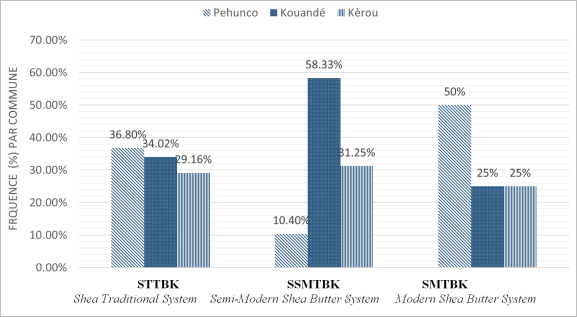
Figure 3 shows the distribution of the women’s groups by municipality.
The Pearson Chi-square test of independence is statistically significant at the 5% level (p = 0.005; Pearson Chi-square value = 14.99), indicating that the spatial distribution of the women processor groups is dependent on the municipality of residence.
Thus, we observe that the traditional system (STSBPS) is almost equally represented across all three municipalities in the 2KP region. The semi-modern system (SMSBPS) is more prevalent in the municipality of Kouande (58.33%), and to a lesser extent in Kerou (31.25%). As for the modern system (MSBPS), it is mainly found in Pehunco (50.0%) and to a lesser degree (25.0%) in the other two municipalities.
Figure 3. Distribution of Groups of Women Shea Butter Processors by Municipality.
8. Discussion
1) Socioeconomic and Demographic Characteristics
The results reveal that the study population is relatively young (average age: 41 years), and that shea butter production is primarily a women-led activity. In fact, as the third most important export product after cotton and cashew, shea plays a major role in the livelihoods of rural women in Benin
| [35] | Hessavi, R., Houehanou, T. D., Assogbadjo, A. E., & Glele Kakai, R. (2019). Local preferences for shea nut and butter production in Northern Benin. Forests, 10(1), 13.
https://doi.org/10.3390/f11010013 |
[35]
. This finding aligns with
| [36] | Ahouannou, C., Tchobo, F. P., Soumanou, M. M., & Mensah, G. A. (2013). Influence of thermal operations involved in traditional shea butter extraction processes in Benin. International Journal of Biological and Chemical Sciences, 7(6), 2469–2482. https://doi.org/10.4314/ijbcs.v7i6.24 |
[36]
, who demonstrated that in Benin, the transformation of shea nuts into butter remains a predominantly female activity. It also supports the findings of
| [37] | Semega, M., Coulibaly, M., & Traore, S. (2019). Shea value chain analysis in Mali: The OMADEZA intervention zone. University of Liege. |
[37]
and
, who respectively emphasized that shea is exclusively exploited by rural women in Mali and that women are the main actors in the shea value chain in Burkina Faso.
Clearly, the strong interest shown by women in shea butter processing can be explained both by its cultural significance within their communities and the accessibility of the raw material. According to
, shea work is a social and cultural event that brings women together to help one another extract butter. It is a time for gathering, singing, dancing, and social exchange.
The analysis also showed that most of the processors had no formal education or literacy. This is consistent with
| [40] | Hessavi, R., Houehanou, T. D., Assogbadjo, A. E., & Glele Kakaï, R. (2019). Local preferences for shea nut and butter production in Northern Benin. Forests, 10(1), 13.
https://doi.org/10.3390/f11010013 |
[40]
, who found that very few shea nut gatherers and processors in Benin had received formal education. Similarly,
| [41] | Mbaye, E. B. (2021). Civic engagement of teachers and school persistence in rural areas (Doctoral dissertation). Cheikh Anta Diop University. |
[41]
reported that the education level among rural labor, especially women, is relatively low, with more than half of rural women being affected.
It also emerged that access to credit and agricultural extension services remains limited for the processors surveyed. These findings confirm those of
| [42] | Biaou, G., Hounkonnou, D., & Tossou, R. (2011). Determinants of access to agricultural credit in Benin. Bulletin of Agricultural Research of Benin, 27–35 |
[42]
, who noted that access to credit remains very low in Benin’s municipalities. This is also consistent with
| [43] | Gouroubera, M., Ouédraogo, S., & Traore, A. (2017). Access to finance and performance of women soybean processing units. African Journal of Agricultural Economics, 5(2), 89–102. |
[43]
, who demonstrated that access to financing for female soybean processors remains limited.
2) Typology of Shea Butter Processing Systems
Following the analysis, the typology of processing systems identified three types: the Traditional Shea Butter Processing System (STSBPS), the Semi-Mechanized Shea Butter Processing System (SMSBPS), and the Mechanized Shea Butter Processing System (MSBPS). Most of the variables used in this study to characterize processing systems are recognized steps in shea butter production, as documented in numerous studies including
| [44] | Coulibaly, M., et al. (2018). De-stereotyping the history of African civilizations: The manuscripts of Timbuktu. International Journal of English Literature and Culture.
https://doi.org/10.14662/IJELC2018.052 |
| [45] | Hessavi, R., et al. (2019). Local preferences for shea nut and butter production in Northern Benin. Forests, 10(1), 13.
https://doi.org/10.3390/f11010013 |
[44, 45]
, as cited in
| [46] | Semega, M., et al. (2019). Shea value chain analysis. University of Liege. |
| [47] | Badini, Z. (2011). Shea butter in Burkina Faso: Between local markets and exports. Cahiers Agricultures, 20(4), 305–312. https://doi.org/10.1684/agr.2011.0508 |
[46, 47]
, among others.
Among the identified systems, the traditional system (STSBPS) was found to be the most widespread and familiar to women. This is in line with
| [48] | Semega, M. (2019). Shea processing systems in West Africa. University of Liege. |
[48]
, who reported that in West Africa, shea nut processing is largely manual and artisanal. Similarly, in Mali, most shea nut processing is traditional
| [49] | Semega, M. (2019). Shea butter production systems. University of Liege. |
[49]
.
However, the results also showed that the modern system (MSBPS) is the least practiced and, in many cases, still unfamiliar to most women processors. This aligns with findings from
| [50] | International Trade Centre. (2014). Sustainability challenges in shea butter production: Energy consumption and resource efficiency. ITC. |
[50]
, which noted that industrial shea processing units are scarce in Nigeria, Côte d’Ivoire, Benin, Togo, and Mali. This could be due to the limited dissemination of modern processing techniques and the relatively high costs associated with their use compared to other systems.
Furthermore, while the traditional system (STSBPS) is present throughout the entire study area, the semi-mechanized system (SMSBPS) was more prevalent in the municipality of Kouande, and the modern system (MSBPS) dominated in Pehunco. The prominence of the modern system in Pehunco, located in the Atacora region, may be attributed to increased government investment and development projects in recent years
| [51] | Ministry of Industry and Commerce (MIC). (2021). Shea sector development report in Benin. Government of Benin. |
[51]
.
9. Conclusion
The study on the characterization of shea butter production systems in the 2KP municipalities of Northern Benin sheds light on the diversity and complexity of local processing practices. Shea producers use a range of traditional and modern methods that significantly influence the quality and quantity of the butter produced. Despite the economic and social importance of shea butter to these communities, several challenges hinder the optimal development of the value chain. These include limited access to appropriate equipment, financial constraints, and the ongoing need for technical training among processors.
The results suggest that in order to improve both the quality and profitability of shea butter production, it is crucial to implement targeted initiatives. These should include training programs for women processors, investments in infrastructure and equipment, and access to financial support mechanisms. Moreover, optimizing shea butter production systems in the 2KP region will require a combination of traditional technique enhancement and the integration of adapted modern technologies.
In conclusion, this study provides a solid foundation for guiding future policies and interventions aimed at strengthening the shea butter value chain in the 2KP municipalities. It is essential to support local women producers through integrated approaches that account for the region's socio-economic and environmental realities. By adopting these recommendations, it will be possible to foster more sustainable and profitable shea butter production for communities in Northern Benin.
Abbreviations
2KP | Kerou–Kouande–Pehunco Municipalities (Group of Three Municipalities Located in Northern Benin) |
AKB | Shea Association of Benin (National Organization Supporting the Shea Sector in Benin) |
ANOVA | Analysis of Variance (Statistical Method Used to Compare Means Across Groups) |
df | Degrees of Freedom (Parameter Used in Statistical Hypothesis Testing) |
Ho | H₀ – Null Hypothesis (Hypothesis Stating no Statistical Relationship Between Variables) |
HCA | Hierarchical Cluster Analysis (Multivariate Statistical Technique Used to Classify Observations into Homogeneous Groups) |
KH2 (χ2) | Chi-square Test (Non-Parametric Statistical Test Used to Assess Independence Between Variables) |
MSBPS | Mechanized Shea Butter Processing System (Fully Mechanized Shea Butter Processing System) |
PCA | Principal Component Analysis (Multivariate Statistical Method Used to Reduce Data Dimensionality) |
p-value | Probability Value (Statistical Measure Used to Assess the Significance of Results) |
SMSBPS | Semi-Mechanized Shea Butter Processing System (Processing System Combining Artisanal Practices with Partial Mechanization) |
STSBPS | Traditional Shea Butter Processing System (Artisanal shea Butter Processing System Based on Manual Techniques) |
Acknowledgments
The author extends sincere appreciation to the resource persons and institutions that facilitated access to the field and the information required for the completion of this study.
Funding
This research received no external funding and did not benefit from any financial support that could have influenced its design, implementation, or publication.
Data Availability Statement
The data supporting the findings of this manuscript are available from the corresponding author upon reasonable request.
Conflicts of Interest
The authors declare that there is no conflict of interest related to the conduct, analysis, or publication of this study.
References
| [1] |
Bignon, S., N’Tsoukpoe, K. E., Kpegba, K., Davou, L., Soro, Y. M., & Yacouba, H. (2023). Sustainability challenges in conventional shea butter production in Africa: A review of energy consumption and resource efficiency. Environment Systems and Decisions, 44, 161–176.
https://doi.org/10.1007/s10669-023-09925-y
|
| [2] |
Bolaji-Olutunji, K. A., Ugege, B. H., Adebayo, D. O., Odediran, F. A., & Adebayo, O. (2018). Analysis of production efficiency of shea butter (Vitellaria paradoxa) in Oke Ogun area of Oyo State. Scientific Research Journal (SCIRJ), 6(8).
https://doi.org/10.31364/SCIRJ/v6.i8.2018.P0818552
|
| [3] |
Issahaku, H., Al-Hassan, R., & Sarpong, D. B. (2011). An analysis of allocative efficiency of shea butter processing methods in the Northern Region of Ghana. Journal of Development and Agricultural Economics, 3(4), 165–173.
https://doi.org/10.5897/JDAE.9000008
|
| [4] |
Landais, E. (1998). Modelling farm diversity: New approaches to typology building in France. Agricultural Systems, 58(4), 505–527.
https://doi.org/10.1016/S0308-521X(98)00085-2
|
| [5] |
Dugue, P., Vall, E., & Bosc, P.-M. (2004). Diversity of farms and production systems. CIRAD.
|
| [6] |
Lançon, F., Dury, S., & Temple, L. (2004). Typology of production systems and producers’ strategies. CIRAD.
|
| [7] |
Dufumier, M. (1996). Agricultural development projects: An expert manual. Karthala.
|
| [8] |
Landais, E. (1998). Production systems: Definition and analytical framework. Agricultural Systems, 58(4), 505–527.
https://doi.org/10.1016/S0308-521X(98)00085-2
|
| [9] |
Dugue, P., & Vall, E. (2004). Combining qualitative surveys and multivariate analysis for farming system typologies. Agricultural Systems, 80, 243–256.
https://doi.org/10.1016/j.agsy.2003.07.002
|
| [10] |
Lançon, F., & Temple, L. (2004). From diversity to typology: Analytical tools for agricultural systems. Cahiers Agricultures, 13(4), 375–382.
|
| [11] |
Dufumier, M. (1996). Territorial embeddedness of production systems. Karthala.
|
| [12] |
Landais, E. (1998). Production systems and rural development analysis. Agricultural Systems, 58(4), 505–527.
https://doi.org/10.1016/S0308-521X(98)00085-2
|
| [13] |
Dufumier, M. (1996). Agricultural systems and institutional constraints. Karthala.
|
| [14] |
Gnonlonfin, G. J. B., Hell, K., Adjovi, Y., & Fandohan, P. (2019). Quality constraints in traditional shea butter processing. Journal of Food Safety, 39(4), e12636.
https://doi.org/10.1111/jfs.12636
|
| [15] |
Chevalier, A. (1943). Shea tree: A plant resource of West Africa. IFAN.
|
| [16] |
Coulibaly, M., Traore, S., & Ouedraogo, S. (2018). Semi-modern shea butter processing and productivity improvement. Journal of Applied Biosciences, 122, 12245–12256.
https://doi.org/10.35759/JABs.122.5
|
| [17] |
Kpadonou, R. A., Tossou, M., & Houngbo, V. (2021). Modernization and quality standards in shea butter processing. Journal of Pharmacognosy and Phytochemistry, 10(1), 345–352.
|
| [18] |
HELVETAS-Benin, & SWISSCONTACT. (2020). Best practices for shea butter production. Cotonou.
|
| [19] |
Semega, M. (2018). Multivariate analysis in agricultural system typologies (Master’s thesis). University of Liege.
|
| [20] |
Dugue, P., Vall, E., & Bosc, P.-M. (2004). Hierarchical clustering in farming system analysis. Agricultural Systems, 80, 243–256.
https://doi.org/10.1016/j.agsy.2003.07.002
|
| [21] |
Soro, Y. M., & Ogounoke, C. E. (2022). Indicators for typology construction in agri-food systems. African Journal of Agricultural Economics, 7(2), 45–61.
|
| [22] |
Ayelazuno, J. A., & Yaro, J. A. (2024). Credit access and women-led agri-processing in West Africa. World Development, 172, 106391.
https://doi.org/10.1016/j.worlddev.2023.106391
|
| [23] |
Metohue, R., Hounkonnou, D., & Adjakpa, J. (2024). Women cooperatives and economies of scale in Benin. Journal of Rural Studies, 98, 214–223.
https://doi.org/10.1016/j.jrurstud.2023.11.018
|
| [24] |
Food and Agriculture Organization of the United Nations. (2015). OECD–FAO Agricultural Outlook 2015–2024. FAO.
https://doi.org/10.1787/agr_outlook-2015
|
| [25] |
Kpadonou, R. A., et al. (2021). Quality standards and market access in shea butter value chains. Journal of Pharmacognosy and Phytochemistry, 10(1), 345–352.
|
| [26] |
Bignon, S., et al. (2023). Professionalization dynamics in shea butter processing. Environment Systems and Decisions, 44, 161–176.
https://doi.org/10.1007/s10669-023-09925-y
|
| [27] |
Coulibaly, M., et al. (2018). Selective adoption of technology in artisanal processing. Journal of Applied Biosciences, 122, 12245–12256.
https://doi.org/10.35759/JABs.122.5
|
| [28] |
Anis, A., & Brown, K. (2024). Women empowerment in rural value chains. Gender, Place & Culture, 31(2), 256–273.
https://doi.org/10.1080/0966369X.2023.2264127
|
| [29] |
Agundez, D., et al. (2020). Socio-technical typologies in agroforestry systems. Agroforestry Systems, 94, 1789–1804.
https://doi.org/10.1007/s10457-020-00522-9
|
| [30] |
Dugue, P., et al. (2004). Typologies as decision-making tools. Agricultural Systems, 80, 243–256.
https://doi.org/10.1016/j.agsy.2003.07.002
|
| [31] |
Landais, E. (1998). Farm diversity and producer logics. Agricultural Systems, 58(4), 505–527.
https://doi.org/10.1016/S0308-521X(98)00085-2
|
| [32] |
Dugue, P., Vall, E., & Bosc, P.-M. (2004). Farming systems logic and classification. CIRAD.
|
| [33] |
Gnonlonfin, G. J. B., et al. (2019). Socioeconomic drivers of shea processing practices. Forests, 10(1), 13.
https://doi.org/10.3390/f10010013
|
| [34] |
Yabi, A. J., Ouinsavi, C., & Sokpon, N. (2009). Technical and economic efficiency of shea butter processing in Northern Benin. Journal of Agricultural Economics and Development.
|
| [35] |
Hessavi, R., Houehanou, T. D., Assogbadjo, A. E., & Glele Kakai, R. (2019). Local preferences for shea nut and butter production in Northern Benin. Forests, 10(1), 13.
https://doi.org/10.3390/f11010013
|
| [36] |
Ahouannou, C., Tchobo, F. P., Soumanou, M. M., & Mensah, G. A. (2013). Influence of thermal operations involved in traditional shea butter extraction processes in Benin. International Journal of Biological and Chemical Sciences, 7(6), 2469–2482.
https://doi.org/10.4314/ijbcs.v7i6.24
|
| [37] |
Semega, M., Coulibaly, M., & Traore, S. (2019). Shea value chain analysis in Mali: The OMADEZA intervention zone. University of Liege.
|
| [38] |
Badini, Z. (2011). Shea butter in Burkina Faso: Between domestic markets and export chains. Cahiers Agricultures, 20(4), 305–312.
https://doi.org/10.1684/agr.2011.0508
|
| [39] |
Badini, Z. (2011). Shea butter in Burkina Faso: Socio-cultural dimensions of processing. Cahiers Agricultures, 20(4), 305–312.
https://doi.org/10.1684/agr.2011.0508
|
| [40] |
Hessavi, R., Houehanou, T. D., Assogbadjo, A. E., & Glele Kakaï, R. (2019). Local preferences for shea nut and butter production in Northern Benin. Forests, 10(1), 13.
https://doi.org/10.3390/f11010013
|
| [41] |
Mbaye, E. B. (2021). Civic engagement of teachers and school persistence in rural areas (Doctoral dissertation). Cheikh Anta Diop University.
|
| [42] |
Biaou, G., Hounkonnou, D., & Tossou, R. (2011). Determinants of access to agricultural credit in Benin. Bulletin of Agricultural Research of Benin, 27–35
|
| [43] |
Gouroubera, M., Ouédraogo, S., & Traore, A. (2017). Access to finance and performance of women soybean processing units. African Journal of Agricultural Economics, 5(2), 89–102.
|
| [44] |
Coulibaly, M., et al. (2018). De-stereotyping the history of African civilizations: The manuscripts of Timbuktu. International Journal of English Literature and Culture.
https://doi.org/10.14662/IJELC2018.052
|
| [45] |
Hessavi, R., et al. (2019). Local preferences for shea nut and butter production in Northern Benin. Forests, 10(1), 13.
https://doi.org/10.3390/f11010013
|
| [46] |
Semega, M., et al. (2019). Shea value chain analysis. University of Liege.
|
| [47] |
Badini, Z. (2011). Shea butter in Burkina Faso: Between local markets and exports. Cahiers Agricultures, 20(4), 305–312.
https://doi.org/10.1684/agr.2011.0508
|
| [48] |
Semega, M. (2019). Shea processing systems in West Africa. University of Liege.
|
| [49] |
Semega, M. (2019). Shea butter production systems. University of Liege.
|
| [50] |
International Trade Centre. (2014). Sustainability challenges in shea butter production: Energy consumption and resource efficiency. ITC.
|
| [51] |
Ministry of Industry and Commerce (MIC). (2021). Shea sector development report in Benin. Government of Benin.
|
Cite This Article
-
APA Style
Timperegou, B. G. B., Yabi, A. J. (2026). Characterization of Shea Butter Production Systems in the 2kp Municipalities of Benin. International Journal of Agricultural Economics, 11(3), 57-71. https://doi.org/10.11648/j.ijae.20261103.11
 Copy
|
Copy
|
 Download
ACS Style
Timperegou, B. G. B.; Yabi, A. J. Characterization of Shea Butter Production Systems in the 2kp Municipalities of Benin. Int. J. Agric. Econ. 2026, 11(3), 57-71. doi: 10.11648/j.ijae.20261103.11
Copy
|
Download
AMA Style
Timperegou BGB, Yabi AJ. Characterization of Shea Butter Production Systems in the 2kp Municipalities of Benin. Int J Agric Econ. 2026;11(3):57-71. doi: 10.11648/j.ijae.20261103.11
Copy
|
Download
-
@article{10.11648/j.ijae.20261103.11,
  author = {Boni Germain Bio Timperegou and Afouda Jacob Yabi},
  title = {Characterization of Shea Butter Production Systems in the 2kp Municipalities of Benin},
  journal = {International Journal of Agricultural Economics},
  volume = {11},
  number = {3},
  pages = {57-71},
  doi = {10.11648/j.ijae.20261103.11},
  url = {https://doi.org/10.11648/j.ijae.20261103.11},
  eprint = {https://article.sciencepublishinggroup.com/pdf/10.11648.j.ijae.20261103.11},
  abstract = {This study examines shea butter production systems in the municipalities of Kerou, Kouande, and Pehunco (2KP) in northern Benin, where this activity constitutes a critical source of income, economic empowerment, and social security for rural women. Despite the strategic importance of the shea value chain, processing practices remain marked by substantial technical, organizational, and socioeconomic heterogeneity, which constrains both productivity and the quality of the butter produced. The principal innovation of this research lies in the development of an empirical and operational typology of processing systems, grounded in a methodological framework that combines field surveys, direct observations, and multivariate statistical analyses. Data were collected from 200 women processors across 26 villages and analyzed using Principal Component Analysis (PCA), Hierarchical Cluster Analysis (HCA), chi-square tests, and ANOVA. The key findings identify three distinct systems: a predominantly traditional system (72%), characterized by manual techniques, high labor intensity, and low yields; a semi-mechanized system (24%), which partially incorporates improved equipment and delivers intermediate productivity gains; and a still marginal mechanized system (4%), yet one that achieves the highest levels of technical efficiency, product quality, and standardization. The study further demonstrates that participation in these systems is strongly shaped by socioeconomic factors, including educational attainment, access to equipment and credit, and membership in collective organizations. From a policy perspective, the results underscore the need for differentiated and targeted public interventions focused on technical training for women, upgrading processing infrastructure, improving access to finance, and strengthening women’s producer organizations, in order to promote a gradual, inclusive, and sustainable modernization of the shea value chain in the 2KP region.},
 year = {2026}
}
Copy
|
Download
-
TY  - JOUR
T1  - Characterization of Shea Butter Production Systems in the 2kp Municipalities of Benin
AU  - Boni Germain Bio Timperegou
AU  - Afouda Jacob Yabi
Y1  - 2026/05/28
PY  - 2026
N1  - https://doi.org/10.11648/j.ijae.20261103.11
DO  - 10.11648/j.ijae.20261103.11
T2  - International Journal of Agricultural Economics
JF  - International Journal of Agricultural Economics
JO  - International Journal of Agricultural Economics
SP  - 57
EP  - 71
PB  - Science Publishing Group
SN  - 2575-3843
UR  - https://doi.org/10.11648/j.ijae.20261103.11
AB  - This study examines shea butter production systems in the municipalities of Kerou, Kouande, and Pehunco (2KP) in northern Benin, where this activity constitutes a critical source of income, economic empowerment, and social security for rural women. Despite the strategic importance of the shea value chain, processing practices remain marked by substantial technical, organizational, and socioeconomic heterogeneity, which constrains both productivity and the quality of the butter produced. The principal innovation of this research lies in the development of an empirical and operational typology of processing systems, grounded in a methodological framework that combines field surveys, direct observations, and multivariate statistical analyses. Data were collected from 200 women processors across 26 villages and analyzed using Principal Component Analysis (PCA), Hierarchical Cluster Analysis (HCA), chi-square tests, and ANOVA. The key findings identify three distinct systems: a predominantly traditional system (72%), characterized by manual techniques, high labor intensity, and low yields; a semi-mechanized system (24%), which partially incorporates improved equipment and delivers intermediate productivity gains; and a still marginal mechanized system (4%), yet one that achieves the highest levels of technical efficiency, product quality, and standardization. The study further demonstrates that participation in these systems is strongly shaped by socioeconomic factors, including educational attainment, access to equipment and credit, and membership in collective organizations. From a policy perspective, the results underscore the need for differentiated and targeted public interventions focused on technical training for women, upgrading processing infrastructure, improving access to finance, and strengthening women’s producer organizations, in order to promote a gradual, inclusive, and sustainable modernization of the shea value chain in the 2KP region.
VL  - 11
IS  - 3
ER  -
Copy
|
Download





 Share This Article
 Twitter
 Linked In
 Facebook