2. Materials and Methods
2.1. Materials
The plant material utilized in this study was cassava root (
Manihot esculenta Crantz), specifically the local variety designated 'Bocou 2' one of released varieties with a provitamin A content of 6 ppm. The yield average is 32 t/ha on research station and 25 t/ha on farm with dry matter content of 38%. In addition, the variety produces a good quality of attiéké enriched with nutrients
| [14] | Martínez P, Peña F, Bello-Pérez LA, Núñez-Santiago C, Yee-Madeira H, Velezmoro C. Physicochemical, functional and morphological characterization of starches isolated from three native potatoes of the Andean region. Food Chemistry: X. 2019, 2, 100030.
https://doi.org/10.1016/j.fochx.2019.100030 |
[14]
. This variety was developed by the National Centre for Agricultural Research. It exhibits resistance to diseases and pests, thereby ensuring high yields. The roots were harvested in February 2025 when they had reached a maturity stage of 13 months. This took place on a parcel of land under cultivation in Bonoua, Côte d'Ivoire, during the wet and hot season. The chemicals utilized in this study were of analytical-grade purity.
2.2. Methods
2.2.1. Preparation of Unretted (Urflr) and Retted (Rflr) Flour from Cassava Sliced Pulp
The mature (9-12 months) cassava roots (6 kg) were washed in tap water, hand peeled using stainless steel knives, followed by pulp secondary washing, and then sliced into rectangular size (5 × 3 × 0.2). The resulting sliced cassava pulp were divided into two batches. The sliced pulp from the first batch were directly oven air dried at 55°C for 3 days. The second batch was subjected to water-retting for 4 days. Water was changed three times per day. After retting, the chips were wrung out, and then dried in an air oven at 55°C for 3 days. After, the two batches were separately dry milled and sieved to obtain fine flour with a uniform particle size of 250 µm. The flours obtained from the unretted (Urflr) and retted (Rflr) sliced cassava pulps were finally packaged using Vacuum Sealer Audion-Vac VM 150H (A1 Packaging Ltd., London, UK) in air-tight polyethylene bags until subsequent use (
Figure 1).
2.2.2. Preparation of Unfermented (Unflr) and Fermented (Fflr) Cassava Smashed Pulp Flour
The mature (9-12 months) cassava roots (6 kg) were washed in tap water, hand peeled using stainless steel knives, followed by pulp secondary washing, and then cut into grated using locally fabricated grating machine. The smash (grated) obtained was divided into two equal parts. One part was dewatered using manual screw press, pulverized, oven dried at 55°C for 24 h, milled and sieved to obtain unfermented cassava flour (UnFlr). The remaining part of the mash cassava roots was dewatered using mechanical press before spontaneous solid-state fermentation for 24 hours. The fibrous materials from different cassava mash were removed before drying with fabricated cabinet dryer at 55°C, milled with hammer mill, then sieved through a fine mesh sieve (500 µm) to obtain fermented flour (Fflr) and finally packaged using Vacuum Sealer, Audion-Vac VM 150H (A1 Packaging Ltd., London, UK) in air-tight polyethylene bags until subsequent use (
Figure 1).
2.3. Physical Properties
2.3.1. Determination of Hygroscopicity
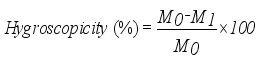
The hygroscopic properties of the flour are directly associated with the hygroscopic properties of the final product. The hygroscopicity of the date flours was determined using the method described by Pathirana et al.
| [15] | Pathirana HH, Lakdusinghe WMK, Yalegama LC, Chandrapeli CTD, Marikkar JN. Physical, nutritional and functional quality of defatted coconut residue from four coconut (Cocos nucifera L.) varieties; as a dietary supplement for the food industry. Cord. 2025, 41, 7-15. |
[15]
. A quantity of 2 g (M
0) of flour was stored in a desiccator that functioned as a controlled humidity chamber. The relative humidity of the chamber was set at 74% by means of saturated sodium chloride at a temperature of 28°C. Following a seven-day period of moisture absorption, the flour sample was reweighed (M
1). The moisture absorption of the flour samples was calculated as a percentage value following a seven-day storage period under the aforementioned conditions.
 (1)
(1) 2.3.2. Determination of Bulk Density
The bulk density was determined using the method described by Kacou et al.
| [16] | Kacou MA, Elvis Ekissi GS, Ebbah Djedji BC, N’zué B, Kouamé PL. Assessment of functional properties flours from seven local varieties of cassava (Manihot esculenta Crantz) consumed in Côte d’Ivoire. International Journal of Current Microbiology and Applied Sciences. 2018, 7, 815-826.
https://doi.org/10.20546/ijcmas.2018.710.090 |
[16]
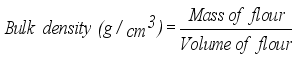
. Fifty (50) grams of each sample powder were introduced into graduated cylinder, and the volume occupied by the powder without tapping was noted.
 (2)
(2) 2.3.3. Determination of Hydrated Density
In a graduated test tube, 1 g of flour was carefully added to prevent it from sticking to the sides, followed by 10 mL of distilled water. The mixture was shaken for 30 minutes at room temperature. The mixture was then centrifuged at 3000 rpm for 15 minutes. Discard the supernatant (free water) and determine and weigh the volume of the hydrated sediment (swollen flour) remaining in the tube.
 (3)
(3) 2.3.4. Determination of Tapped Density
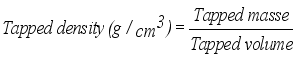
The flour samples were gently filled into 10 mL graduated plastiplastic cylinders. The bottom of the cylinder was gently tapped (1000 taps) until there was no further diminution of the sample level. After the final tapped volume was recorded. The mass of the sample was calculated and the bulk density was calculated as weight of sample per unit volume of sample
| [17] | Verma R, Chauhan N, Singh B, Chandra S, Sengar R. Evaluation of physicochemical and flow properties of cassava flour. The Pharma Innovation Journal. 2022, 11, 190-6. |
[17]
.
 (4)
(4) 2.3.5. Determination of Carr’s Index (CI)
Flowability and Compressibility Index was determined using the following the calculation method of Verma et al.
| [17] | Verma R, Chauhan N, Singh B, Chandra S, Sengar R. Evaluation of physicochemical and flow properties of cassava flour. The Pharma Innovation Journal. 2022, 11, 190-6. |
[17]
.
 (5)
(5) 2.3.6. Determination of Hausner Ratio
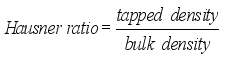
Hausner ratio was calculated from the ratio of the tapped bulk density to bulk density according to the method described by Houketchang Ndomou et al.
| [18] | Houketchang Ndomou SC, Balti BT, Tambo ST, Nanga Ndjang MM, Kaskawa K, Kouebou C, et al. Influence of weevil on the physicochemical characteristics, functional properties, and nutritional value of rice (Oryza sativa L.) produced at Yagoua (far-north Cameroon). Heliyon. 2024, 10: e30918.
https://doi.org/10.1016/j.heliyon.2024.e30918 |
[18]
.
 (6)
(6) 2.3.7. Determination of Porosity
Porosity was calculated from the ratio of the tapped bulk density to poured bulk density according to the method described by Houketchang Ndomou et al.
| [18] | Houketchang Ndomou SC, Balti BT, Tambo ST, Nanga Ndjang MM, Kaskawa K, Kouebou C, et al. Influence of weevil on the physicochemical characteristics, functional properties, and nutritional value of rice (Oryza sativa L.) produced at Yagoua (far-north Cameroon). Heliyon. 2024, 10: e30918.
https://doi.org/10.1016/j.heliyon.2024.e30918 |
[18]
.
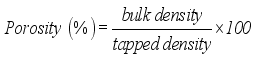 (7)
(7) 2.3.8. Determination of Light Transmittance (Paste Clarity)
Light transmittance was used to determine the paste clarity by measuring using the modified method of Martínez et al.
| [14] | Martínez P, Peña F, Bello-Pérez LA, Núñez-Santiago C, Yee-Madeira H, Velezmoro C. Physicochemical, functional and morphological characterization of starches isolated from three native potatoes of the Andean region. Food Chemistry: X. 2019, 2, 100030.
https://doi.org/10.1016/j.fochx.2019.100030 |
[14]
. An aqueous dispersion of cassava starch sample 1% (w/v) was prepared by suspending 1 g of flour in 100 mL of distilled water in a stoppered centrifuge tube, which was then vortex-mixed. The suspension was then heated in a boiling water bath (100°C) for 30 minutes in order to promote complete gelatinization of the granules. After cooled the pastes to room temperature, the transmittance was measured at 650 nm using a UV-Vis spectrophotometer (Shimadzu, UV-1800, Japan) against a water blank.
2.4. Functional Properties
2.4.1. Determination of the Swelling Capacity
The methodology described by Houketchang Ndomou et al.
| [18] | Houketchang Ndomou SC, Balti BT, Tambo ST, Nanga Ndjang MM, Kaskawa K, Kouebou C, et al. Influence of weevil on the physicochemical characteristics, functional properties, and nutritional value of rice (Oryza sativa L.) produced at Yagoua (far-north Cameroon). Heliyon. 2024, 10: e30918.
https://doi.org/10.1016/j.heliyon.2024.e30918 |
[18]
was used to evaluate the swelling of the flour. An aqueous dispersion of 10% (w/v) flour sample was prepared by suspending 10 g of flour in 100 mL of distilled water. This was then placed in a water bath (HWS-26, France) at 90°C for 15 minutes. The mixture was then centrifuged at 4,500 rpm for 15 minutes. The supernatants were carefully removed and the swollen flour sediment was weighed. Swelling capacity was the ratio of weight of the wet sediment (M
1) to the initial weight (M
0) of the dry flour.
 (8)
(8) 2.4.2. Determination of Wettability
The wettability of the flours was assessed according to the adapted method described by Ramos-Sanchez et al.
| [19] | Ramos-Sanchez R, Hayward NJ, Russell WR, Duncan SH, Neacsu M. Evaluation of protein solubility, lipid oxidative stability and physical properties of hemp seed-based foods and by-products. Food Science & Nutrition. 2025, 13, e70954.
https://doi.org/10.1002/fsn3.70954 |
[19]
. Ten grams of flour were carefully and evenly added to 100 mL of distilled water in 500 mL beakers with a diameter of 8 cm. The time taken for the sample to become fully wetted was recorded. This experiment was repeated and the results were averaged to obtain the final wetting time.
2.4.3. Determination of Dispersibility
The dispersibility of the flours was assessed according to the adapted of method described by Ramos-Sanchez et al.
| [19] | Ramos-Sanchez R, Hayward NJ, Russell WR, Duncan SH, Neacsu M. Evaluation of protein solubility, lipid oxidative stability and physical properties of hemp seed-based foods and by-products. Food Science & Nutrition. 2025, 13, e70954.
https://doi.org/10.1002/fsn3.70954 |
[19]
. An amount of ten (10) grams was put into 500 mL beakers (diameter 8 cm) containing 100 mL (V
0) of distilled water. Mixtures were stirred continuously at 800 rpm for 7 min and then allowed to setteled for 3 hours. The volume (V
1) of settled particles was noted and percentage dispersibility was calculated as follows:
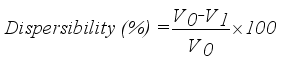 (9)
(9) 2.4.4. Emulsion Capacity
Emulsification capacity (EC) was determined using the
| [14] | Martínez P, Peña F, Bello-Pérez LA, Núñez-Santiago C, Yee-Madeira H, Velezmoro C. Physicochemical, functional and morphological characterization of starches isolated from three native potatoes of the Andean region. Food Chemistry: X. 2019, 2, 100030.
https://doi.org/10.1016/j.fochx.2019.100030 |
[14]
method. Two grams of cassava tuber flour were blended with 25 mL of distilled water at room temperature for 30 seconds. Then, 10 mL of refined palm oil was added, and blending continued for a further 30 seconds before transferring to a centrifuge tube. Centrifugation was performed at 5000 rpm for 25 minutes. The volume of oil that had separated from the sample was read directly from the tube after centrifugation. EC was expressed as the amount of oil emulsified and held per gram of sample.
 (10)
(10) 2.4.5. Determination of Emulsion Stability
Emulsion stability (ES) was calculated as the height of the emulsion layer after heating in a boiling water bath to the height of the whole solution in tube
| [20] | Elkhalifa AEO, Bernhardt R. Combination Effect of Germination and Fermentation on Functional Properties of Sorghum Flour. Current Journal of Applied Science and Technology. 2018, 30(1), 1-12.
https://doi.org/10.9734/CJAST/2018/44491 |
[20]
.
 (11)
(11) 2.4.6. Determination of Foaming Capacity
Foaming capacity (FC) was determined according to the method described by
| [21] | Ijarotimi OS, Yinusa MA, Adegbembo PA, Adeniyi MD. Chemical compositions, functional properties, antioxidative activities, and glycaemic indices of raw and fermented tigernut tubers (Cyperus esculentus Lativum) flou. Journal of Food biochemistry. 2018, 42(5), e12591.
https://doi.org/10.1111/jfbc.12591 |
[21]
. Three grams of flour sample was weighed and added to 50 mL distilled water in a 100mL measuring cylinder; it’s the volume before whipping. The suspension was mixed and properly shaken to foam and new volume after whipping was recorded. The foaming capacity was calculated using the following mathematical formula:
 (12)
(12) 2.4.7. Determination of Foam Stability
Foam stability (FS) was determined according to the method described by Elkhalifa and Bernhardt
| [20] | Elkhalifa AEO, Bernhardt R. Combination Effect of Germination and Fermentation on Functional Properties of Sorghum Flour. Current Journal of Applied Science and Technology. 2018, 30(1), 1-12.
https://doi.org/10.9734/CJAST/2018/44491 |
[20]
. The fall in volume of the foam as a function of time was recorded as foam stability. The test tube with initial volume of foam (F
0) was left to rest on the workbench until the decreased of foam at final volume (F
t). The foam stability was then calculated using the following mathematical formulas:
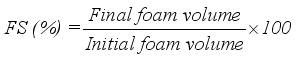 (13)
(13) 2.4.8. Determination of Water Absorption Capacity and Solubility Index
The water absorption capacity (WAC) and the water solubility index (WSI) was assessed according to Kacou et al.
| [16] | Kacou MA, Elvis Ekissi GS, Ebbah Djedji BC, N’zué B, Kouamé PL. Assessment of functional properties flours from seven local varieties of cassava (Manihot esculenta Crantz) consumed in Côte d’Ivoire. International Journal of Current Microbiology and Applied Sciences. 2018, 7, 815-826.
https://doi.org/10.20546/ijcmas.2018.710.090 |
[16]
. Two (2) g of flours (M
0) dissolved in 50 mL of distilled water contained in a centrifuge tube. This mixture is stirred for 30 minutes with a stirrer and then kept in a water bath at 37° C. for 30 minutes. It is then centrifuged at 5000 rpm for 15 minutes. The pellet obtained (M
2) is weighed and then dried at 105° C to a constant mass (M
1). WAC was expressed as g of water or oil held per g of flour sample, thus WSI was expressed as g of water or oil held per g of flour sample.
 (14)
(14)  (15)
(15) 2.4.9. Determination of Oil Absorption Capacity
Oil absorption capacity (OAC) of the flour was assessed according to the modified methods of Orafa et al.
| [22] | Orafa PN, Obudu JH, Haruna AD, Job J. Functional and rheological properties of kunu gyada produced from extruded sorghum and groundnut flour blends. FUW Trends in Science & Technology Journal. 2025, 10, 098-102. |
[22]
. Briefly, 10 mL of oil (commercial refined palm oil ‘Dinor’ or red palm oil) was added to 1 g (M
0) of each flour sample in a dry and clean centrifuge tube. The mixture was left to stand at room temperature (30 ± 2°C) and then centrifuged at 4000 rpm for 10 min. The supernatant was discarded, and the pellet recovered is weighed (M
1). Oil absorption capacity was expressed as mL of oil bound by 1 g of dried flour. Absorption capacities were then determined using the following formula:
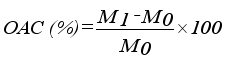 (16)
(16) 2.4.10. Determination of Hydrophilic-lipophilic Ratio
The hydrophilic-lipophilic ratio (HLR), as defined by Njintang et al.
| [23] | Njintang NY, Mbofung CMF, Waldron KW. In vitro protein digestibility and physicochemical properties of dry red bean (Phaseolus vulgaris) flour: effect of processing and incorporation of soybean and cowpea flour. Journal of Agricultural and Food Chemistry. 2001, 49, 2465-2471.
https://doi.org/10.1021/jf0011992 |
[23]
, was calculated by dividing the water absorption capacity by the oil absorption capacity. This ratio enables the comparative affinity of cassava flour for water and oil to be assessed.
 (17)
(17) 2.5. Gelation Properties
2.5.1. Least Gelation Concentration
Least gelation concentration (LGC) of the sample was determined by the method of
| [24] | Obinna-Echem PC, Ogbuagha M. Evaluation of the Functional, Proximate and Pasting Properties of Cocoyam (Xanthosoma sagittifolium) and Soybean (Glycine max L) Composite Flour. International Journal of Food Science and Nutrition. 2023, 8(2), 2023, 17-24. |
[24]
. Two grammes of the sample were dissolved in one hundred milliliters of distilled water to create a 2% (w/v) solution of the flour blend up to 20%. After 30 min of heating at 90°C in a water bath, the mixture was allowed to cool to room temperature. The lowest concentration at which the gel formed and could stay erect without flowing was used to identify the LGC. The LGC was defined as the lowest concentration that resulted in a stable gel.
2.5.2. Determination of Freeze-thaw Stability (% Syneresis)
The method of Sharma et al.
| [25] | Sharma S, Singh A, Singh B. Effect on germination time and temperature on techno-functional properties and protein solubility of pigeon pea (Cajanus cajan) flour. Quality Assurance and Safety of Crops & Foods. 2019, 11, 305-12.
https://doi.org/10.3920/QAS2018.1357 |
[25]
was employed to measure the% syneresis of the samples. flour suspension (10%, w/w,) dissolved in distilled water at 25°C by a magnetic stirrer at 300 rpm for 2 hours, followed by heating in a water bath at 95 C for 30 min with moderate mechanical agitation to obtain hydrogel. The empty centrifuge tubes in were weighted (M
0). Ten grams of the prepared hydrogel were transferred into centrifuge tubes and weighed (M
1). Then, the gels were placed in a refrigerator for 22 hours at −10°C. Thawing the samples was done by placing the tubes in a water bath at 30°C for 120 min. The thawed samples were then centrifuged at 3,000 rpm for 15 minutes, after which any clear supernatant liquid (syneresis) was decanted and the residue weighed (M
2). The percentage of syneresis was calculated using the following formula.
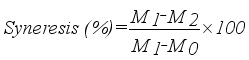 (18)
(18) 2.5.3. Determination of Gel Consistency
The consistency of the cassava flour gel was determined according to the method of Elkhalifa and Bernhardt
. A flour suspension was prepared by mixing 200 mg of cassava flour with either 0.1 N acetic acid or distilled water and 0.2 mL of 95% ethanol in screw-cap tubes. The sample was heated in boiling water for eight minutes to gelatinize the starch. After cooking, the tubes were left to cool upright at room temperature for 30 minutes. After cooling, the tubes were placed horizontally over ruled paper for one hour at room temperature, and the length of the gel spread (mm) was measured.
2.5.4. Determination of Gelatinization Temperature
The gelatinization temperature was determined by the method reported by Okpala et al.
| [27] | Okpala MO, Mbachu IB, Amaogunanya SC. Evaluation of functional and pasting properties of flours from unfermented cassava, fermented and boiled- fermented cassava. Journal of Science Engineering and Technology YABATECH. 2023, 1, 76-85. https://doi.org/10.65805/rd6pj8935e51 |
[27]
. Ten (10) g of flour sample is dispersed in a 250 mL beaker containing 100 mL of distilled water. Ten (10) mL of water was added to each sample. The samples were heated and stirred slowly in a water bath until they formed a solid gel. At the completion of gel formation, the respective temperature (°C) was measured with a thermometer and taken as the gelation temperature.
2.6. Statistical Analysis
All the samples were analyzed in triplicate, and the results are reported as mean value and standard deviation were computed using Microsoft Excel (Microsoft, USA). Statistical analysis and picture plotting were carried out using XLSAT from Addinsoft (2019) and Microsoft Excel. Data were processed using one-way analysis of variance (ANOVA)and significant differences (p<0.05) between the processing flours were assessed using Tukey's test. Pearson Correlation and correlogram matrix between properties was done with Rstudio R version 4.5.1. Finally, PCA was performed on the techno-functional parameters using XLSTAT software. The PCA performed on the data had a confidence level of 95%.
Figure 1. Schematic representation illustrating the production of different cassava flours.
3. Results and Discussion
3.1. Water Content
Determining the water content of food products is a crucial process with four key aspects: technological, analytical, commercial and regulatory
| [28] | Solofiniaina T, Vololonirina R, Fanambinantsoa RF, Tsialy LJ, Randrianantenaina A. Physical, physicochemical, and functional properties of 'mamoriaka mena' rice flour. Revue des Sciences, de Technologies et de l’Environnement. 2021; 4, 68-77. |
[28]
.
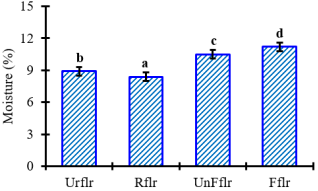
Figure 2 presents the moisture content in flours. A significant effect
| [29] | Desalegn Melese A, Olika Keyata E. Impacts of pretreatment techniques on the quality of tuber flours. The Scientific World Journal. 2022, 2022 (9323694), 1-10.
https://doi.org/10.1155/2022/9323694 |
[29]
(p < 0.05) of the cassava pulp detoxification method on the moisture was founded. Flour made from cassava pulp with water-retting (Rflr) had a lower moisture (8.38%). In contrast, the highest value (11.20%) was found in flour produced from fermented, smashed pulp. This is in line with previous authors' assertions that the pretreatment process significantly impacts the moisture content of tuber flours
| [29] | Desalegn Melese A, Olika Keyata E. Impacts of pretreatment techniques on the quality of tuber flours. The Scientific World Journal. 2022, 2022 (9323694), 1-10.
https://doi.org/10.1155/2022/9323694 |
[29]
.
Figure 13 shows that there is a high significant positive correlation between moisture and the water solubility index (WSI) (r = 1.000). As the moisture content increases, so does the WSI, indicating better water solubility.
Figure 2. Effect of detoxification methods on cassava flours moisture.
Columns and error bars are means ± standard deviation of triplicate samples. Bars with different letters differed significantly (p < 0.05) in the Moisture. Unretted flour (Urflr), retted flour (Rflr), unfermented flour (Unflr) and fermented flour (Fflr)
This relationship is important for understanding how flour behaves in different food applications, as moisture content affects the product's texture, shelf life and nutritional value
| [30] | Oikonomou NA, Krokida MK. Water absorption index and water solubility index prediction for extruded food Products. International Journal of Food Properties. 2012, 15, 157-68.
https://doi.org/10.1080/10942911003754718 |
[30]
.
Flours with low moisture content are desirable because they are generally considered microbiologically safe due to their low moisture levels, which inhibit microbial growth. However, recent outbreaks have shown that even low-moisture foods can harbor pathogens, such as
Salmonella and
E. coli such as Shiga toxin-producing, if not properly managed
| [31] | Karuppuchamy V, Heldman DR, Snyder AB. A review of food safety in low-moisture foods with current and potential dry-cleaning methods. J Food Sci. 2024; 89: 793-810.
https://doi.org/10.1111/1750-3841.16920 |
| [32] | Liu S, Wei X, Tang J, Qin W, Wu Q. Recent developments in low-moisture foods: microbial validation studies of thermal pasteurization processes. Critical Reviews in Food Science and Nutrition. 2023, 63, 5306-5321. |
| [33] | Beuchat LR, Komitopoulou E, Beckers H, Betts RP, Bourdichon F, Fanning S, et al. Low-Water Activity Foods: Increased Concern as Vehicles of Foodborne Pathogens. Journal of Food Protection. 2013, 76, 150-72.
https://doi.org/10.4315/0362-028X.JFP-12-211 |
| [34] | Alp D, Bulantekin Ö. The microbiological quality of various foods dried by applying different drying methods: a review. european food research technology. 2021, 247, 1333-1343.
https://doi.org/10.1007/s00217-021-03731-z |
[31-34]
. The high moisture content observed in fermented cassava pulp may be due to microorganisms using up nutrients as they grow. Once these nutrients have been depleted, organic acids and water are produced, which can increase the flour's water content. The moisture content of fermented cassava pulp in the present study (11.20%) was lower than 13.94% obtained by Terefe et al.
| [35] | Terefe ZK, Omwamba MN, Nduko JM. Effect of solid-state fermentation on proximate composition, antinutritional factors and in vitro protein digestibility of maize flour. Food & Nutrition Research. 2021, 9, 6343-6352.
https://doi.org/10.1002/fsn3.2599 |
[35]
. According to Verma et al.
| [17] | Verma R, Chauhan N, Singh B, Chandra S, Sengar R. Evaluation of physicochemical and flow properties of cassava flour. The Pharma Innovation Journal. 2022, 11, 190-6. |
[17]
, usually, the high-quality flour contains 9% to 12% moisture content. Generally, a moisture content above 12% promotes the growth of microorganisms in flour, causing it to spoil during storage. Conversely, a low moisture content ensures a long shelf life and is conducive to storage. Therefore, moisture content is a determining factor as it indicates the potential for chemical and physical changes during storage.
3.2. Hygroscopicity
According to Juarez-Enríquez et al., powder hygroscopicity is used to describe the powder ability to uptake water from ambient moisture. Dry powders may absorb water when exposed to high relative humidity environments, depending on their physical structure and chemical nature
| [36] | Juarez-Enriquez E, Olivas GI, Zamudio-Flores PB, Ortega-Rivas E, Perez-Vega S, Sepulveda DR. Effect of water content on the flowability of hygroscopic powders. Journal of Food Engineering. 2017, 205, 12-7.
https://doi.org/10.1016/j.jfoodeng.2017.02.024 |
[36]
. As demonstrated in
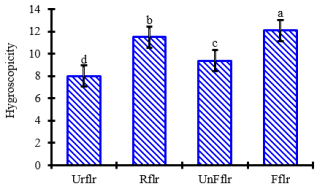
Figure 3, The hygroscopic measures of the cassava flour samples ranged from 8.22 to 12.09%, with a significant influence of cassava detoxification methods (p < 0.05). Unretted flour (Urflr) exhibited the lowest degree of hygroscopicity, thus indicating that fermented flour (Fflr) demonstrated the highest level of such properties. The hygroscopic properties of flour are the result of a number of factors, including the interaction between the body surface and water, water vapor condensation in capillaries, the concentration and type of water-soluble substances, and the water content of the product itself
| [37] | Ocieczek A, Mesinger D, Toczek H. Hygroscopic Properties of Three Cassava (Manihot esculenta Crantz) Starch Products: Application of BET and GAB Models. Foods. Multidisciplinary Digital Publishing Institute. 2022, 11, 1966. https://doi.org/10.3390/foods11131966 |
[37]
. The high hygroscopicity of fermented flour (Fflr) can be attributed to the fermentation process, which significantly modifies the hygroscopicity of flour. The process of fermentation entails the decomposition of amylose and amylopectin chains, the formation of smaller sugars and dextrins, and the generation of additional hydrophilic groups (-OH), thereby augmenting the water-binding capacity of flour.
Figure 13 shows that flour hygroscopicity had significant negative correlation with LGC (r = -0.987). This could be explained by the fact that hygroscopic flour could require lower concentrations to gel (lower LGC), because hydration promotes network formation. Also, the positive correlation with LGC (r = -0.987).
Figure 3. Effect of detoxification methods on cassava flour hygroscopicity.
Columns and error bars are means ± standard deviation of triplicate samples. Bars with different letters differed significantly (p < 0.05). Unretted flour (Urflr), retted flour (Rflr), unfermented flour (Unflr) and fermented flour (Fflr)
Also, the significant positive correlation (r = 0.955) found between hygroscopicity and syneresis revealed that when cassava flour is more hygroscopic, its potential for forming hydrogel syneresis is increased.
3.3. Physical Properties of Flours
Determining the bulk density, density after settling, and density after hydration of flours is part of the physical and functional characterization of food powders. These measurements make it possible to assess the compactness, particle rearrangement, capacity and behavior of flour in the presence of water. The terms "bulk density" and "tapped density" refer to the mass of the bulk solid that occupies a unit volume, and their capability to pack more efficiently
. As demonstrated in
| [20] | Elkhalifa AEO, Bernhardt R. Combination Effect of Germination and Fermentation on Functional Properties of Sorghum Flour. Current Journal of Applied Science and Technology. 2018, 30(1), 1-12.
https://doi.org/10.9734/CJAST/2018/44491 |
[20]
, the bulk density of flour samples exerts a significant influence on the energy density, texture, and mouth feel of the final product. Furthermore, this property is directly related to the storage and transport of the flour. The findings (
Table 2) of this study demonstrate that the bulk density, taped density and hydrated density of the studied flours are significantly influenced by cassava detoxification methods (p < 0.05). The analysis of cassava flour revealed bulk density (0.49 - 0.59 g/cm³) and hydrated density (0.66 - 0.81 g/cm³) to be high for flour (Fflr) derived from crushed cassava following solid-state fermentation (SSF) (
Table 2). These findings are indicative of the impact of solid-state fermentation (SSF) on the physical properties of the flour. It is hypothesized that the variation in bulk density of flours may be attributable to the variation in starch content of the flour
| [39] | Godswill C, Somtochukwu V, Kate C. The functional properties of foods and flours. International Journal of Advanced Academic Research. 2019, 5(11), 139-160. |
[39]
. It has been demonstrated that flours with a high bulk density can yield products with a pleasant texture and reduce the amount of packaging required during processing
| [40] | Aslan Türker D, Göksel Saraç M, Doğan M. Development of gluten-free cake formulations: the role of tapioca & potato starch and quinoa in the rheological, textural and powder flow properties. European Food Research and Technology. 2023, 249, 675-684. https://doi.org/10.1007/s00217-022-04164-y |
[40]
. Furthermore, high bulk density is an advantageous physical attribute in determining the mixing quality of a particular matter
| [41] | Peter-Ikechukwu AI, Ogazi CG, Uzoukwu AE, Kabuo NO, Chukwu MN. Proximate Compositions and Functional Properties of Composite Flour Produced with Date Fruit Pulp, Toasted Watermelon Seed and Wheat. Journal of Food Chemistry & Nanotechnology. 2020, 6(3), 159-166.
https://doi.org/10.17756/jfcn.2020-097 |
[41]
.
Table 1. Effect of detoxification methods on physical properties of cassava flours.
Parameters | Unretted flour (Urflr) | Retted flour (Rflr) | Unfermented flour (Unflr) | Fermented flour (Fflr) |
Bulk density (g/cm³) | 0.49 ± 0.09bc | 0.50 ± 0.04ab | 0.48 ± 0.02c | 0.52 ± 0.05a |
Taped density (g/cm³) | 0.66 ± 0.12c | 0.68 ± 0.02bc | 0.70 ± 0.06ab | 0.72 ± 0.03a |
Hydrated density (g/cm³) | 0.70 ± 0.04c | 0.78 ± 0.08b | 0.81 ± 0.04a | 0.66 ± 0.08d |
Hausner ratio | 1.35 ± 0.01c | 1.36 ± 0.15c | 1.46 ± 0.22a | 1.38 ± 0.09b |
Carr index (%) | 25.76 ± 1.45b | 26.47 ± 1.93b | 31.43 ± 2.15a | 27.78 ± 0.88b |
Porosity (%) | 74.24 ± 3.66a | 73.53 ± 2.54a | 68.57 ± 1.23c | 72.22 ± 2.07b |
Values are mean ± standard deviation in triplicate. Mean values within each row bearing different superscript roman letter are significantly different (p 0.05).
Consequently, flour with a high tapped density may become compacted during storage or handling
| [42] | Buzera A, Gikundi E, Orina I, Sila D. Effect of Pretreatments and Drying Methods on Physical and Microstructural Properties of Potato Flour. Foods. Multidisciplinary Digital Publishing Institute; 2022, 11, 507.
https://doi.org/10.3390/foods11040507 |
[42]
. A positive correlation (r = 0.891) was observed between bulk density and moisture content (
Figure 13), which could be due to the fact that water increases particle cohesion and packing ability.
Calculating the Carr index (Carr compressibility ratio) and the Hausner ratio provides an indication of the compressibility and fluidity of food powders, particularly flours, starches and nutritional powders
| [20] | Elkhalifa AEO, Bernhardt R. Combination Effect of Germination and Fermentation on Functional Properties of Sorghum Flour. Current Journal of Applied Science and Technology. 2018, 30(1), 1-12.
https://doi.org/10.9734/CJAST/2018/44491 |
[20]
. Porosity, meanwhile, defines the percentage of voids that can be occupied by air in a mass of flour
| [43] | Adebayo WA, Ogunsina BS, Taiwo K, Chidoziri PO. Studies on some physico-chemical and engineering properties of Musa spp (ABB) starch flour. African Journal of Food Science. 2021, 15, 289-97. https://doi.org/10.5897/AJFS2020.1921 |
[43]
. The porosity (52.63 - 25.74%), Carr index (10.61 - 26.47%) and Hausner ratio (1 - 1.32) varied significantly (p < 0.05) according the cassava detoxification methods (
Table 2). These values indicated higher compressibility but poor flow properties. It is well established that cassava flour characteristically exhibits low fluidity, a property that is commonly associated with starch-rich flours. However, the flowability of flour (Flr) derived from crushed cassava following solid-state fermentation (SSF) was found to be satisfactory. This observation can potentially be explained by the occurrence of fermentation, a process that has been observed to result in a reduction of starch. The Pearson correlation matrix showed significant negative correlation between porosity and Carr index (-1.000), Hausner ratio (-1.000) and least gelation concentration (-0.798). similar trends were founded in the previous study of
| [43] | Adebayo WA, Ogunsina BS, Taiwo K, Chidoziri PO. Studies on some physico-chemical and engineering properties of Musa spp (ABB) starch flour. African Journal of Food Science. 2021, 15, 289-97. https://doi.org/10.5897/AJFS2020.1921 |
[43]
.
3.4. Functional Properties of Flours
3.4.1. Transmittance (Clarity)
Light transmittance provides information about the behaviour of starch paste when light passes through it
| [44] | Bashir K, Aggarwal M. Physicochemical, structural and functional properties of native and irradiated starch: a review. Journal of Food Science and Technology. 2019, 56, 513-523.
https://doi.org/10.1007/s13197-018-3530-2 |
[44]
. It is considered to be one of the most significant functional characteristics of flour or starch in food systems
| [45] | Golkar A, Milani JM, Motamedzadegan A, Kenari RE. Modification of corn starch by thermal-ultrasound treatment in presence of arabic gum. Scientific Reports. 2022, 12, 513-523.
https://doi.org/10.1038/s41598-022-23836-z |
[45]
, which is a critical factor limiting the applications of flour, can exert influence on their sensory qualities and appearance
. As demonstrated in
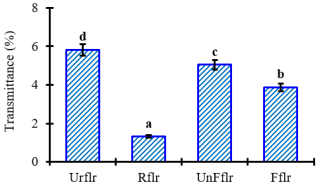
Figure 4, the results for the light transmittance of the treated samples are presented. The present study revealed a significant (p < 0.05) effect of the cassava pulp detoxification method on clarity.
The level of transmittance exhibited a range of variation (1.31-5.82%), with higher levels observed in the flour from pulp without water-retting (Urflr). According to Bashir & Aggar
| [44] | Bashir K, Aggarwal M. Physicochemical, structural and functional properties of native and irradiated starch: a review. Journal of Food Science and Technology. 2019, 56, 513-523.
https://doi.org/10.1007/s13197-018-3530-2 |
[44]
, higher light transmittance implies a more transparent paste. These variations in transmittance can be attributed to the distinct pretreatment methods employed, which influence amylose content in starch which could be responsible flour turbidity
| [44] | Bashir K, Aggarwal M. Physicochemical, structural and functional properties of native and irradiated starch: a review. Journal of Food Science and Technology. 2019, 56, 513-523.
https://doi.org/10.1007/s13197-018-3530-2 |
[44]
. This study has demonstrated that the processes of retting and fermentation considerably impact the quantity of amylose, lipids and proteins, as well as the dimensions of the granules and the size of the amylose and amylopectin chains. Clearly, these factors have a significant impact on the quality of the resulting starch. Furthermore, other researchers have reported that thermal, ultrasound and gamma irradiation treatments significantly impact paste clarity
| [18] | Houketchang Ndomou SC, Balti BT, Tambo ST, Nanga Ndjang MM, Kaskawa K, Kouebou C, et al. Influence of weevil on the physicochemical characteristics, functional properties, and nutritional value of rice (Oryza sativa L.) produced at Yagoua (far-north Cameroon). Heliyon. 2024, 10: e30918.
https://doi.org/10.1016/j.heliyon.2024.e30918 |
| [24] | Obinna-Echem PC, Ogbuagha M. Evaluation of the Functional, Proximate and Pasting Properties of Cocoyam (Xanthosoma sagittifolium) and Soybean (Glycine max L) Composite Flour. International Journal of Food Science and Nutrition. 2023, 8(2), 2023, 17-24. |
[18, 24]
.
Figure 4. Effect of detoxification methods on cassava flours clarity.
Columns and error bars are means ± standard deviation of triplicate samples. Bars with different letters differed significantly (p < 0.05). Unretted flour (Urflr), retted flour (Rflr), unfermented flour (Unflr) and fermented flour (Fflr)
3.4.2. Wettability
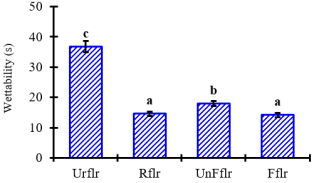
Figure 5. Effect of detoxification methods on cassava flours wettability.
Columns and error bars are means ± standard deviation of triplicate samples. Bars with different letters differed significantly (p < 0.05). Unretted flour (Urflr), retted flour (Rflr), unfermented flour (Unflr) and fermented flour (Fflr)
There were significant differences in the wettability of the cassava flour samples which ranges from 14.28 - 36.77 seconds (
Figure 5). Fermented (Fflr) smashed cassava flour had the lowest wettability time value (14.28 s). The analysis showed that there was no major difference between retted flour (Rflr) and fermented flour (Fflr) in terms of the desired wettability time. As Watad et al.
| [47] | Watad GF, Damndja WN, Ntso ASA, Aba RE. Formulation and characterization of infant flours from a technical blend of plantain, sesame seeds and baobab pulp. Journal of Pharmacognosy and Phytochemistry. 2025, 2, 1-12.
https://doi.org/10.1007/s44403-025-00017-0 |
[47]
noted, the wettability is defined as the time, in seconds, required to wet all the particles of a solid material, such as flour. It describes how fast the powder surface becomes wet (initial contact with water). Okolie et al.
| [48] | Okolie PI, Daramola FB, Ogunjobi OB, Coker MT, Okolie EC, Agboola KA, et al. Chemical composition, functional and pasting properties of yellow maize, fermented African yam bean seeds and rice bran composite flour blends. Journal of Agricultural Science and Environment. 2023, 23, 12-39. |
[48]
declare that flour exhibiting the lowest wettability level is the one that dissolves most rapidly in water. Also, Watad et al.
| [47] | Watad GF, Damndja WN, Ntso ASA, Aba RE. Formulation and characterization of infant flours from a technical blend of plantain, sesame seeds and baobab pulp. Journal of Pharmacognosy and Phytochemistry. 2025, 2, 1-12.
https://doi.org/10.1007/s44403-025-00017-0 |
[47]
asserted that a wettability less than twenty seconds (<20 s) indicates that the sample can mix rapidly with water and is advantageous for preparing infant gruels.
A previous report by Shankaraswamy and Okechukwu-Ezike
| [49] | Shankaraswamy J, Okechukwu-Ezike NC, Imo State University, Owerri, Nigeria. The functional properties of four cassava varieties as affected by fermentation time. Journal of Applied Horticulture. 2024, 26(4) 394-9.
https://doi.org/10.37855/jah.2024.v26i04.74 |
[49]
on cassava flour also concluded that the fermentation of cassava pulp resulted in a more wettable flour. This suggesting that fermentation methods used in this study are effective treatments that contribute to rapid flour wettability. The higher wettability content of unretted flour (Urflr) indicates that it takes longer to absorb water. This could be due to the hydrophobic nature of certain components in untreated cassava pulp, which makes it slow to absorb water. Also, according to Arukwe et al.
| [50] | Arukwe DC, Offia Olua BI, Ike EA. Proximate composition, functional properties and sensory attributes of gruels prepared from blends of sorghum and pigeon pea flours. International Journal of Home Economics Hospitality and Allied Research. 2022, 1, 361-375. https://doi.org/10.57012/ijhhr.v1n2.019 |
[50]
, high wettability, could be attributed to its high fiber content, polarity of the flour particles and the surface tension of liquid.
3.4.3. Swelling Capacity
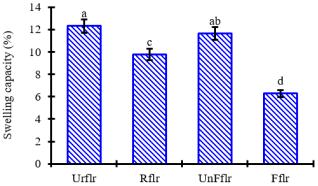
Figure 6. Effect of detoxification methods on cassava Swelling capacity.
Columns and error bars are means ± standard deviation of triplicate samples. Bars with different letters differed significantly (p < 0.05). Unretted flour (Urflr), retted flour (Rflr), unfermented flour (Unflr) and fermented flour (Fflr)
The swelling capacity of the cassava flour samples (6.28 - 12.33%) showed significant variations (p < 0.05). Unretted flour (Urflr) had the highest swelling capacity (12.33%), while the least swelling index (6.28%) was observed in fermented flour (
Figure 6). A previous study by Shankaraswamy and Okechukwu-Ezike revealed that the swelling index decreased as fermentation time increased
| [49] | Shankaraswamy J, Okechukwu-Ezike NC, Imo State University, Owerri, Nigeria. The functional properties of four cassava varieties as affected by fermentation time. Journal of Applied Horticulture. 2024, 26(4) 394-9.
https://doi.org/10.37855/jah.2024.v26i04.74 |
[49]
. The findings of this study demonstrate that the methods employed for the detoxification of cassava have a considerable impact on the flour swelling capacity. The increased swelling capacity of retted cassava flour (Rflr) compared to other flour samples could be due to the presence of a high quantity of amylopectin with less rigidity
| [27] | Okpala MO, Mbachu IB, Amaogunanya SC. Evaluation of functional and pasting properties of flours from unfermented cassava, fermented and boiled- fermented cassava. Journal of Science Engineering and Technology YABATECH. 2023, 1, 76-85. https://doi.org/10.65805/rd6pj8935e51 |
[27]
. According to Akinsola
, a good swelling capacity is an indicator of high-quality flour when it is soaked in hot water for reconstitution to form a paste. The low swelling capacity of fermented flour (Fflr) may be due to the starch degradation leading to low molecular weight components that restrict the ability of the flour to swell during cooking and causing a reduction of the swelling power
| [25] | Sharma S, Singh A, Singh B. Effect on germination time and temperature on techno-functional properties and protein solubility of pigeon pea (Cajanus cajan) flour. Quality Assurance and Safety of Crops & Foods. 2019, 11, 305-12.
https://doi.org/10.3920/QAS2018.1357 |
[25]
.
Figure 13 shows that flour swelling capacity are a high significant negative correlation between syneresis (r = -0.986) and water absorption capacity (r = -0.982).
3.4.4. Water Absorption Capacity (WAC), Oil Absorption Capacity (OAC)
As shown in
Table 2, the water absorption capacity (WAC) ranged from 131.46% to 139.84% for flours made from unretted and retted sliced pulps and from 135.07% to 146.12% for flours made from unfermented and fermented smashed pulps. The significant differences (p < 0.05) observed in the WAC of these various flour samples show that the fermented flour sample had a significantly higher WAC value than the others. Ekeledo et al.
| [7] | Ekeledo E, Abass A, Müller J. Effect of packaging and storage conditions on the pasting and functional properties of pretreated yellow-fleshed cassava flour. Applied Food Research. 2024, 4(2024), 1-13. |
[7]
also asserted that the relatively higher water absorption capacity values could be due to the pretreatment. The high WAC of the cassava flours studied is attributed to the presence of higher amounts of carbohydrates (starch) and fiber in these flours. Starch is indeed the natural polymeric carbohydrates present in tuberous roots such as cassava, formed by removing water molecules from glucose. According to Zhang et al.
| [52] | Zhang W, Jiang Y, Zhang Z. The role of different natural organic acids in postharvest fruit quality management and its mechanism. Food Frontiers. 2023, 1-17.
https://doi.org/10.1002/fft2.245 |
[52]
, WAC is an important functional property of starch that reflects the strength of interactions between starch and water, as well as its role in regulating food quality and nutrition during processing. However, the higher WAC exhibited by fermented flour (Fflr) could be due to the presence pectinolytic and cellulolytic enzymes elaborated by fermenting microorganisms, which leads to a looser structure of the starch
| [7] | Ekeledo E, Abass A, Müller J. Effect of packaging and storage conditions on the pasting and functional properties of pretreated yellow-fleshed cassava flour. Applied Food Research. 2024, 4(2024), 1-13. |
[7]
and protein polymers during processing. This is consistent with increased protein solubility and decreased starch content
| [53] | Islam S, Miah MdAS, Islam MdF, Bhuiyan MNI, Tisa KJ, Naim MR. Exploring the effects of spontaneous and solid-state fermentation on the physicochemical, functional and structural properties of whole wheat flour (Triticum aestivum L.). Innovative Food Science & Emerging Technologies. 2024, 97, 103798. https://doi.org/10.1016/j.ifset.2024.103798 |
[53].
Furthermore, Olamiti et al.
| [54] | Olamiti G, Takalani TK, Beswa D, Jideani AIO. Effect of combined bioprocessing on antioxidant activity, chemical, functional, and microstructural properties of malted and fermented pearl millet (Pennisetum glaucum) and sorghum flour (Sorghum bicolour). Cogent Food & Agriculture. 2024, 1, 1-22.
https://doi.org/10.1080/23311932.2024.2390160 |
[54]
asserted that fermentation result in increased WAC, leading to improved water retention properties. In addition, an extended fermentation process significantly reduces cyanogenic compounds by breaking down cyanogenic glucosides. This results in safer cassava flour with the desired textural attributes. This produces a softer, smoother and more pliable texture, which is favored for use in a variety of culinary applications
| [49] | Shankaraswamy J, Okechukwu-Ezike NC, Imo State University, Owerri, Nigeria. The functional properties of four cassava varieties as affected by fermentation time. Journal of Applied Horticulture. 2024, 26(4) 394-9.
https://doi.org/10.37855/jah.2024.v26i04.74 |
| [55] | Kawano O. Impact of Fermentation Time on the Quality Characteristics of Cassava Flour. Journal of Nutrition & Food Sciences. 2023, 13(4), 1.
https://doi.org/10.35248/2155-9600.23.13.039 |
| [56] | Wang N, Maximiuk L, Fenn D, Nickerson MT, Hou A. Development of a method for determining oil absorption capacity in pulse flours and protein materials. Cereal Chemistry. 2020, 97, 1111-1117. https://doi.org/10.1002/cche.10339 |
| [57] | Sobowale SS, Otolowo DT, Kayode OT, Agbawodike JI. Effect of germination and solid-state fermentation on the chemical, functional and nutritional composition of pigeon pea flour and the sensory properties of the resultant cookies. Food Chemistry Advances. 2024, 5, 100837.
https://doi.org/10.1016/j.focha.2024.100837 |
[49, 55-57].
The fermentation method is more suitable for producing cassava flour than other detoxification methods when the aim is to increase its WAC in order to develop composite flour for bread making.
Another functional factor of flour that has an influence is its oil absorption capacity (OAC). This property is related to the physical trapping of oil in proteins and the non-covalent bonds involved in lipid-protein interactions. Indeed, A high oil absorption capacity is required to maintain flavor and improve palatability. Also, according to Wang et al.
| [56] | Wang N, Maximiuk L, Fenn D, Nickerson MT, Hou A. Development of a method for determining oil absorption capacity in pulse flours and protein materials. Cereal Chemistry. 2020, 97, 1111-1117. https://doi.org/10.1002/cche.10339 |
[56]
, oil absorption capacity (OAC) is an important functional property of foods that influences flavor, texture, mouthfeel and product yield. This study found that the OAC of cassava flour samples varied significantly (p < 0.05). Fermented smashed flour (Fflr) exhibited the highest OAC values, at 90% and 355% respectively for refined and red palm oils (
Table 2).
A previous study by Shankaraswamy and Okechukwu-Ezike
| [49] | Shankaraswamy J, Okechukwu-Ezike NC, Imo State University, Owerri, Nigeria. The functional properties of four cassava varieties as affected by fermentation time. Journal of Applied Horticulture. 2024, 26(4) 394-9.
https://doi.org/10.37855/jah.2024.v26i04.74 |
[49]
on cassava flour also founded that fermentation period increases the oil absorption capacity of cassava flour just like water absorption capacity as we found in this study. This is probably due to intrinsic variables such as protein structure, hydrophobicity and surface polarity, which may be responsible for the increase in oil absorption capacity with increased fermentation durations.
Lipophilic interactions and the breakdown of starch and protein occur during fermentation, resulting in the presence of a non-polar side chain that can bind to the hydrocarbon side chains of the oil in the flour.
Table 2. Effect of detoxification methods on cassava flours water and oil absorption capacities.
Absorption capacity (%) | Unretted flour (Urflr) | Retted flour (Rflr) | Unfermented flour (Unflr) | Fermented flour (Fflr) |
Water absorption capacity | 131.36 ± 1.62a | 139.84 ± 2.34c | 135.07 ± 1.72b | 146.12 ± 2.61d |
Oil absorption capacity (Dinor) | 81.22 ± 1.11b | 78.57 ± 0.82a | 80.13 ± 0.71b | 90.33 ± 0.57c |
Oil absorption capacity (Red palm oil) | 291.66 ± 1.54a | 354.00 ± 1.00c | 343.58 ± 2.01b | 355.11 ± 3.21c |
Hydrophilic-lipophilic ratio (Dinor) | 1.61 ± 0.61b | 1.78 ± 0.44d | 1.68 ± 0.75c | 1.62 ± 0.22a |
Hydrophilic-lipophilic ratio (Red palm oil) | 0.45 ± 0.23c | 0.39 ± 0.56a | 0.39 ± 0.11a | 0.41 ± 0.12b |
Values are mean ± standard deviation in triplicate. Mean values within each row bearing different superscript roman letter are significantly different (p≤0.05).
Also, Sobowale et al.
| [57] | Sobowale SS, Otolowo DT, Kayode OT, Agbawodike JI. Effect of germination and solid-state fermentation on the chemical, functional and nutritional composition of pigeon pea flour and the sensory properties of the resultant cookies. Food Chemistry Advances. 2024, 5, 100837.
https://doi.org/10.1016/j.focha.2024.100837 |
[57]
found that pretreatment (germination and solid-state fermentation) impacted flour. The authors found that fermentation increased the OAC of pigeon pea flour. This is similar to our finding that the fermentation method impacts the OAC of cassava flour. Flours with a high oil absorption capacity are ideal for food preparations that require oil to be mixed in, such as bakery, pastries, frozen desserts, cake batters, mayonnaise, and salad dressings products that use oil as an essential ingredient
| [57] | Sobowale SS, Otolowo DT, Kayode OT, Agbawodike JI. Effect of germination and solid-state fermentation on the chemical, functional and nutritional composition of pigeon pea flour and the sensory properties of the resultant cookies. Food Chemistry Advances. 2024, 5, 100837.
https://doi.org/10.1016/j.focha.2024.100837 |
| [58] | Bamidele OP. Effects of Natural Fermentation Time on Chemical Composition, Antioxidant Activities, and Phenolic Profile of Cassava Root Flour. Applied Sciences. Multidisciplinary Digital Publishing Institute. 2025, 15, 8494.
https://doi.org/10.3390/app15158494 |
[57, 58]
. Therefore, fermented cassava flour is preferable to unretted flour (Urflr), retted flour (Rflr), unfermented flour (Unflr) for products that require higher oil absorption flour. Indeed, fermenting cassava pulp to produce flour that absorbs water and oil more effectively is known to have a positive impact on the flour's physicochemical composition. Several authors have suggested that, in addition to reducing cyanide levels, fermenting cassava pulp increases the bioavailability of certain nutrients, such as essential amino acids and minerals, by breaking down complex molecules. This makes the nutrients more easily absorbed by the human body and enhances the nutritional value, total phenolic content, phenolic profile, antioxidant capacity, and mineral content of cassava root flour. Fermentation also promotes the growth of beneficial microorganisms, such as lactic acid bacteria. These microbes play a crucial role in breaking down complex carbohydrates and proteins, thereby improving digestibility
| [55] | Kawano O. Impact of Fermentation Time on the Quality Characteristics of Cassava Flour. Journal of Nutrition & Food Sciences. 2023, 13(4), 1.
https://doi.org/10.35248/2155-9600.23.13.039 |
| [58] | Bamidele OP. Effects of Natural Fermentation Time on Chemical Composition, Antioxidant Activities, and Phenolic Profile of Cassava Root Flour. Applied Sciences. Multidisciplinary Digital Publishing Institute. 2025, 15, 8494.
https://doi.org/10.3390/app15158494 |
| [59] | Ojo O, Osemene C, Oke E, Oni E, Bamidele J, Obadina A. Proximate composition, functional and colour properties of extruded snacks from fermented sorghum-pumpkin leaf composite flour. Journal of Natural Sciences Engineering and Technology. 2025, 24, 74-86. |
[55, 58, 59]
. A significant positive correlation of WAC with OAC has been revealed both by Pearson correlation (r=0.80, p < 0.05) in
Figure 13.
The hydrophilic-lipophilic ratio (HLR) allows the comparative affinity of flours for water and oil to be assessed. The HLR of the flour samples ranged from 0.39 ± 0.56 for retted flour treated with red palm oil to 1.78 ± 0.44 for retted flour treated with refined palm oil (Dinor). Significant differences (p < 0.05) were observed between flour samples from various detoxification methods. An HLR less than 1 in red palm indicates that, when mixed, cassava flour will have a stronger lipophilic bond with red palm oil than with water, whereas the opposite is true for refined oil (Dinor).
3.4.5. Water Solubility Index
The water solubility index (WSI) is a measure of the quantity of soluble polysaccharides present in a dried sample that are released from starch granules when excess water is added
. It also represents the percentage of solids that are dissolved in water. The WSI describes the effect of heat treatment on the degradation of molecular components, which affects gelatinization, dextrinization and, consequently, the solubilization of starch with other food components, such as protein, fat and fiber
| [61] | Warnakulasuriya CSF. Functional properties and Environmental sustainability of fermented yellow pea flour. Lund University, Master of Science thesis, Sweden. 2025, 60 pp. |
[61]
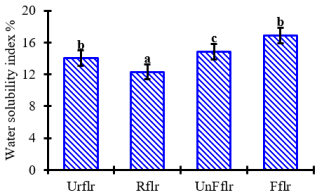
. It describes how much of the powder dissolves in water completely. WSI values for sliced cassava pulp flours range from 12.31% to 14.02%, and from 14.85% to 16.88% for smashed cassava pulp (
Figure 7). A significant difference (p < 0.05) in WSI was observed among the flour samples. Fermented smashed cassava flour (Fflr) had a significantly higher WSI value of 16.88%, whereas retted flour (Rflr) had the lowest WSI value of 12.31%. A high WSI indicates good digestibility of the starch
| [62] | Anberbir SM, Satheesh N, Abera AA, Kassa MG, Tenagashaw MW, Asres DT, et al. Evaluation of nutritional composition, functional and pasting properties of pearl millet, teff, and buckwheat grain composite flour. Applied Food Research. 2024, 4, 100390. https://doi.org/10.1016/j.afres.2024.100390 |
[62]
and may suggest its suitability for use in food formulations
| [63] | Daniel Deciderio C-C, Alexis A-GL, Lina Marcela A-L, Fernando R-AD, Edinson N-CJ. Cacay seed cake flour (Caryodendron orinocense Karst), physical, functional, rheological and structural properties. Future Foods. 2024, 9, 100392.
https://doi.org/10.1016/j.fufo.2024.100392 |
[63]
. This suggests that the solid-state fermentation of smashed cassava pulp impacts the digestibility of the resulting flour. Although the WSI of the retted flour was low, it may still be suitable for developing food products such as pasta and its derivatives, as mentioned by Daniel Deciderio et al.
| [63] | Daniel Deciderio C-C, Alexis A-GL, Lina Marcela A-L, Fernando R-AD, Edinson N-CJ. Cacay seed cake flour (Caryodendron orinocense Karst), physical, functional, rheological and structural properties. Future Foods. 2024, 9, 100392.
https://doi.org/10.1016/j.fufo.2024.100392 |
[63]
.
Figure 7. Effect of detoxification methods on cassava flour water solubility index.
Columns and error bars are means ± standard deviation of triplicate samples. Bars with different letters differed significantly (p < 0.05). Unretted flour (Urflr), retted flour (Rflr), unfermented flour (Unflr) and fermented flour (Fflr)
3.4.6. Dispersibility
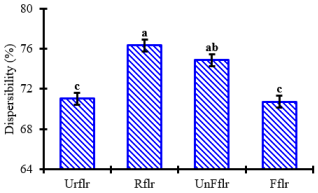
Figure 8. Effect of detoxification methods on cassava flour dispersibility.
Columns and error bars are means ± standard deviation of triplicate samples. Bars with different letters differed significantly (p < 0.05). Unretted flour (Urflr), retted flour (Rflr), unfermented flour (Unflr) and fermented flour (Fflr)
Dispersibility is the ability of a powder or solid material to separate and distribute uniformly in a liquid when mixed, without forming lumps or settling to the bottom
| [61] | Warnakulasuriya CSF. Functional properties and Environmental sustainability of fermented yellow pea flour. Lund University, Master of Science thesis, Sweden. 2025, 60 pp. |
[61]
. It describes how well the wetted powder breaks apart and spreads uniformly in water. The dispersibility of the cassava flour samples was evaluated, and the results showed that flour samples dispersibility ranged between 70.73% and 76.31% (
Figure 8). There were significant differences (p < 0.05) in the samples except for unretted flour (Urflr) and retted (Rflr), which are not significantly different. In this study, the dispersibility values obtained in this work were generally greater than sixty percent (> 60%) for all the samples.
It seems that water-retted method impact positively cassava pulp flour dispersibility. Flours or powders with a higher dispersibility are preferable to those with a lower dispersibility, as this promotes the formation of a uniform dough during the preparation of food or feed and enhances protein digestibility by improving protein solubility
| [47] | Watad GF, Damndja WN, Ntso ASA, Aba RE. Formulation and characterization of infant flours from a technical blend of plantain, sesame seeds and baobab pulp. Journal of Pharmacognosy and Phytochemistry. 2025, 2, 1-12.
https://doi.org/10.1007/s44403-025-00017-0 |
[47]
. However, it should be noted that dispersibility depends on several factors.
These include particle characteristics (size, shape, properties, and density); powder structure (agglomeration and porosity); water and mixing conditions (temperature and mixing intensity); order of addition before mixing; liquid properties (such as viscosity, surface tension, and the presence of surfactants); and mixture molecule compositions (including fat content, proteins, emulsifiers, and starch state). The negative correlation between bulk density and dispersibility (
Figure 13) suggests that high bulk density flour leads to lower dispersibility, making it more difficult for water to penetrate.
3.4.7. Emulsifying and Foaming Properties
Emulsion capacity, foam capacity, and their stability studies are important functional properties of flours. These parameters describe how flour components (mainly proteins and some polysaccharides) interact with oil, water, and air. The findings presented in
Table 3 demonstrate significant variation in the emulsifying and foaming properties of cassava flour. The emulsion capacity (25.87 - 35.45), emulsion stability (39.33 - 48.67), foaming capacity (21.92 - 61.11), and foaming stability (48.92 - 61.11) of cassava flour exhibited significant variation. Nilusha et al
| [64] | Nilusha RA. T, Jayasinghe JMJK, Perera ODA. N, Perera PIP, Jayasinghe CVL. Proximate Composition, Physicochemical, Functional, and Antioxidant Properties of Flours from Selected Cassava (Manihot esculenta Crantz) Varieties. International Journal of Food Science. 2021, 2021, 6064545.
https://doi.org/10.1155/2021/6064545 |
[64]
reported greater results. However,
| [27] | Okpala MO, Mbachu IB, Amaogunanya SC. Evaluation of functional and pasting properties of flours from unfermented cassava, fermented and boiled- fermented cassava. Journal of Science Engineering and Technology YABATECH. 2023, 1, 76-85. https://doi.org/10.65805/rd6pj8935e51 |
[27]
reported lower results. The findings of this study demonstrate that the methods employed for the detoxification of cassava have a considerable impact on the capacity and stability of flour emulsion and foam (p < 0.05). The fermented cassava flour (Fflr) showed an increase in emulsion capacity compared to others flour samples. The highest emulsifying and foaming capacities of fermented flour (Fflr) are potentially attributable to the fermentation process, which involves the partial breakdown of proteins into peptides and amino acids. It has been established that these smaller molecules contain both hydrophilic and hydrophobic groups, which results in increased surface activity. Fermented cassava flour may be useful in food products such as spreads, salad dressings, frozen desserts, sausages, and cakes due to their EA and ES. A preceding study
| [49] | Shankaraswamy J, Okechukwu-Ezike NC, Imo State University, Owerri, Nigeria. The functional properties of four cassava varieties as affected by fermentation time. Journal of Applied Horticulture. 2024, 26(4) 394-9.
https://doi.org/10.37855/jah.2024.v26i04.74 |
[49]
demonstrated that fermentation improved progressive increases in foaming capacity and emulsion capacity. However, beyond 48 hours of fermentation, a decline in quality parameters was observed with an increase in fermentation time. As shown in
Figure 13, this study revealed that emulsion capacity was positively correlated with water absorption capacity (r = 0.976). This is probably due to increased viscosity and interfacial film strength. Also, the positive correlation (r = 0.869) of foam capacity with emulsion stability.
Table 3. Effect of detoxification methods on emulsifying and foaming properties cassava flour.
| EC (%) | ES (%) | FC (%) | FS (%) |
Urflr | 28.56 ± 1.26b | 39.33 ± 1.99d | 21.22 ± 1.34c | 49.08 ± 6.34c |
Rflr | 29.33 ± 2.55b | 45.60 ± 3.01ab | 32.55 ± 2.25ab | 58.55± 2.34ab |
UnFflr | 25.87 ± 0.94c | 43.52 ± 2.74bc | 22.33 ± 2.01c | 48.92 ± 2.34c |
Fflr | 35.45 ± 3.31a | 48.67 ± 2.25a | 29.96 ± 2.16a | 61.11 ± 2.34a |
Emulsion capacity: EC, foam capacity: FC, emulsion stability ES and foam stability: FS. Unretted flour (Urflr), retted flour (Rflr), unfermented flour (Unflr) and fermented flour (Fflr). Values are mean ± standard deviation in triplicate. Mean values within each row bearing different superscript roman letter are significantly different (p < 0.05).
3.5. Gelation Properties
3.5.1. Syneresis at -10°C Freezing Storage
Undesirable physical changes occur in starch-based frozen foods during the freezing and thawing processes. The ability of starch to withstand these changes is commonly referred to as 'freeze-thaw' stability
| [65] | Chisenga S, Workneh T, Bultosa G, Laing M. Characterization of physicochemical properties of starches from improved cassava varieties grown in Zambia. AIMS Agriculture and Food. 2019, 4(4), 939-966. https://doi.org/10.3934/agrfood.2019.4.939 |
[65]
. As shown in
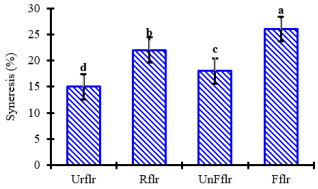
Figure 9, the syneresis of cassava flour starch gels ranged from 15.38% to 26.55%, and varied significantly (p < 0.05) between cassava flour samples. The lowest and highest syneresis values were recorded for unretted flour (Urflr) and fermented flour (Fflr), respectively.
Figure 9. Effect of detoxification methods on cassava flour syneresis.
Columns and error bars are means ± standard deviation of triplicate samples. Mean bars with different letters differed significantly (p < 0.05). Unretted flour (Urflr), retted flour (Rflr), unfermented flour (Unflr) and fermented flour (Fflr)
The variation in syneresis among the different flour samples could be attributed to differences in amylose content. Chisenga et al. suggested that syneresis in starch gels increases with amylose content
| [66] | Nath PC, Debnath S, Sridhar K, Inbaraj BS, Nayak PK, Sharma M. A Comprehensive Review of Food Hydrogels: Principles, Formation Mechanisms, Microstructure, and Its Applications. Gels. 2025, 9, 1-25. https://doi.org/10.3390/gels9010001 |
[66]
. Indeed, the fermentation process could lead to an increase in amylose content due to the enzymatic hydrolysis of amylopectin. Additionally, Elkhalifa and Bernhardt asserted that the higher syneresis of the flour may be due to depolymerization of the starch; depolymerized starch is indeed more prone to syneresis
. In this study, the unretted (Urflr) and unfermented (Unflr) flour samples with low syneresis could be used as an ingredient in products that are frozen and thawed for consumption.
3.5.2. Gel Consistency
Foods with gelling properties have recently become much more popular in the marketplace due to their delicious taste, satiating properties, low calorie content and high moisture content
| [67] | Biduski B, Silva WMF da, Colussi R, Halal SL de ME, Lim L-T, Dias ÁRG, et al. Starch hydrogels: The influence of the amylose content and gelatinization method. International Journal of Biological Macromolecules. 2018, 113, 443-449.
https://doi.org/10.1016/j.ijbiomac.2018.02.144 |
[67]
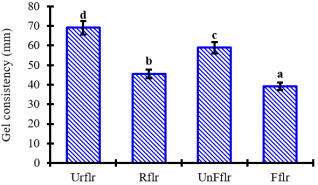
. The gel consistency values obtained for the cassava flour samples studied ranged from 39.21 to 69.08 mm (
Figure 10), with cassava detoxification methods having a significant influence (p < 0.05). Fermented flour (Fflr) exhibited the lowest value, indicating a hard or firm gel suitable for infant foods, gels, puddings, and cassava paste products such as attiéké, placali, and gari. Conversely, unretted flour (Urflr) exhibited the highest value. The amylose content of starches influences their gelatinization and retrogradation properties, thereby defining their end use. Flour samples from cassava fermentation had low gel consistency values due to the fermentation process releasing high levels of amylose into the flour. These amylose molecules tend to re-associate, promoting retrogradation and forming a more organized, rigid crystalline structure. Conversely, a low amylose matrix can result in a more open structure that tends to disintegrate in water
.
Figure 10. Effect of detoxification methods on cassava flour gel consistency.
Columns and error bars are means ± standard deviation of triplicate samples. Bars with different letters differed significantly (p < 0.05). Unretted flour (Urflr), retted flour (Rflr), unfermented flour (Unflr) and fermented flour (Fflr)
The existing positive correlation (r = 0.919) (
Figure 13) between gel consistency and swelling capacity could be due to high swelling, which leads to granule rupture, a soft paste and a longer gel flow
| [19] | Ramos-Sanchez R, Hayward NJ, Russell WR, Duncan SH, Neacsu M. Evaluation of protein solubility, lipid oxidative stability and physical properties of hemp seed-based foods and by-products. Food Science & Nutrition. 2025, 13, e70954.
https://doi.org/10.1002/fsn3.70954 |
[19].
Also, negative correlation between gel consistency with gelatinization temperature (r = -0.878) and syneresis (r = -0.968) were founded. Flours with a low gelatinization temperature produce softer gels. Soft gels retain water better. This could explain the observed correlation.
3.5.3. Gelatinization Temperature
The gelatinization capacity of starch is a critical factor in determining the thermal processing properties of starch-based foods
| [69] | Tian Y, Li J, Nie M, Wang L, Liu L, Wang F, et al. The impact of gelatinization property differences based on amylopectin structure variations on the glutinous rice flour properties and quality of Daifuku. Food Chemistry: X. 2025, 27, 102423.
https://doi.org/10.1016/j.fochx.2025.102423 |
[69]
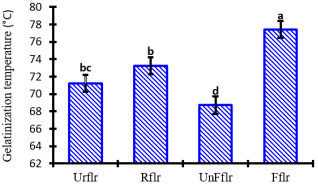
. The gelatinization temperature is a pivotal thermal property of cassava flour, denoting the temperature range at which starch granules absorb water, swell, and lose their crystalline structure. The gelatinization temperature values obtained for the cassava flour samples studied ranged from 68.71 to 77.41°C (
Figure 11), with cassava detoxification methods having a significant influence (p < 0.05). The fermented flour (Fflr) exhibited the highest gelatinization temperature, while the unfermented flour (Unflr) demonstrated the lowest. The elevated temperature could be attributed to the cassava fermentation process, which has been shown to degrade starch and release more amylose into the flour, thereby elevating the point of gelatinization. Tian et al.
| [69] | Tian Y, Li J, Nie M, Wang L, Liu L, Wang F, et al. The impact of gelatinization property differences based on amylopectin structure variations on the glutinous rice flour properties and quality of Daifuku. Food Chemistry: X. 2025, 27, 102423.
https://doi.org/10.1016/j.fochx.2025.102423 |
[69]
. previously reported that there is a positive correlation between gelatinization temperature and amylose content. Opkala et al. also identified a high value of 86.80°C and reported that flour with a higher pasting temperature may not be recommended for certain products due to the high cost of energy
| [27] | Okpala MO, Mbachu IB, Amaogunanya SC. Evaluation of functional and pasting properties of flours from unfermented cassava, fermented and boiled- fermented cassava. Journal of Science Engineering and Technology YABATECH. 2023, 1, 76-85. https://doi.org/10.65805/rd6pj8935e51 |
[27]
. There is a negative correlation between gelatinization temperature and swelling capacity (r = -0.926) (
Figure 13). This could be due to the increased amylopectin content, which increases the crystallinity of the starch. This requires more energy during starch gelatinization, consequently raising the gelatinization temperature.
Figure 11. Effect of detoxification methods on cassava flour Gelatinization temperature.
Columns and error bars are means ± standard deviation of triplicate samples. Bars with different letters differed significantly (p < 0.05). Unretted flour (Urflr), retted flour (Rflr), unfermented flour (Unflr) and fermented flour (Fflr)
3.5.4. Least Gelation Concentration
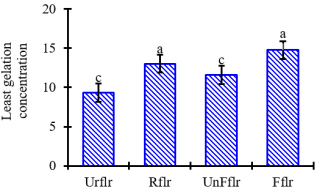
Figure 12. Effect of detoxification methods on cassava flour least gelation concentration.
Columns and error bars are means ± standard deviation of triplicate samples. Bars with different letters differed significantly (p < 0.05). Unretted flour (Urflr), retted flour (Rflr), unfermented flour (Unflr) and fermented flour (Fflr)
The least gelation concentration (LGC) (
Figure 12) ranged from 9.59 to 15.76%. A significant (p < 0.05) difference was observed amongst the flour samples, suggesting an impact of the cassava detoxification methods. Unretted flour (Urflr) exhibited the lowest LGC of 9.59%, indicating its satisfactory gelling capacity. In contrast, the analysis of fermented flour (Flr) revealed a maximum LGC of 14.76%, thereby indicating its restricted gelling capacity. The starch constituent of cassava is necessary for the production of gels due to its capacity to absorb water and subsequently solidify into a gel when subjected to heating
| [70] | Akinwotu KO, Taiwo KA, Ikujenlola AV. Proximate composition, functional and antioxidant properties of cassava mash enriched with desiccated coconut and cocoa powder. Food Science and Preservation. The Korean Society of Food Preservation; 2025, 32, 165-177.
https://doi.org/10.11002/fsp.2025.32.2.165 |
[70]
. Nonetheless, the process of fermentation in flours results in starch hydrolysis, thereby promoting low gelling properties in the flour. The low LGC of cassava is indicative of its propensity to gel at lower concentrations, a property that is characteristic of starches with a high amylopectin content. Flours with low LGC are the preferred option as they form gels at lower concentrations, thereby improving texture and reducing ingredient requirements.
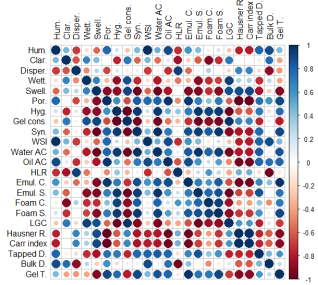
Figure 13. Pearson correlation matrix between properties of cassava flours.
Hum.: Humidity, Clar.: Clarity, Disper.: Dispersibilty, Wett.: Wettability, Swell.: Swelling, Por.: Porosity, Hyg.: Hygroscopicity, Cons.: Consistency, WSI.: Water Solubility Index, AC.: absorption capacity, HLR.: Hydrophilic-Lipophilic Ratio, Emul.: Emulsion, LGC.: Least Gelation Concentration, R.: Ratio, D.: Density, T.: Temperature.
3.6. Principal Component Analysis (PCA)
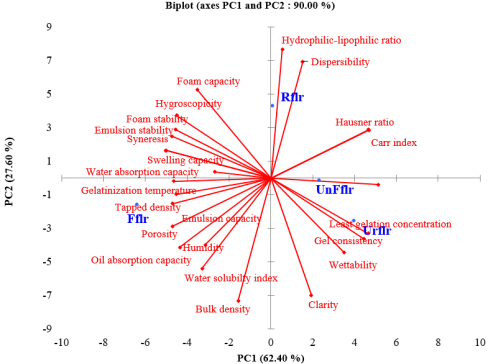
Principal component analysis (PCA) was employed to visualize the variation in properties among the flours resulting from the various cyanide detoxification methods used in this study. The results of the analysis are shown in
Figure 14 below. This statistical method reduces a large number of variables to a few, known as principal components (PCs), which describe the greatest variance in the analyzed data. PCA plots provide an overview of the similarities and differences between flours, as well as the relationships between the measured properties. The first and second PCs explained 62.40% and 27.60% of the variance, respectively.
Figure 14. Principal component analysis score biplot among flours from different cyanide detoxification methods, and flour properties.
Together, the first two PCs represent 90.00% of the total variability (
Figure 14). Based on the plot, the fermented flour (Fflr) was distinguished from the other varieties, suggesting that it was significantly different (p < 0.05). The unretted flour (Urflr) and unfermented flour (Unflr) clustered together, indicating strong similarities and insignificant differences (p > 0.05).
Figure 14 shows the functional traits that caused variations among cassava flours. Fermented flour (Fflr) clustered around traits including gelatinization temperature, emulsion capacity, swelling capacity, water absorption capacity, tapped density, oil absorption capacity, emulsion stability, foam capacity and water solubility index. This implies that fermented flour (Fflr) would be more suitable for food products requiring the flour to absorb water, form foam and viscous gels upon cooling. For example, porridges, pasta and thickeners. The unretted flour (Urflr), unfermented flour (Unflr) and retted flour (Rflr) were grouped according to least gelation concentration, wettability, gel consistency, Carr index, Hausner ratio, dispersibility and hydrophilic-lipophilic ratio.

 ,
Yao Kouakou Adaye
,
Yao Kouakou Adaye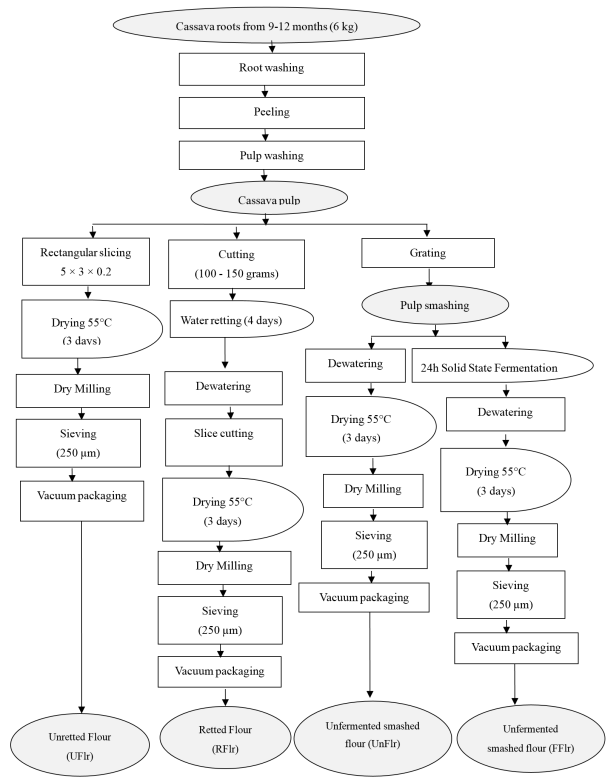



 Share This Article
 Twitter
 Linked In
 Facebook
 Copy
Copy Download