Research Article | | Peer-Reviewed

Comparative Thermo-Electrical Performance of Monocrystalline and Polycrystalline Silicon Photovoltaic Modules Under Extreme Temperatures

Received: 24 July 2026     Accepted: 12 August 2026     Published: 8 September 2026
Views:       Downloads:
Abstract

Operating temperature is a critical factor limiting the performance and reliability of photovoltaic (PV) systems, particularly in Sahelian regions where modules are exposed to substantial thermal fluctuations. Although temperature effects on PV performance have been widely investigated, experimental evidence remains limited on the comparative thermo-electrical response of monocrystalline and polycrystalline silicon modules under a broad range of extreme temperatures while simultaneously considering electrical characteristics, effective temperature coefficients, and thermal dynamics. This study addresses this gap through a controlled experimental comparison of both technologies over a temperature range of 5–70°C at a constant irradiance of approximately 450 W.m-2, representative of moderate solar operating conditions. A solar simulator coupled with a PV150 photovoltaic analyzer was used to systematically characterize the current–voltage (I–V) and power–voltage (P–V) characteristics, energy conversion efficiency, effective maximum power temperature coefficients, and heating and cooling dynamics of the two PV technologies. The results demonstrate a consistent temperature-dependent degradation of electrical performance: increasing temperature slightly increases short-circuit current, whereas open-circuit voltage, maximum power output, and conversion efficiency progressively decline. Between 30°C and 70°C, the efficiency of the monocrystalline module decreased by 11.92%, compared with only 6.68% for the polycrystalline module, while cooling to 5°C increased efficiency by 8.52% and 14.57%, respectively. The experimentally determined maximum power temperature coefficients were −0.30%.°C-1 for the monocrystalline module and −0.17%.°C-1 for the polycrystalline module, revealing a markedly lower thermal sensitivity and greater thermal stability of the polycrystalline technology under the investigated conditions. Beyond quantifying conventional temperature-induced losses, the originality of this study lies in the integrated experimental assessment of electrical degradation, effective thermal sensitivity, and transient thermal behavior across an extended temperature range under controlled irradiance, providing experimentally derived evidence relevant to harsh Sahelian environments. These findings have direct practical implications for PV technology selection, performance prediction, thermal derating, and the design of thermal management strategies, particularly for installations exposed to severe heat stress. The results also provide experimental benchmarks for improving temperature-dependent PV performance models and supporting the development of climate-adapted operation and maintenance strategies for high-temperature photovoltaic systems.

Published in American Journal of Energy Engineering (Volume 14, Issue 3)
DOI 10.11648/j.ajee.20261403.15
Page(s) 140-150
Creative Commons

This is an Open Access article, distributed under the terms of the Creative Commons Attribution 4.0 International License (http://creativecommons.org/licenses/by/4.0/), which permits unrestricted use, distribution and reproduction in any medium or format, provided the original work is properly cited.

Copyright

Copyright © The Author(s), 2026. Published by Science Publishing Group

Keywords

Photovoltaic Modules, Crystalline Silicon, Extreme Temperatures, Thermo-electrical Behavior, Energy Conversion Efficiency

1. Introduction
Energy is a fundamental driver of socio-economic development, and reliable access to energy is essential to meet the growing demands of modern societies and the global economy. As worldwide energy consumption continues to rise and concerns over the environmental impacts of fossil fuels intensify , renewable energy technologies have become indispensable for achieving a sustainable energy future. Among these technologies, solar photovoltaic (PV) energy has emerged as one of the most promising solutions owing to the abundance of solar resources, the continuous decline in PV technology costs, its deployment flexibility, and its low environmental impact . Its rapid expansion offers significant opportunities, particularly in regions with high solar potential and fast-growing populations, where improving access to electricity remains a major development challenge.
Photovoltaic modules, composed of interconnected solar cells, constitute the core component of PV systems. These devices directly convert solar radiation into electrical energy through the photovoltaic effect . Despite considerable technological advances over recent decades, the performance and long-term reliability of photovoltaic modules remain highly dependent on their operating conditions . Among the various environmental factors, operating temperature is widely recognized as one of the most influential parameters because it directly affects the electrical characteristics of photovoltaic cells, including the open-circuit voltage, maximum power output, and energy conversion efficiency . Elevated temperatures promote charge-carrier recombination and increase internal losses, leading to a reduction in power generation, whereas lower temperatures generally improve the electrical performance of PV modules .
Over the past decade, numerous studies have investigated the influence of temperature on the performance of crystalline silicon photovoltaic technologies. Recent research has also focused on thermal management techniques, including passive and active cooling systems, phase change materials (PCM), and hybrid thermal regulation approaches to mitigate temperature-induced performance losses . However, most available studies rely on numerical simulations, standard test condition (STC) measurements, or analyses restricted to electrical performance indicators. Experimental investigations simultaneously addressing the electrical characteristics, the effective maximum power temperature coefficients, and the transient thermal behavior of photovoltaic modules during both heating and cooling processes under extreme temperature conditions remain relatively limited . This gap is particularly evident for Sahelian environments, characterized by high solar irradiance, elevated module temperatures, and large diurnal thermal variations, where photovoltaic systems frequently operate far beyond standard testing conditions. Consequently, comprehensive experimental datasets are still required to accurately characterize the thermo-electrical response of different crystalline silicon technologies under realistic operating conditions representative of these harsh climates.
In addition to temperature, recent studies have highlighted that environmental stressors such as dust accumulation may further exacerbate thermal effects by increasing module surface temperature and reducing optical transmittance, ultimately accelerating performance degradation . These combined environmental effects underline the necessity of improving the understanding of photovoltaic module behavior under severe operating conditions.
In this context, the present study aims to provide a comparative experimental assessment of the effects of extreme temperatures on the electrical performance of monocrystalline and polycrystalline silicon photovoltaic modules. The novelty of this work lies in an integrated experimental approach that combines the analysis of electrical parameters, the experimental determination of effective maximum power temperature coefficients, and the characterization of the thermal dynamics associated with module heating and cooling. Particular attention is devoted to comparing the thermo-electrical behavior of both crystalline silicon technologies under temperature conditions representative of Sahelian environments. The results provide new experimental insights into the thermal sensitivity of crystalline silicon photovoltaic modules, improve the understanding of temperature-induced performance degradation mechanisms, and establish a valuable experimental basis for refining photovoltaic performance models and developing thermal management strategies aimed at enhancing the efficiency and long-term reliability of PV systems operating under severe thermal conditions.
2. Material and Method
2.1. Experimental Equipment
This study investigates the influence of extreme temperatures on the electrical performance of crystalline silicon photovoltaic (PV) modules. Two commercially available PV technologies were evaluated: a monocrystalline silicon module and a polycrystalline silicon module. To eliminate the influence of aging and degradation effects, all experiments were conducted using brand-new modules that had not been previously operated.
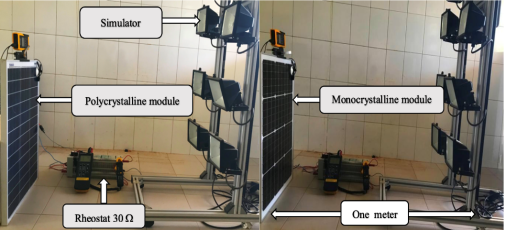
The modules were tested under a constant irradiance generated by a solar simulator. During the measurements, each module was connected in series with a variable resistor (rheostat) and a PV150 photovoltaic analyzer, which was used to acquire the electrical characteristics of the modules. A schematic of the experimental setup is presented in Figure 1.
The technical specifications of the monocrystalline and polycrystalline PV modules are summarized in Tables 1 and 2, respectively.
Figure 1. Experimental measurement setup.
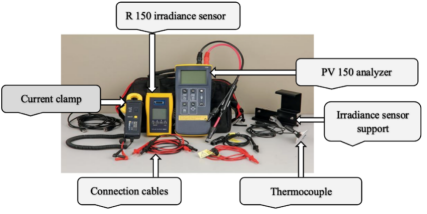
Table 1. Technical specifications of the polycrystalline silicon photovoltaic module.

Electrical parameters

(1000 W/m2, 25°C)

Maximum power(Pmax)

50 W

Maximum current (Imax)

2.78 A

Voltage Maximum (Vmax)

18 V

Open circuit voltage (Voc)

21.24 V

Short-circuit current (Isc)

3.05 A

Number of solar cells

12

Area

64.5 cm×47.3cm

Table 2. Technical specifications of the monoycrystalline silicon photovoltaic module.

Electrical parameters

(1000 W/m2, 25°C)

Maximum power(Pmax)

55 W

Maximum current (Imax)

4.568 A

Voltage Maximum (Vmax)

17.6 V

Open circuit voltage (Voc)

21 V

Short-circuit current (Isc)

5.12 A

Number of solar cells

12

Area

64 cm×48.5cm

2.2. Presentation of the PV 150 Analyzer
The PV150 is a photovoltaic analyzer designed for the electrical characterization and performance assessment of photovoltaic systems. It automatically measures the current–voltage (I–V) and power–voltage (P–V) characteristics and determines the main electrical parameters of photovoltaic modules, including the short-circuit current (Isc), open-circuit voltage (Voc), maximum power output (Pmax) and energy conversion efficiency.
The analyzer is equipped with a temperature probe and an irradiance sensor to continuously monitor the experimental conditions during testing. According to the manufacturer's specifications, the measurement accuracies are as follows:
1) Voltage: ±0.5%
2) Current: ±1.0%
3) Temperature: ±2°C
4) Irradiance: ±5%
The PV150 photovoltaic analyzer used in this study is shown in Figure 2.
Figure 2. PV 150 analyser.
2.3. Experimental Procedure
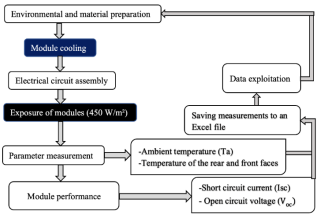
The experimental procedure adopted in this study is illustrated in Figure 3. Prior to each experimental campaign, the experimental environment was prepared, the measuring instruments were checked, and the electrical circuit for photovoltaic module characterization was assembled. The photovoltaic modules were initially cooled using ice until their temperature approached 0°C. After removing the cooling source, the modules were allowed to reach thermal equilibrium before being exposed to a solar simulator providing a constant irradiance of approximately 450 W.m-2. The irradiance was maintained as constant as possible throughout the experiments to minimize its influence and ensure that temperature remained the primary controlled variable affecting the electrical response of the modules. The experiments were conducted under low- and high-temperature conditions, corresponding to stabilized module temperatures of approximately 5°C and 70°C, respectively. During each test, current, voltage, front- and rear-surface module temperatures, ambient temperature, and irradiance were monitored. To improve measurement reliability and repeatability, each experimental condition was measured approximately ten times under nominally identical operating conditions. The reported values correspond to the arithmetic mean of the repeated measurements, while the standard deviation was used to characterize measurement dispersion. The measurement uncertainties associated with the experimental instrumentation were estimated at ±0.5% for voltage, ±1.0% for current, ±2°C for temperature, and ±5% for irradiance. For calculated parameters, including maximum power and conversion efficiency, the uncertainties associated with the relevant measured quantities were taken into account in the uncertainty assessment. The experimental data were subsequently processed using Microsoft Excel to generate the current–voltage (I–V) and power–voltage (P–V) characteristics, determine the energy conversion efficiency, calculate the effective maximum power temperature coefficients, and quantify the temperature-dependent variations in the main electrical parameters. Regression analysis and the coefficient of determination (R2) were also used to evaluate the consistency and strength of the observed temperature–performance relationships.
Figure 3. Different stages of the proposed methodology.
3. Resutats and Discussion
3.1. Thermal Response and Heat Dissipation of PV Modules
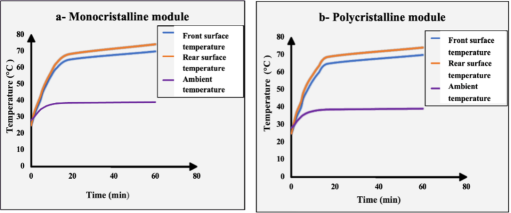
The thermal response of the monocrystalline and polycrystalline photovoltaic modules is presented in Figure 4. For both technologies, the front- and rear-surface temperatures increased progressively with exposure time under the solar simulator. A rapid temperature rise was observed during the initial exposure stage, followed by gradual stabilization, indicating that the modules reached thermal equilibrium between the absorbed solar irradiance and the heat dissipated into the surrounding environment.
The results further show that, for both photovoltaic technologies, the rear-surface temperature remained consistently higher than the front-surface temperature throughout the experiment. This temperature difference suggests greater heat accumulation in the rear region of the modules, which can be attributed to the limited heat-dissipation capacity of the encapsulation layers and internal materials. Indeed, only a fraction of the incident solar irradiance is converted into electrical energy, whereas a substantial portion is converted into heat within the photovoltaic cells and the various layers comprising the module . This thermal accumulation may be associated with the relatively low thermal conductivity of the encapsulation materials, which limits heat transfer and promotes heat retention within the module .
Furthermore, the ambient temperature remained consistently lower than the module temperatures throughout the exposure period, confirming the intrinsic self-heating of the photovoltaic modules under artificial irradiance.
Figure 4. Temperature evolution of monocrystalline and polycrystalline PV modules as a function of exposure time.
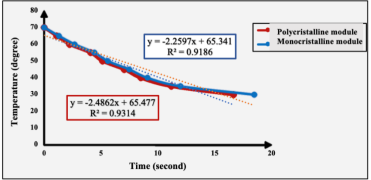
To evaluate the heat dissipation capability of the photovoltaic modules, their temperature evolution was monitored following preheating to approximately 70°C. The cooling curves presented in Figure 5 exhibit a similar overall behavior for both crystalline silicon technologies, with a gradual decrease in the module temperature over time.
A slight difference in cooling performance was nevertheless observed. The polycrystalline module cooled more rapidly than the monocrystalline module, reaching a temperature of approximately 30°C after 16 min, compared with 18 min for the monocrystalline module. Linear regression analysis confirms this trend, with negative slopes for both technologies and a slightly steeper slope for the polycrystalline module, indicating a higher cooling rate. The high coefficients of determination (R² > 0.91) demonstrate the good agreement between the experimental data and the fitted models and indicate an approximately linear cooling behavior over the investigated temperature range.
Beyond these experimental observations, the difference in cooling behavior may be associated with differences in the thermophysical properties of the module materials, including the thermal conductivity of the encapsulation layers and the crystalline structure of the photovoltaic cells. Although further investigations are required to identify the underlying mechanisms, these results highlight the importance of evaluating the cooling behavior of photovoltaic modules to better understand their thermal response and its implications for energy performance, thermal management, and long-term reliability.
Figure 5. Cooling profiles of monocrystalline and polycrystalline photovoltaic modules.
3.2. Temperature Effects on the Electrical Performance of PV Modules
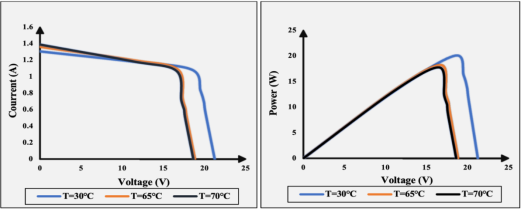
The electrical characteristics of the photovoltaic modules as a function of temperature are presented in Figures 6 and 7. Both monocrystalline and polycrystalline silicon modules exhibited similar trends in the evolution of the short-circuit current (Isc), open-circuit voltage (Voc) and maximum power output (Pmax). The current–voltage (I–V) and power–voltage (P–V) characteristics consistently confirmed these trends over the entire operating range, including the regions close to the short-circuit and open-circuit conditions.
Overall, increasing temperature resulted in a slight increase in the short-circuit current. This behavior can be attributed to the enhanced thermal excitation of charge carriers, which promotes the generation of additional electron–hole pairs and slightly increases the photocurrent . Experimentally, the short-circuit current increased by 6.43% for the monocrystalline module and 5.38% for the polycrystalline module as the module temperature increased from 30°C to 70°C.
In contrast, the open-circuit voltage decreased significantly with increasing temperature. This reduction is primarily associated with the temperature dependence of the semiconductor bandgap, which decreases as temperature rises, leading to a lower open-circuit voltage . In addition, increase in charge-carrier recombination at elevated temperatures further contributes to the voltage loss.
This contrasting response of current and voltage directly affects the maximum power output. Since the maximum power output is determined by the combined effect of current and voltage, it was strongly affected by the increase in temperature. Although the short-circuit current exhibited a slight increase, the pronounced decrease in open-circuit voltage dominated the overall response, resulting in a substantial reduction in maximum power. Between 30°C and 70°C, the maximum power decreased by 11.34% for the monocrystalline module and 6.69% for the polycrystalline module. Consequently, the energy conversion efficiency of both photovoltaic technologies decreased with increasing operating temperature, confirming the detrimental effect of thermal stress on photovoltaic performance .
Figure 6. Current–voltage (I–V) and power–voltage (P–V) characteristics of the monocrystalline PV module under an irradiance of 450 W.m-2 at temperatures of 30°C, 65°C, and 70°C.
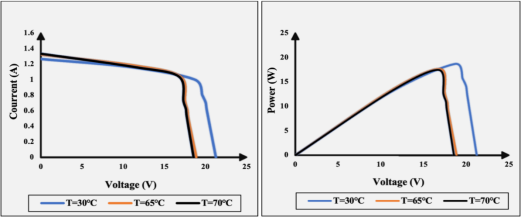
Figure 7. Current–voltage (I–V) and power–voltage (P–V) characteristics of the polycrystalline PV module under an irradiance of 450 W.m-2 at temperatures of 30°C, 65°C, and 70°C.
The trends observed in this study are consistent with previous investigations on the influence of temperature on the performance of crystalline silicon photovoltaic modules. Singh and Ravindra demonstrated that increasing temperature leads to a significant reduction in open-circuit voltage and a consequent deterioration in the conversion efficiency of crystalline silicon solar cells. Similarly, Amin and Al-Maghrabi reported that monocrystalline modules generally exhibit greater thermal sensitivity than polycrystalline modules, which is in agreement with the present findings, particularly the more pronounced reduction in maximum power observed for the monocrystalline module. Furthermore, the work of Dupre et al. confirmed that the degradation of electrical performance at elevated temperatures is mainly associated with increased charge-carrier recombination and higher internal resistive losses within semiconductor materials.
In light of these findings, the temperature dependence of maximum power was further quantified experimentally by determining the effective maximum power temperature coefficients of the two photovoltaic technologies under the controlled experimental conditions adopted in this study. The experimentally determined coefficients were −0.30%°C-1 for the monocrystalline module and −0.17%°C-1 for the polycrystalline module. These values indicate that a 1°C increase in operating temperature results in an average reduction in maximum power of 0.30% and 0.17% for the monocrystalline and polycrystalline modules, respectively, further confirming the greater thermal sensitivity of the monocrystalline technology.
Although the experimentally determined temperature coefficients were slightly lower than those generally reported under Standard Test Conditions (STC), this difference can be partly explained by the experimental conditions used in this study. Unlike STC, which is defined at an irradiance of 1000 W.m-2, the experiments were performed under a constant irradiance of 450 W.m-2 provided by a solar simulator, while the module temperature was progressively varied from 5°C to 70°C. Consequently, the obtained coefficients reflect the thermoelectrical behavior of the photovoltaic modules under the specific experimental conditions, under which temperature was the primary controlled variable affecting their electrical performance.
This interpretation is further supported by previous studies reporting that photovoltaic performance parameters at the maximum power point are jointly influenced by both temperature and irradiance, and that temperature coefficients themselves may vary with irradiance level, particularly under low-irradiance conditions . Overall, these findings confirm that operating temperature is a key factor governing the degradation of the maximum power output of photovoltaic modules. They also highlight the importance of experimentally determining temperature coefficients under controlled irradiance conditions to achieve a more accurate characterization of the thermal behavior of different photovoltaic technologies and to improve the reliability of photovoltaic performance analyses .
3.3. Electrical Performance of PV Modules at Low Temperatures
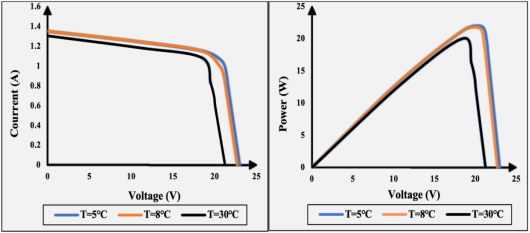
The experimental analysis revealed that low operating temperatures improve the electrical performance of photovoltaic modules, as evidenced by the current, voltage, and maximum power characteristics presented in Figures 8 and 9. This trend was observed for both monocrystalline and polycrystalline silicon modules, although the magnitude of the improvement differed between the two technologies.
For the monocrystalline module, decreasing the operating temperature from 30°C to 5°C resulted in increases of 3.37% in the short-circuit current (Isc), 8.24% in the open-circuit voltage (Voc) and 9.37% in the maximum power output (Pmax). These improvements can be primarily attributed to reduced charge-carrier recombination at lower temperatures. Reduced thermal agitation decreases the probability of electron–hole recombination, allowing a greater proportion of photogenerated carriers to contribute to the output current. In addition, the slight increase in the semiconductor bandgap at lower temperatures contributes to the increase in open-circuit voltage, thereby enhancing the overall energy conversion efficiency of the module.
The polycrystalline module exhibited even more pronounced improvements in electrical performance over the same temperature range. The short-circuit current, open-circuit voltage, and maximum power output increased by 10.67%, 7.29%, and 14.99%, respectively, as the operating temperature decreased from 30°C to 5°C.
This behavior is consistent with a reduction in effective internal electrical losses at lower temperatures . Lower operating temperatures reduce resistive losses and improve charge transport within the photovoltaic device, thereby facilitating current collection and increasing the output voltage . Consequently, the maximum power output of the polycrystalline module increased more markedly than that of the monocrystalline module under the investigated operating conditions.
Figure 8. Current–voltage (I–V) and power–voltage (P–V) characteristics of the monocrystalline PV module under an irradiance of 450 W.m-2 at temperatures of 5°C, 8°C, and 30°C.
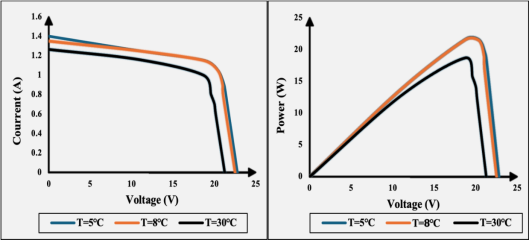
Figure 9. Current–voltage (I–V) and power–voltage (P–V) characteristics of the polycrystalline PV module under an irradiance of 450 W.m-2 at temperatures of 5°C, 8°C, and 30°C.

3.4. Temperature Dependence of PV Module Efficiency
The analysis of the results reported in Table 3 indicates that increasing temperature leads to a reduction in the energy conversion efficiency of both photovoltaic modules. For the polycrystalline module, the efficiency decreased from 13.66% at 30°C to 12.70% at 70°C, corresponding to a relative decrease of 6.68%. For the monocrystalline module, the efficiency decreased from 14.43% to 12.71% over the same temperature range, representing a reduction of 11.92%. These results indicate that the monocrystalline module is more sensitive to temperature variations than the polycrystalline module.
This reduction in efficiency can be primarily attributed to the reduction in open-circuit voltage (Voc) and the increase in internal resistive losses at elevated temperatures . Conversely, lower operating temperatures enhance the electrical performance of both technologies. At 5°C, the efficiency reached 15.65% for the polycrystalline module and 15.66% for the monocrystalline module, corresponding to increases of 14.98% and 8.66%, respectively, compared with operation at 30°C.
Consistent with the trends observed for the other electrical parameters, the short-circuit current (Isc) exhibits only minor variations with temperature compared with the open-circuit voltage, confirming that voltage is the most temperature sensitive electrical parameter. Overall, these findings highlight the strong influence of operating temperature on the electrical performance of photovoltaic modules.
Table 3. Electrical parameters and efficiency of PV modules at different operating temperatures.

T(°C)

Isc (A)

Voc (V)

Pmax (W)

efficiency(%)

poly

mono

poly

mono

poly

mono

poly

mono

30

1.265

1.306

21.25

21.25

18.68

20.02

13.66

14.43

70

1.333

1.39

18.567

18.63

17.43

17.75

12.70

12.71

05

1.4

1.35

22.8

23

21.48

21.895

15.65

15.66

4. Conclusion
This comparative study investigated the influence of extreme temperatures on the electrical performance of monocrystalline and polycrystalline silicon photovoltaic modules, highlighting the significant impact of thermal effects on their operational behavior.
The experimental results demonstrate that high operating temperatures lead to a clear degradation of photovoltaic performance, mainly characterized by reductions in open-circuit voltage, maximum power output, and energy conversion efficiency. Conversely, low temperatures enhance the electrical performance of both technologies by improving their electrical parameters and overall efficiency. The comparative analysis further reveals that monocrystalline modules exhibit higher thermal sensitivity than polycrystalline modules. At 70°C, the efficiency decreased by 11.92% for monocrystalline modules compared with 6.68% for polycrystalline modules. In contrast, when the temperature decreased from 30°C to 5°C, the efficiency increased by 14.57% for polycrystalline modules and 8.52% for monocrystalline modules.
The main novelty of this study lies in the integrated experimental characterization of crystalline silicon photovoltaic modules under controlled extreme-temperature conditions, combining electrical performance analysis, determination of effective temperature coefficients of maximum power, and characterization of the heating and cooling dynamics. Unlike conventional experimental assessments mainly based on standard test conditions or isolated temperature measurements, this approach provides a more comprehensive representation of the thermo-electrical response of monocrystalline and polycrystalline technologies over a wide temperature range.
The results obtained from this integrated approach provide experimental evidence of the different thermal sensitivities of the two technologies and highlight the importance of considering both steady-state temperature effects and thermal transition phases when assessing photovoltaic performance under harsh climatic conditions. These findings confirm that operating temperature is a critical parameter governing the electrical behavior of photovoltaic modules and emphasize the need for effective thermal management strategies to enhance both performance and long-term reliability.
Overall, this work contributes to a better understanding of the thermo-electrical behavior of crystalline silicon photovoltaic technologies under hot-climate conditions characterized by strong thermal variations. The quantitative results obtained in this study provide useful experimental benchmarks for photovoltaic system design, technology selection, and thermal management in high-temperature environments.
Future research should extend this experimental approach to outdoor operating conditions under variable irradiance and meteorological parameters, while integrating long-term monitoring and predictive thermal models to improve the reliability and energy yield of photovoltaic systems deployed in hot-climate regions.
Abbreviations

PV

Photovoltaic

I–V

Current–Voltage

P–V

Power–Voltage

Isc

Short-Circuit Current

Voc

Open-Circuit Voltage

Imax

Current at Maximum Power Point

Vmax

Voltage at Maximum Power Point

Pmax

Maximum Power Output

STC

Standard Test Conditions

PV150

Photovoltaic Analyzer PV150

PCM

Phase Change Materials

Author Contributions
Moustapha Sadio: Conceptualization, Data curation, Formal Analysis, Investigation, Methodology, Visualization, Writing – original draft
Moustapha Thiame: Supervision, Validation, Writing – review & editing
Moussa Camara: Validation, Writing – review & editing
Sada Traore: Validation, Writing – review & editing
Conflicts of Interest
The authors declare no conflicts of interest.
References
[1] Sharma P., Mishra R. K.: Comprehensive study on photovoltaic cell’s generation and factors affecting its performance: A Review. Mater. Renew. Sustain. Energy, vol. 14, no 1, p. 21, febr. 2025,
[2] Ndiaye A.: Study of the degradation and reliability of photovoltaic module - Impact of dust on electrical performance characteristics, Higher Polytechnic School (HPS) - UCAD, 2013,
[3] Bounouar S., El Alami Y., Ajjaj C., Bendooud R., Baba Y., Baghaz E.: Analytical and Experimental Study of the Thermal Behavior of Photovoltaic Modules in a Semi-Arid Environment, Heat Transf., vol. 55, no 4, p. 2760‑2775, 2026,
[4] Arslan M., Farukk M. Z., Yasir A. U., Ali S. A., Shezan S. A., Alsisi R. H., Ahmad F., Amin N.: Experimental Energy, Exergy, and Environmental Performance Assessment of a Phase Change Material Integrated Photovoltaic Module Under Outdoor Conditions, Int. J. Energy Res., vol. 2026, no 1, p. 5568757, 2026,
[5] Altinkök S., Altinay M.: The Effect of Electrical Load on Photovoltaic Module Surface Temperature: An Experimental Investigation, J. Sol. Energy Eng., vol. 148, no 4, p. 041001, 2026.
[6] Bukar A. M., Almerbati A., Shuja S. Z., Zubair S. M.: Enhancing solar PV panel performance through active and passive cooling techniques: A comprehensive review, Renew. Sustain. Energy Rev., vol. 216, p. 115611, 2025,
[7] Guiheneuf V.: Multiphysics Approach to the Aging of Materials for Photovoltaic Applications. phd thesis, University Paris-Est, 2017,
[8] Thong L. W., Murugan S., Ng P. K., Sun C. C.: Analysis of Photovoltaic Panel Temperature Effects on its Efficiency. System, vol. 18, no 19, p. 1‑6, 2016,
[9] Dash P. K., N. C. Gupta N. C.: Effect of Temperature on Power Output from Different Commercially available Photovoltaic Modules, vol. 5, no 1, 2015,
[10] Diallo A. M., Djossou J., Oumar K., Mathos K. P.: Climatic Influences on Photovoltaic Panel Performance: A Case Study of Yomou Prefecture. Republic of Guinea, Int. J. Environ. Clim. Change, vol. 15, no 3, p. 329‑343, 2025,
[11] Sharaf M., Yousef M. S., Huzayyin A. S.: Review of cooling techniques used to enhance the efficiency of photovoltaic power systems. Environ. Sci. Pollut. Res., vol. 29, no 18, p. 26131‑26159, 2022,
[12] Cangi H., Adak S., Yılmaz A. S.: Effect of Temperature on The I-V and P-V Curves of The Photovoltaic Cell. J. Inst. Sci. Technol., vol. 11, no 4, Art. no 4, dec. 2021,
[13] Sani M., Sule A.: Effect of Temperature on the Performance of Photovoltaic Module. Int. J. Innov. Sci. Res. Technol., vol. 5, no 9, p. 670‑676, sept. 2020,
[14] Jurayev I., Yuldoshev I., Jurayeva Z.: Effects of Temperature on the Efficiency of Photovoltaic Modules. March. 2023,
[15] Koprulu A., Fareek P. A., Kareem Y. K., Shireef L. T., Mohammed H. J., Muayad M. W., Hussein A. M.: Impact of tempera-ture and dust on the efficiency of photovoltaic systems: A review, Heat Mass Transf., vol. 62, no 5, p. 61, May. 2026,
[16] Alaas Z. M.: The effects of temperature on photovoltaic and different mitigation techniques: a review, IEEE Access, vol. 12, p. 180309‑180327, 2024,
[17] Hudișteanu V. S., Cherecheș N. C., Țurcanu F. E., Hudișteanu I., Romila C.: Impact of temperature on the efficiency of monocrystalline and polycrystalline photovoltaic panels: A comprehensive experimental analysis for sustainable energy solutions, Sustainability, vol. 16, no 23, p. 10566, 2024,
[18] Nan C., Hao Y., Huang X., Wang H., Yang H.: Investigation on temperature dependence of recent high-efficiency silicon solar modules, Sol. Energy Mater. Sol. Cells, vol. 266, p. 112649, 2024,
[19] Paul D. I.: Dust deposition on photovoltaic modules: its effects on performance. in The Effects of Dust and Heat on Photovoltaic Modules: Impacts and Solutions, Springer, 2021, p. 3‑46.
[20] Rahman M. M., Hasanuzzaman M., Rahim N. A.: Effects of various parameters on PV-module power and efficiency. Energy Convers. Manag., vol. 103, p. 348‑358, oct. 2015,
[21] Jatoi A. R., Samo S. R., Jakhrani A. Q.: An Improved Empirical Model for Estimation of Temperature Effect on Performance of Photovoltaic Modules. Int. J. Photoenergy, vol. 2019, no 1, p. 1681353, 2019,
[22] Pradhan A., Panda B.: Experimental Analysis of Factors Affecting the Power Output of the PV Module. Int. J. Electr. Comput. Eng. IJECE, vol. 7, no 6, p. 3190, 2017,
[23] Yuldoshov B., Saitov E., Khaliyarov J., Bobomuratov S., Toshpulatov S., Kholmurzayeva F.: Effect of Temperature on Electrical Parameters of Photovoltaic Module, Bachelor Thesis. 2023.
[24] Amin A. A. E., Al-Maghrabi M. A.: The Analysis of Temperature Effect for mc-Si Photovoltaic Cells Performance. Silicon, vol. 10, no 4, p. 1551‑1555, 2018,
[25] Mitterhofer S., Glazar B., Jankovec M., Topic M.: The Development of Thermal Coefficients of Photo-voltaic Devices. Inf. MIDEM, vol. 49, no 4, Art. no 4, 2019,
[26] Hamad A. J.: Performance Evaluation of Polycrystalline Photovoltaic Module based on Varying Temperature for Baghdad City Climate. J. Adv. Res. Fluid Mech. Therm. Sci., vol. 68, no 2, p. 164‑176, 2020,
[27] Karki I. B.: Effect of Temperature on the I-V Characteristics of a Polycrystalline Solar Cell. J. Nepal Phys. Soc., vol. 3, no 1, Art. no 1, 2015,
[28] Khadyair Dr. A. H. A., Wanas Dr. A. H., Haji J. L.: Volt-Ampere Characteristics for Arc Discharge in Low Pressure at Gas CO2. IOSR J. Appl. Phys., vol. 09, no 02, p. 05‑10, 2017,
[29] Singh P., Ravindra N. M.: Temperature dependence of solar cell performance—an analysis. Sol. Energy Mater. Sol. Cells, vol. 101, p. 36‑45, 2012,
[30] Dupre O., Vaillon R., Green M. A.: Physics of the temperature coefficients of solar cells. Sol. Energy Mater. Sol. Cells, vol. 140, p. 92‑100, 2015.
[31] Perin Gasparin F., Detzel Kipper F., Schuck de Oliveira F., Krenzinger A.: Assessment on the variation of temperature coefficients of photovoltaic modules with solar irradiance », Sol. Energy, vol. 244, p. 126‑133, sept. 2022,
[32] Seapan M., Hishikawa Y., Yoshita M., Okajima K.: Temperature and irradiance dependences of the current and voltage at maximum power of crystalline silicon PV devices. Sol. Energy, vol. 204, p. 459‑465, july. 2020,
[33] Bamisile O., Acen C., Cai D., Huang Q., Staffell I.: The environmental factors affecting solar photovoltaic output. Renew. Sustain. Energy Rev., vol. 208, p. 115073, févr. 2025.
[34] Shaker L. M., Al-Amiery A. A., Hanoon M. M., Al-Azzawi W. K., Kadhum A. A. H.: Examining the influence of thermal effects on solar cells: a comprehensive review. Sustain. Energy Res., vol. 11, no 1, p. 6, febr. 2024,
[35] Adeeb J., Farhan A., Al-Salaymeh A.: Temperature Effect on Performance of Different Solar Cell Technologies. J. Ecol. Eng., vol. Vol. 20, no nr 5, 2019,
Cite This Article
  • APA Style

    Sadio, M., Thiame, M., Camara, M., Traore, S. (2026). Comparative Thermo-Electrical Performance of Monocrystalline and Polycrystalline Silicon Photovoltaic Modules Under Extreme Temperatures. American Journal of Energy Engineering, 14(3), 140-150. https://doi.org/10.11648/j.ajee.20261403.15

    Copy | Download

    ACS Style

    Sadio, M.; Thiame, M.; Camara, M.; Traore, S. Comparative Thermo-Electrical Performance of Monocrystalline and Polycrystalline Silicon Photovoltaic Modules Under Extreme Temperatures. Am. J. Energy Eng. 2026, 14(3), 140-150. doi: 10.11648/j.ajee.20261403.15

    Copy | Download

    AMA Style

    Sadio M, Thiame M, Camara M, Traore S. Comparative Thermo-Electrical Performance of Monocrystalline and Polycrystalline Silicon Photovoltaic Modules Under Extreme Temperatures. Am J Energy Eng. 2026;14(3):140-150. doi: 10.11648/j.ajee.20261403.15

    Copy | Download

  • @article{10.11648/j.ajee.20261403.15,
      author = {Moustapha Sadio and Moustapha Thiame and Moussa Camara and Sada Traore},
      title = {Comparative Thermo-Electrical Performance of Monocrystalline and Polycrystalline Silicon Photovoltaic Modules Under Extreme Temperatures},
      journal = {American Journal of Energy Engineering},
      volume = {14},
      number = {3},
      pages = {140-150},
      doi = {10.11648/j.ajee.20261403.15},
      url = {https://doi.org/10.11648/j.ajee.20261403.15},
      eprint = {https://article.sciencepublishinggroup.com/pdf/10.11648.j.ajee.20261403.15},
      abstract = {Operating temperature is a critical factor limiting the performance and reliability of photovoltaic (PV) systems, particularly in Sahelian regions where modules are exposed to substantial thermal fluctuations. Although temperature effects on PV performance have been widely investigated, experimental evidence remains limited on the comparative thermo-electrical response of monocrystalline and polycrystalline silicon modules under a broad range of extreme temperatures while simultaneously considering electrical characteristics, effective temperature coefficients, and thermal dynamics. This study addresses this gap through a controlled experimental comparison of both technologies over a temperature range of 5–70°C at a constant irradiance of approximately 450 W.m-2, representative of moderate solar operating conditions. A solar simulator coupled with a PV150 photovoltaic analyzer was used to systematically characterize the current–voltage (I–V) and power–voltage (P–V) characteristics, energy conversion efficiency, effective maximum power temperature coefficients, and heating and cooling dynamics of the two PV technologies. The results demonstrate a consistent temperature-dependent degradation of electrical performance: increasing temperature slightly increases short-circuit current, whereas open-circuit voltage, maximum power output, and conversion efficiency progressively decline. Between 30°C and 70°C, the efficiency of the monocrystalline module decreased by 11.92%, compared with only 6.68% for the polycrystalline module, while cooling to 5°C increased efficiency by 8.52% and 14.57%, respectively. The experimentally determined maximum power temperature coefficients were −0.30%.°C-1 for the monocrystalline module and −0.17%.°C-1 for the polycrystalline module, revealing a markedly lower thermal sensitivity and greater thermal stability of the polycrystalline technology under the investigated conditions. Beyond quantifying conventional temperature-induced losses, the originality of this study lies in the integrated experimental assessment of electrical degradation, effective thermal sensitivity, and transient thermal behavior across an extended temperature range under controlled irradiance, providing experimentally derived evidence relevant to harsh Sahelian environments. These findings have direct practical implications for PV technology selection, performance prediction, thermal derating, and the design of thermal management strategies, particularly for installations exposed to severe heat stress. The results also provide experimental benchmarks for improving temperature-dependent PV performance models and supporting the development of climate-adapted operation and maintenance strategies for high-temperature photovoltaic systems.},
     year = {2026}
    }
    

    Copy | Download

  • TY  - JOUR
    T1  - Comparative Thermo-Electrical Performance of Monocrystalline and Polycrystalline Silicon Photovoltaic Modules Under Extreme Temperatures
    AU  - Moustapha Sadio
    AU  - Moustapha Thiame
    AU  - Moussa Camara
    AU  - Sada Traore
    Y1  - 2026/09/08
    PY  - 2026
    N1  - https://doi.org/10.11648/j.ajee.20261403.15
    DO  - 10.11648/j.ajee.20261403.15
    T2  - American Journal of Energy Engineering
    JF  - American Journal of Energy Engineering
    JO  - American Journal of Energy Engineering
    SP  - 140
    EP  - 150
    PB  - Science Publishing Group
    SN  - 2329-163X
    UR  - https://doi.org/10.11648/j.ajee.20261403.15
    AB  - Operating temperature is a critical factor limiting the performance and reliability of photovoltaic (PV) systems, particularly in Sahelian regions where modules are exposed to substantial thermal fluctuations. Although temperature effects on PV performance have been widely investigated, experimental evidence remains limited on the comparative thermo-electrical response of monocrystalline and polycrystalline silicon modules under a broad range of extreme temperatures while simultaneously considering electrical characteristics, effective temperature coefficients, and thermal dynamics. This study addresses this gap through a controlled experimental comparison of both technologies over a temperature range of 5–70°C at a constant irradiance of approximately 450 W.m-2, representative of moderate solar operating conditions. A solar simulator coupled with a PV150 photovoltaic analyzer was used to systematically characterize the current–voltage (I–V) and power–voltage (P–V) characteristics, energy conversion efficiency, effective maximum power temperature coefficients, and heating and cooling dynamics of the two PV technologies. The results demonstrate a consistent temperature-dependent degradation of electrical performance: increasing temperature slightly increases short-circuit current, whereas open-circuit voltage, maximum power output, and conversion efficiency progressively decline. Between 30°C and 70°C, the efficiency of the monocrystalline module decreased by 11.92%, compared with only 6.68% for the polycrystalline module, while cooling to 5°C increased efficiency by 8.52% and 14.57%, respectively. The experimentally determined maximum power temperature coefficients were −0.30%.°C-1 for the monocrystalline module and −0.17%.°C-1 for the polycrystalline module, revealing a markedly lower thermal sensitivity and greater thermal stability of the polycrystalline technology under the investigated conditions. Beyond quantifying conventional temperature-induced losses, the originality of this study lies in the integrated experimental assessment of electrical degradation, effective thermal sensitivity, and transient thermal behavior across an extended temperature range under controlled irradiance, providing experimentally derived evidence relevant to harsh Sahelian environments. These findings have direct practical implications for PV technology selection, performance prediction, thermal derating, and the design of thermal management strategies, particularly for installations exposed to severe heat stress. The results also provide experimental benchmarks for improving temperature-dependent PV performance models and supporting the development of climate-adapted operation and maintenance strategies for high-temperature photovoltaic systems.
    VL  - 14
    IS  - 3
    ER  - 

    Copy | Download

Author Information
  • Abstract
  • Keywords
  • Document Sections

    1. 1. Introduction
    2. 2. Material and Method
    3. 3. Resutats and Discussion
    4. 4. Conclusion
    Show Full Outline
  • Abbreviations
  • Author Contributions
  • Conflicts of Interest
  • References
  • Cite This Article
  • Author Information