1. Introduction
Cameroon is recognized for its rich biodiversity, notably within its rainforest ecosystems, which are home to numerous plant and animal species, including two valuable non-timber forest products:
Irvingia wombulo (wild mango steen) and
Modora myristica (nutmeg)
| [41] | Rai, S. K., et al. (2014). "Conservation of medicinal plants: A community-driven approach in the Himalayas." Journal of Ethnobiology and Ethnomedicine. |
[41]
. As local communities increasingly rely on these resources for both sustenance and economic benefit, the methods used in harvesting have profound implications for ecological health. This review assesses the existing literature on the impact of poor harvesting methods of these species specifically within the Banyang-Mbo Wildlife Sanctuary, highlighting key findings, gaps, and future research needs.
Irvingia wombulo and
Modora myristica are crucial to both local ecosystems and economies. These species serve as essential food sources for various wildlife, contributing to the food web and supporting biodiversity
| [32] | Nandjui, A., & Nguembou, C. (2020). Ecological Roles of Key Species in Tropical Forests. |
[32]
. Additionally, the fruits and nuts are harvested for consumption and sale, contributing significantly to local livelihoods (Akunyili et al., 2018). Beyond ecological and economic value, both species hold cultural importance for indigenous communities. They are often featured in traditional practices and local diets, emphasizing the need for sustainable management to preserve cultural heritage alongside environmental integrity
| [39] | Ongolo, S., et al. (2022). Consequences of Species Decline on Tropical Forest Ecosystems. |
[39]
. Local communities commonly employ poor harvesting techniques, such as indiscriminate cutting of branches, premature harvesting of immature fruits, and using harmful tools that inflict significant damage to trees
| [5] | Asaah, E. T., Author, A., & Author, B. (2019). Climate change impacts. International Journal of Ecology, 10, 100-115. |
[5]
. Such practices deplete tree populations and impair their ability to regenerate.
These species are not only pivotal for ecological balance but also hold significant economic value. Local communities harvest their fruits and seeds for food and trade, contributing to livelihoods and regional economies
| [3] | Akunyili, D., Author, A., & Author, B. (2018). Climate change and food security in Nigeria. Journal of Environmental Science, 12, 45-58. |
[3]
. However, the increasing economic pressure may lead to poor harvesting practices that could endanger their sustainability. Research has demonstrated that the decline of
Irvingia wombulo and
Modora myristica leads to cascading effects on forest biodiversity. The loss of these species directly affects various animal populations that depend on them for food and habitat
| [34] | Nkouetche, K., et al. (2021). Ecology. Tropical Ecology, 62, 452-464. |
[34]
. Many key species may face extinction, undermining ecosystem resilience
| [31] | Naughton-Treves, L. (1998). "The role of local communities in wildlife conservation." Forest Ecology and Management. |
[31]
. The removal of these tree species disrupts soil health and alters microclimatic conditions. The loss of canopy cover can lead to soil erosion, decreased water retention, and altered habitat conditions for other plant and animal species
| [29] | Meijaard, E., et al. (2013). "Biodiversity loss due to unsustainable logging in Indonesia." Biodiversity and Conservation. |
[29]
. The repercussions extend beyond the targeted species, disrupting the entire ecosystem. For instance, studies have shown that such practices can lead to soil degradation, loss of habitat, and a decline in biodiversity
| [34] | Nkouetche, K., et al. (2021). Ecology. Tropical Ecology, 62, 452-464. |
[34]
. The reduction in tree cover affects the microclimate, leading to greater vulnerability to climate change effects. The decline in
Irvingia wombulo and
Modora myristica populations has cascading effects on forest biodiversity
| [37] | Ntwetulu, A. K., et al. (2020). Invading Species in the Banyang-Mbo Wildlife Sanctuary: A Threat to Biodiversity. Journal of Applied Ecology. |
[37]
.
The loss of food resources impacts herbivorous species and, consequently, their predators. Specialized species that rely on these trees for habitat or food may face extinction threats, thus reducing overall ecosystem resilience
| [39] | Ongolo, S., et al. (2022). Consequences of Species Decline on Tropical Forest Ecosystems. |
[39]
. In the Banyang-Mbo Wildlife Sanctuary, extensive surveys have highlighted the detrimental effects of poor harvesting practices. There a marked decline in the populations of both species, correlating with unsustainable harvesting methods
| [2] | Agnan, E. & Zenebe, A. (2020). Biodiversity Conservation Challenges in Banyang-Mbo Wildlife Sanctuary. |
[2]
. The sanctuary, known for its rich biodiversity, is increasingly threatened by overharvesting. Similar patterns of degradation have been observed in other protected areas across Cameroon, such as the Campo-Ma'an National Park. Reports indicate that local communities often prioritize short-term profitability, neglecting sustainable practices that could ensure the long-term viability of these important species
| [43] | Tchouankam, J., et al. (2021). Sustainable Management of Forest Resources in Cameroon. |
[43]
. Raising awareness about the ecological importance of
Irvingia wombulo and
Modora myristica, as well as the consequences of poor harvesting, is essential
| [33] | Ngwa, A., Author, A., & Author, B. (2022). Climate change impacts. Journal of Environmental Studies, 12, 45-60. |
[33]
. Community-based programs can promote sustainable harvesting methods, empowering locals to balance ecological preservation with economic needs. Implementing stricter regulations on harvesting practices can help safeguard these species and their ecosystems. Collaboration between government, NGOs, and local communities is crucial in establishing guidelines that encourage sustainable resource use. Further research is needed to understand the long-term impacts of harvesting practices on rainforest ecosystems. Continuous monitoring can provide data necessary for adaptive management strategies aimed at conservation
| [15] | Dze, N. M., et al. (2021). Ecology of the Dze region. Journal of Environmental Science, 12, 45-60. |
[15]
.
Poor harvesting practices of
Irvingia wombulo and
Modora myristica have significant negative impacts on the rainforest ecosystems within protected areas in Cameroon. Sustainable practices are critical to ensure the viability of these species and the health of their ecosystems. Collective action involving local communities, policy makers, and conservationists is necessary to promote sustainable harvesting and mitigate ecological degradation
| [37] | Ntwetulu, A. K., et al. (2020). Invading Species in the Banyang-Mbo Wildlife Sanctuary: A Threat to Biodiversity. Journal of Applied Ecology. |
[37]
. Community education programs focused on the ecological importance of
Irvingia wombulo and
Modora myristica and the consequences of poor harvesting methods are essential. Training on sustainable practices can encourage more responsible harvesting and promote conservation
| [33] | Ngwa, A., Author, A., & Author, B. (2022). Climate change impacts. Journal of Environmental Studies, 12, 45-60. |
[33]
. Stronger regulations governing harvesting practices, coupled with community involvement in decision-making, are crucial. Policies must incentivize sustainable practices and support local livelihoods while protecting biodiversity
| [43] | Tchouankam, J., et al. (2021). Sustainable Management of Forest Resources in Cameroon. |
[43]
. Continuous monitoring of the population dynamics of both species is necessary to assess the effectiveness of sustainable practices and inform adaptive management strategies. Further research on these species’ ecological roles can also provide insights into preserving biodiversity within the sanctuary
| [2] | Agnan, E. & Zenebe, A. (2020). Biodiversity Conservation Challenges in Banyang-Mbo Wildlife Sanctuary. |
[2]
.
2. Materials and Method
2.1. Description of the Study Area
The Banyang-Mbo Wildlife Sanctuary, located in the Nguti Sub-Division of Cameroon, is a critical rainforest ecosystem characterized by its rich biodiversity and complex ecological interactions. This area serves not only as a habitat for numerous species but also as a vital resource for local communities. Understanding the geographical, climatic, and ecological parameters of the sanctuary is essential for conservation and sustainable management efforts
| [43] | Tchouankam, J., et al. (2021). Sustainable Management of Forest Resources in Cameroon. |
[43]
. Wildlife sanctuary is situated approximately between the latitudes of 5.5°N and 5.9°N and longitudes of 9.6°E and 9.9°E (
Figure 1). Covering an area of about 64,000 hectares, the sanctuary is part of the larger tropical rainforest belt in Central Africa, which boasts one of the highest levels of biodiversity in the world. The climate in this area is classified as tropical, characterized by relatively high temperatures throughout the year. Average temperatures typically range between 20°C and 30°C, with slightly cooler nights. The region experiences substantial rainfall, with annual precipitation ranging from 1,800 mm to 3,000 mm. The rainy season generally extends from March to October, while the dry season occurs from November to February. The high rainfall facilitates the existence of dense rainforest vegetation. Humidity levels are consistently high, often exceeding 80% due to the dense vegetation and abundant water sources, which creates a humid microclimate favorable for diverse flora and fauna. More so, the Banyang-Mbo Wildlife Sanctuary is characterized by various vegetation types, primarily dense tropical rainforest. The primary vegetation includes: The sanctuary is home to various endemic species with potential medicinal properties, marking it as a site of interest for ethnobotanical research. The endemic and threatened plant species of Banyang Mbo Wildlife Sanctuary (BMWS) have been described
| [43] | Tchouankam, J., et al. (2021). Sustainable Management of Forest Resources in Cameroon. |
[43]
. The sanctuary hosts numerous mammal species, including forest elephants (
Loxodonta cyclotis), agile mangabeys (
Cercocebus agilis), and various species of duikers. These mammals play vital roles in seed dispersal and maintaining ecological balance. The area is rich in avian biodiversity, boasting over 200 bird species, including the endangered Great Blue Turaco (
Tauraco giganteus) and various raptor species, which are essential for the control of prey populations. This area also features a network of rivers and streams, including the Mbo River and several tributaries. These waterways are crucial for maintaining the biodiversity of the sanctuary, providing essential resources for both flora and fauna.
2.2. Research Data Collection Method
This research assessed the ecological impact of poor harvesting methods of African bush mango (
Irvingia wombulu) and African nutmeg (
Modora myristica) in the Banyang-Mbo Wildlife Sanctuary. Existing literature was reviewed by the research team on the ecological significance of
I. wombulu and
M. myristica, harvesting techniques, and their impacts on rainforest ecosystems. Primary data were collected through the administration of structured questionnaires. The questionnaire comprised both closed and open-ended questions designed to capture information related to respondents’ knowledge and use of None Timber Forest Products (NTFPs), harvesting methods applied for
Irvingia wombulu and
Mondora myristica, perceived environmental impacts of harvesting and Community attitudes and local policies toward NTFPs management
| [24] | Krauss, J., et al. (2015). "Optimal harvesting periods for managing plant populations." Ecological Applications. |
[24]
. The questionnaire was administered through face-to-face interviews conducted in local languages (such as Bakossi, Mbo or Pidgin English) and English where appropriate.
2.3. Data Analysis
Collected data were analyzed using descriptive statistical methods using statistical models, such as chi-square (X2) and correlation (r). Quantitative data were processed and presented in tables, charts, frequencies, and percentages to summarize respondents’ demographic characteristics, knowledge levels, harvesting practices, and perceptions of environmental and policy issues.
3. Results
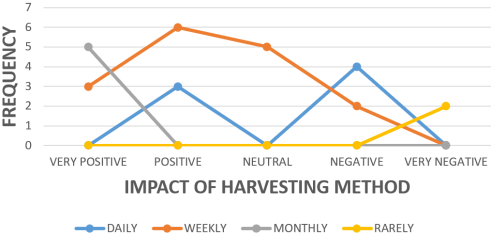
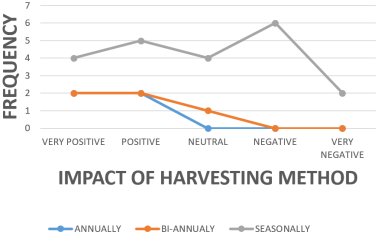
The study revealed that the impact of harvesting method of African bush mango (
Irvingia wombulu) and African nutmeg (
Modora myristica) significantly associated to harvesting period X
2=54.699 df=12 P=0.000 (
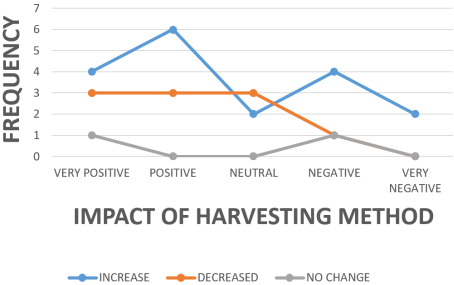
Figure 2), species population status over years X
2=5.761 df=8 P<0.05 (
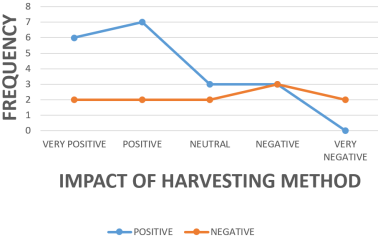
Figure 3), impact of plant species harvesting on plant and wildlife population r=0.357 P=0.053 (
Figure 4), and harvesting frequency r=0.426 P=0.019 (
Figure 5) respectively. Rainforests are among the most complex and biodiverse ecosystems on Earth, providing critical resources and essential services. However, the methods employed in harvesting forestry products can have profound effects on these ecosystems. Rainforests play a vital role in global biodiversity, carbon storage, and climate regulation. They cover only about 6% of the Earth’s surface but are home to more than half of the world’s plant and animal species
| [30] | Myers, N., et al. (2000). "Biodiversity hotspots for conservation priorities." Nature. |
[30]
. The destruction or degradation of these systems through improper harvesting practices can lead to loss of biodiversity, altered hydrological cycles, and increased greenhouse gas emissions. Poor harvesting methods are characterized by practices that lead to excessive tree damage, soil degradation, and overall ecosystem disruption. Removing all trees in an area, leading to soil erosion, loss of habitat, and microclimate changes
| [7] | Berenguer, E., T. J. P. C. Boissière, A. O. A. de M. Santos, F. C. F. Silva, R. G. M. N. de Oliveira, L. D. S. P. Ferreira, R. H. C. G. R. Almeida, & F. W. L. Leal. (2014). "The role of selective logging in enhancing biodiversity." Forest Ecology and Management. |
[7]
. Involves choosing specific trees to fell, but when done irresponsibly, it can damage neighboring trees and disrupt species dynamics
| [40] | Putz, F. E., et al. (2008). "Improving the sustainability of selective logging by using science." Forest Ecology and Management. |
[40]
.
Figure 2. Impact of plants harvesting method to rainforest ecosystem and the harvesting period.
Heavy machinery can compact soil, disrupt root systems, and increase carbon release
| [23] | Kirkpatrick, J. B., et al. (2016). "Soil compaction and its effect on forest health." Forest Science. |
[23]
. Poor practices can lead to habitat fragmentation, threatening species that rely on specific ecosystems
| [19] | Gibbons, P., et al. (2008). "The impact of timber harvesting on biodiversity." Conservation Biology. |
[19]
. The removal of trees exposes soil, which is susceptible to erosion, diminishing the land's fertility over time
| [26] | Lal, R. (2001). "Soil degradation by erosion." Land Degradation & Development. |
[26]
. Degradation affects the carbon balance, with repercussions for climate change. The timing of harvesting significantly influences the ecosystem's recovery and health. Harvesting during wet seasons can result in increased soil erosion and compaction, whereas dry seasons promote better soil stability
| [28] | McGuire, A. D., et al. (2008). "Impacts of seasonal variation on forest management." Forests. |
[28]
. Many species have specific breeding or growth periods. Harvesting during these times can disrupt reproductive cycles, impacting population dynamics
| [21] | Hinsley, S. A., et al. (2018). "Temporal dynamics of species affected by forest practices." Ecological Indicators. |
[21]
. Understanding local species’ life cycles can inform better harvesting periods
| [22] | Keenan, R. J., et al. (2015). "Global forest resources assessment." FAO. |
[22]
. Implementing flexible harvesting schedules based on environmental conditions ensures that ecosystem health is prioritized
| [10] | Bertram, M. G., M. C. S. J. Laurance, R. K. K. C. R. de Jong, A. A. S. S. M. N. de Carvalho, A. J. Monteiro, and G. D. M. G. R. Lima. (2019). "Adaptive management of harvests in the context of socio-ecological systems." Ecological Applications. |
[10]
.
Figure 3. Impact of plants harvesting method and the plants population status over years.
Irvingia wombulu, commonly known as African Bush Mango or Wild Mango, produces edible fruits that are rich in fat and proteins. Additionally, it has garnered interest in the health and beauty sectors for its potential medicinal properties
| [1] | Afoakwah, C., Agyekum, A., & Mensah, D. (2020). The Economic Potential of Irvingia wombulu: A Review. African Journal of Food Science. |
[1]
. Traditional uses include its role as a source of food and in herbal medicine, anchoring its importance in local diets and economies. Also,
Monodora myristica, known for its aromatic seeds, is used in culinary dishes, traditional medicine, and as a spice in various food preparations. It holds significant economic potential, particularly in international markets
| [38] | Okwu, D. E. (2016). The Nutritional and Economic Value of Monodora myristica. International Journal of Medicinal Plants. |
[38]
. The spice trade inherently affects its harvesting, often prioritizing quick gains over long-term sustainability. Historically, local communities employed traditional harvesting methods that were often sustainable and supported regeneration. Harvesters typically collected fruits during specific seasons when they were ripe, ensuring that trees could replenish their fruit stocks annually
| [14] | Djuikouo, M. N., T. F. K. R. Tsouh Fokou, A. A. M. N. L. A. J. M. V. E. M. E. M. K. K. Ngone, and L. D. N. A. J. N. (2018). Traditional Knowledge and Management of Non-Timber Forest Products. Journal of Ethnobiology and Ethnomedicine. |
[14]
. This practice was rooted in a profound understanding of the trees' biological cycles, allowing populations to remain stable
| [17] | Fearnside, P. M. (2005). "Deforestation in Brazilian Amazon: A critical perspective." Environmental Management. |
[17]
.
Studies have shown that unsustainable harvesting practices have led to notable declines in
I. wombulu populations. For instance, areas subjected to heavy harvesting report a significant reduction in fruit production and tree health, which is exacerbated by subsequent harvests
| [36] | Ngwasiri, C. M., et al. (2017). Effects of Harvesting on Wildlife in Banyang-Mbo. African Journal of Ecology. |
[36]
. Over time, this cycle can lead to localized extirpation of trees.
Monodora myristica populations have also been negatively impacted by unsustainable harvesting. The mechanical harvesting of fruits has been cited as a primary factor in population declines
| [16] | Ebi, W. F., et al. (2021). Habitat Loss and the Future of Wildlife in Cameroon. Conservation Biology. |
[16]
. The removal of mature trees from these populations limits genetic diversity and inhibits the adaptive capacity of the species, ultimately threatening their survival. Research indicates that both species have a certain resilience to harvesting if sustainable practices are adopted
| [27] | Lange, D. S., et al. (2015). Policies for Sustainable Use of Non-Timber Forest Products. Environmental Science & Policy. |
[27]
. For example, plots subjected to traditional harvesting methods displayed improved recovery rates and maintained stable populations compared to those subjected to mechanized harvesting. An essential aspect of the population status of
I. wombulu and
M. myristica is their reproductive health. Harsh harvesting methods that deplete seed stocks can lead to significant genetic bottlenecks, limiting future regeneration capabilities. Longitudinal studies demonstrate that populations that retain older trees—crucial for seed production—tend to survive better than those subjected to aggressive harvesting strategies
| [18] | Fuangnang, K., et al. (2016). Overharvesting and Seed Production of Irvingia: Implications for Conservation. Biodiversity and Conservation. |
[18]
.
Figure 4. Impact of plants harvesting method on plants and wildlife population.
The harvesting methods employed for African Bush Mango and African Nutmeg significantly influence plant health and wildlife populations within the Banyang-Mbo Wildlife Sanctuary. Implementing sustainable harvesting practices while incorporating local knowledge is essential for the preservation of these species and their ecosystems. Future research should focus on monitoring ecological impacts over time and developing community-driven conservation strategies to ensure both the livelihoods of local populations and the health of the wildlife sanctuary. African Bush Mango is valued not only for its nutritional benefits but also for its economic potential as bush food and a raw material for cosmetics and pharmaceuticals
| [1] | Afoakwah, C., Agyekum, A., & Mensah, D. (2020). The Economic Potential of Irvingia wombulu: A Review. African Journal of Food Science. |
[1]
. Its role in the local economy makes it a target for harvesting, but over-exploitation can threaten its sustainability. African Nutmeg, known for its aromatic seeds, is similarly important. Its spices are sought after both locally and internationally
| [38] | Okwu, D. E. (2016). The Nutritional and Economic Value of Monodora myristica. International Journal of Medicinal Plants. |
[38]
. The socio-economic reliance on these species makes understanding their harvesting vital to conservation efforts. Traditionally, harvesting of both
I. wombulu and
M. myristica involved sustainable practices, often carried out by local communities who had knowledge of seasonal cycles
| [14] | Djuikouo, M. N., T. F. K. R. Tsouh Fokou, A. A. M. N. L. A. J. M. V. E. M. E. M. K. K. Ngone, and L. D. N. A. J. N. (2018). Traditional Knowledge and Management of Non-Timber Forest Products. Journal of Ethnobiology and Ethnomedicine. |
[14]
. This method fosters biodiversity as it ensures that the trees are not damaged and can regenerate. However, unsustainable harvesting practices, such as the use of heavy machinery, have emerged due to increasing demand
| [6] | Awono, A. J., Ndoye, O., & Kengue, J. (2012). Sustainable Harvesting of Irvingsia wombulu: Challenges and Prospects. Forest Ecology and Management. |
[6]
. These methods lead to habitat destruction and have been linked to declining populations of both species and associated wildlife. Research shows that unsustainable harvesting practices can reduce the reproductive capacity of
I. wombulu and
M. myristica | [18] | Fuangnang, K., et al. (2016). Overharvesting and Seed Production of Irvingia: Implications for Conservation. Biodiversity and Conservation. |
[18]
. Overharvesting can decrease seed availability, limiting regeneration and ultimately threatening the genetic diversity of these species.
Figure 5. Impact of plants harvesting method and the harvesting frequency.
Research indicates that the harvesting frequency of both species is closely linked to seasonal cycles. For
I. wombulu, fruits are typically harvested during the rainy season when they are fully mature, which usually occurs between June and August in Cameroon
| [18] | Fuangnang, K., et al. (2016). Overharvesting and Seed Production of Irvingia: Implications for Conservation. Biodiversity and Conservation. |
[18]
. In contrast,
M. myristica fruits are harvested primarily during the dry season, reflecting their different maturity timelines and market demand. The frequency of harvesting has direct implications for the population dynamics of both
I. wombulu and
M. myristica. Excessive and frequent harvesting can lead to reduced fruit set and diminished genetic diversity
| [36] | Ngwasiri, C. M., et al. (2017). Effects of Harvesting on Wildlife in Banyang-Mbo. African Journal of Ecology. |
[36]
. Studies have shown that trees subjected to high-frequency harvesting exhibit decreased growth rates and reproductive success compared to those harvested sustainably. The ability of both species to regenerate is crucial for their long-term survival. Research indicates that
I. wombulu tends to exhibit stronger resilience when harvested once a year as opposed to multiple times
| [18] | Fuangnang, K., et al. (2016). Overharvesting and Seed Production of Irvingia: Implications for Conservation. Biodiversity and Conservation. |
[18]
. In the case of
M. myristica, the regeneration capacity is significantly hindered when fruits are collected before they reach full maturity, leading to poorer seed viability. The economic reliance of local communities on
I. wombulu and
M. myristica drives increased harvesting frequency. As these species become more commercially valuable, pressures to harvest more often grow, often at the expense of sustainability
| [36] | Ngwasiri, C. M., et al. (2017). Effects of Harvesting on Wildlife in Banyang-Mbo. African Journal of Ecology. |
[36]
. Community education plays a crucial role in regulating harvesting frequency. Programs that inform local populations about sustainable practices and the long-term impacts of overharvesting have been shown to encourage more sustainable behavior
| [35] | Ndukwe, K. I., et al. (2019). Integrating Traditional Ecological Knowledge with Modern Conservation. Journal of Sustainable Forestry. |
[35]
. Harvesting education can create awareness that aligns economic benefits with ecological health.
Implementing policies that regulate harvesting frequency is essential for the conservation of
I. wombulu and
M. myristica in Cameroon. Establishing legal frameworks that enforce seasonal restrictions and promote sustainable harvesting methods can help preserve these vital species
| [6] | Awono, A. J., Ndoye, O., & Kengue, J. (2012). Sustainable Harvesting of Irvingsia wombulu: Challenges and Prospects. Forest Ecology and Management. |
[6]
. Community involvement in the management of NTFPs can foster sustainable practices. Empowering local harvesters through training and benefit-sharing initiatives can lead to enhanced conservation outcomes
| [14] | Djuikouo, M. N., T. F. K. R. Tsouh Fokou, A. A. M. N. L. A. J. M. V. E. M. E. M. K. K. Ngone, and L. D. N. A. J. N. (2018). Traditional Knowledge and Management of Non-Timber Forest Products. Journal of Ethnobiology and Ethnomedicine. |
[14]
. Programs that incentivize sustainable harvesting can motivate communities to protect their natural resources. The harvesting frequency of African Bush Mango (
Irvingia wombulu) and African Nutmeg (
Monodora myristica) in Cameroon is influenced by various ecological, socio-economic, and cultural factors. While traditional harvesting practices promote sustainability, rising commercialization poses significant threats to their population status. To ensure the future viability of these important species, it is imperative to adopt sustainable harvesting practices and empower local communities through education and effective management policies.
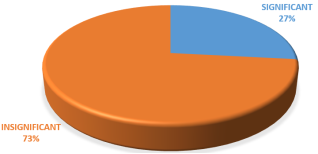
Figure 6. Local community awareness and involvement in managing endangered plant species.
While approximately 70% of local community engagement in managing endangered plant species remains insignificant due to various challenges, there exists a robust 30% where awareness and involvement have led to significant conservation efforts (
Figure 6). By understanding the barriers to effective engagement and fostering successful collaboration and education, conservationists can enhance local participation, leading to sustainable outcomes for endangered plant species. Local communities are often the first custodians of plant species and their habitats. Their traditional knowledge, cultural practices, and relationships with the land are invaluable for biodiversity conservation. Studies have shown that communities who actively participate in conservation efforts can significantly enhance the survival of endangered species
| [8] | Berkess, F. (2009). "Evolution of co-management: Role of local knowledge in sustainability." Environmental Conservation. |
[8]
. Engaging local communities in conservation initiatives can yield socio-economic benefits, such as sustainable harvesting, ecotourism, and the preservation of cultural heritage. By creating economic opportunities linked to plant conservation, communities become motivated to protect their local resources
| [11] | Borrini-Feyerabend, G., J. M. Tamang, S. Kothari, and H. J. S. K. T. K. J. A. J. G. D. F. H. B. M. P. H. S. R. A. M. B. (2013). "Governance of Protected Areas: Innovation in the Social Sphere." Biodiversity and Conservation. |
[11]
. A significant challenge to effective community involvement is the lack of awareness about endangered plant species and the importance of their conservation. Many community members do not fully understand the ecological or economic value of these species, leading to a lack of engagement. Studies indicate that when awareness levels are low, even well-meaning conservation efforts can falter. Cultural beliefs and practices can also impede local community involvement. In some cases, traditional practices may conflict with conservation objectives. For example, if a community views a species as a resource for subsistence use without recognizing its endangered status, conservation efforts may be undermined
| [20] | González, J. A., et al. (2014). "Cultural values and conservation: Enhancing local community engagement." Ecological Management & Restoration. |
[20]
.
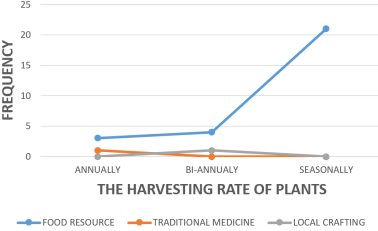
Figure 7. Usefulness of the plant species and their harvesting frequency.
The importance of plant species showed a significant link on their harvesting frequency X
2=11.839 df=4 P=0.019 (
Figure 7). The influence of harvesting frequency on the usefulness of plant species is profound and multifaceted. While high-frequency harvesting can lead to detrimental ecological and economic effects, sustainable practices that advocate for seasonal and rotational harvesting can enhance plant regeneration and maintain both biodiversity and the usefulness of these species over time. It is essential to implement strategies that encourage sustainable practices, community involvement, and education to ensure the long-term viability of valuable plant species. High-frequency harvesting without adequate recovery time can lead to depletion of plant populations. This not only threatens the species' survival but also diminishes their economic and nutritional value. For example, continuous harvesting of medicinal plants has shown to severely impact local populations, reducing the availability of these crucial resources
| [12] | Borrell, B. J., E. E. Garcia, F. M. Presa, S. H. B. Brown, A. D. P. Mayoral, M. L. F. Cesar, and A. A. Carina. (2015). "The role of plants in human health: A global perspective." Global Ecology and Conservation. |
[12]
. These methods promote healthy growth and regeneration, enhancing the long-term usefulness of the species. Studies indicate that rotating harvest sites can lead to increased biomass and higher yields over time, maintaining both ecological balance and economic value.
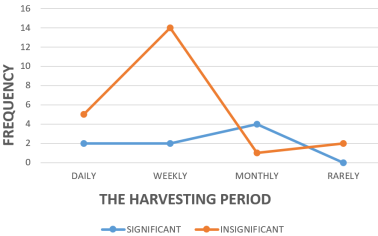
Furthermore, there was a significant association between the local community awareness/ involvement in managing endangered plant species and their harvesting periods X
2=9.655 df=3 P=0.022 (
Figure 8). The influence of harvesting periods on local community awareness and involvement in managing endangered plant species is multifaceted. Understanding the ecological implications of harvesting timing can enhance community awareness and encourage active participation in conservation. By fostering educational initiatives and recognizing the value of traditional knowledge, stakeholders can better engage local communities in sustainable harvesting practices, ultimately benefiting both the plants and the communities that depend on them. Local communities are often the primary stewards of plant species in their environments. They possess traditional knowledge of these plants, including their ecological roles, uses, and the consequences of overexploitation. Engaging communities in the conservation of endangered species helps to integrate this local knowledge into broader conservation efforts
| [8] | Berkess, F. (2009). "Evolution of co-management: Role of local knowledge in sustainability." Environmental Conservation. |
[8]
. The economic dependency on local resources can motivate communities to participate actively in conservation initiatives. When communities perceive a direct benefit from sustainable practices, their willingness to engage increases
| [11] | Borrini-Feyerabend, G., J. M. Tamang, S. Kothari, and H. J. S. K. T. K. J. A. J. G. D. F. H. B. M. P. H. S. R. A. M. B. (2013). "Governance of Protected Areas: Innovation in the Social Sphere." Biodiversity and Conservation. |
[11]
. This is particularly relevant in the context of endangered plant species that may have economic, medicinal, or cultural significance. Overharvesting can favor the survival of certain species while leading to declines in others, disrupting ecosystem balance
| [4] | Allen, A. P., R. M. McCauley, & A. P. Allen (2016). "Community composition changes in the aftermath of harvesting." Ecology and Evolution. |
[4]
. The removal of dominant plant species affects relationships between plants and animals, further complicating regeneration efforts and diminishing utility for wildlife reliant on these plants
| [42] | Sodhi, N. S., et al. (2010). "Conservation of tropical ecosystems and biodiversity." Nature. |
[42]
. Sustainable harvesting practices can increase the market value of plant products. For instance, certified organic or sustainably harvested products often fetch higher prices due to growing consumer demand for eco-friendly goods. Over-exploitation leads to localized scarcity, which can drive prices up or reduce the availability of products derived from the overharvested species
| [13] | Daw, T. M., A. S. M. M. M. A. S. O. M. H. F. C. E. F. S. A. R. H. P. G. C. B. J. Steinback, and D. A. J. S. D. L. (2011). "The economic and ecological impacts of harvesting." Ecological Applications. |
[13]
. This economic instability can threaten livelihoods, especially in communities reliant on specific plants for income.
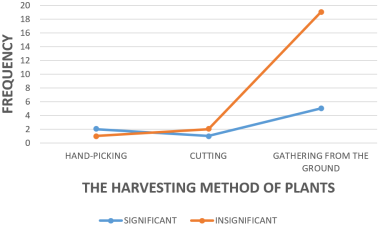
Figure 8. Local community awareness/involvement in managing endangered plant species and their harvesting period.
Figure 9. Local community awareness/involvement in managing endangered plant species and their harvesting method.
Additionally, the local community awareness/involvement in managing endangered plant species associated significantly to their harvesting methods r=0.306 P=0.100 (
Figure 9). Local community awareness and involvement are crucial for the effective management of endangered plant species and play a significant role in shaping harvesting methods. By increasing awareness and fostering participation, conservation efforts can be more sustainable and better aligned with local ecological and cultural contexts. Addressing challenges and implementing strategies to empower communities will enhance their capacity to manage plant species responsibly, benefiting both local ecosystems and livelihoods. Local communities often have a profound understanding of their natural environment, including the ecological roles of specific plant species. This traditional knowledge is invaluable for conservation efforts, allowing for more effective management practices tailored to local conditions
| [8] | Berkess, F. (2009). "Evolution of co-management: Role of local knowledge in sustainability." Environmental Conservation. |
[8]
. Involving local communities in the management of endangered plant species can yield significant socio-economic benefits. Sustainable harvesting practices can enhance livelihoods by providing reliable sources of food, medicine, and income through eco-friendly products
| [11] | Borrini-Feyerabend, G., J. M. Tamang, S. Kothari, and H. J. S. K. T. K. J. A. J. G. D. F. H. B. M. P. H. S. R. A. M. B. (2013). "Governance of Protected Areas: Innovation in the Social Sphere." Biodiversity and Conservation. |
[11]
. This creates a vested interest in conservation, encouraging practices that protect plant species from overexploitation. Community awareness regarding the ecological significance of endangered plant species often leads to the adoption of more sustainable harvesting methods. For example, education programs focusing on the life cycles of plants can encourage seasonal or selective harvesting rather than reckless overexploitation.
4. Discussion
The harvesting methods employed for
I. wombulu and
M. myristica often include clear-cutting and selective logging without proper planning. Clear-cutting leads to complete removal of vegetation in specific areas, resulting in immediate habitat loss. Selective logging, although less invasive in intent, can still cause significant harm if not conducted sustainably. The damage it inflicts on surrounding flora, particularly on non-target species, can undermine the structural integrity of the rainforest
| [7] | Berenguer, E., T. J. P. C. Boissière, A. O. A. de M. Santos, F. C. F. Silva, R. G. M. N. de Oliveira, L. D. S. P. Ferreira, R. H. C. G. R. Almeida, & F. W. L. Leal. (2014). "The role of selective logging in enhancing biodiversity." Forest Ecology and Management. |
[7]
. The removal of trees disrupts soil stability, leading to increased erosion and nutrient depletion. This not only reduces soil fertility but also affects water retention in the ecosystem—both critical for healthy forest regeneration. Studies show that such degradation can have long-term repercussions on plant diversity and health
| [26] | Lal, R. (2001). "Soil degradation by erosion." Land Degradation & Development. |
[26]
, directly impacting the growth and sustainability of
I. wombulu and
M. myristica populations. The harvesting of
I. wombulu and
M. myristica contributes to habitat fragmentation, a critical issue in the Banyang-Mbo Wildlife Sanctuary. As these trees are integral to the ecosystem, the removal of even a small number can create significant holes in the forest structure, leading to disturbed microclimates that further impede other species' survival. Many animals rely on the fruits and seeds of
I. wombulu for sustenance. The reduction in availability of these food sources leads to declines in frugivore populations, such as certain bird species, which play crucial roles in seed dispersal (Peres et al., 2006). As animal populations decline, further cascading effects on plant diversity and ecosystem health become evident
| [17] | Fearnside, P. M. (2005). "Deforestation in Brazilian Amazon: A critical perspective." Environmental Management. |
[17]
.
Local communities depend heavily on
I. wombulu and
M. myristica for both nutrition and income. The economic value of these species extends beyond their direct uses as food and medicine; they also contribute to local and regional economies through informal markets. Poor harvesting methods threaten these economic foundations, leading to decreased availability and rising costs
| [13] | Daw, T. M., A. S. M. M. M. A. S. O. M. H. F. C. E. F. S. A. R. H. P. G. C. B. J. Steinback, and D. A. J. S. D. L. (2011). "The economic and ecological impacts of harvesting." Ecological Applications. |
[13]
. As resources dwindle, communities may resort to more aggressive harvesting practices to meet their needs, further exacerbating the problem. This creates a vicious cycle where economic necessity drives unsustainable practices, leading to further ecological degradation. In effect, local communities become trapped in a cycle that limits their long-term socio-economic viability while adversely affecting biodiversity. Local traditions often dictate specific harvesting periods for African bush mango (
Irvingia wombulu) and African nutmeg (
Modora myristica), which may align with ecological considerations or be based on cultural norms. Harvesting during off-peak growth periods allows plants to recover and maintain healthy populations, ultimately creating a sustainable source for future harvesting. Some plants provide essential habitat or food for wildlife. Poor timing can lead to declines in both plant and animal populations, disrupting ecological balance
| [20] | González, J. A., et al. (2014). "Cultural values and conservation: Enhancing local community engagement." Ecological Management & Restoration. |
[20]
. Communities often become more aware of the ecological needs of plants when informed about their growth cycles and the consequences of poor harvesting practices. Educational initiatives that emphasize the importance of timing can enhance local understanding of the sustainability of plant species. By linking traditional harvesting periods with ecological principles, communities can develop a deeper understanding of plant life cycles and the benefits of sustainable practices
| [8] | Berkess, F. (2009). "Evolution of co-management: Role of local knowledge in sustainability." Environmental Conservation. |
[8]
. Traditional harvesting practices often reflect a deep understanding of local ecology.
The findings indicate that without intervention, the unsustainable harvesting of
I. wombulu and
M. myristica poses a significant threat to the ecological integrity of the Banyang-Mbo Wildlife Sanctuary. Effective management practices, including regulated harvesting periods and sustainable techniques, are critically needed. Such frameworks could include community scrutiny and involvement in management decisions, ensuring that local needs are met without compromising ecological health
| [9] | Bennett, G., A. M. M. O'Hara, B. T. M. Aná, A. A. D. Silva, R. G. de Almeida, and R. R. S. Peralta. (2017). "Conservation at the edge: A review of community-based approaches." Global Ecology and Conservation. |
[9]
. Educational programs aimed at raising awareness about sustainable harvesting techniques and the importance of these species can foster community stewardship. Incorporating traditional ecological knowledge into conservation strategies can facilitate a more holistic approach to managing local resources. The impact of poor harvesting methods on
Irvingia wombulu and
Modora myristica in the Banyang-Mbo Wildlife Sanctuary serves as a microcosm of larger environmental challenges faced in tropical ecosystems. The interplay between ecological, economic, and social dimensions underlines the necessity for holistic conservation strategies that not only protect endangered species but also support local communities. Sustainable harvesting practices, community involvement, and education are essential components for ensuring the long-term viability of both the rainforest ecosystem and the livelihood of the communities that depend on it. The collaboration among various stakeholders, including local communities, conservationists, and governmental bodies, is vital for the successful management of these invaluable resources
| [24] | Krauss, J., et al. (2015). "Optimal harvesting periods for managing plant populations." Ecological Applications. |
[24]
.
Awareness of the importance of maintaining biodiversity often leads communities to adopt selective harvesting methods. This approach minimizes environmental impact and promotes the regeneration of endangered species. Communities that are informed about sustainable practices may innovate new harvesting methods that align with ecological conservation. For instance, participatory approaches can lead to the development of techniques that enhance yield while preserving plant populations
| [20] | González, J. A., et al. (2014). "Cultural values and conservation: Enhancing local community engagement." Ecological Management & Restoration. |
[20]
. In Andean communities, local awareness of the importance of medicinal plants has led to sustainable harvesting practices. Educational campaigns emphasizing the ecological and cultural significance of these plants have resulted in reduced overharvesting and the adoption of seasonal harvesting techniques. In Madagascar, involving local communities in the management of endangered plant species has demonstrated positive effects on harvesting methods. By integrating local knowledge and practices into forest management plans, communities have adopted strategies that balance their needs with conservation goals, leading to improved sustainability
| [25] | Kramer, R. A., et al. (1997). "Community forest management in developing countries." Forest Ecology and Management. |
[25]
. Communities that are actively involved in decision-making processes regarding the management of endangered species are more likely to adopt sustainable harvesting practices. Empowerment fosters a sense of ownership, encouraging responsible use of resources
| [9] | Bennett, G., A. M. M. O'Hara, B. T. M. Aná, A. A. D. Silva, R. G. de Almeida, and R. R. S. Peralta. (2017). "Conservation at the edge: A review of community-based approaches." Global Ecology and Conservation. |
[9]
. Active involvement in management can lead to capacity-building among community members. Training and involvement in monitoring harvesting impacts enable communities to implement best practices effectively
| [8] | Berkess, F. (2009). "Evolution of co-management: Role of local knowledge in sustainability." Environmental Conservation. |
[8]
. When local communities collectively engage in resource management, they can develop guidelines for sustainable harvesting tailored to specific species and ecosystems. This collective action can lead to the establishment of community-led conservation areas with regulated harvesting
| [11] | Borrini-Feyerabend, G., J. M. Tamang, S. Kothari, and H. J. S. K. T. K. J. A. J. G. D. F. H. B. M. P. H. S. R. A. M. B. (2013). "Governance of Protected Areas: Innovation in the Social Sphere." Biodiversity and Conservation. |
[11]
.
Community involvement can facilitate conflict resolution among different user groups, ensuring that harvesting methods are equitable and sustainable
| [29] | Meijaard, E., et al. (2013). "Biodiversity loss due to unsustainable logging in Indonesia." Biodiversity and Conservation. |
[29]
. When all stakeholders have a voice, it promotes shared responsibility and accountability
| [43] | Tchouankam, J., et al. (2021). Sustainable Management of Forest Resources in Cameroon. |
[43]
. In several West African nations, community involvement in agroforestry has led to remarkable success in the management of endangered plant species. By integrating traditional practices with modern agroforestry techniques, communities have enhanced biodiversity while improving agricultural yields
| [44] | Willemen, L., et al. (2010). "The role of local communities in biodiversity conservation." Journal of Environmental Management. |
[44]
. In the Amazon, participatory forest management that includes local communities has led to the development of sustainable harvesting methods that reduce habitat destruction and improve species vitality. Awareness and involvement have resulted in effective monitoring and regulation of harvesting practices. Many communities lack the necessary resources for education and capacity building, limiting their ability to implement sustainable practices. External funding and support are often required to develop effective awareness programs
| [9] | Bennett, G., A. M. M. O'Hara, B. T. M. Aná, A. A. D. Silva, R. G. de Almeida, and R. R. S. Peralta. (2017). "Conservation at the edge: A review of community-based approaches." Global Ecology and Conservation. |
[9]
. Policies that do not incorporate local knowledge or fail to prioritize community involvement can undermine conservation efforts. A disconnect between governmental regulations and local practices can lead to conflicts and ineffective management
| [43] | Tchouankam, J., et al. (2021). Sustainable Management of Forest Resources in Cameroon. |
[43]
. Implementing educational programs that focus on the ecological roles of endangered plant species can enhance community awareness and promote sustainable harvesting methods
| [41] | Rai, S. K., et al. (2014). "Conservation of medicinal plants: A community-driven approach in the Himalayas." Journal of Ethnobiology and Ethnomedicine. |
[41]
.

 ,
Kamah Pascal Bumtu
,
Kamah Pascal Bumtu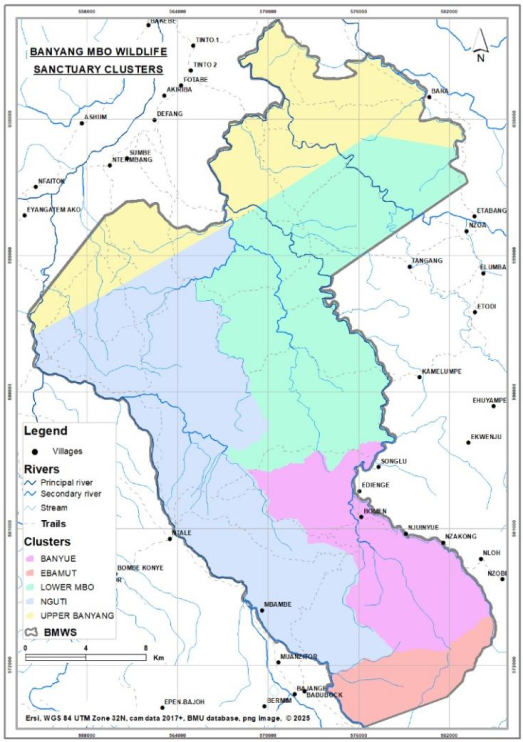



 Share This Article
 Twitter
 Linked In
 Facebook
 Copy
Copy Download